
Quick Answer: Identifying Effective Anti-Fog Solutions
An effective anti-fog spray for swimming goggles works by applying a hydrophilic surfactant layer to the inner surface of the lenses. This layer dramatically reduces the surface tension of water, forcing condensation to spread into a flat, transparent film rather than forming tiny, light-scattering droplets that obscure your vision. When selecting a product in the Philippines, where high humidity and warm tropical waters accelerate fogging, it is crucial to verify compatibility with your goggle lens material—typically polycarbonate—and any existing factory coatings. Before purchasing from local e-commerce platforms, always check the product label for eye-safe, non-toxic ingredients and avoid formulas containing harsh industrial solvents. A reliable anti-fog solution should offer a balance of safety, ease of application, and resistance to pool chemicals or saltwater.
Core Selection Criteria for Swimming Goggle Anti-Fog Sprays
Formulation and Safety
Because swimming goggles sit directly against your face, the safety of the anti-fog formula is the most critical factor. When swimming in warm tropical climates or heavily chlorinated pools, sweat and water can cause the anti-fog solution to run into your eyes. If the spray contains harsh chemicals, alcohols, or industrial detergents, it can cause severe eye irritation, redness, and stinging. Look for formulas labeled as non-toxic, hypoallergenic, and specifically designed for ophthalmic or sports use. Additionally, ensure the formula does not contain petroleum-based ingredients, which can rapidly degrade the flexible silicone gaskets that keep your goggles watertight.

Longevity and Reapplication
Anti-fog solutions generally fall into two categories: temporary single-swim applications and semi-permanent treatments. Single-swim sprays are designed to be applied shortly before entering the water, requiring a quick rinse and lasting for a single training session or recreational swim. Semi-permanent gels or concentrated sprays require a longer curing time—often several hours or overnight—but provide a more durable barrier that can withstand multiple swim sessions before needing reapplication. For daily lap swimmers in local sports complexes, a durable, long-lasting formula reduces prep time, while casual weekend beachgoers might prefer the quick convenience of a rapid-dry spray.
Products mentioned in this guide
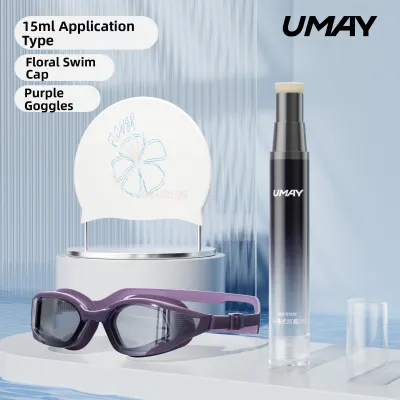
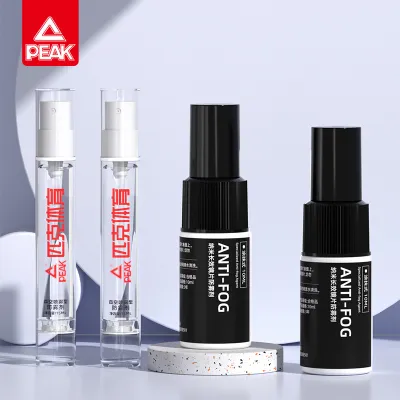
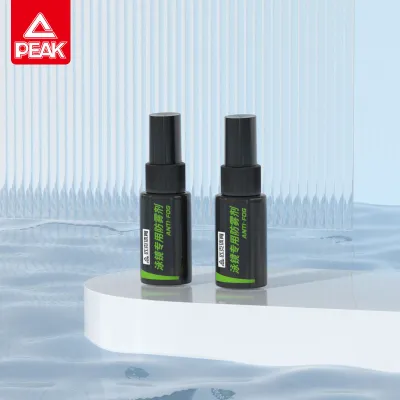
Prices are valid at publication and may change. Please refer to the product page for the latest price.
Lens Compatibility
Modern swimming goggles feature lenses made from polycarbonate, a lightweight and impact-resistant plastic. However, polycarbonate is highly susceptible to scratching and chemical damage. Many goggles also come with specialized finishes, such as mirrored coatings for outdoor swimming in bright sunlight, UV-protective layers, or prescription corrective lenses. An incompatible anti-fog spray can chemically react with these coatings, causing them to peel, bubble, or cloud permanently. Always verify that the product is explicitly safe for polycarbonate and mirrored lenses before application.
Packaging and Portability
The physical format of the anti-fog product affects its usability. Standard spray bottles are highly popular because they allow for even, touchless distribution across the lens surface. However, they can be bulky and prone to leaking in a swim bag. Gel formulas offer a thicker, more concentrated application that often lasts longer, but they require careful spreading with a clean finger or applicator, increasing the risk of transferring oils or scratching the lens. Pre-moistened anti-fog wipes offer maximum portability and convenience for open-water swimmers traveling to coastal destinations, though they generate more waste and may dry out quickly in high heat.
Step-by-Step Application Guide for Long-Lasting Clarity
Pre-Cleaning the Lenses
Before applying any anti-fog treatment, the lens surface must be completely free of contaminants. Sweat, facial oils, sunscreen, chlorine residue, and saltwater salt crystals create a barrier that prevents the anti-fog surfactant from bonding evenly to the polycarbonate. To clean the lenses, rinse them thoroughly under cool, running tap water. If there is visible oily residue, use a single drop of highly diluted, additive-free baby shampoo and gently agitate it with the pad of your finger. Never use abrasive sponges, microfiber cloths, or paper towels, as even minor friction can micro-scratch the soft plastic. Rinse completely and allow the goggles to air dry in a dust-free environment.
Spraying Technique and Drying Time
Hold the anti-fog spray bottle approximately 10 to 15 centimeters away from the inner surface of the goggle lenses. Apply one to two light, even mists to ensure the entire inner surface is coated. Avoid over-saturating the lens, as excess liquid will pool in the corners and lead to uneven drying or streaking. Once applied, let the goggles sit undisturbed. For quick-dry formulas, this may take three to five minutes, while concentrated formulas or gels might require up to ten minutes or even overnight curing. Allowing the carrier liquid to evaporate completely is essential for the surfactant molecules to align and bond to the lens surface.
The Crucial Gentle Rinse
Once the anti-fog layer has dried or cured, it must be activated with a gentle rinse before you wear the goggles. Submerge the goggles briefly in a basin of clean, cool fresh water, or pass them quickly under a slow-running tap. Do not rub, wipe, or touch the inside of the lenses during or after this rinse. This step washes away the excess carrier agents and leaves behind an ultra-thin, uniform hydrophilic film. Skipping this rinse or using a high-pressure water stream will either leave a thick chemical residue that stings your eyes or wash the active surfactant layer away entirely, rendering the treatment useless.
Common Application Mistakes
One of the most frequent errors is touching the inside of the lenses after the anti-fog spray has been applied and rinsed. The natural oils on your fingertips will instantly disrupt the surfactant barrier, creating a spot where fog will rapidly form. Another mistake is applying the spray directly at the poolside without allowing sufficient drying time; the water will immediately wash the wet spray into your eyes, causing painful irritation and blinding fog. Finally, using too much product or failing to rinse it properly results in a distorted, wavy field of vision and chemical run-off when you sweat.
Goggle Maintenance and Anti-Fog Preservation
Rinsing Protocols
To extend the lifespan of both your goggles and their anti-fog treatments, establish a strict post-swim rinsing routine. Immediately after exiting the pool or ocean, rinse your goggles thoroughly in clean, cool, fresh tap water. This removes chlorine, pool sanitizing chemicals, sweat, and salt crystals. Saltwater is particularly destructive; as it dries, it forms sharp micro-crystals that can scratch the lenses and chemically degrade the silicone seals. Never use hot water, as high temperatures can warp the plastic frame, melt the delicate adhesive holding the lenses, and break down the anti-fog chemical bonds.
Drying and Storage
After rinsing, allow your goggles to air dry completely in a shaded, well-ventilated area. Do not leave them in direct tropical sunlight, as UV rays rapidly degrade silicone straps, dry out gaskets, and cause polycarbonate lenses to become brittle and yellow. Avoid wiping the inside or outside of the lenses with a towel, t-shirt, or chamois, as this introduces fine scratches and strips away any remaining anti-fog coating. Once dry, store the goggles in a hard, breathable protective case to shield them from friction against other gear in your swim bag, preventing accidental scratches and dust accumulation.
Signs of Permanent Failure
Over time, all anti-fog coatings—both factory-applied and aftermarket treatments—will degrade. You can identify permanent failure when the lenses remain cloudy even after a thorough cleaning, or when applied anti-fog sprays immediately bead up and slide off the lens surface instead of forming a smooth, continuous film. If the polycarbonate lenses have developed deep scratches, or if the silicone gaskets have become stiff, cracked, or moldy due to the humid climate, the structural integrity of the goggles is compromised. In these cases, replacing the goggles entirely is necessary for safety and performance.
Evaluating Alternatives and DIY Options
Baby Shampoo and Mild Soaps
When commercial anti-fog sprays are unavailable, mild surfactants like baby shampoo or diluted dish soap are popular temporary alternatives. These household items work on the same basic physical principle: they reduce the surface tension of water to prevent droplet formation. To use this method, apply a tiny drop of diluted baby shampoo to the inner lens, spread it gently with a clean finger, and rinse it lightly until the lens is clear. While effective for short swims, these soaps wash away much faster than dedicated anti-fog sprays. Furthermore, even “tear-free” baby shampoos can cause mild eye irritation and blurred vision if they migrate into your eyes during an intense workout.
The Saliva Method
Spitting into swimming goggles is a time-honored tradition among swimmers worldwide. Human saliva contains proteins and glycoproteins that can temporarily act as a surfactant, reducing condensation for a short period. While convenient and free, this method is highly unhygienic. Introducing oral bacteria into the warm, damp environment of a goggle lens increases the risk of eye infections, particularly in shared pool environments. Additionally, saliva washes away almost instantly, requiring frequent reapplication and offering very poor longevity compared to commercial formulations.
Dangerous Household Cleaners
Under no circumstances should you use household glass cleaners, rubbing alcohol, vinegar, or abrasive toothpastes on swimming goggles. Glass cleaners and alcohol are formulated for tempered glass and contain strong solvents that will chemically attack, craze, or melt soft polycarbonate plastic, leaving it permanently ruined and opaque. Abrasive pastes, such as standard toothpaste, will scour the surface of the lens, creating thousands of microscopic scratches that permanently destroy optical clarity and make the goggles highly susceptible to trapping dirt and fogging.
Frequently Asked Questions (FAQ)
Can I use anti-fog spray on prescription swimming goggles?
Yes, you can use anti-fog spray on prescription swimming goggles, but you must exercise caution. Prescription goggles often feature specialized optical corrections and multi-layer coatings, such as anti-glare or UV-blocking films. Before applying any aftermarket spray, consult the manufacturer’s care instructions to ensure chemical compatibility. Choose a gentle, alcohol-free, and ammonia-free anti-fog formula. Avoid aggressive rubbing during application, as physical friction can damage the delicate corrective curves and specialized coatings on the inner surface of the lenses.
How often should I reapply anti-fog spray during a swim session?
For a high-quality anti-fog spray applied and cured correctly, a single application should easily last an entire training session of one to two hours. However, several factors can accelerate the breakdown of the coating mid-swim. These include high water temperatures, excessive sweating, frequently taking the goggles on and off, and pool chemicals. If you find yourself needing to reapply mid-session, carry a portable, quick-dry spray bottle in your swim bag. Ensure you rinse the goggles gently after spraying to prevent eye irritation before returning to the water.
Will anti-fog spray damage the silicone gaskets on my goggles?
Most modern anti-fog sprays formulated specifically for swimming goggles are designed to be safe for silicone. However, prolonged exposure to concentrated chemical agents can eventually dry out, stiffen, or degrade the flexible silicone gaskets, leading to water leaks. To prevent this, apply the spray carefully and directly to the center of the inner lens, avoiding excessive runoff onto the surrounding seals. If spray does contact the gaskets, wipe it away gently or ensure it is thoroughly rinsed during the activation step to maintain the seal’s flexibility.
Community discussion
Share your experience or ask a question. Comments are reviewed before publication.