
Sensory balance ball exercises improve core strength and stability by introducing controlled instability and tactile feedback to your fitness routine. Unlike traditional flat-ground exercises, working on an unstable, air-filled sphere forces your deep stabilizing muscles—such as the transversus abdominis, multifidus, and obliques—to fire continuously to maintain equilibrium. The unique textured surface of a sensory ball provides constant physical cues to your nervous system, enhancing your body’s spatial awareness and helping you make micro-adjustments in real time. This combination of balance training and sensory stimulation builds a highly resilient midsection that supports daily movements and athletic performance alike.
Preparing Your Sensory Balance Ball and Workout Space
Before beginning any core routine, proper equipment setup is essential to prevent slips, falls, or sudden equipment failure. Start by verifying the ball’s inflation level according to the manufacturer’s specific guidelines. A slightly under-inflated ball creates a larger contact area with the floor and your body, which increases overall stability and is ideal for beginners. Conversely, a fully inflated ball minimizes the contact surface, significantly increasing the balance challenge for advanced users.
Next, inspect the textured sensory surface of the ball. In warm, humid tropical environments like the Philippines, moisture and sweat can quickly accumulate on fitness gear, potentially compromising your grip. Wipe down the ball to remove any sweat, dust, or floor debris that could cause your hands or feet to slide during high-plank positions.
Products mentioned in this guide
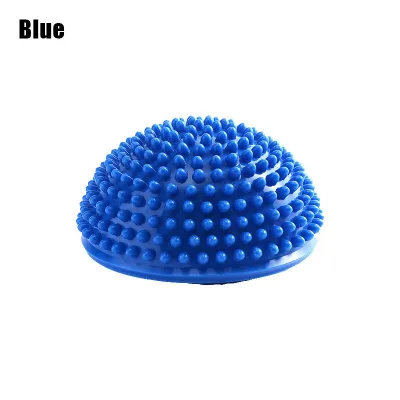
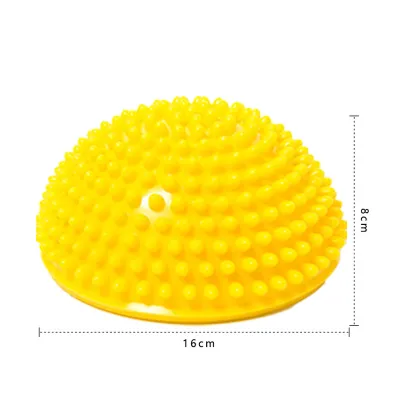
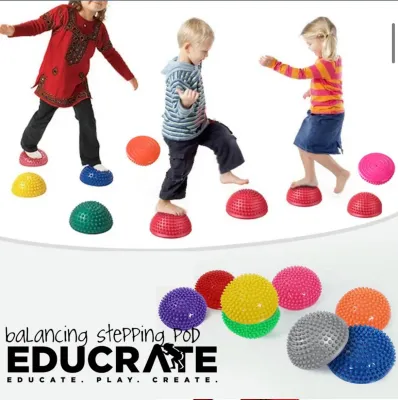
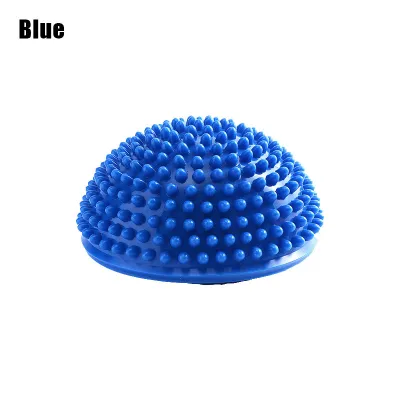
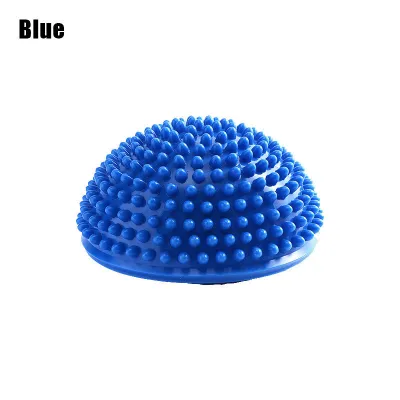
Prices are valid at publication and may change. Please refer to the product page for the latest price.
Always check the product label or user manual for the maximum weight capacity and the anti-burst rating. Ensuring the ball is rated to support your body weight under dynamic loads is a fundamental safety step.
Finally, prepare your physical environment. Clear a dedicated workout zone of sharp objects, hard furniture edges, and loose, slippery rugs. Creating a spacious, clean fall zone ensures that if you lose your balance, you can safely step off or roll off the ball without risk of injury.
Foundational Stability Exercises for Core Engagement
Establishing baseline core activation and pelvic control is the first step before attempting dynamic movements. Using the sensory feedback of the ball helps you identify exactly which muscles are engaging.

Seated Pelvic Tilts and Marching
Begin by sitting upright on the center of the sensory balance ball with your feet flat on the floor, hip-width apart. Maintain a neutral spine, allowing the textured bumps to provide tactile feedback against your glutes and thighs, which helps you recognize if you are leaning too far forward or backward. Slowly tilt your pelvis forward, arching your lower back slightly, then tuck your pelvis backward, gently rounding your lower spine. Once you find the neutral midpoint, challenge your stability by slowly lifting one foot off the floor in a marching motion. Keep your hips level and avoid letting the ball roll sideways as you alternate legs.
Forearm Plank on the Ball
Place your forearms on the top of the sensory balance ball, keeping your elbows aligned directly under your shoulders. Step your feet back into a plank position, creating a straight line from your head to your heels. Squeeze your glutes and pull your belly button toward your spine to prevent your lower back from sagging. The sensory bumps under your forearms serve as an excellent tool to monitor your weight distribution; if you feel more pressure on one arm, adjust your posture to distribute your weight evenly.
Supine Dead Bug Variations
Lie on your back on a comfortable exercise mat and place the sensory balance ball between your knees and your hands. Press your lower back firmly into the floor, ensuring there is no gap between your spine and the mat. Slowly lower your right arm behind your head while simultaneously extending your left leg straight out, keeping the ball secured between your left hand and right knee. Return to the starting position and repeat on the opposite side. The physical pressure required to keep the ball in place ensures continuous deep core engagement.
Throughout these foundational exercises, monitor your hip position closely. If you notice your hips sagging toward the floor or hiking upward to compensate for fatigue, your core is no longer doing the work. Stop the exercise immediately if you feel your lower back arching or experiencing strain, as this indicates that your stabilizing muscles have fatigued.
Dynamic Core Strengthening Movements
Once you can maintain control during static holds, you can progress to dynamic movements that challenge your coordination and anti-rotation stability.
Stability Ball Rollouts
Kneel on a soft mat with the sensory balance ball directly in front of you. Place your hands or forearms on the ball, keeping your spine neutral and your core braced. Slowly roll the ball forward, extending your hips and arms until your body forms a straight line from your knees to your shoulders. Only roll out as far as you can control; do not let your lower back arch or sag. Squeeze your abs and pull your arms back to return to the starting kneeling position.
Pike-Ups (Jackknives)
Start in a high plank position with your hands flat on the floor, shoulder-width apart, and your shins resting on top of the sensory balance ball. Engage your deep abdominal muscles to pull your knees toward your chest, rolling the ball forward under your shins. To perform a full pike, keep your legs straight and lift your hips toward the ceiling, drawing the ball toward your hands. The textured surface of the ball is highly beneficial here, as it helps keep your shins from slipping off the rounded surface as you lift.
Supine Hamstring Curls with Hip Lifts
Lie on your back with your arms flat by your sides for support, and place your heels on top of the sensory balance ball. Squeeze your glutes and lift your hips off the floor into a bridge position, creating a straight line from your shoulders to your heels. Keeping your hips elevated and stable, bend your knees to curl the ball toward your glutes. Pause briefly, then slowly extend your legs back out to the starting position without letting your hips drop toward the floor.
Never hold your breath during these dynamic movements; exhale during the exertion phase (such as rolling out or curling the ball) and inhale as you return to the starting position. If you find your form breaking down, reduce the range of motion or switch back to a static hold until your strength improves.
Progression, Form Checks, and Safety Boundaries
Safely scaling your workouts prevents injury and ensures long-term progress. To increase the difficulty of an exercise, alter your base of support rather than simply adding speed or high repetitions. For example, you can move from a kneeling position to a standing position, or lift one arm or leg during a plank. These adjustments force your core to work harder to maintain balance without exposing your joints to rapid, uncontrolled movements.
It is vital to differentiate between normal muscle fatigue—characterized by a warm, burning sensation in the target muscles—and joint or sharp pain. If you experience any sharp, shooting, or sudden pain in your back, shoulders, or knees, stop the exercise immediately.
Continuing to exercise when your core stabilization fails shifts the physical load from your muscles to passive structures like spinal ligaments and joint capsules, greatly increasing the risk of injury. Rest for a minute or two between sets to allow your nervous system and muscles to recover.
If you have a history of vertigo, inner ear imbalances, severe joint issues, or recent spinal injuries, consult a qualified physical therapist or medical professional before starting any balance ball training program.
Frequently Asked Questions (FAQ)
How does the textured surface of a sensory balance ball change the workout?
The textured surface of a sensory balance ball provides continuous tactile feedback to your skin and muscles. This physical stimulation helps you identify exactly where your body is contacting the ball, allowing you to monitor your weight distribution and make rapid, minor posture corrections. Additionally, the raised bumps offer a slight grip advantage against clothing or smooth flooring, which is particularly helpful in warm, humid conditions where sweat might otherwise cause slipping. However, while the texture assists with grip and awareness, effective core engagement still depends entirely on proper muscle activation and form. If you have sensory sensitivities, test the texture briefly with your hands or back before committing to a full workout to ensure it is comfortable for direct skin contact.
Can I use a sensory balance ball if I have lower back sensitivity?
A sensory balance ball can be a helpful tool for gentle mobility and low-impact core activation, but it is not a substitute for professional medical treatment or targeted physical therapy. If you experience mild lower back sensitivity, avoid advanced dynamic movements, deep spinal flexion, or heavy loading. Instead, focus on foundational, low-load exercises like seated pelvic tilts or supported dead bugs, which keep the spine in a neutral position. Always listen to your body and establish a strict stop condition: if any movement triggers sharp pain, numbness, tingling, or radiating discomfort down your legs, stop the exercise immediately and consult a healthcare provider.
Community discussion
Share your experience or ask a question. Comments are reviewed before publication.