
Selecting the right fishing weight is not just about getting your bait to the bottom; it is about controlling how your bait behaves once it gets there. The shape of your sinker dictates whether your rig will roll naturally with the current, anchor firmly in shifting sands, slip through dense weeds, or allow for delicate, micro-adjusted presentations. Choosing the wrong shape can lead to constant snags, unnatural bait movement, or a rig that drifts far away from your target zone.
To make the best choice, you must evaluate three primary design dimensions: hydrodynamics (whether the shape is designed to roll or grip), snag resistance (how easily it deflects off rocks or vegetation), and weight adjustment flexibility (how quickly you can change weights on the water). The four most common shapes—egg, pyramid, split shot, and bullet sinkers—each feature distinct structural designs tailored to specific aquatic environments and fishing techniques. Understanding these physical differences allows you to adapt your tackle to local conditions, whether you are casting into the surf of a tropical beach or drifting bait down a slow-moving river.
Egg Sinkers for Bottom Bouncing and Drift Fishing
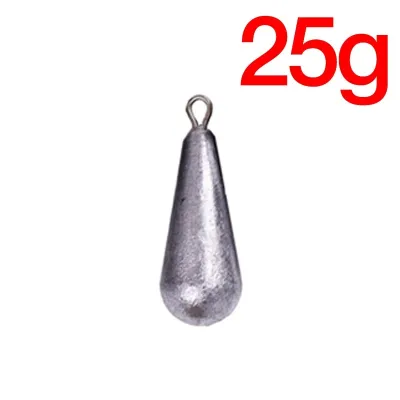
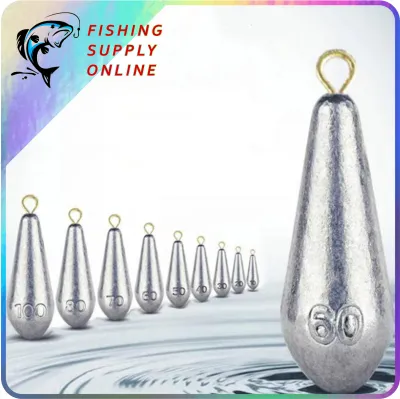
Egg sinkers feature a smooth, rounded, oval structure with a hole running directly through the center. This inline design allows your fishing line to slide freely through the weight, meaning a biting fish can pull the bait without feeling the immediate resistance of the sinker. The rounded profile is specifically engineered to roll along the bottom, making it highly effective for techniques where you want your bait to move naturally with the water’s flow.
Products mentioned in this guide
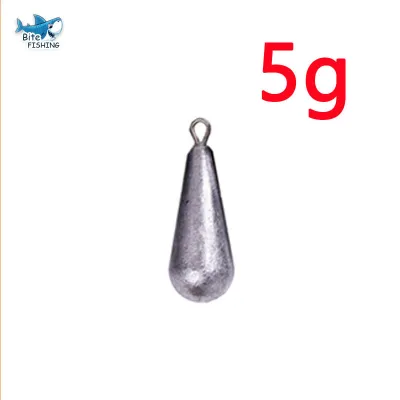
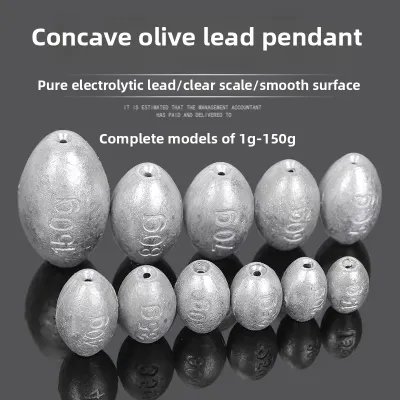
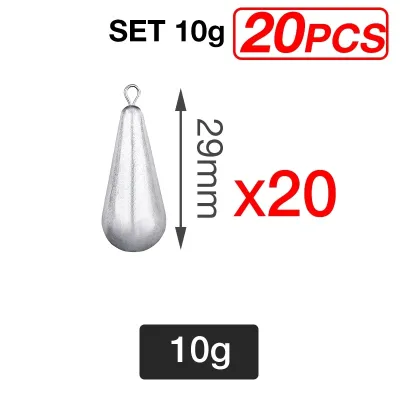
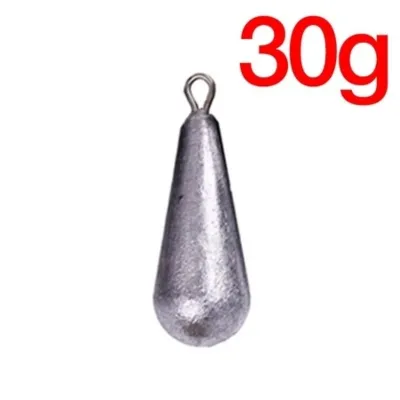
Prices are valid at publication and may change. Please refer to the product page for the latest price.
This rolling action makes egg sinkers a highly effective choice for drift fishing, bottom bouncing, and classic Carolina rigs. When you cast an egg sinker into a moderate current, it gently tumbles along the riverbed or sandy floor, presenting your bait in a lifelike manner as it travels downstream. Because the weight slides along the line, it is excellent for targeting wary species that would drop the bait if they felt any sudden tension.
However, this rolling characteristic becomes a major limitation in strong currents or on steep, muddy slopes. In high-energy water, an egg sinker will not stay in place, causing your rig to drift too quickly or wash ashore. Additionally, while the smooth shape glides over sand and gravel, it can easily wedge itself into tight crevices on highly rocky bottoms.
To verify if your egg sinker is performing correctly, observe your line angle and the speed of your drift. If your line is sweeping downstream too quickly and rising high into the water column, your weight is too light for the current. Conversely, if the line remains completely vertical and the weight drags heavily without moving, you may need to downsize to a lighter egg sinker to restore a natural, drifting presentation.
Pyramid Sinkers for Surf Casting and Strong Currents
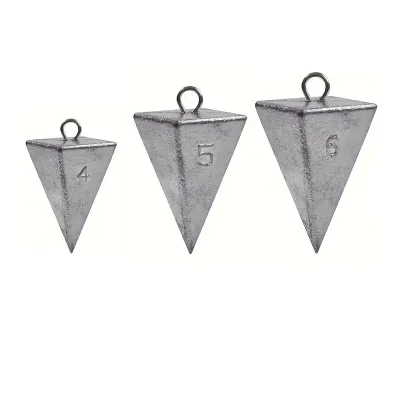
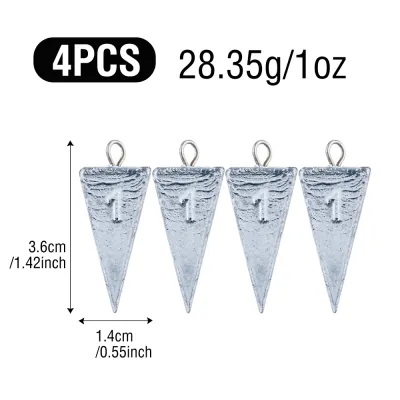
Pyramid sinkers are designed with an inverted pyramid shape, featuring a wide, flat base and a pointed tip where the line tie is located. This geometric, flat-sided design is engineered specifically to prevent movement. When the sinker hits the water floor, the pointed end digs into soft substrates like sand or mud, while the flat sides resist rolling, effectively anchoring your rig in place.

This high-holding power makes pyramid sinkers indispensable for surf casting, fishing in strong river currents, and holding bottom in tidal zones. When casting from sandy tropical beaches, the constant action of waves and tides will quickly sweep lighter, rounded weights back to shore. A pyramid sinker digs in and holds your bait exactly where you cast it, allowing you to keep your line tight and detect bites even in rough surf.
The primary trade-off of this anchoring design is a significantly higher risk of snagging on structured bottoms. If you cast a pyramid sinker into heavy rocks, submerged timber, or dense reef formations, the sharp edges and flat sides will easily wedge into crevices, making retrieval nearly impossible without breaking your line.
You should stop using a pyramid sinker immediately if you transition from sandy or muddy areas to rocky structures. If you feel the weight constantly catching on hard obstructions during retrieval, or if you are fishing in areas with heavy submerged vegetation that wraps around the flat edges, switch to a more streamlined, rounded weight to avoid losing your tackle.
Split Shot for Light Tackle and Float Fishing
Split shot sinkers are small, round pellets featuring a deep slit along one side, allowing you to pinch them directly onto your fishing line. Many designs include small removable ears on the back, which let you open and reuse the weight without cutting your line. This crimp-on design provides unmatched flexibility, allowing you to add, remove, or reposition weights in seconds without tying a single knot.
These micro-weights are perfectly suited for finesse presentations, float fishing, drop-shotting, and light tackle setups. When float fishing in calm lakes or slow streams, placing a few split shots along your leader helps balance the float and keeps your bait suspended at the precise depth you want. They are also excellent for nymphing in shallow streams, where you only need a tiny amount of weight to sink a light fly into the strike zone.
The obvious limitation of split shot sinkers is their low individual mass, which makes them unsuitable for heavy casting distances, deep-water bottom anchoring, or strong currents. Attempting to use multiple split shots to reach deep water often results in a cluttered line that tangles easily and disrupts the natural presentation of your bait.
When using split shot, always perform a safety and gear check to ensure you do not damage your line. Applying too much crimping pressure with pliers can pinch, weaken, or even cut monofilament and fluorocarbon lines. Gently squeeze the weight just enough to keep it from sliding, and regularly inspect the line directly above the split shot for any signs of fraying or flattening.
Bullet Sinkers for Weedless Rigs and Heavy Cover
Bullet sinkers, also known as cone weights, feature a tapered, cone-like structure with a hollow center that allows them to slide freely along your fishing line. The pointed nose of the bullet shape is designed to deflect off obstacles, allowing the weight to slip through dense weeds, submerged branches, and rocky crevices without hanging up.
This streamlined profile makes bullet sinkers the standard choice for weedless soft plastic presentations, such as Texas rigs, flipping, pitching, and punching through thick surface mats. The forward-heavy design concentrates the weight at the front of the rig, which significantly improves casting accuracy and helps pull your soft plastic bait down through heavy cover. When a fish strikes, the sliding action ensures the weight moves away from the hook, allowing you to drive the hook point firmly into the fish’s jaw.
Despite their excellent weed-deflecting capabilities, bullet sinkers can fail on soft, silty mud bottoms. The pointed tip can easily bury itself deep into soft mud, dragging your bait down with it and hiding it from passing fish.
To prevent this, check the bottom composition of your fishing spot. If you find your bullet sinker constantly sinking into thick silt, consider adding a small glass bead between the weight and your hook to create a clicking sound that attracts fish, or switch to a wider, flat-bottomed weight that rides on top of the mud.
Quick Reference Guide for Sinker Selection
Building a versatile tackle assortment does not require buying every size and shape available, but rather understanding how to match specific shapes to your target environment. By selecting a few key weights in each category, you can easily adapt to changing water conditions and target species.
| Sinker Shape | Best Techniques | Ideal Bottom Type | Current Handling | Snag Risk |
|---|---|---|---|---|
| Egg | Drift fishing, Carolina rigs, bottom bouncing | Sand, gravel, smooth mud | Moderate | Low to Moderate |
| Pyramid | Surf casting, tidal fishing, heavy river rigs | Sand, soft mud | Excellent | High in rocks |
| Split Shot | Float fishing, light finesse, stream nymphing | Gravel, shallow flats | Poor | Low |
| Bullet | Texas rigs, punching, flipping, pitching | Dense weeds, timber, brush | Moderate | Very Low |
Use this simple decision framework when preparing for your next outing:
- Choose an egg sinker if you are fishing in moving water and want your bait to drift naturally along a sandy or gravel bottom.
- Choose a pyramid sinker if you are casting into heavy surf or strong currents and need your bait to stay anchored in one spot.
- Choose a split shot if you are using light tackle, fishing with a float, or need to make quick, micro-adjustments to your depth.
- Choose a bullet sinker if you are casting soft plastics into heavy weeds, lily pads, or submerged timber.
Before heading out, always verify local fishing regulations regarding sinker materials. Many regions have strict rules banning lead weights in favor of non-toxic alternatives like tungsten, brass, or steel, especially in protected freshwater environments. Ensuring your tackle box complies with local environmental laws protects aquatic ecosystems and prevents costly fines.
Frequently Asked Questions (FAQ)
Can I use a bullet sinker for surf casting instead of a pyramid?
Using a bullet sinker for surf casting is generally ineffective because its streamlined, pointed design is built to slip through obstacles rather than grip the bottom. In a high-energy surf zone, the waves and strong lateral currents will easily slide a bullet sinker across the sandy floor, dragging your bait out of the strike zone and washing it back toward the beach. For surf casting, you need the flat sides and sharp edges of a pyramid sinker to dig into the sand and anchor your rig firmly in place.
Does the color of the fishing weight matter for these techniques?
For most bottom-fishing and heavy-current techniques, the color of your fishing weight has very little impact on your success, as the physical shape and natural presentation of your bait are the primary drivers of fish strikes. However, in clear water or highly pressured areas, using painted or matte-finished weights (such as green pumpkin or black) can help prevent fish from becoming spooked by metallic glare. If you use coated weights, regularly check the finish for durability to ensure the coating does not chip off and expose the underlying metal to the water.
Community discussion
Share your experience or ask a question. Comments are reviewed before publication.