
Selecting the right elbow support for your gym workouts in the Philippines requires balancing joint stability, movement patterns, and local environmental conditions. In tropical fitness environments—ranging from air-conditioned commercial centers to high-temperature neighborhood “bakal” gyms—excessive humidity and sweat can significantly impact how supportive gear performs on your skin. Finding the ideal fit involves understanding how different designs interact with your lifting style, ensuring you maintain proper form while protecting your joints from unnecessary strain.
Your choice ultimately depends on whether you need general joint warmth and mild compression or targeted, rigid stabilization for heavier lifts. By evaluating the structural differences between sleeves and braces, matching them to your specific exercise routine, and verifying material properties, you can make an informed decision that enhances your training longevity.
Understanding Your Support Needs: Sleeves vs. Braces
To choose the right elbow support, you must first distinguish between the two primary form factors available on the market: slip-on compression sleeves and adjustable strap-based braces. These designs serve fundamentally different purposes, and selecting the wrong one can either restrict your movement unnecessarily or fail to provide the stabilization your joints require during heavy lifts.
Products mentioned in this guide
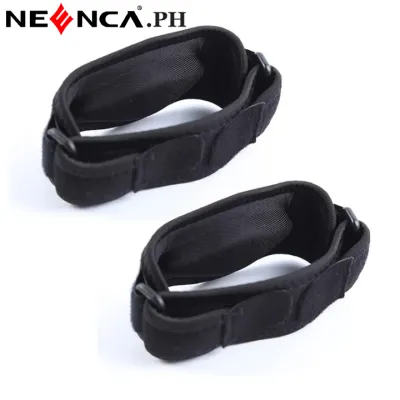
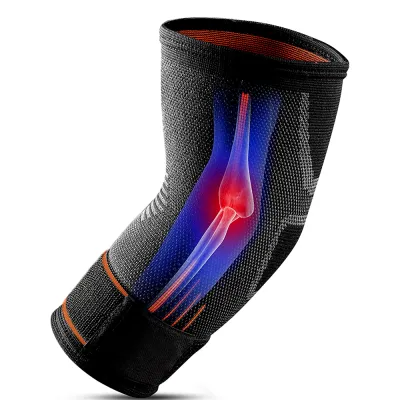
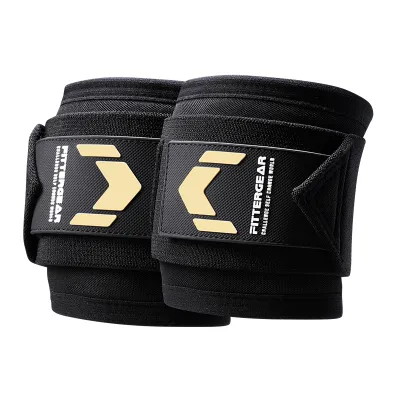
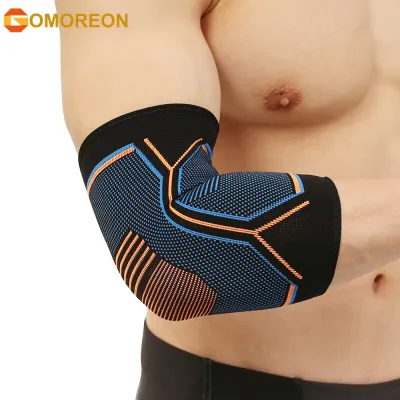
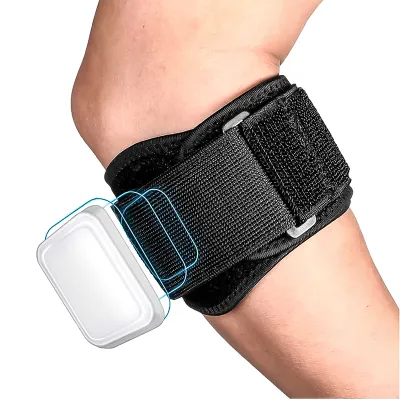
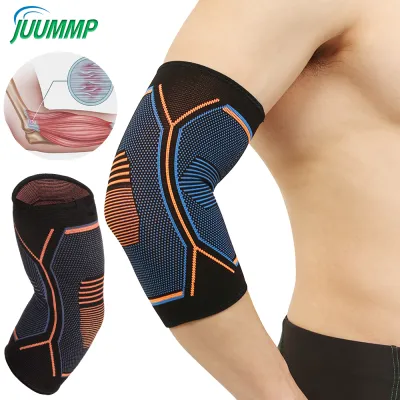
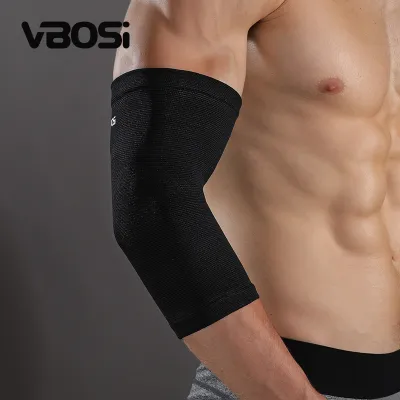
Prices are valid at publication and may change. Please refer to the product page for the latest price.
Slip-on compression sleeves are typically constructed from elastic knit fabrics or neoprene. They slide directly over your arm, providing uniform compression around the entire elbow joint. This compression helps increase local blood flow, keeps the joint warm, and enhances proprioception—your body’s awareness of joint positioning during movement. Sleeves are highly favored for general fitness, high-rep training, and exercises that require a fluid, unrestricted range of motion.
Beyond physical stabilization, compression sleeves offer a psychological benefit known as enhanced proprioception. When the material snugly wraps around your joint, it stimulates sensory receptors in your skin. This increased sensory feedback helps you better perceive the position and movement of your elbow, allowing you to maintain better control over your lifting path. For many lifters, this subtle feedback is enough to improve confidence during challenging sets without mechanical restriction.
Adjustable strap-based braces, on the other hand, utilize hook-and-loop straps, reinforcement bands, or even rigid inserts to deliver targeted pressure. Instead of relying solely on material elasticity, a brace allows you to manually tighten specific areas, such as the upper forearm or the immediate joint crease. This design is engineered to limit lateral joint movement, offload tension from tendon insertion points, and provide high-level mechanical stabilization.
When deciding between the two, consider your primary training goals and any existing joint feedback. If your routine consists of varied functional fitness, moderate lifting, or dynamic movements, a compression sleeve offers the flexibility and warmth needed to keep your joints comfortable. If you are focusing on near-maximal lifts, recovering from localized tendon strain, or requiring strict joint tracking, an adjustable brace provides the structural reinforcement necessary to keep the joint secure.
Always check the manufacturer’s guidelines regarding the intended use of their products. Some heavy-duty braces are designed strictly for static lifting and can cause discomfort or restricted circulation if worn during high-cardio or high-repetition training. Conversely, lightweight sleeves may not offer sufficient mechanical resistance if you are attempting heavy powerlifting movements.
Matching Elbow Support to Specific Gym Exercises
Your workout programming should dictate the level of elbow support you wear on any given day. Different exercises place unique mechanical demands on the elbow joint, meaning a support system that works perfectly for overhead pressing might hinder your performance during bodyweight calisthenics.

For heavy pressing movements, such as the bench press, overhead shoulder press, or dumbbell incline press, the elbow joint acts as a primary hinge under significant load. During these lifts, maintaining a consistent path of motion is critical to preventing joint shearing. A thicker neoprene sleeve or a reinforced strap brace can help guide the joint through its natural tracking path, reducing lateral wobble and giving you a more stable platform to push from.
Overhead movements, such as the military press, dumbbell shoulder press, or overhead tricep extensions, place the elbow joint in a vulnerable, fully extended position under load. In these positions, any lateral instability can lead to joint discomfort or micro-trauma over time. Utilizing a supportive sleeve during overhead work helps keep the joint warm and aligned, reducing the micro-oscillations that occur when your muscles begin to fatigue near the end of a set.
Conversely, heavy pulling movements like deadlifts, barbell rows, and weighted pull-ups place a different kind of stress on the elbow, primarily targeting the tendons where the forearm muscles attach. If you experience strain during pulling movements, an adjustable brace with a targeted compression strap can help distribute the load away from the tendon insertions. However, ensure the support does not interfere with your grip or restrict your forearm muscles from contracting fully.
For dynamic exercises, functional fitness, and calisthenics—such as push-ups, dips, or muscle-ups—mobility is your primary concern. A thick, rigid brace will likely restrict your ability to achieve a full range of motion, which can compromise your lifting form elsewhere in the kinetic chain. For these activities, a lightweight, highly flexible knit compression sleeve is more appropriate, as it provides joint warmth and sensory feedback without locking your arm in place.
It is vital to remember that supportive equipment is an aid, not a replacement for fundamental training principles. Wearing an elbow sleeve or brace does not compensate for poor lifting form, excessive weight progression, or a lack of a proper warm-up. Use these supports to complement a structured training program, ensuring you still dedicate time to mobility work and progressive strength building.
Material, Fit, and Comfort Checks
The tropical climate of the Philippines introduces unique challenges when wearing tight, supportive gear for extended periods. High humidity and sweat accumulation can quickly lead to skin chafing, slipping, or material degradation if you do not select the right fabric blend and fit.
Neoprene is a popular material choice for heavy-duty elbow sleeves due to its excellent thermal retention and structural density. It keeps the joint highly warm, which is beneficial for lubricating the joint space during heavy lifting. However, neoprene does not breathe well, meaning sweat will accumulate rapidly underneath the sleeve. If you train in non-airconditioned gyms, you may find neoprene sleeves hot and prone to slipping once sweat builds up.
Odor management is another critical factor to consider in the Philippines’ warm climate. Neoprene tends to trap sweat and bacteria, which can lead to a persistent, unpleasant smell if not washed frequently. Knit fabrics, while still requiring regular cleaning, generally allow for better airflow, which helps prevent bacteria from multiplying as rapidly. If you choose neoprene, be prepared to wash your sleeves more frequently to maintain hygiene and prevent skin irritation.
Breathable synthetic blends, such as nylon, polyester, and spandex knits, offer superior moisture management. These materials wick sweat away from the skin and dry quickly, making them highly suitable for long, humid training sessions. While they may not offer the extreme structural stiffness of thick neoprene, they provide consistent, comfortable compression without causing your skin to overheat or itch.
To ensure your elbow support performs as intended, you must measure your arm accurately according to the specific brand’s sizing chart. Do not rely on your standard t-shirt or apparel size, as joint dimensions vary greatly. Use a flexible measuring tape to measure the circumference of your elbow joint—usually with the arm slightly bent at a 30-degree angle—or measure a few inches above and below the joint as specified by the manufacturer.
Once you receive your elbow support, perform a few physical checks to verify the fit before starting a heavy workout. Bend and straighten your arm fully several times; the material should not pinch excessively in the elbow crease or slide down your forearm. Pay close attention to your fingers and hand—any signs of numbness, tingling, coldness, or skin discoloration indicate that the support is too tight and is restricting your circulation, requiring immediate removal or adjustment.
Building Your Elbow Support Shortlist
When you are ready to purchase, creating a structured evaluation framework will help you compare options across local sports shops and online marketplaces in the Philippines. Focusing on specific construction details ensures you invest in gear that survives the rigors of daily gym use, with options ranging from budget-friendly sleeves around ₱300 to premium, heavy-duty braces exceeding ₱2,000.
Begin by comparing key product specifications:
- Material Thickness: Look for thickness ratings, typically measured in millimeters (mm). A 3mm sleeve is ideal for light support and high mobility, 5mm offers a balanced middle ground for general weightlifting, and 7mm provides maximum stiffness for heavy powerlifting.
- Closure Type: Decide between slip-on designs for seamless comfort or hook-and-loop strap closures for adjustable tension.
- Seam Construction: Inspect the stitching. Flatlock seams lie flat against the skin, significantly reducing the risk of friction burns and chafing during repetitive movements.
- Washability: Ensure the material can withstand regular washing, as sweat and bacteria buildup in tropical climates can quickly cause unpleasant odors.
When shopping on e-commerce platforms, verify the seller’s return and exchange policies before finalizing your order. Because precise sizing is critical for both safety and effectiveness, you want the flexibility to exchange the product if the initial fit is too loose or restricts your circulation. Look for listings with clear sizing guarantees and responsive customer service channels.
Finally, prioritize your long-term joint health by recognizing the limits of supportive gear. If you are experiencing persistent, sharp, or worsening joint pain during or after your workouts, do not rely on an elbow sleeve or brace to mask the discomfort so you can keep lifting. Consult a qualified healthcare professional or physical therapist to diagnose the underlying issue and guide your rehabilitation process safely.
Frequently Asked Questions (FAQ)
Can I wear an elbow sleeve all day at the gym?
It is generally not recommended to wear a tight compression elbow sleeve continuously throughout an entire day or even for a multi-hour gym session. Most manufacturers suggest wearing compression gear only during active lifting sets or for the duration of your specific workout, typically limiting continuous wear to one to two hours.
Prolonged compression can restrict natural blood flow and limit the active engagement of the surrounding stabilizing muscles. You should remove the sleeve immediately if you experience physical signs of poor circulation, such as numbness, tingling, cold fingers, or a dull ache. Additionally, taking the sleeve off between heavy working sets allows your skin to breathe, reducing the risk of sweat-induced rashes and chafing in humid conditions.
How do I wash and maintain my elbow support?
To preserve the elasticity, structural integrity, and hygiene of your elbow support, you should wash it regularly using gentle methods. Most manufacturers recommend hand washing the gear in cool or lukewarm water using a mild, liquid detergent. Gently squeeze the soapy water through the material without twisting or wringing it aggressively, which can warp the elastic fibers.
After washing, rinse the support thoroughly and lay it flat or hang it to air dry in a well-ventilated area away from direct, intense sunlight. Never use harsh chemicals, bleach, or fabric softeners, as these substances break down synthetic elastics and degrade the adhesive properties of hook-and-loop closures. Avoid using a mechanical dryer or exposing the gear to high heat, as extreme temperatures will shrink the material and ruin its supportive qualities.
Community discussion
Share your experience or ask a question. Comments are reviewed before publication.