
Finding a realistic budget for a good electric bike in the Philippines depends heavily on your daily route, riding frequency, and safety expectations. While basic models are available at lower price points, a reliable electric bike that can withstand tropical weather, steep flyovers, and daily urban commuting typically requires a more planned investment. For most riders, a budget starting around ₱25,000 serves as the entry point for basic utility, while ₱45,000 to ₱85,000 unlocks the mid-range sweet spot of durability, safety, and performance.
Navigating the local market requires balancing the initial purchase price against long-term reliability. High humidity, sudden downpours, and uneven road surfaces put immense stress on electrical components and frames. Investing in a quality build ensures that your motor, battery, and brakes do not fail prematurely under challenging local conditions. Before riding in heavy traffic or wet weather, ensure you are comfortable handling the extra weight and acceleration of an electric motor; safety equipment and a premium build cannot replace proper training, road awareness, and defensive riding judgment.
Defining Electric Bike Price Tiers
The Philippine electric bike market is broadly divided into three distinct segments, each catering to different user needs, riding distances, and terrain complexities. Understanding these tiers helps you set realistic expectations regarding performance, component lifespan, and safety features before visiting a local shop or browsing online catalogs.
Products mentioned in this guide
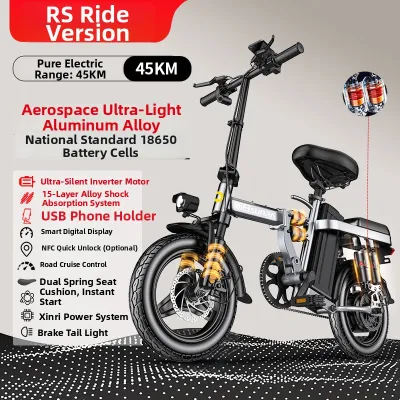
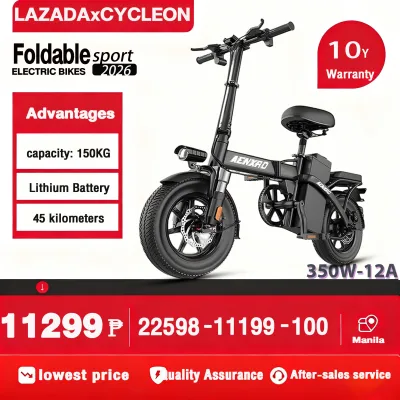
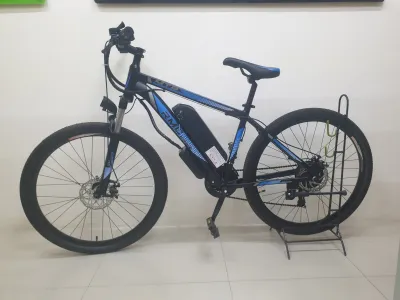
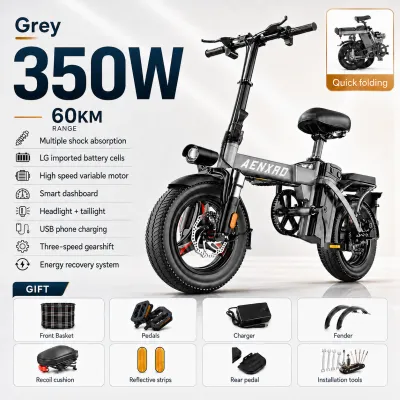
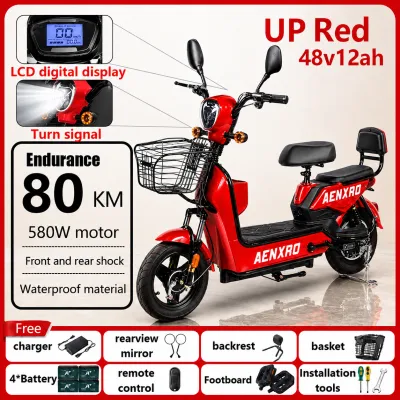
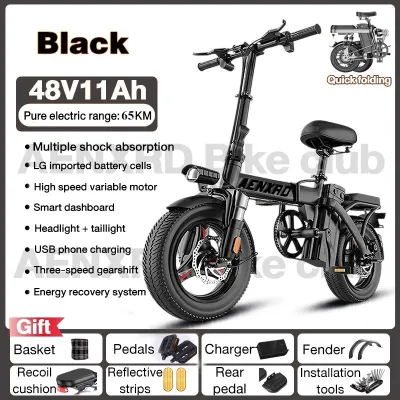
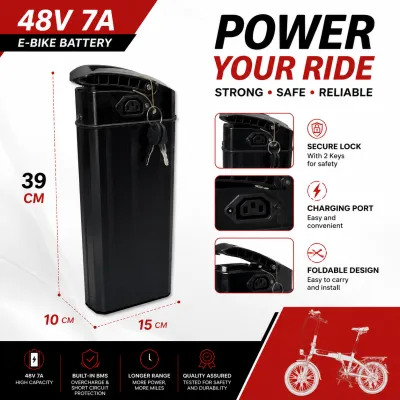
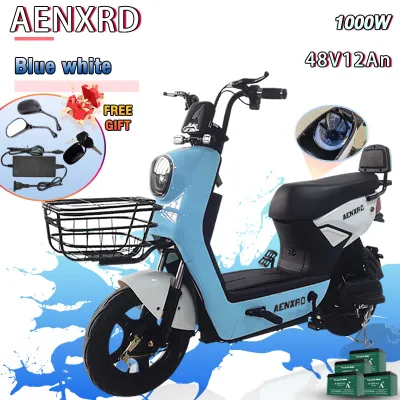
Prices are valid at publication and may change. Please refer to the product page for the latest price.
The entry-level segment, generally ranging from ₱20,000 to ₱35,000, focuses primarily on basic utility and short-distance commuting. These bikes typically feature hub motors, modest battery capacities, and simpler mechanical components. They are best suited for flat, paved roads, neighborhood-level errands, and short trips where high speed or long range is not required.
Moving up to the mid-range segment, which usually spans from ₱40,000 to ₱80,000, introduces significant upgrades in daily reliability and ride quality. In this tier, you can expect larger battery capacities, more efficient motors, hydraulic disc brakes, and branded drivetrain components. These models are built to handle daily multi-kilometer commutes, moderate inclines, and varied weather conditions with greater ease.
The premium segment, starting above ₱90,000, is designed for specialized applications, off-road adventures, or heavy-duty cargo transport. These high-end electric bikes feature advanced mid-drive motors, sophisticated suspension systems, lightweight aluminum frames, and high-capacity battery integration. They offer superior efficiency, refined power delivery, and premium brand-name components throughout.
To accurately identify which tier a bike truly belongs to, look past marketing buzzwords and seller descriptions. Instead, physically inspect the component labels on the motor, battery cells, brakes, and gear shifters. True mid-range and premium models will clearly display reputable manufacturer names on these critical parts, ensuring you get the quality you pay for.
Core Components That Dictate the Price
The overall cost of an electric bike is primarily driven by its specialized electrical and mechanical parts. Understanding how these components affect performance allows you to make an informed decision on where to allocate your budget.

The battery is often the single most expensive component of an electric bike, directly influencing its range, weight, and overall lifespan. Battery capacity is measured in watt-hours (Wh), which determines how much energy the pack can store. Higher-priced bikes utilize premium lithium-ion cells from established manufacturers, which offer more stable power delivery, better heat management in tropical climates, and a higher number of charge cycles before capacity degrades. Always verify the Ingress Protection (IP) rating of the battery casing to ensure it can withstand heavy tropical downpours.
Motor type and power output also play a critical role in pricing. Hub motors, positioned in the front or rear wheel hub, are common in entry-level and mid-range bikes because they are cost-effective and relatively simple to maintain. Mid-drive motors, positioned at the bike’s bottom bracket, are more expensive due to their complex integration with the gears. Mid-drive systems provide superior hill-climbing efficiency, balanced weight distribution, and a more natural pedaling feel, making them highly desirable for hilly routes.
Frame material and construction quality significantly impact the bike’s durability and handling. While steel frames are durable and inexpensive, they add considerable weight to an already heavy electric bike. Aluminum frames offer a lighter, rust-resistant alternative that is highly beneficial in humid coastal areas. When evaluating a frame, inspect the weld joints closely; clean, robust welds indicate a manufacturing process capable of handling the extra stress of motor-driven speeds. Additionally, verify the manufacturer’s specified load capacity to ensure the frame can safely support your body weight and any cargo you plan to carry.
Braking systems are a non-negotiable safety feature that directly scales with price. Because electric bikes are heavier and travel faster than traditional bicycles, they require substantial stopping power. Mechanical disc brakes are standard on entry-level models and require regular manual adjustment. Hydraulic disc brakes, found on mid-range and premium models, use fluid pressure to deliver effortless, highly responsive stopping power, which is crucial for navigating sudden stops in wet weather or chaotic traffic.
Calculating Hidden Costs and Essential Gear
When planning your electric bike budget, it is a mistake to focus solely on the sticker price of the bike itself. Several additional expenses are necessary to ensure your safety, protect your investment, and keep the bike running smoothly over time.
Safety gear should be your first priority when allocating extra funds. A high-quality, certified bicycle helmet is essential for protecting against head injuries at higher electric bike speeds. Additionally, invest in high-visibility clothing or reflective vests for night riding, and purchase a heavy-duty lock to secure your bike when parked in public spaces.
Ongoing maintenance and consumables must also be factored into your long-term budget. Just like traditional bikes, electric bikes require regular replacement of brake pads, tires, and chains, which wear out faster due to the added weight and motor torque. Furthermore, you must anticipate the eventual replacement of the battery pack after several years of regular use, which can represent a significant percentage of the bike’s original cost.
Assembly and shipping fees can vary widely depending on how you purchase your bike. Buying from online marketplaces often requires you to assemble the bike yourself or pay a local mechanic to do it correctly. Purchasing directly from a local physical dealer may have a slightly higher upfront cost, but it usually includes professional assembly, a pre-delivery safety inspection, and a tuned suspension and drivetrain.
Finally, consider the cost of charging and electricity. While charging an electric bike is incredibly cheap compared to buying gasoline for a motorcycle or car, it still adds a minor amount to your monthly utility bill. You can estimate this cost by multiplying your bike’s battery capacity (in kilowatt-hours) by your local electricity provider’s per-kilowatt-hour rate, which typically amounts to only a few pesos per full charge.
Matching Your Budget to Your Riding Needs
To get the most value out of your purchase, you must match your budget to your actual riding environment and physical requirements. Overspending on high-end features you do not need is just as counterproductive as underbuying a bike that cannot handle your daily route.
For flat urban commuting over short to moderate distances, prioritize practical utility features over high-speed performance. Look for a bike equipped with integrated fenders to block muddy water during the rainy season, a sturdy rear rack for carrying bags, and reliable mechanical or hydraulic disc brakes. You can safely save money by opting for a hub motor and a modest battery capacity if your route does not involve steep hills.
If your daily route involves long distances, steep flyovers, or hilly terrain, you should allocate more of your budget to the battery and motor. A higher-capacity battery ensures you will not run out of power mid-journey, while a mid-drive motor or a high-torque hub motor provides the necessary assistance to climb hills without overheating. In these scenarios, cutting corners on motor power can lead to premature motor failure or excessive physical strain.
For casual weekend rides and leisure use, focus on comfort and ease of use. A comfortable saddle, ergonomic grips, and a basic front suspension fork will make your rides much more enjoyable. You do not need to spend extra on premium lightweight frames or complex multi-gear drivetrains if your primary goal is relaxed, recreational riding along park paths or quiet neighborhood streets.
When trying to stay within a strict budget, identify features you can safely compromise on. Advanced digital color displays, smartphone integration, and carbon fiber components are premium extras that do not directly improve the bike’s core safety or reliability. Prioritizing a robust frame, reliable brakes, and a certified battery over high-tech gadgets ensures you get a safer, longer-lasting ride for your money.
Smart Buying Strategies and Red Flags
Navigating the local market requires a cautious approach to ensure you receive a genuine product backed by reliable customer service. Applying smart buying strategies helps protect you from low-quality imitations and deceptive marketing practices.
Always verify the availability of local support before making a purchase. Ensure that the brand you choose has authorized service centers or cooperative bike shops in your area that can source spare parts, service the motor, and diagnose electrical issues. An electric bike with no local technical support can quickly become unusable if a minor electrical fault occurs.
Carefully check the warranty terms provided by the manufacturer or dealer. A reputable electric bike should come with a clear, written warranty covering the frame, motor, and battery for at least one to two years. Be wary of sellers who only offer vague verbal promises or extremely short warranty periods, as this often indicates low-quality components that are prone to early failure.
Learn to spot common red flags when shopping online or in physical stores. Unbranded batteries, missing specification labels, and prices that seem too good to be true for the claimed range and speed are major warning signs. Low-quality lithium-ion batteries pose significant safety risks, including thermal runaway and fire hazards, making it critical to stick to certified, brand-name battery cells.
Whenever possible, insist on a test ride and a thorough physical inspection before handing over your payment. During the test ride, pay close attention to the responsiveness of the brakes, the smoothness of the motor assistance, and any unusual noises or vibrations. Check the frame alignment, ensure all bolts are securely tightened, and verify that the electrical connections are properly sealed against moisture to ensure safe operation in all weather conditions.
Frequently Asked Questions (FAQ)
Is it cheaper to build a DIY electric bike?
While purchasing a conversion kit to build a DIY electric bike can sometimes save money upfront, it requires moderate technical skill and specialized tools. Additionally, DIY builds lack a unified manufacturer warranty, carry higher safety risks regarding battery wiring, and may not offer the same structural integration as a purpose-built electric bike.
How long does an electric bike battery typically last before needing replacement?
A quality electric bike battery typically lasts between 500 to 1,000 full charge cycles before its capacity drops significantly. Depending on how frequently you ride and how well you maintain the battery—such as avoiding extreme heat and keeping it charged between 20% and 80%—this translates to roughly three to five years of regular use.
Are second-hand electric bikes a good way to save money?
Buying a second-hand electric bike can offer substantial savings, but it carries significant risks regarding battery degradation and hidden motor wear. Before purchasing, always request a professional battery health check, inspect the frame for structural damage, and test ride the bike to verify that the motor and brakes function smoothly under load.
Community discussion
Share your experience or ask a question. Comments are reviewed before publication.