
Selecting the right knee heating pad depends entirely on your lifestyle, mobility needs, and how you plan to manage joint discomfort. If you require continuous, high-temperature heat while sitting near a power outlet, a traditional plug-in electric pad is highly effective. For those who prefer a simple, cordless, and natural warmth for quick sessions at home, a microwavable pad filled with heat-retaining materials is an excellent choice. Meanwhile, if you need to move around the house, commute, or recover after outdoor sports, a rechargeable battery-powered pad offers the ultimate portability.
In the Philippines, managing knee discomfort often involves navigating unique daily scenarios. Whether you are dealing with joint stiffness triggered by highly air-conditioned offices, recovering from a weekend basketball or badminton game, or commuting through humid streets, your choice of therapy tool should align with these environments. Balancing heat duration, mobility, and convenience will help you find a solution that fits seamlessly into your daily routine.
Identify Your Primary Knee Therapy Goals
Before comparing different types of heating pads, it is essential to define your specific physical requirements and daily habits. Acute sports recovery, chronic joint stiffness, and on-the-go pain management all demand different heating profiles and levels of mobility. For instance, a runner recovering from a long training session has very different needs compared to an office worker experiencing mild, persistent stiffness from sitting for extended periods.
Products mentioned in this guide
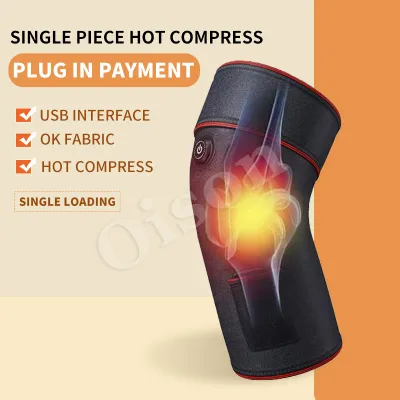
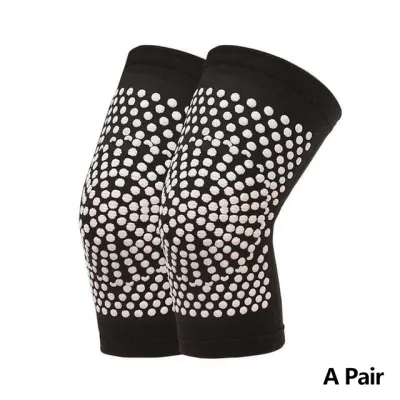
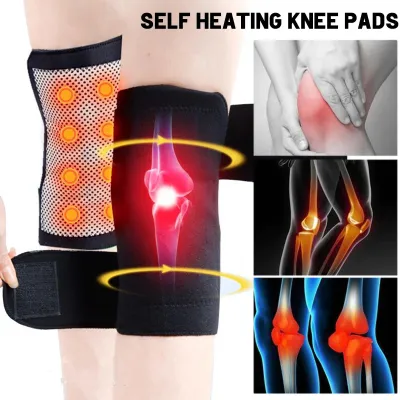
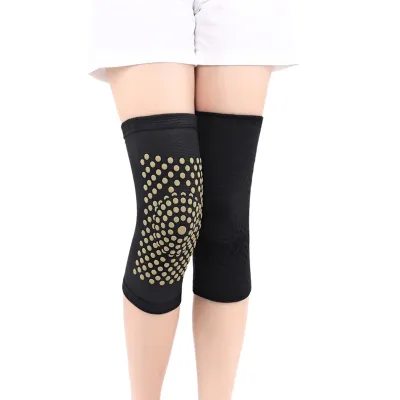
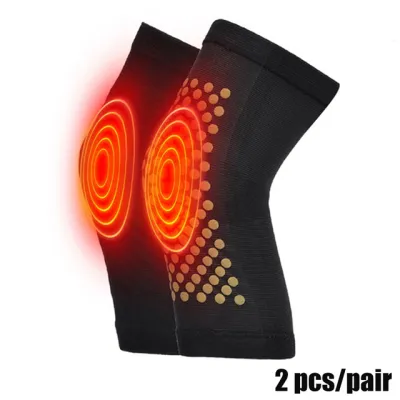
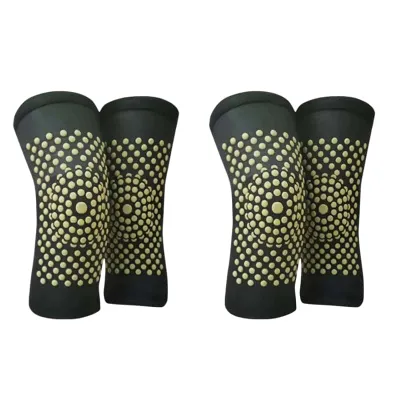
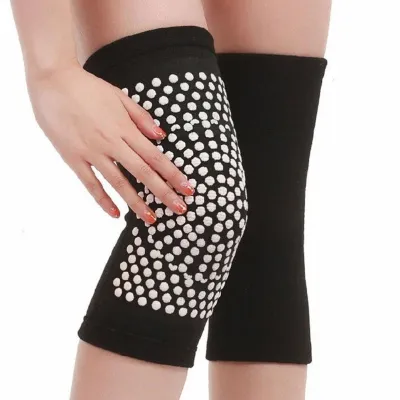
Prices are valid at publication and may change. Please refer to the product page for the latest price.
Your daily routine and environment play a major role in determining which pad is practical. Consider where you will most frequently use the device and whether you have easy access to electrical outlets. In many local households, power outlets may not be conveniently located near your favorite sofa or bed, making a corded device cumbersome. Additionally, think about your tolerance for setup time; some users prefer a simple wrap they can heat in seconds, while others prioritize precise temperature adjustments.
Finally, evaluate your mobility requirements during a therapy session. If you need to perform household chores, care for family members, or work at a desk without being anchored to one spot, a cordless option is virtually mandatory. On the other hand, if you view heat therapy as a dedicated time to rest and unplug, a stationary, corded model may fit your routine perfectly.
Electric Knee Heating Pads: Consistent Heat for Stationary Relief
Electric knee heating pads are designed for users who require long, uninterrupted sessions of heat therapy. Because they plug directly into a standard wall outlet, these pads deliver a continuous flow of warmth that does not fade over time. This makes them highly suitable for managing chronic joint stiffness, recovering after a long day of physical activity, or undergoing structured physical therapy routines at home.

When evaluating electric models on local ecommerce platforms, pay close attention to the available temperature settings and safety features. Look for pads that offer multiple heat levels, allowing you to adjust the warmth based on your comfort and skin sensitivity. An auto-shutoff timer is another critical feature to verify, as it prevents the device from running indefinitely if you happen to fall asleep during a session. Additionally, check the cord length specified by the manufacturer to ensure it can comfortably reach your preferred seating arrangement without creating a tripping hazard.
The primary limitation of electric knee heating pads is their lack of mobility. Being tethered to a wall outlet means you must remain seated or lying down for the duration of your therapy. This restriction makes them impractical for active use, commuting, or traveling. If you choose an electric model, you are committing to stationary recovery sessions, which may require adjusting your daily schedule to accommodate dedicated rest periods.
Microwavable Knee Heating Pads: Quick, Cordless Comfort
Microwavable knee heating pads offer a simple, non-electronic alternative for users seeking immediate, cordless warmth. These wraps are typically filled with natural materials like clay beads, flaxseed, or grains that absorb and retain heat when placed in a microwave. They are ideal for quick relief from joint stiffness, soothing muscles before bedtime, or for individuals who prefer to avoid electronic components and batteries altogether.
When choosing a microwavable pad, the internal filling material is a key factor to consider. In the humid climate of the Philippines, moisture-resistant fillings like clay beads are often easier to maintain than organic grains, which can attract pests or develop mold if stored in damp conditions. It is also wise to check if the pad features a removable, washable cover. Since the wrap will be in direct contact with your skin, being able to wash the outer fabric helps maintain hygiene and prevents the buildup of sweat and oils.
The main drawback of microwavable pads is that the heat dissipates gradually, usually lasting between 15 to 30 minutes. If you require an extended therapy session, you will need to repeatedly return to the microwave to reheat the pad. Furthermore, temperature control is entirely manual and less precise than electronic models. You must carefully monitor the heating time in your microwave to prevent the pad from becoming too hot, which could cause skin irritation or damage the internal filling.
Rechargeable Knee Heating Pads: Portable Heat for Active Lifestyles
Rechargeable knee heating pads are engineered for maximum mobility, making them the go-to choice for active individuals and frequent travelers. Powered by lightweight, rechargeable lithium-ion batteries, these wraps allow you to enjoy heat therapy while walking, working, or commuting. They are particularly useful for athletes who want to apply gentle warmth to their knees immediately after a workout or during a commute home from the sports complex.
When shopping for a rechargeable model, battery life per charge and heating speed are the most important specifications to verify. A reliable battery should provide enough power for multiple standard sessions before needing a recharge. Additionally, examine the design of the straps; secure, adjustable hook-and-loop fasteners are essential to keep the heating elements properly aligned with your patella while you are in motion. Some models also offer dual heating and vibration features, which can be verified through product descriptions on online marketplaces.
Despite their convenience, rechargeable pads do have a few limitations. They require regular charging, meaning you must plan ahead to ensure the battery is ready when you need it. They also tend to carry a higher initial price tag compared to simple microwavable wraps, with quality models often starting around ₱1,500 or more. Over time, like all battery-operated devices, the battery capacity will gradually degrade, which may eventually shorten the runtime of your sessions.
Decision Checklist: Matching the Pad to Your Routine
To finalize your choice, it helps to compare these three options across key practical dimensions. Use this conditional framework to match a knee heating pad to your specific lifestyle and physical needs:
- Choose an Electric Pad if: You require hours of continuous, high-temperature heat, prefer precise digital temperature controls, and plan to use the device while resting near a power outlet.
- Choose a Microwavable Pad if: You want a simple, budget-friendly, and cordless option for short sessions, prefer natural filling materials, and want a wrap that can also be chilled in the freezer for cold therapy.
- Choose a Rechargeable Pad if: You need complete freedom of movement, want to manage joint stiffness during your daily commute or at an office desk, and do not mind managing battery charging cycles.
Beyond the heating mechanism, always verify the physical dimensions and strap design of the pad before purchasing. A proper fit is crucial for effective heat transfer; a wrap that is too loose will lose heat to the surrounding air, while one that is too tight may restrict circulation. Look for adjustable straps that allow you to customize the compression around your knee joint, ensuring the heating elements remain in direct, comfortable contact with your skin.
Safe Usage and Care Guidelines
Using a knee heating pad safely is critical to prevent skin damage and prolong the lifespan of your device. Always adhere to the manufacturer’s recommended time limits, which typically range from 15 to 20 minutes per session. Applying heat for too long or at excessively high temperatures can lead to low-temperature burns, which can occur without immediate pain or discomfort.
It is equally important to recognize when heat therapy should be avoided. Do not apply heat to acute injuries, sudden swelling, or open wounds, as warmth increases blood flow and can worsen inflammation. If you have recently sprained your knee during a sports activity, cold therapy is generally more appropriate during the initial recovery phase. Always consult a healthcare professional for severe, persistent, or undiagnosed knee pain before starting any heat therapy routine.
Proper maintenance will ensure your heating pad remains safe and functional for years. For electric and rechargeable models, never submerge the electrical components, cords, or battery packs in water; instead, follow the manufacturer’s instructions for spot cleaning the fabric. If you are using a microwavable pad, ensure it is completely dry before heating, and store it in a cool, dry place to prevent moisture buildup and preserve the integrity of the internal filling.
Frequently Asked Questions (FAQ)
Can I use a knee heating pad while sleeping?
No, it is not safe to use a knee heating pad while sleeping. Sleeping reduces your awareness of temperature changes, significantly increasing the risk of low-temperature burns or skin irritation from prolonged heat exposure. If you plan to use an electric or rechargeable heating pad near bedtime, ensure the device has an active auto-shutoff feature that automatically turns off the heat after a set period, preventing prolonged exposure if you happen to drift off.
Is heat therapy suitable for all types of knee pain?
Heat therapy is primarily intended for chronic joint stiffness, muscle relaxation, and improving circulation in stiff or aching joints. It is not suitable for acute injuries, sudden swelling, or active inflammation, such as a freshly sprained ligament or a bruised knee. In those situations, applying heat can increase swelling and worsen the injury. For acute pain or sudden swelling, cold therapy is typically recommended, and you should consult a medical professional for an accurate diagnosis.
Community discussion
Share your experience or ask a question. Comments are reviewed before publication.