
Finding the correct electric scooter belt is essential for maintaining smooth power transfer and preventing sudden breakdowns during your daily commute. To identify the right fit, you must match four critical dimensions: pitch, width, length, and tooth count. Using an incorrect belt can lead to rapid wear, motor strain, or immediate failure on the road. If you are riding in hot, humid tropical climates, keeping your belt in top condition is even more critical, as moisture, road debris, and intense heat can accelerate rubber degradation.
Key Specifications to Check for Your Electric Scooter Belt
When shopping for a replacement electric scooter belt, you must look beyond the brand of your scooter and focus entirely on the physical dimensions of the belt itself. Pulleys and belts are engineered to work as a highly precise system, meaning even a single millimeter of variance can cause mechanical issues.
- Pitch and Tooth Profile: The pitch refers to the distance between the center of one tooth to the center of the next. Common metric pitches for electric scooters include 3M, 5M, and 8M, where the number represents the millimeter spacing. The tooth profile—the actual curved or squared shape of the teeth—must also match your pulleys perfectly to prevent slipping.
- Belt Length (Pitch Length): This is the total circumference of the belt measured in millimeters along its pitch line. The length dictates the exact physical distance between the motor pulley and the drive wheel pulley. If the belt is too long, it will slip; if it is too short, you will not be able to mount it, or it will put destructive tension on the motor bearings.
- Belt Width: Measured laterally, the width determines how much surface area contacts the pulley. The belt must fit comfortably within the pulley flanges without rubbing against the sides of the scooter's drive system, deck, or protective guards.
- Tooth Count: The total number of teeth on the belt is directly tied to the pitch and overall length. For example, a 500mm belt with a 5mm pitch will always have exactly 100 teeth.
- Low-Impact Parameters: It is helpful to know that cosmetic attributes do not affect mechanical compatibility. The color of the rubber, the manufacturer's logo, or the specific brand name printed on the backing have no bearing on how the belt performs. Focus strictly on the exact physical measurements.
How to Read and Decode Electric Scooter Belt Numbers
Most manufacturers print the exact specifications directly on the belt itself, making it easy to find a replacement if the text is still legible. These markings are typically located on the flat, non-toothed outer backing of the belt.
Products mentioned in this guide
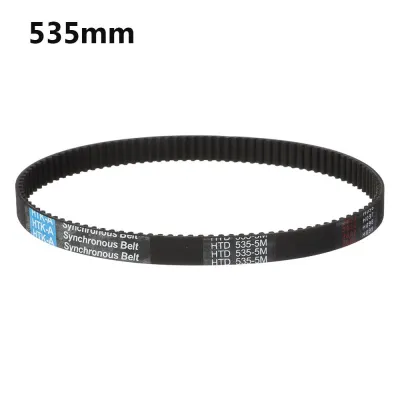
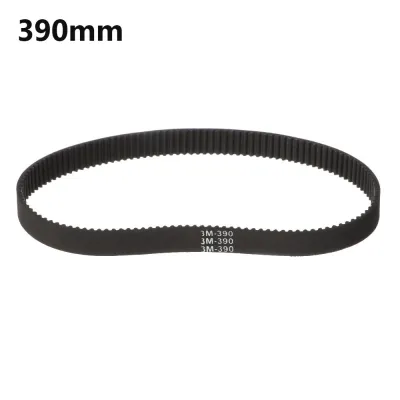
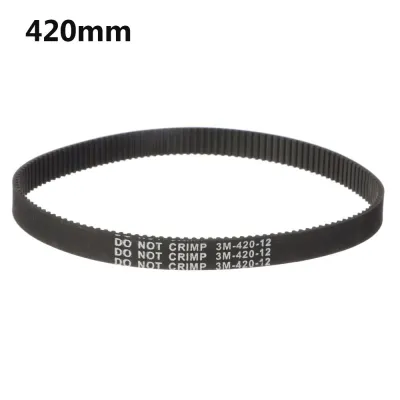
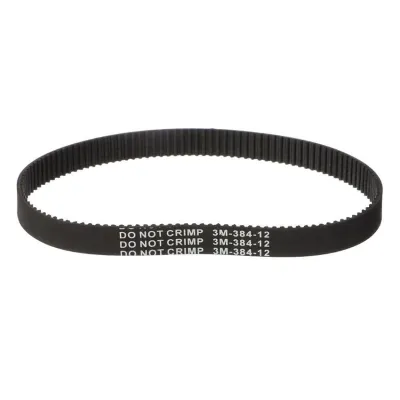
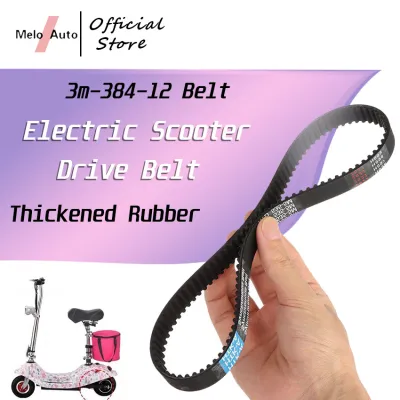
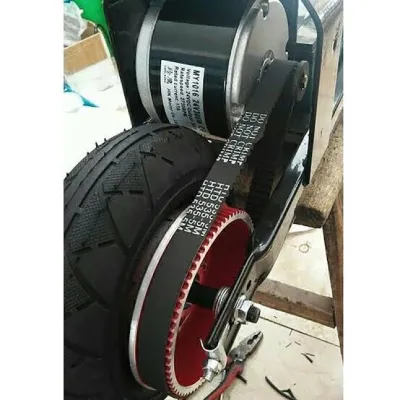
Prices are valid at publication and may change. Please refer to the product page for the latest price.

Most electric scooter belts use a standard metric code. For example, if you see “5M-600-15” printed on your belt, it translates to a 5mm pitch (5M), a total pitch length of 600mm (600), and a width of 15mm (15). In the Philippines, replacement belts are relatively affordable, typically ranging from ₱200 to ₱800 depending on the material and brand, making it a low-cost repair that saves you from expensive motor damage.
The vast majority of modern electric scooters utilize metric profiles like HTD (High Torque Drive) or STS (Super Torque Sync). However, some older models or specific specialty scooters might feature imperial profiles such as MXL or XL. Ensure you do not mix these up, as metric and imperial tooth designs are fundamentally incompatible.
Never attempt to purchase a belt based on visual appearance alone. A belt that “looks close” might actually have a slightly different pitch or profile. Under the high torque generated by an electric scooter motor, even a fraction of a millimeter of mismatch will rapidly strip the teeth off the belt or damage your aluminum pulleys.
If the printed code on your belt has worn off due to friction or age, do not panic. You can still determine the correct size by physically measuring the belt or checking your scooter’s official user manual.
Step-by-Step Guide to Measuring and Matching Your Belt
If your original belt snapped or the printed text is completely illegible, you can manually calculate the specifications. Before performing any measurements or maintenance, always refer to your scooter manufacturer’s official instructions and safety guidelines to avoid damaging your ride or voiding your warranty.
- Counting the Teeth: First, count the total number of teeth on the belt. If the belt has snapped, lay it flat on a clean surface and count them one by one. This is the most reliable way to confirm the total length when combined with the pitch measurement.
- Measuring the Pitch: To measure the pitch accurately with standard tools, measure the distance across 10 consecutive teeth from the edge of the first tooth to the edge of the eleventh tooth. Divide this total measurement by 10 to find the exact millimeter pitch. For example, if the distance across 10 teeth is 50mm, your belt has a 5mm pitch.
- Measuring the Width: Use digital calipers to measure the width of the belt. Standard tape measures or rulers lack the precision required for this task, as a difference of just 1mm to 2mm can lead to severe rubbing or slipping.
- Verification and Safety Boundary: Once you have your measurements, verify them against your scooter's parts list or contact the manufacturer's customer support. Keep in mind that if your scooter has been modified with aftermarket pulleys, the original factory specifications in the manual will no longer apply. In this scenario, you must measure your current setup physically to find the correct fit.
Common Belt Profiles and Compatibility Rules
Understanding the mechanical differences between various belt designs will save you from costly purchasing mistakes and potential accidents on the road.
High Torque Drive (HTD) and Super Torque Sync (STS) are two of the most common metric profiles used in electric scooters. Although they might share the same pitch (such as 5mm), they feature different tooth geometries. HTD uses a curvilinear tooth shape, while STS uses a unique offset tooth design for quieter operation. They are not interchangeable; running an STS belt on an HTD pulley will cause immediate slipping and premature wear.
Installing a belt that is slightly too long or has a marginally different profile leads to severe tension issues. The belt will slip under acceleration, shear its teeth during sudden braking, and place unnecessary strain on the scooter’s motor and battery.
If you find that your scooter’s original belt profile is discontinued or highly difficult to source in local shops, the safest option is to replace both the belt and the pulleys as a matched set. This ensures perfect mechanical meshing and prevents dangerous slippage while riding in traffic.
Frequently Asked Questions (FAQ)
Can I use a slightly wider or narrower belt if the exact width is unavailable?
No, you must use the exact width specified for your scooter. A narrower belt will not have enough surface area to handle the motor’s torque, leading to premature stretching, slipping, and eventual snapping. Conversely, a wider belt will rub against the motor housing, pulley flanges, or scooter deck. This friction generates extreme heat, slows down your ride, and rapidly degrades the belt material.
How often should I inspect or replace my electric scooter drive belt?
Drive belt lifespan is highly variable and depends on rider weight, terrain, and weather conditions. For riders in tropical environments like the Philippines, high humidity, road dust, and frequent rain can accelerate wear. Instead of relying on a fixed schedule, inspect your belt every 300 to 500 kilometers. Look for visible cracking on the backing, missing or sheared teeth, fraying edges, or noticeable stretching that causes the belt to slip or skip during acceleration. If you observe any of these warning signs, replace the belt immediately to avoid getting stranded.
Community discussion
Share your experience or ask a question. Comments are reviewed before publication.