
Finding an affordable way to beat the daily traffic in Metro Manila or navigate your local neighborhood has led many to consider an entry-level electric scooter bike. With a budget capped at ₱15,000, the promise of effortless, low-cost travel is highly appealing. However, at this price point, the market is flooded with highly optimized marketing claims that often mask serious limitations in build quality, battery life, and safety.
An electric scooter bike under ₱15,000 can be a highly practical purchase, but only if your expectations align with its physical limits. If you need a vehicle for short, flat, dry trips within a subdivision or a quiet barangay, these budget models can offer excellent value. But if you expect them to conquer steep flyovers, carry heavy cargo, or withstand daily commutes in torrential tropical downpours, you are likely setting yourself up for disappointment and a wasted investment.
What to Expect from an Entry-Level Electric Scooter Bike
To make an informed purchase, you must first understand what a ₱15,000 budget actually buys in terms of raw hardware. Most models in this price bracket are equipped with hub motors ranging from 250 watts to 350 watts. While marketing brochures might promise thrilling rides, a motor of this size realistically delivers a top speed of only 20 to 25 kilometers per hour on flat pavement.
Products mentioned in this guide
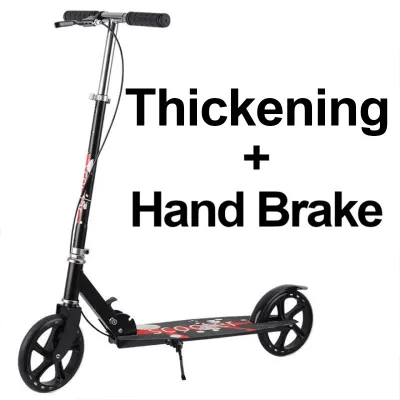
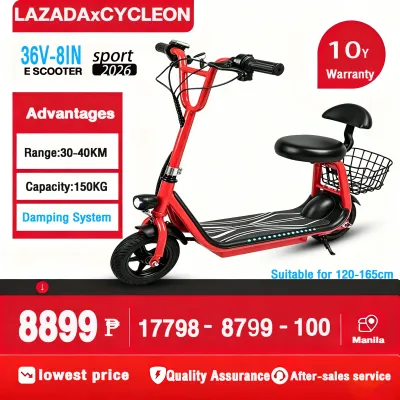
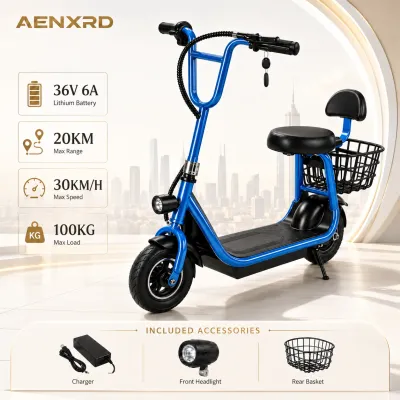
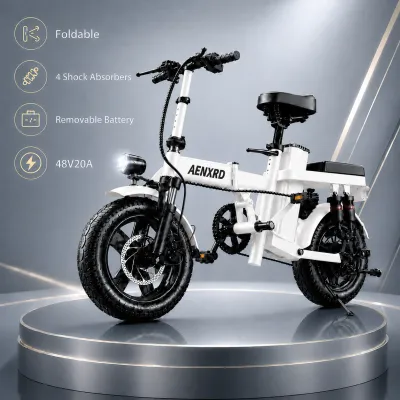
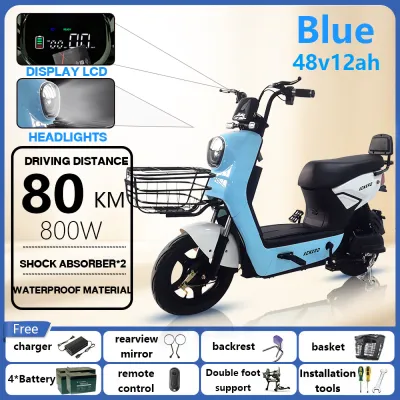
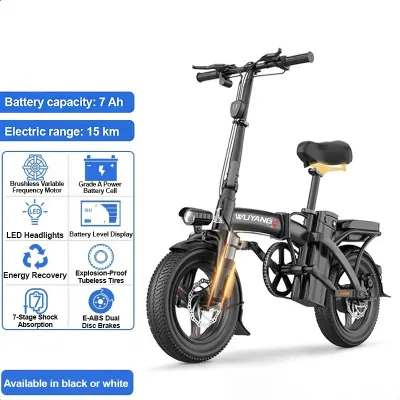
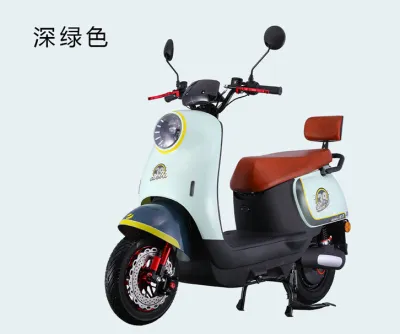
Prices are valid at publication and may change. Please refer to the product page for the latest price.
Battery capacity is another area where realistic expectations are crucial. Budget e-scooters typically feature batteries ranging from 24 volts to 36 volts, with capacities between 4Ah and 7.5Ah. In real-world conditions—carrying an average adult rider and navigating minor road imperfections—you can expect a practical range of only 10 to 15 kilometers per charge.
Frame construction at this price point involves a clear trade-off between weight and durability. You will primarily find frames made of heavier carbon steel or thin, basic aluminum alloys. These materials generally limit the maximum carrying capacity to 90 or 100 kilograms. It is important to note that as a rider’s weight approaches this upper limit, the scooter’s acceleration, hill-climbing ability, and battery range will degrade significantly.
There is also a notable terminology overlap in online listings that can confuse buyers. A true electric scooter bike typically features a step-through frame, larger wheels (often 12 to 14 inches), a permanent or removable seat, and sometimes functional pedals. This differs from a standard, highly compact “kick-style” foldable e-scooter, which has smaller wheels (8 to 10 inches) and requires the rider to stand. Understanding this distinction is vital, as the larger wheel diameter of a scooter bike generally offers better stability on rough roads.
Ultimately, these technical specifications dictate the vehicle’s primary use case. A sub-₱15,000 electric scooter bike is designed for short, flat commutes, running quick errands to the local market, or casual neighborhood riding. It is not built to serve as a primary, long-distance commuter vehicle or a heavy-duty delivery platform.
Non-Negotiable Specs vs. Acceptable Compromises
When shopping with a tight budget, you cannot afford to compromise on safety. You must prioritize essential mechanical components over flashy, non-essential features.

Non-Negotiable Safety Features
- Reliable Braking Systems: Mechanical disc brakes or drum brakes are absolute non-negotiables. Avoid models that rely solely on electronic regenerative braking or a rear fender step-brake. In emergency stopping situations on busy streets, physical, cable-actuated brakes provide the necessary stopping power.
- Physical Specification Labels: Always verify the motor and battery specifications by checking the physical metal plate or sticker engraved on the motor hub and battery casing. Do not rely solely on the written descriptions on online marketplace listings, which are frequently exaggerated.
- Integrated Lighting: Clear, functional front LED headlights and rear red taillights are mandatory for visibility. Even if you only plan to ride during the day, sudden overcast skies or evening errands require active illumination so that larger vehicles can see you.
Acceptable Compromises
- Lack of Dual Suspension: High-quality shock absorbers are expensive. At this price point, a complex suspension system is often poorly made and prone to breaking. It is better to accept a rigid frame and rely on wider, air-filled (pneumatic) tires to absorb minor road vibrations.
- Basic Displays: A simple, monochrome LED screen that shows only your current speed and battery level is perfectly acceptable. You do not need a high-resolution color display or Bluetooth smartphone integration to get from point A to point B.
- Slower Charging Times: Expect standard charging times of 6 to 8 hours. Fast-charging technology requires sophisticated battery management systems that are absent in budget models.
Another critical trade-off involves the folding mechanism. Many budget kick-scooters feature a folding joint at the base of the steering stem. At the ₱15,000 mark, these folding latches are often made of soft alloys that develop play, wobble, or structural fatigue over time. If you do not absolutely need to fold your vehicle to carry it onto public transit, choosing a non-folding, step-through electric scooter bike can provide much higher structural rigidity and long-term safety.
Red Flags and Safety Traps in Budget Models
Navigating the budget market requires a healthy dose of skepticism. Many low-cost models cut corners in areas that directly impact rider safety and product longevity.
One of the most common traps is exaggerated battery capacity. If an online listing claims a range of 40 to 50 kilometers for a scooter that weighs under 15 kilograms and costs less than ₱10,000, the claim is mathematically impossible. A physically small, lightweight battery pack simply cannot hold enough watt-hours to sustain that distance. Purchasing a model based on these fake claims will leave you stranded far earlier than expected.
Tire selection is another critical safety boundary. Solid rubber tires are often marketed as a benefit because they are puncture-proof. However, on wet, slick asphalt or the uneven, polished concrete roads common in many Philippine cities, cheap solid tires offer incredibly poor traction. They also transmit every bump directly to the frame, which can loosen internal electrical connections over time. Conversely, ultra-thin, cheap pneumatic tires are highly vulnerable to punctures from road debris. Always check the manufacturer’s tire recommendations and opt for thick, multi-ply pneumatic tires when possible.
You should also be wary of buying from unbranded sellers on online marketplaces who do not maintain a physical presence or dedicated customer service hub in the country. If your scooter arrives with a defective controller or a dead battery cell, shipping the heavy unit back to an overseas seller is often financially unviable, turning your purchase into an expensive piece of electronic waste.
Finally, pay close attention to the weight of the frame itself. While a lightweight scooter seems convenient, an extremely light frame at a very low price point often indicates thin-walled metal tubing. Under the repetitive stress of riding over potholes and cracked pavement, these thin tubes can crack or snap at critical weld points, leading to catastrophic structural failure while riding.
Hidden Costs and Post-Purchase Realities
The price tag on the screen is rarely the final cost of owning an electric scooter bike. To avoid budget overruns, you must calculate the total cost of ownership before checking out.
First, because these vehicles are heavy and oversized, shipping fees within the Philippines can be substantial, sometimes adding ₱1,000 to ₱3,000 to the final cost depending on your distance from the seller’s warehouse. Additionally, many budget models do not arrive fully assembled. If you do not possess the proper tools or mechanical confidence to align the brakes, tighten the steering column, and mount the wheels, you will need to pay a local bicycle mechanic to complete the assembly safely.
Second, safety gear is a non-negotiable expense that must be factored into your overall budget. You must wear a certified helmet—such as a well-fitted bicycle helmet or a light motorcycle helmet—along with basic knee and elbow pads. Purchasing reliable protective gear will cost an additional ₱1,500 to ₱3,000. You should deduct this amount from your initial ₱15,000 budget, meaning your target price for the scooter itself should actually be closer to ₱12,000.
Third, you must evaluate the local availability of consumable spare parts. Tires, inner tubes, and brake pads are wear-and-tear items that will inevitably need replacement. Before buying a specific model, search online marketplaces to ensure that replacement tubes and brake pads in that exact size are widely available and affordable. If a model uses a highly proprietary battery shape or connector, a battery failure outside the warranty period can cost almost as much as a brand-new scooter, effectively totaling the vehicle.
Lastly, always verify the final checkout screen to ensure that all local taxes, handling fees, and delivery surcharges are clearly detailed before you authorize the payment.
Final Verdict: When to Buy and When to Save Up
Deciding whether a sub-₱15,000 electric scooter bike is a smart purchase or a waste of money depends entirely on your specific riding conditions, physical size, and daily route.
When It Is Worth It An entry-level model is a highly practical and cost-effective choice if you meet the following criteria:
- Your daily round-trip distance is under 8 kilometers.
- Your route consists of flat, well-paved roads or designated bike lanes with minimal inclines.
- The rider's weight is well below the maximum limit (ideally under 80 kilograms).
- You only plan to ride in dry weather conditions and have a safe, dry space to store and charge the vehicle.
- You are using the scooter for casual neighborhood errands, subdivision transit, or last-mile commuting.
When It Is a Waste of Money You should avoid these budget models and save your money if your situation involves:
- Riding on steep hills, flyovers, or elevated bridges, which will quickly overheat and damage a 250W or 350W motor.
- A heavy daily commute of more than 15 kilometers round-trip.
- The need to carry heavy groceries, cargo, or a second passenger.
- Riding frequently during the rainy season or through areas prone to flooding.
If your daily needs fall into the latter category, purchasing a sub-₱15,000 scooter is a financial risk. The vehicle will likely suffer premature motor or battery failure under heavy stress. In this scenario, the wisest decision is to delay your purchase, continue saving, and increase your budget to ₱20,000 or ₱35,000. This higher price bracket grants access to mid-tier models with 500W+ motors, robust water resistance, larger battery capacities, and significantly stronger frames.
Frequently Asked Questions (FAQ)
Are budget electric scooters safe to ride during the rainy season?
Generally, budget electric scooters in this price range are not safe to ride during heavy rain or on flooded streets. Most entry-level models carry basic water resistance ratings, such as IP54, which means they can handle light water splashes from a wet road but are not sealed against continuous heavy downpours or high-pressure water jets.
Riding through puddles is highly dangerous because the battery compartment and sensitive controller wiring are typically located under the deck. If water submerges the deck or splashes into unsealed wire entry points, it can cause an immediate electrical short, permanently ruining the battery or causing a thermal hazard.
If you are caught in a sudden tropical downpour, the safest course of action is to turn off the power, dismount, and walk your scooter to a dry shelter. Avoid riding entirely until the roads have dried and any standing water has cleared.
Do I need a driver's license or registration for an entry-level e-scooter?
Under the current guidelines set by the Land Transportation Office (LTO) in the Philippines, low-speed personal mobility devices with a maximum design speed of under 25 kilometers per hour (typically classified under Category L1a or L1b) do not require formal vehicle registration or a driver’s license.
However, this exemption comes with strict operational limits. These low-speed vehicles are generally restricted to private roads, subdivisions, barangay roads, and designated bicycle lanes. They are strictly prohibited from operating on major national highways, high-speed thoroughfares, and main public roads where the speed limit exceeds 50 kilometers per hour.
Furthermore, even if your scooter does not require a license, you are still legally obligated to follow standard local traffic regulations. This includes wearing a protective helmet at all times, obeying traffic signals, and yielding to pedestrians. Always check with your local government unit (LGU) as some municipalities enforce specific ordinances regarding light electric vehicles.
Community discussion
Share your experience or ask a question. Comments are reviewed before publication.