
Finding a reliable electric scooter under ₱15,000 in the Philippines requires a shift in perspective. At this price point, your primary goal is not high-speed thrills or off-road dominance, but securing a dependable, safe, and efficient tool for daily short-distance travel. Navigating busy urban streets, crowded sidewalks, and unpredictable road conditions demands a vehicle that prioritizes structural integrity and essential safety features over flashy digital extras.
By focusing on verifiable specifications and understanding the physical limits of entry-level engineering, you can avoid common purchasing pitfalls on local e-commerce platforms. A budget of ₱15,000 can indeed buy a practical last-mile commuter, provided you know exactly which compromises are acceptable and which features are absolutely non-negotiable. This guide will help you evaluate budget models critically, ensuring your investment provides safe, daily utility without unexpected mechanical failures.
Setting Realistic Expectations for the ₱15,000 Budget
To make an informed purchase, you must first understand what a ₱15,000 budget realistically delivers in the local market. These entry-level electric scooters are designed almost exclusively for short-distance, last-mile commuting on paved, relatively flat urban surfaces. They serve as excellent tools for bridging the gap between your home, transit stations, and office spaces, but they are not built for long-distance touring or rugged terrain.
Products mentioned in this guide
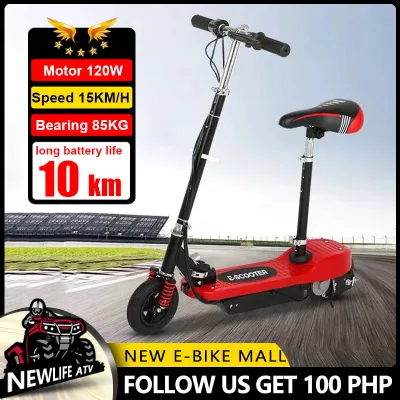
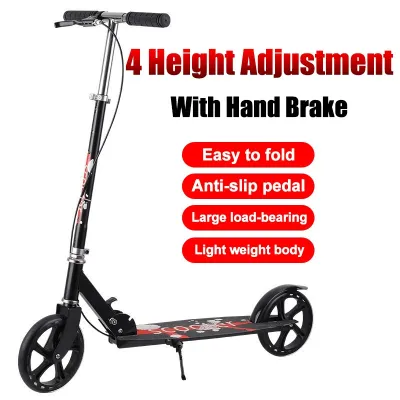
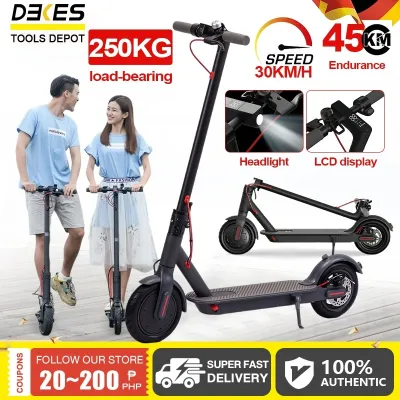
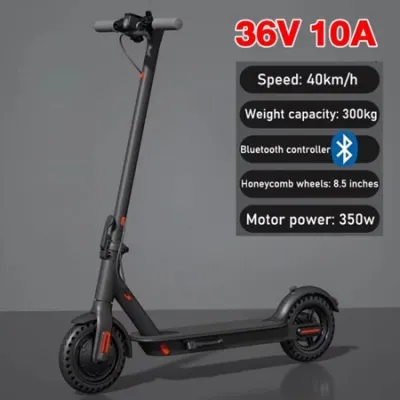
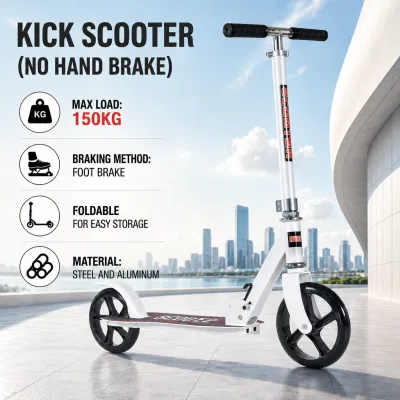
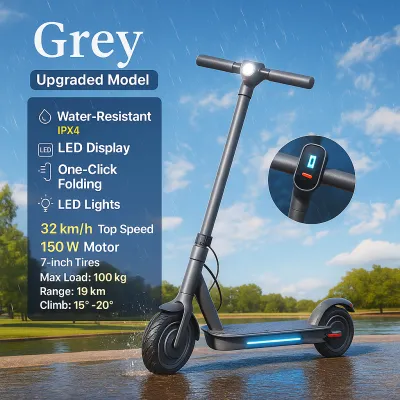
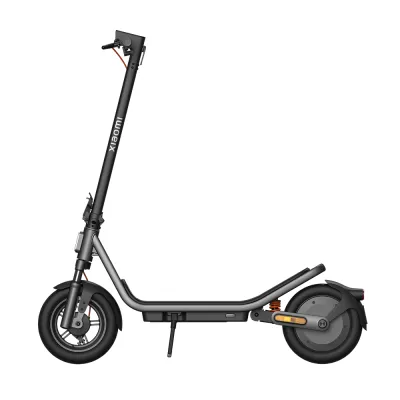
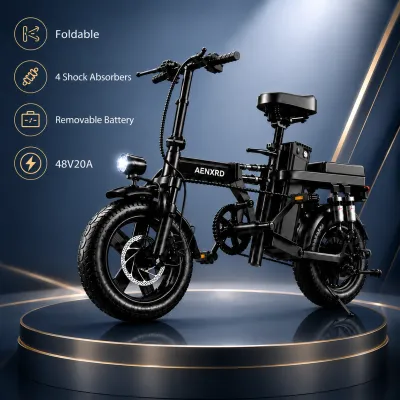
Prices are valid at publication and may change. Please refer to the product page for the latest price.
In this price tier, you should expect modest performance specifications. Motor power typically ranges from 250 to 350 watts of rated power, which is sufficient for maintaining a steady pace on flat ground but will struggle on noticeable inclines. Top speeds generally cap out between 20 and 25 kilometers per hour, a speed that is highly appropriate and safe for crowded metropolitan sidewalks and bike lanes. Real-world battery range will usually hover around 10 to 15 kilometers per charge, depending heavily on rider weight, riding style, and local terrain.
It is equally important to recognize what this budget cannot cover. You will not find advanced dual-suspension systems, high-capacity batteries for long-distance travel, or heavy-duty motors capable of tackling steep flyovers with ease. Furthermore, budget models rarely feature high-level water resistance ratings, meaning they are highly vulnerable to damage from deep puddles or sudden tropical downpours. These scooters are optimized for lightweight to moderate-weight riders who travel short distances on well-maintained paths.
Non-Negotiable Safety Features vs. Acceptable Trade-Offs
When shopping within a strict budget, you must prioritize safety and structural durability over convenience and cosmetic features. The most critical non-negotiable feature is a reliable braking system. Look for models equipped with mechanical disc brakes or drum brakes, which provide physical stopping power even if the electronic braking system fails. A dual-braking setup, combining a hand-operated mechanical brake with an electronic motor brake, offers the safest control in sudden stopping situations.

Structural integrity is another area where you cannot afford to compromise. The folding mechanism must be robust, featuring a secure locking latch that will not accidentally disengage while riding over bumps. The deck should be wide enough to allow a stable stance, and the frame must be constructed from solid materials like aluminum alloy. Additionally, functional front and rear LED lights, along with highly visible side reflectors, are mandatory for safety during early morning or late afternoon commutes when visibility drops.
To stay under the ₱15,000 threshold, you must be willing to accept specific trade-offs that do not impact your physical safety. For instance, you can easily forgo smartphone app connectivity, GPS tracking, and customizable ambient deck lighting. A basic LED display that shows your current speed and battery level is perfectly adequate. You might also choose solid rubber tires over pneumatic (air-filled) ones; while solid tires offer a stiffer, bumpier ride, they eliminate the risk of flat tires, which can be a major convenience on debris-strewn city streets.
Never compromise on the presence of a basic Battery Management System (BMS) or minimum water resistance. Even if a scooter lacks a high IP rating for heavy rain, it should at least possess an IPX4 rating to protect against light splashes. A certified BMS is essential to prevent overcharging, short circuits, and thermal runaway, ensuring the battery remains stable during charging and operation in warm tropical climates.
How to Verify Specifications and Avoid Inflated Claims
Online marketplaces are filled with exaggerated specifications designed to attract budget-conscious buyers. To protect your investment, you must learn to read spec sheets critically. The most common point of confusion is motor power. Manufacturers often advertise “peak power” (which can be 500 watts or more) to make a scooter seem powerful, but the figure that actually dictates your daily performance is the “rated” or continuous power. Always look for the rated power, which should ideally be at least 250 watts to ensure the scooter can carry an adult rider on flat ground.
Battery capacity is another area prone to exaggeration. Advertised maximum ranges are typically calculated under laboratory conditions: a very light rider, riding at the slowest speed setting, on a perfectly flat track, in zero wind. To estimate a more realistic real-world range, look at the battery’s voltage (V) and amp-hour (Ah) ratings. A standard budget battery might be rated at 36V and 6Ah, giving a total capacity of 216 watt-hours (Wh). As a general rule of thumb, you can expect to get roughly 1 kilometer of real-world range for every 15 to 20 watt-hours of battery capacity, depending on your weight and local terrain.
Maximum load capacity is a critical safety metric that you must verify against your own weight. Most budget scooters specify a maximum load limit of 100 kilograms. If you approach or exceed this limit, the motor will work significantly harder, leading to rapid battery drain, sluggish acceleration, and increased wear on the braking system. It is always safer to choose a model where your weight falls well below the maximum rated capacity.
To cut through marketing hype, dedicate time to analyzing user reviews on local e-commerce platforms. Look past the initial five-star ratings and focus on detailed feedback written after several weeks or months of use. Pay close attention to comments regarding real-world battery life, how the frame handles local road vibrations, and whether the seller responds to inquiries when parts need replacement. If multiple reviews complain about loose folding joints or rapid battery degradation, treat those as clear warning signs.
Navigating Hidden Costs and Online Marketplace Traps
Purchasing a budget electric scooter involves costs that extend beyond the initial checkout price. Because electric scooters are heavy and bulky, shipping fees can be substantial, sometimes adding thousands of pesos to your total expense. Always calculate the final landed cost, including shipping and any potential local taxes, to ensure the entire transaction remains strictly under your ₱15,000 budget limit.
Another critical factor is the availability of replacement parts and local warranty support. Budget scooters, especially generic or white-label brands, will eventually require maintenance. Before purchasing, verify if the seller offers a local warranty and if they stock essential replacement parts such as inner tubes, solid tires, brake pads, and compatible chargers. Buying a slightly more expensive model from a seller with a physical service center or a proven track record of supplying spare parts is far wiser than buying a cheaper, unbranded model that becomes useless after a single flat tire or broken lever.
Be highly suspicious of listings that feature extremely low prices paired with vague or missing technical specifications. If a seller cannot provide clear details about the battery brand, motor type, or braking system, it is best to walk away. If your research reveals that no reliable, safe options are currently available within your budget, the smartest decision is to delay your purchase. Saving an additional few thousand pesos to step up to a slightly higher tier can secure a vehicle with certified safety standards, better build quality, and reliable local after-sales support.
Essential Maintenance and Safety Checks for Budget Models
Owning an affordable electric scooter requires a commitment to regular, proactive maintenance to ensure both your safety and the vehicle’s longevity. Before every single ride, perform a quick visual inspection. If your scooter uses pneumatic tires, check the air pressure; riding on underinflated tires increases the risk of pinch flats and reduces your battery range. Test both the mechanical and electronic brakes to ensure they engage smoothly, and double-check that the folding mechanism is completely locked and secured with its safety collar.
When your scooter first arrives, do not assume it is ready to ride straight out of the box. Budget models are mass-produced and shipped long distances, meaning bolts and screws can easily loosen during transit. Use the included hex keys or your own tools to check and tighten every visible fastener, especially around the handlebars, folding stem, and wheel axles. Taking ten minutes to secure these connections before your first ride prevents dangerous mechanical failures on the road.
Safe charging practices are vital for preserving battery health and preventing safety hazards in warm, humid environments. Always use the original charger provided by the manufacturer, as third-party chargers may deliver incorrect voltage and damage the battery cells. Avoid charging the scooter immediately after a ride; let the battery cool down for at least thirty minutes first. Never leave the scooter charging overnight or unattended, and always charge it on a hard, non-flammable surface away from direct sunlight or moisture.
You must also establish clear stop-conditions for your rides. If you notice unusual grinding noises from the motor, a sudden drop in braking efficiency, or if the folding joint begins to wobble despite being locked, stop riding immediately. Most importantly, if the deck feels unusually hot during or after charging, or if you detect any swelling or sweet chemical odors near the battery compartment, disconnect the charger safely, cease all use, and consult a qualified technician immediately.
Frequently Asked Questions (FAQ)
Can an entry-level electric scooter handle steep inclines?
Budget electric scooters generally struggle on steep inclines because their motors typically have lower rated power outputs. While they can easily cruise on flat roads, a steep hill or a highway flyover will cause the motor to slow down significantly, drawing high amounts of current and draining the battery rapidly. Always check the manufacturer’s specified maximum climbing angle, which is usually around 10 to 15 degrees for budget models. If you encounter a steep incline, it is best to assist the scooter by kicking or to dismount and push it manually to prevent the motor from overheating and sustaining permanent damage.
How do I verify the battery safety of an affordable scooter?
Verifying battery safety on an affordable scooter requires looking for specific physical and written indicators. Start by checking the charger and the battery casing for recognized safety certification markings, such as CE, FCC, or RoHS, which indicate the electronics have met basic international safety standards. Ask the seller directly if the scooter features an integrated Battery Management System (BMS) that protects against overcharging, over-discharging, and short circuits. Avoid purchasing any scooter where the battery specifications are completely omitted, or if the seller cannot confirm the presence of basic safety protections, as unbranded lithium-ion batteries pose a higher risk of failure.
Community discussion
Share your experience or ask a question. Comments are reviewed before publication.