
Choosing the right home cardio machine is a significant decision that impacts your daily routine, physical health, and living space. For many fitness enthusiasts in the Philippines, the choice often comes down to two powerful options: the electric stair climber machine and the traditional treadmill. Both machines offer exceptional cardiovascular benefits, but they approach fitness from entirely different angles. While one focuses on vertical resistance and lower-body strength, the other emphasizes horizontal propulsion and natural running mechanics.
To make an informed investment, you must evaluate how each machine interacts with your body, your home environment, and your long-term fitness aspirations. Factors such as ceiling height, joint health, noise levels, and maintenance requirements play a critical role in determining which equipment will become a staple of your daily routine rather than an expensive clothes rack. By comparing these two popular cardio options across key performance and practical categories, you can confidently select the machine that aligns with your lifestyle.
Core Differences in Workout Mechanics and Joint Impact
The fundamental difference between an electric stair climber machine and a treadmill lies in their movement trajectories and how they engage your muscles. A stair climber requires a continuous vertical pushing force. As the steps rotate downward, you must actively lift your body weight to step upward, heavily engaging your glutes, quadriceps, hamstrings, and calves. This vertical movement pattern places a high demand on the posterior chain, making it an excellent tool for building lower-body muscular endurance alongside cardiovascular fitness.
Products mentioned in this guide
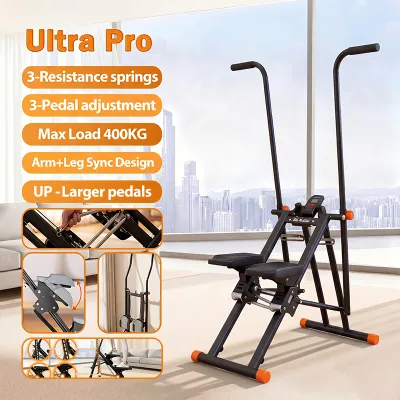
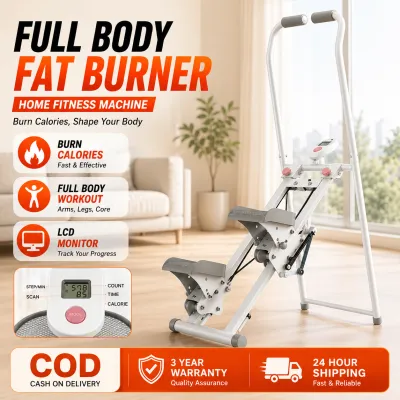
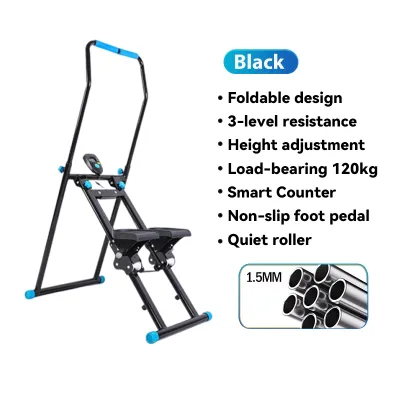
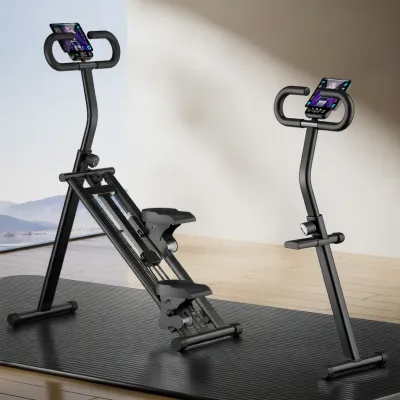
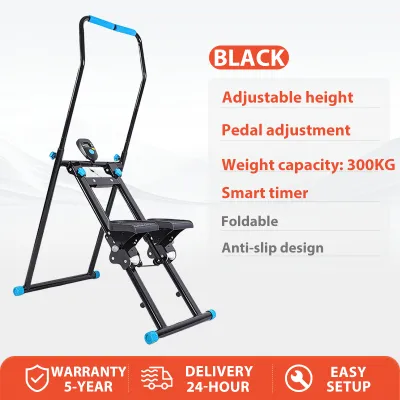
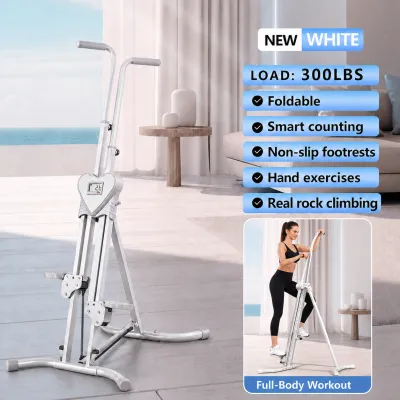
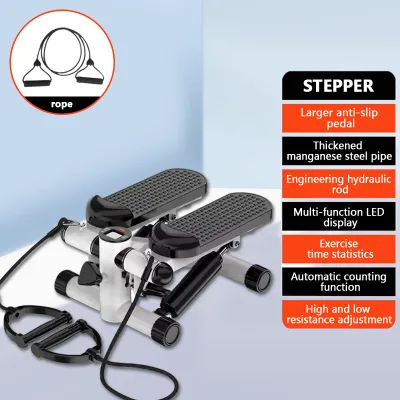
Prices are valid at publication and may change. Please refer to the product page for the latest price.
In contrast, a treadmill utilizes horizontal propulsion. Whether walking or running, your body moves forward across a flat or inclined surface. This movement engages the quadriceps, hamstrings, calves, and core, while also incorporating a natural arm swing that provides a mild upper-body workout. Because the treadmill belt moves beneath you, the mechanical demands differ from outdoor running, but the primary force remains horizontal rather than vertical.
Joint impact is another critical differentiator. Running on a treadmill is a high-impact activity. Each footstrike sends a shockwave up through your ankles, knees, hips, and lower back. While modern treadmills feature cushioned decks to absorb some of this impact, the repetitive pounding can still strain sensitive joints over time. An electric stair climber machine, however, offers a low-impact, closed-chain workout. Your feet remain in constant contact with the steps, eliminating the heavy landing forces associated with running.
Despite being low-impact, the stair climber requires significant knee and hip flexion under load. For individuals with pre-existing joint conditions, such as patellofemoral pain syndrome or hip osteoarthritis, this deep bending motion can sometimes cause discomfort. If you have a history of joint issues, it is essential to consult a healthcare professional or physical therapist before introducing either machine to your routine.
Proper posture is vital on both machines to prevent strain during extended workouts. On a stair climber, users often lean forward and grip the handrails tightly, which transfers the workload away from the legs and strains the lower back. You should maintain an upright torso with a slight, natural forward lean from the hips, using the handrails only for balance. On a treadmill, looking down at the console or your phone can strain your neck and alter your stride. Keep your gaze forward, shoulders relaxed, and arms swinging naturally at your sides.
Space, Setup, and Home Environment Requirements
Before purchasing any heavy fitness equipment, you must carefully assess your home layout, especially when dealing with the unique structural characteristics of Philippine residences. An electric stair climber machine has a relatively compact horizontal footprint compared to a treadmill, making it attractive for smaller rooms. However, its vertical height requirement is substantial. You must calculate your ceiling clearance by adding your height to the maximum step height of the machine, plus an additional safety margin of at least 30 to 50 centimeters. If your home has low ceilings or you are setting up in a basement, a stair climber may not be physically viable.

Treadmills require a longer horizontal footprint to accommodate the running deck and provide a safe clearance zone behind the machine. A standard safety recommendation is to leave at least two meters of clear space behind the treadmill in case of accidental falls. While treadmills do not require as much vertical clearance as stair climbers, they still elevate the user slightly, especially when utilizing high incline settings.
The weight of these machines is another crucial consideration. Both types of equipment are heavy and can place significant stress on residential flooring. In multi-story homes or condominiums, you must verify the floor’s load-bearing capacity. Placing a heavy-duty, high-density anti-vibration mat beneath the machine is highly recommended. This mat protects delicate flooring materials, such as ceramic tiles or laminate wood, and helps dampen structural noise transmission to rooms below.
Noise levels are particularly important for apartment dwellers or those living in close proximity to neighbors. A treadmill generates two types of noise: the continuous hum of the motor and the thumping sound of your feet striking the deck. The latter can easily travel through walls and floors. A stair climber’s noise is primarily mechanical, consisting of motor hum and chain or belt rotation, with minimal footstrike impact. When shopping, check manufacturer specifications for decibel ratings and read user feedback regarding noise levels in residential settings.
Finally, ensure your electrical setup can handle the power demands of these machines. High-draw cardio motors require a stable power supply. It is best practice to plug your machine into a dedicated wall outlet rather than a shared extension cord. Using a high-quality surge protector is also highly advisable in the Philippines to safeguard the sensitive electronic consoles from sudden voltage fluctuations or power surges.
Matching the Machine to Your Fitness Goals
Your choice of equipment should directly support your personal fitness objectives, whether you want to build endurance, burn calories, or train for specific outdoor activities. Both machines are highly effective for cardiovascular conditioning, but they deliver results through different training styles. You can track your progress, heart rate, and estimated calorie burn using the built-in consoles or by syncing the machine with your wearable fitness trackers and smartwatches.
If your goal is high-intensity interval training (HIIT) or simulating outdoor running, the treadmill offers exceptional versatility. You can rapidly adjust speed and incline settings to create dynamic workouts that challenge your aerobic capacity. Treadmills are also ideal for steady-state walking, which is a highly accessible form of low-intensity cardio for beginners or those recovering from illness.
The electric stair climber machine excels at building lower-body muscular endurance and cardiovascular strength simultaneously. Because you are constantly fighting gravity to lift your body weight, the muscular demand is intense even at lower speeds. This makes the stair climber highly efficient for short, intense workouts. You can adjust the resistance and step cadence to vary the intensity, making it a favorite for athletes looking to build leg power or prepare for hiking and climbing.
Overcoming workout monotony is a common challenge with home fitness equipment. Treadmills often feature large screens or media mounts that allow you to stream entertainment or connect to interactive running apps that simulate scenic outdoor routes. Stair climbers also offer media integration, though the vertical movement pattern can make reading or watching screens slightly more challenging due to the natural vertical movement of your head.
Consider the learning curve and coordination required for each machine. Walking or running on a treadmill is a natural movement pattern that most users adapt to quickly, though maintaining balance at high speeds requires focus. A stair climber requires a bit more coordination, especially as you adjust to the continuous rotation of the steps. Beginners should start at slow speeds to master the stepping rhythm before attempting to increase the resistance or step rate.
Budget, Maintenance, and Long-Term Value
Investing in a home cardio machine involves looking beyond the initial purchase price to understand the total cost of ownership. High-quality electric stair climbers and treadmills represent a significant financial commitment, with prices varying widely based on motor power, build quality, and console technology. When budgeting, remember to factor in additional costs such as delivery fees, professional assembly services, and essential accessories like floor mats and specialized lubricants.
Routine maintenance is critical to preserving the lifespan of your machine and ensuring safe operation. For treadmills, this involves regularly checking belt tension, aligning the running belt, vacuuming dust from the motor compartment, and applying silicone lubricant beneath the belt according to the manufacturer’s instructions. Neglecting lubrication can cause friction to build up, leading to premature motor or control board failure.
Stair climbers require a different maintenance routine. You must regularly inspect the drive chains, belts, and step tracks for wear, debris, or misalignment. Wiping down the machine after every workout is especially important in humid tropical climates like the Philippines, as sweat can accumulate in the mechanical joints and lead to corrosion or rust. Always refer to the manufacturer’s manual for specific cleaning and lubrication schedules.
Before making a purchase, carefully verify the warranty coverage. Look for clear terms regarding the frame, motor, electronic parts, and labor. A robust warranty provides peace of mind, especially for complex machines with many moving parts. Be sure to check if the warranty requires professional assembly to remain valid.
Additionally, consider the availability of local service technicians and replacement parts in the Philippines. If a component fails, having access to authorized service centers and readily available spare parts is the difference between a quick repair and a permanently broken machine. Research the brand’s local presence and customer service reputation before finalizing your decision.
Decision Framework: Which Machine Fits Your Home?
To choose the right machine, you must weigh your physical needs, home space, and training preferences against the unique characteristics of each option.
An electric stair climber machine is the ideal choice if you:
- Have limited floor space but ample ceiling clearance.
- Prioritize low-impact workouts that protect your joints from repetitive landing forces.
- Want to focus on lower-body muscle toning, particularly the glutes and thighs, alongside cardiovascular training.
- Prefer shorter, high-intensity workouts that maximize muscular effort.
A treadmill is the better option if you:
- Have sufficient floor space and a safe clearance zone behind the machine.
- Prefer natural walking, jogging, or running mechanics.
- Require high training versatility with a wide range of speed and incline adjustments.
- Enjoy long, steady-state cardio sessions or high-speed interval training.
Neither machine may be suitable if you suffer from severe, unmanaged joint pain, have extremely restricted living space, or lack access to a stable, grounded electrical outlet. If you are recovering from an injury or managing a chronic physical condition, always consult a physical therapist or healthcare provider. They can evaluate your specific movement patterns and help you choose the machine that supports your recovery without risking further strain.
Frequently Asked Questions (FAQ)
Can I use an electric stair climber if I have knee pain?
While an electric stair climber machine is generally a lower-impact option than running on a treadmill, the repetitive deep knee flexion under load can still aggravate certain knee conditions. If you experience knee pain, it is crucial to consult a physiotherapist to identify the underlying cause before using the machine. They can determine if this specific range of motion is safe for your joints. If you do use a stair climber, pay close attention to immediate stop signals such as sharp pain, swelling, or clicking. You can reduce joint strain by adjusting the step depth, maintaining an upright posture, and keeping the resistance at a manageable level.
Do treadmills consume more electricity than stair climbers?
The electricity consumption of a cardio machine depends on its motor size, measured in continuous horsepower (CHP), as well as the user’s weight and the workout intensity, rather than the machine type alone. To compare energy usage, check the manufacturer’s rated wattage or amperage listed on the product label or in the user manual. You can estimate your monthly electricity cost by multiplying the machine’s average wattage by your planned weekly usage hours, then applying your local utility rate. Generally, a treadmill running at high speeds and steep inclines with a larger motor may draw more power than a stair climber operating at a steady, moderate pace, but verifying the specific product labels is the most accurate way to compare.

Community discussion
Share your experience or ask a question. Comments are reviewed before publication.