
Choosing the right home cardio equipment is a significant investment in your health, lifestyle, and living space. The ideal choice depends on your specific fitness goals, the physical layout of your home, and your joint health. While a motorized running deck—often referred to as a tredmil machine electric setup—is excellent for walkers and runners, a spin bike provides high-intensity, low-impact training in a tight footprint, and a rowing machine offers a comprehensive full-body workout. By comparing these three options across physical effectiveness, spatial demands, safety, and long-term value, you can select the machine that keeps you consistent and injury-free.
Workout Effectiveness and Muscle Engagement
To make an informed decision, you must first align each machine’s mechanical output with your personal fitness objectives. An electric treadmill primarily targets the lower body, engaging the quadriceps, hamstrings, calves, and glutes. Because it requires you to support your own body weight, it also promotes bone density, making it highly effective for functional, real-world movement patterns like walking, jogging, and running.
In contrast, a spin bike isolates the lower body in a seated or standing climb position. It heavily recruits the quadriceps and glutes while requiring core stabilization during high-resistance intervals. Because your feet remain clipped or strapped into the pedals, the movement is continuous, allowing you to maintain a high heart rate with minimal upper-body fatigue.
Products mentioned in this guide
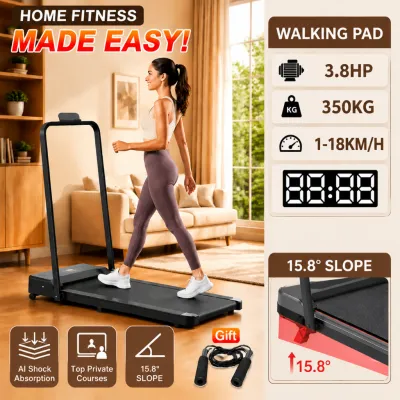
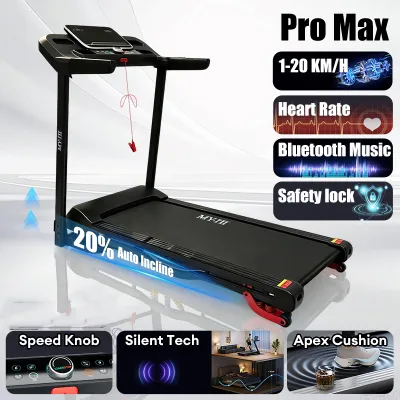
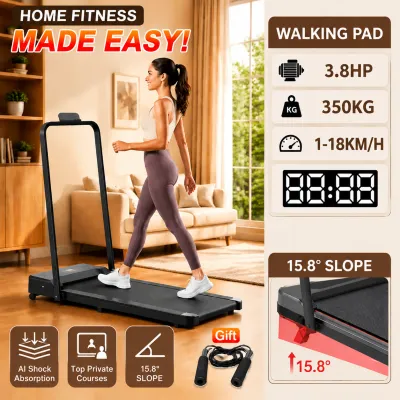
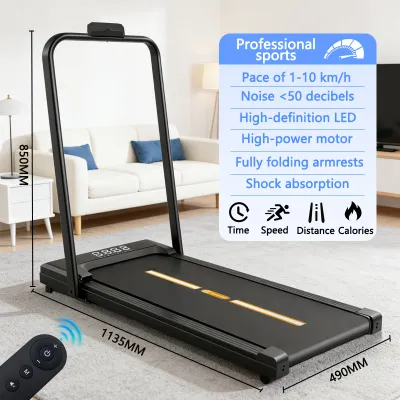
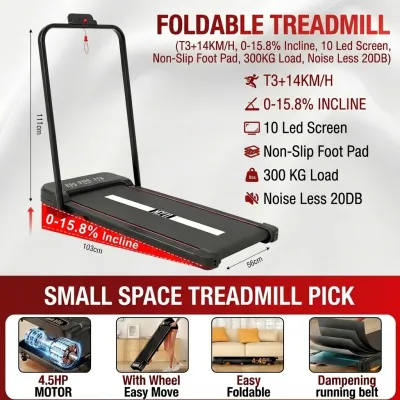
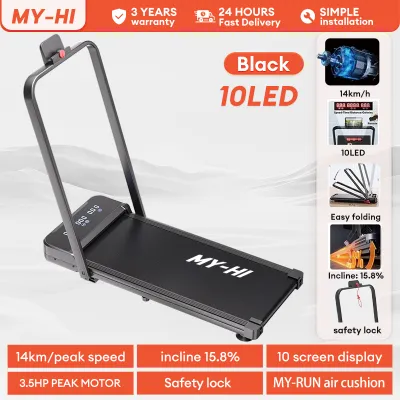
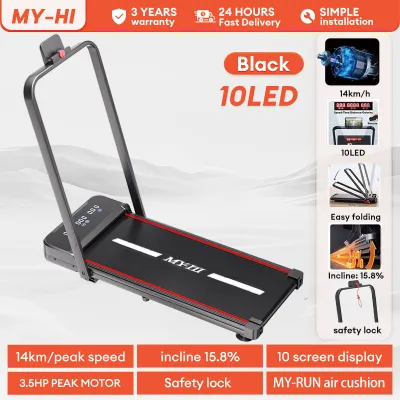
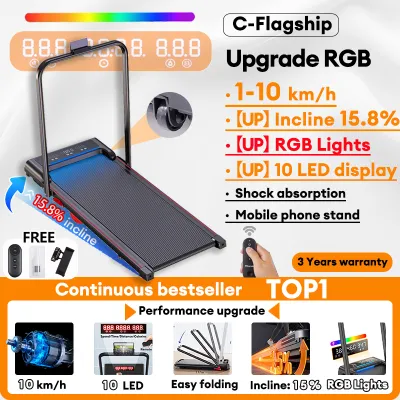
Prices are valid at publication and may change. Please refer to the product page for the latest price.
A rowing machine offers a starkly different training stimulus by engaging roughly 86 percent of your muscles in every stroke. The rowing motion is divided into a leg drive, a core hinge, and an upper-body pull, distributing the workload across your legs, back, shoulders, and arms. This makes the rower an exceptional tool for balanced, full-body conditioning and cardiovascular endurance in a single session.
When comparing specific models, evaluate workout intensity by checking the manufacturer’s technical specifications. For treadmills, look at the maximum incline percentage and built-in speed programs. For spin bikes and rowers, verify the number of resistance levels and whether the system uses magnetic or air resistance. Additionally, always check the maximum user weight capacity and the motor’s continuous horsepower (CHP) rating on electric treadmills to ensure the machine can safely handle your training intensity over long sessions.
Space, Storage, and Noise Constraints
In many households, particularly in high-density urban condominiums or shared apartments, physical space and noise levels are just as important as workout features. An electric treadmill typically demands the largest permanent footprint. Even folding models require significant floor space when in use, and they are often heavy to lift and lock into place.

A spin bike is highly compact, making it the easiest of the three to fit into a small bedroom or living room corner. Most bikes feature transport wheels, allowing you to roll them out of sight when not in use. However, they do not fold, meaning their vertical and horizontal footprint remains constant.
Rowing machines are exceptionally long, requiring a clear path that can accommodate the slide rail. While they take up substantial floor space during a workout, many models are designed to fold in half or stand upright against a wall, reducing their storage footprint to a fraction of their operational size.
Before purchasing, measure your room’s dimensions and account for safe clearance zones. A treadmill requires open space behind the belt in case of slips, as well as vertical clearance to accommodate your height when the deck is fully inclined. Rowers require side clearance to prevent your elbows or the handle from striking nearby furniture.
Acoustic impact is another critical factor for shared living spaces. Motorized treadmills generate both motor hum and foot-strike impact noise, which can easily transfer through floors. Spin bikes and rowers utilizing magnetic resistance operate almost silently, whereas air-resistance rowers produce a steady whirring sound from the flywheel. Always check user manuals or manufacturer specifications for decibel ratings and consider using a thick rubber equipment mat to dampen vibrations.
Joint Impact and Safety Considerations
Your current physical mobility and joint health should heavily influence your choice of cardio equipment. Running on a treadmill is a high-impact activity. Every foot strike sends shockwaves up your ankles, knees, and hips. While this stress helps build bone density, it can exacerbate pre-existing joint pain or arthritis. To mitigate this, inspect product specifications for advanced deck cushioning systems designed to absorb impact.
Spin bikes and rowing machines offer low-impact alternatives because your body weight is supported by a seat. On a spin bike, the smooth, circular pedaling motion protects the joints while still allowing for intense cardiovascular output. To prevent discomfort, verify that the bike offers multi-directional seat and handlebar adjustments to match your body’s proportions.
Rowing is also low-impact, but it demands strict adherence to proper form. The repetitive sliding and pulling motion can place significant strain on the lower back if you round your spine or drive with your lower back instead of your legs. If you have a history of spinal issues or chronic back pain, consult a healthcare professional before committing to a rowing machine. When shopping, look for ergonomic handles and adjustable footplates that support natural ankle flexion.
Evaluating Price and Long-Term Value
Investing in fitness equipment requires a clear understanding of market tiers and potential hidden costs. In the Philippines, cardio machines generally fall into distinct budget categories. Entry-level models focus on basic functionality with manual adjustments and simple LCD monitors. Mid-range options introduce magnetic resistance, sturdier frames, and basic Bluetooth connectivity. Premium machines feature large interactive touchscreens, advanced coaching integration, and highly durable commercial-grade components.
When calculating your budget, look beyond the initial purchase price. Heavy fitness equipment often incurs substantial delivery fees, especially for delivery to upper floors without service elevators. Professional assembly is highly recommended for complex machines like electric treadmills to ensure the belt is properly aligned and the motor housing is secure. Check if the seller offers assembly services and whether they charge an additional fee.
Long-term value depends heavily on durability and maintenance. The tropical climate and high humidity in the Philippines can accelerate rust on steel frames and degrade electronic consoles. Look for machines with powder-coated frames and sweat-resistant displays.
Furthermore, prioritize brands that have authorized local service centers and readily available replacement parts. This is particularly crucial for a tredmil machine electric unit, where the motor, control board, and running belt may eventually require professional servicing or replacement. A long warranty on the motor and frame is a strong indicator of manufacturer confidence.
Final Decision Framework: Which Machine Fits You?
To finalize your decision, match your daily habits, physical needs, and home environment against the unique profiles of these three machines.
Choose an electric treadmill if:
- Your primary fitness goals are walking, jogging, or training for outdoor running events.
- You want to improve bone density through weight-bearing exercise.
- You have dedicated floor space and live on a ground floor or have adequate floor soundproofing.
Choose a spin bike if:
- You need a high-intensity workout that is gentle on your knees and joints.
- Your living space is limited, and you require a machine with a very small footprint.
- You live in a shared apartment or condo where near-silent operation is necessary.
Choose a rowing machine if:
- You want a highly efficient, full-body workout that targets both cardiovascular health and muscle strength.
- You want to improve your posture and strengthen your posterior chain (back, glutes, and hamstrings).
- You have the physical length to accommodate the machine and are committed to learning and maintaining proper rowing form.
Verify first if:
- You have pre-existing joint, knee, or lower back issues; in these cases, consult a physician or physical therapist before purchasing.
- You live in a rental property; check your lease agreement regarding heavy equipment and potential floor damage or noise complaints.
Frequently Asked Questions (FAQ)
Can I use a spin bike or rowing machine without electricity?
Yes, many spin bikes and rowing machines operate completely without an external electrical connection. Manual spin bikes use friction or magnetic resistance adjusted by a physical knob, while air or water rowers rely on your physical effort to generate resistance. If these machines feature a digital console, it is typically powered by standard AA or AAA batteries, giving you the freedom to place the equipment anywhere in your home without worrying about proximity to a wall outlet. This contrasts with an electric treadmill, which requires a dedicated, grounded power outlet to run its motor.
Which machine is best for weight loss?
No single machine is universally superior for weight loss, as losing weight depends on maintaining a consistent caloric deficit and sticking to a regular exercise routine over time. The best machine is the one you enjoy using consistently. When comparing models, look for built-in heart rate monitoring sensors or compatibility with chest straps. Tracking your heart rate allows you to monitor your workout intensity accurately, helping you stay within your target training zones to optimize cardiovascular health and energy expenditure.

Community discussion
Share your experience or ask a question. Comments are reviewed before publication.