
Quick Guide: Balancing Power, Range, and Size
Choosing your first electric unicycle (EUC) requires balancing three core specifications: motor power, battery capacity, and wheel size. Because these elements are deeply interconnected, there is no single “best” configuration. A more powerful motor offers better acceleration but drains the battery faster, while a larger wheel provides superior stability at the expense of portability. Understanding these trade-offs is essential for translating technical numbers into real-world commuting and recreational outcomes.
Selecting the right device depends on your weight, route terrain, and storage limits. By decoding the manufacturer specifications, you can confidently invest in a model that matches your physical environment and riding goals.
Motor Power: Rated vs. Peak Watts Explained
When comparing motor specifications, you will encounter rated (continuous) power and peak power, both measured in watts. Rated power represents the maximum wattage a motor can safely sustain over long periods without overheating. Peak power refers to the maximum output the motor can deliver in short bursts, such as when accelerating rapidly or recovering balance after hitting a pothole. For safety and realistic performance expectations, always base your purchase decision on the rated power.
Products mentioned in this guide
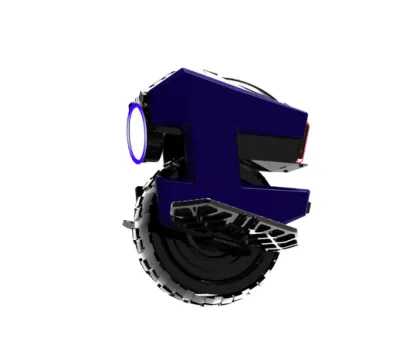
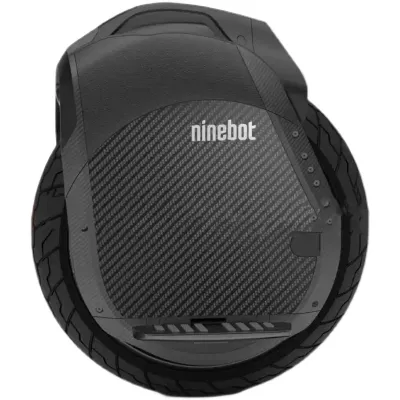
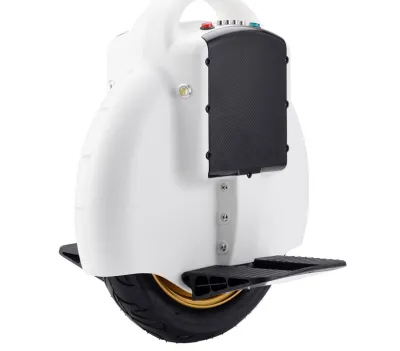
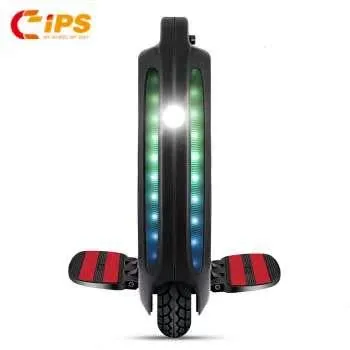
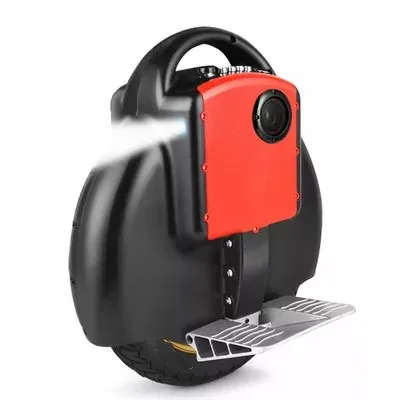
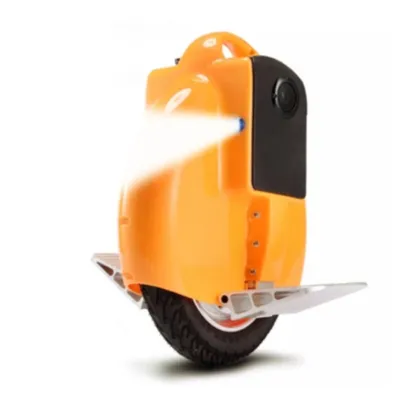

Prices are valid at publication and may change. Please refer to the product page for the latest price.

The rated wattage directly influences how well the electric unicycle handles inclines and heavy rider weights. If you frequently navigate steep ramps, flyovers, or hilly terrain, a motor with insufficient rated power may struggle, overheat, or shut down to protect its internal circuitry. Higher wattage ensures the device has enough torque to maintain a stable speed under load, preventing dangerous cut-outs where the wheel suddenly stops balancing.
For beginners, understanding the general power tiers helps narrow down the options:
- Entry-Level Commuter (500W to 1,000W rated): Ideal for flat city paths, lightweight riders, and moderate speeds.
- Mid-Range Utility (1,000W to 2,000W rated): Offers a versatile balance of hill-climbing capability and acceleration for average-weight riders.
- High-Performance (2,000W+ rated): Designed for experienced riders, steep off-road trails, and high-speed cruising.
Excessive motor power requires advanced body control and quick reflexes. Novice riders should avoid starting on high-performance wheels, as rapid acceleration can lead to a loss of control. Furthermore, higher speeds demand significantly longer braking distances. Always check the manufacturer’s user manual for specific weight and speed safety limits, and ensure you wear certified protective gear on every ride.
Battery Capacity and Real-World Range
Battery specifications are expressed in Watt-hours (Wh) and Voltage (V). Watt-hours measure the total energy capacity of the battery pack, which directly dictates your riding range. Voltage influences the motor’s efficiency, top speed, and responsiveness. A higher-voltage system (such as 84V, 100V, or 126V) allows the motor to draw power more efficiently, providing a more responsive feel and sustaining higher speeds without straining the battery cells.
When reading manufacturer specifications, keep in mind that the advertised range is almost always an estimate based on ideal testing conditions. These tests typically use a lightweight rider traveling at a constant, low speed on flat, smooth pavement in mild weather. In real-world conditions, expect 20% to 40% less range. Stop-and-go city traffic, climbing inclines, carrying heavy backpacks, and riding in windy conditions all drain the battery much faster.
To protect riders from sudden power loss, electric unicycles employ a safety feature known as “tilt-back.” When the battery level drops below a safe threshold, or when the rider approaches the physical speed limit of the motor, the pedals physically tilt backward, forcing the rider to slow down or dismount. Ignoring this warning or pushing past it can cause a complete power cut-out, resulting in an immediate fall. Beginners should plan their routes to ensure they arrive at their destination with at least a 20% battery buffer.
In tropical climates with high humidity and ambient temperatures, battery care is especially important. Extreme heat can accelerate the degradation of lithium-ion cells. Avoid storing or charging your electric unicycle in direct sunlight or in unventilated spaces. After completing a ride, allow the battery to cool down for at least 30 minutes before plugging it into a charger to preserve its long-term health.
Wheel Size: Stability, Speed, and Portability
The overall diameter of the wheel determines how the electric unicycle handles bumps, how agile it feels, and how easy it is to transport when you are not riding. Wheel sizes generally fall into three main diameter tiers:
- Small Wheels (12 to 14 inches): Highly portable, lightweight, and agile. They are easy to store under an office desk but transmit significant road vibrations and are less stable over potholes or debris.
- Medium Wheels (16 to 18 inches): Often considered the sweet spot for beginners, these wheels balance stability and maneuverability. They roll over minor pavement cracks and speed bumps with ease while remaining manageable in weight.
- Large Wheels (20 inches and above): Built for high-speed cruising and off-road trails, large wheels offer excellent stability over rough terrain. The trade-off is their substantial weight and bulk, making them highly impractical to carry onto public transit.
Tire width and tread pattern also play a critical role in ride quality. Wider tires (typically 2.5 to 3 inches) provide a larger contact patch with the ground, offering better grip and forgiveness for beginners learning to balance. For urban riding on paved roads, a smooth street tire reduces rolling resistance and noise. Conversely, knobby off-road treads are necessary for loose dirt or gravel paths but create noticeable drag and vibration on flat asphalt.
While larger wheels naturally absorb bumps better than small ones, some modern electric unicycles feature dedicated suspension systems. Suspension adds a layer of shock absorption, protecting your knees and ankles from harsh impacts. However, it also adds mechanical complexity, maintenance requirements, weight, and cost to the device.
Secondary Specs: Weight Limits and Suspension
Beyond the core motor, battery, and wheel specifications, beginners must verify several supporting details to ensure a safe and comfortable ride. The maximum load capacity is a critical safety specification. When calculating your weight, remember to include the weight of your helmet, shoes, and any gear you carry, such as a laptop backpack. Operating an electric unicycle near or above its maximum load capacity severely degrades motor responsiveness, reduces braking efficiency, and accelerates battery depletion.
Pedal size and ground clearance also affect daily usability. Large, wide pedals with aggressive grip tape or metal pins keep your feet securely planted, reducing foot fatigue during longer rides. Ground clearance—the distance between the bottom of the pedals and the ground—is equally important. Adequate clearance prevents the pedals from scraping against the ground during tight turns or when crossing speed bumps and steep driveway transitions.
If your daily route involves poorly maintained streets or gravel paths, a built-in suspension system is highly beneficial. However, if you primarily ride on smooth, dedicated bike lanes, a non-suspension wheel is often lighter, more affordable, and requires less mechanical upkeep.
How to Match Specs to Your Riding Profile
To select the right electric unicycle, match these technical specifications to your specific daily routine and environment.
If you are an urban commuter navigating busy city streets and multi-modal transit, prioritize a medium wheel (16-inch) with a moderate battery capacity (approximately 500Wh to 800Wh). This configuration provides enough range for a typical 10 to 15-kilometer round trip while keeping the device light enough to lift into an office or carry onto public transit like the LRT or MRT.
If you are a weekend cruiser or long-distance rider, look for an 18-inch wheel paired with a high-capacity battery (1,500Wh or more) and a motor rated at 2,000W or higher. This setup provides the necessary stability, hill-climbing torque, and range buffer to explore varied terrain without range anxiety.
Regardless of which specifications you choose, remember that an electric unicycle purchase is incomplete without high-quality safety gear. Because the learning curve involves physical coordination and muscle memory, minor falls are common during the first few days of practice. Always budget for a certified helmet, wrist guards, elbow pads, and knee pads before taking your first ride.
Frequently Asked Questions (FAQ)
Is an electric unicycle hard to learn?
Riding an electric unicycle relies on subtle weight shifts and core balance rather than handlebars. Most beginners can achieve basic balancing and straight-line riding within three to five hours of dedicated practice, though mastering tight turns, emergency braking, and uneven terrain takes several weeks. It is highly recommended to practice in an empty, flat parking lot or a smooth open space while holding onto a wall, fence, or a supportive friend until you build muscle memory.
Do I need a license to ride an electric unicycle in the Philippines?
In the Philippines, micro-mobility devices like electric unicycles generally fall under specific local traffic guidelines rather than standard motor vehicle registration. Because rules regarding helmet requirements, permitted roads, and sidewalk riding can vary significantly by city and are subject to regular updates, you should check the latest advisories from the Land Transportation Office (LTO) and your specific Local Government Unit (LGU) before riding on public roads.
Community discussion
Share your experience or ask a question. Comments are reviewed before publication.