
Choosing between an electric and manual bottle shaker mixer depends on your daily workout routine, the types of supplements you consume, and how much convenience you want during your commute to the gym. In the humid tropical climate of the Philippines, where gym bags can quickly trap moisture and heat, finding a reliable, easy-to-clean mixer is essential for keeping your nutrition routine hygienic and efficient. While manual shakers offer unmatched durability and simplicity at a lower cost, electric shakers provide a smooth, clump-free consistency with minimal physical effort.
Core Differences in Mixing Mechanisms and Power
Manual shakers rely entirely on physical force and internal agitators to break up powder clumps. These agitators typically come in the form of a stainless steel wire whisk ball, a plastic blender ball, or a stationary mesh grid fixed near the mouthpiece. As you shake the bottle, the agitator moves rapidly through the liquid, shearing the powder particles and dispersing them.
Electric shakers utilize a small, motorized base that spins a plastic or metal blade at high speeds, creating a powerful vortex inside the cup. This vortex pulls the powder down through the center of the liquid, ensuring a highly consistent blend without requiring any physical shaking.
Products mentioned in this guide
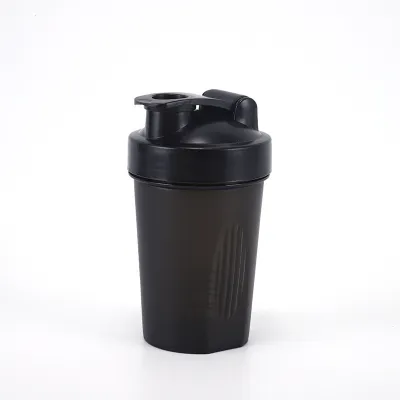
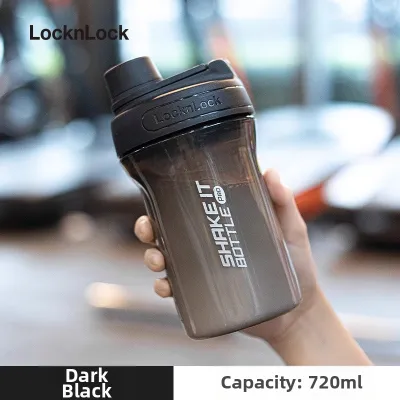
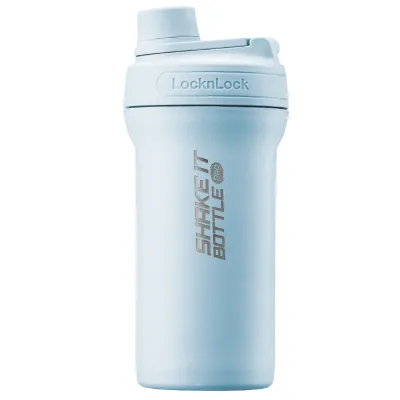
Prices are valid at publication and may change. Please refer to the product page for the latest price.
When evaluating electric models, pay close attention to the power source and water resistance. Some entry-level electric mixers run on replaceable AAA batteries, while more advanced models feature built-in rechargeable lithium-ion batteries charged via a USB port. Because you will be washing the bottle frequently, verify that the motor base has a secure, waterproof seal or a high IPX water-resistance rating to prevent water from seeping into the charging port or battery compartment during cleanup.
Mixing Effectiveness: Tackling Clumps and Thick Shakes
The consistency of your shake depends heavily on the viscosity of your supplement powder. Heavy mass gainers, meal replacement shakes, and thick casein proteins require significant torque to blend smoothly. Manual shakers can struggle with these dense formulations, often leaving stubborn, unmixed clumps of powder stuck to the bottom corners or the lid of the bottle.

Electric mixers excel at handling standard whey proteins and lighter powders, but their performance with ultra-thick mass gainers depends on the motor’s torque and blade design. A low-powered motor may stall or slow down when faced with a highly viscous mixture. For heavy shakes, look for electric models that specify a high-torque motor capable of maintaining vortex speed even as the liquid thickens.
For lighter supplements like pre-workouts, BCAAs, or creatine, a manual shaker is usually more than sufficient. These fine, highly soluble powders dissolve quickly with just a few quick shakes, making the motorized assistance of an electric bottle unnecessary for basic hydration or pre-workout prep.
Before mixing, always perform a quick verification check by reading your supplement label. Check the manufacturer’s recommended powder-to-liquid ratio and any warnings regarding maximum viscosity limits. If your powder requires a high volume of liquid to dissolve properly, ensure your chosen bottle shaker mixer has enough capacity to hold both the fluid and the powder without overflowing during the mixing process.
Convenience and Maintenance: Cleaning, Charging, and Portability
Daily maintenance is a critical factor, especially in warm, humid environments where leftover protein residue can rapidly develop unpleasant odors and bacteria. Manual shakers are incredibly straightforward to clean. Most designs are fully dishwasher-safe, and because they have no electronic components, you can submerge the entire bottle, lid, and whisk ball in hot soapy water without any risk of damage.
Electric shakers require a more cautious cleaning routine. While many models feature a detachable motor base, allowing you to wash the cup and lid normally, you must still protect the electrical contacts from moisture. Cleaning typically involves filling the cup with warm water and a drop of dish soap, running the motor for a few seconds to self-clean, and then carefully rinsing the interior while keeping the exterior charging port dry.
Portability and weight also differ significantly between the two styles. Manual bottles are lightweight, highly durable, and easy to toss into a crowded gym bag without worrying about accidental activation or structural damage. Electric bottles, with their integrated motors and batteries, add noticeable weight and bulk to your gear. If you commute via public transport or walk to your local fitness center in the heat, a lighter manual bottle may feel much more practical.
Leak prevention is another vital consideration for gym-bag storage. Inspect the bottle’s O-ring conditions, locking lid mechanisms, and pressure-release seals. Vigorous manual shaking can sometimes build up internal pressure, especially with cold liquids, so a secure, locking cap is essential to prevent messy spills inside your bag.
Budget and Long-Term Value: Upfront Cost vs. Durability
Your initial financial investment will vary widely depending on the technology you choose. Basic manual shaker bottles are highly affordable, typically ranging from ₱150 to ₱500 in local online marketplaces and sports retail stores. This low price point makes them easy to replace if lost or damaged.
Electric shaker bottles represent a larger upfront investment, generally costing between ₱800 and ₱2,500+, depending on the battery capacity, motor power, and materials used. While they offer high convenience, the electronic components introduce more points of failure over time.
Long-term durability is where manual shakers hold a distinct advantage. With no electronic parts to fail, a high-quality manual bottle can last for years, only requiring replacement if the plastic degrades, cracks, or begins to retain odors. Electric models are susceptible to motor burnout, battery degradation over time, and potential water damage to the internal circuitry, which can render the mixing function useless.
Consider the availability of replacement parts before making your purchase. Many manual bottle brands sell individual whisk balls, replacement lids, or silicone seals, allowing you to extend the life of your bottle cheaply. In contrast, many electric units are sealed, single-piece designs; if the motor fails or the battery stops holding a charge, you may have to discard the entire unit, making them less sustainable over time.
Decision Framework: Which Bottle Shaker Mixer Should You Choose?
To make the right choice, align the bottle’s features with your specific workout habits and supplement preferences.
Choose an electric shaker if you regularly consume thick protein blends, meal replacements, or mass gainers and demand a perfectly smooth, clump-free texture every time. It is also the ideal choice if you prefer the convenience of hands-free mixing at your desk or home gym and do not mind keeping track of charging cables and battery levels.
Choose a manual shaker if you prioritize lightweight portability, rugged durability, and hassle-free cleaning. If your routine consists mostly of mixing standard whey isolate, pre-workouts, or BCAAs, a manual bottle provides a highly reliable, cost-effective solution that easily survives being tossed around in a gym bag or dropped on the floor.
Always verify your supplement instructions first. Some specialized protein powders or meal replacements explicitly warn against high-speed motorized blending, as excessive shear force can alter the texture or create unwanted foam. Additionally, check if your supplements require specific water temperatures, as extremely hot liquids can damage the seals of both manual and electric bottles.
Frequently Asked Questions (FAQ)
Can I put hot liquids or coffee in an electric shaker bottle?
No, you should avoid putting hot liquids or coffee in a sealed electric shaker bottle. When you seal hot liquid inside an airtight container, the heat creates rapid steam and pressure buildup. Activating the motor further agitates the liquid, increasing this pressure and potentially causing the lid to pop open violently, spraying hot liquid and causing burns. Always check the manufacturer’s maximum temperature limits, and stick to room-temperature or cold liquids for both manual and electric shaker bottles.
Do electric shaker bottles crush ice?
Most standard electric shaker bottles are not designed to crush ice. Their motors are engineered for mixing powders and liquids, utilizing lightweight plastic or thin metal blades that lack the torque and structural strength required to break solid ice cubes. Attempting to blend ice can chip the blades, stall the motor, or crack the plastic cup. If you enjoy ice-cold shakes, add pre-crushed ice or ice cubes after the mixing process is complete, or verify the motor specifications and blade materials of your specific model to see if it is explicitly rated for ice crushing.
Community discussion
Share your experience or ask a question. Comments are reviewed before publication.