
Starting your baseball journey does not require a massive financial investment or a bag overflowing with professional-grade gear. To step onto the field for your first practice, you only need a few essential items that ensure your safety and allow you to learn the basic mechanics of throwing, catching, and hitting. While seasoned players carry specialized equipment for every position, a beginner can start with a single versatile glove, a certified helmet, and appropriate athletic footwear.
Focusing on the essentials prevents you from buying expensive gear that might not fit your playing style or league requirements later on. Many local leagues and community teams in the Philippines even provide shared equipment like bats, helmets, and catcher’s gear for team practices. By understanding what is truly mandatory and what can wait, you can make smart purchasing decisions that keep you safe on the field without draining your budget.
The Absolute Minimum: Your Starter Checklist
Before you head to your first organized practice or casual pickup game, you must secure the absolute minimum gear required to play safely. The core trio of baseball equipment consists of a properly sized glove, a league-compliant bat, and a certified batting helmet. Among these three, a personal glove is the most critical purchase because it must fit your hand perfectly and requires a break-in period to become usable.
Products mentioned in this guide
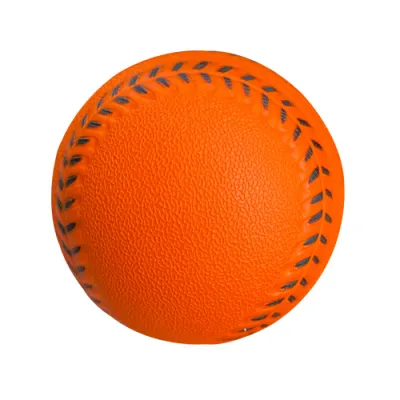
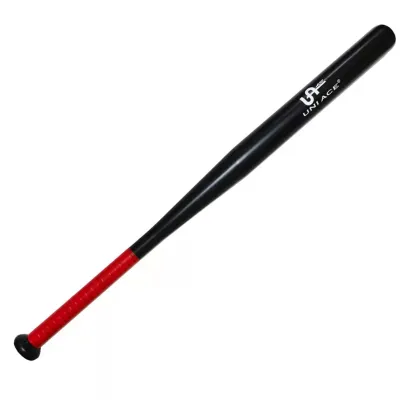
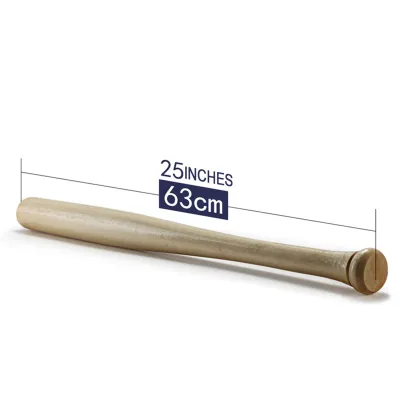

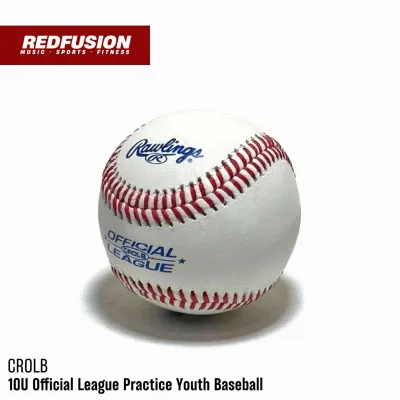
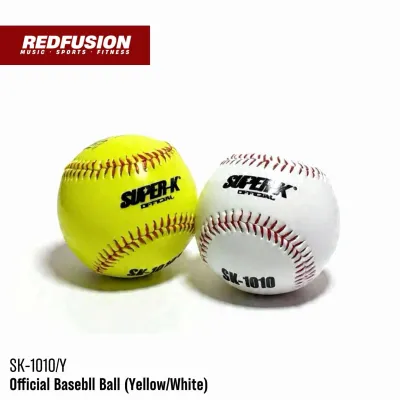
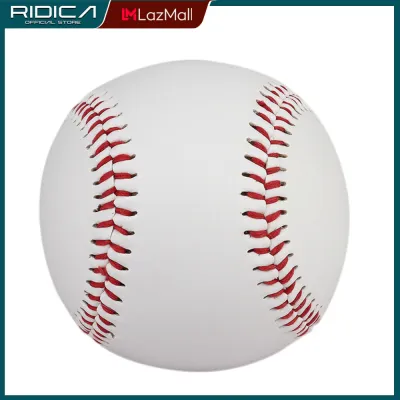
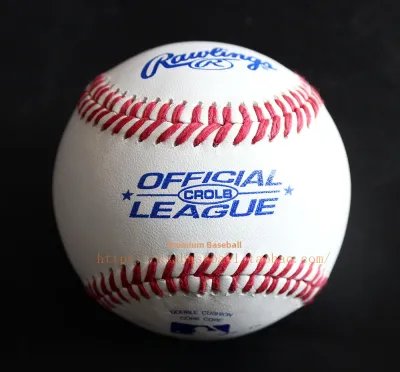
Prices are valid at publication and may change. Please refer to the product page for the latest price.
For initial practices and casual play on dry grass or dirt fields, specialized footwear is not immediately necessary. A reliable pair of running shoes or cross-trainers with good traction will suffice while you learn the basics of fielding and running the bases. However, as soon as you transition to competitive games or play on wet, muddy fields during the rainy season, upgrading to proper cleats becomes essential for maintaining grip and preventing slips.
When entering the sport, first-time buyers should set realistic budget expectations. Instead of aiming for premium leather or high-end composite materials, look for durable, entry-level gear designed specifically for recreational players. Prioritize safety certifications on helmets and bats over aesthetic designs or brand prestige, ensuring every peso you spend goes toward reliable protection and functional performance.
Core Equipment: What to Buy First
Baseball Gloves and Mitts
Choosing your first baseball glove can feel overwhelming due to the variety of shapes, sizes, and materials available. For a complete beginner who has not yet settled into a specific defensive position, a versatile utility glove is the best choice. Unlike specialized positional gloves, a utility glove features a medium pocket depth and a balanced design, allowing you to play both infield and outfield positions comfortably as you discover where you play best.

It is important to understand the distinctions between infield gloves, outfield gloves, and catcher’s mitts. Infielders typically use smaller gloves with shallow pockets for quick ball transfers, while outfielders use longer gloves with deep pockets to secure fly balls. Catcher’s mitts and first baseman’s mitts are highly specialized, heavily padded, and lack individual finger slots, making them unsuitable for general defensive play. As a beginner, avoid these specialized mitts unless you are certain you will play those specific positions exclusively.
When selecting a glove, focus on sizing based on your age and hand span rather than professional positional specifications. A glove that is too large will be difficult to control, while one that is too small will not offer adequate protection. For adult beginners, utility gloves ranging from 11.5 to 12.5 inches generally offer the best balance of control and catching area.
Finally, consider the break-in expectations for different glove materials. Entry-level synthetic gloves or pre-softened leather models are ideal for beginners because they require minimal break-in time and are ready for play almost immediately. High-end, stiff steerhide or cowhide gloves require weeks of intensive conditioning, pocket shaping, and catching practice before they can be closed easily, which can frustrate a new player trying to learn basic catching mechanics.
Bats and Batting Helmets
When it comes to hitting gear, safety and league compliance must guide your purchasing decisions. For beginner bats, durable aluminum or alloy models are highly recommended over wood or high-end carbon fiber composites. Aluminum bats are incredibly resilient, do not crack or splinter on mis-hits, and provide a larger sweet spot that helps beginners make consistent contact while developing their swing mechanics.
Before buying any bat, you must check the mandatory league certification stamps printed on the barrel. Different leagues—such as youth leagues, high school associations, or adult recreational divisions—have strict rules regarding which bats are legal. Look for stamps like USA Baseball, USSSA, or BBCOR depending on your local league’s guidelines. Purchasing a bat without the correct certification stamp can result in it being banned from official games, forcing you to buy a replacement.
Your batting helmet is your most critical piece of protective gear, and its fit should never be compromised. A proper beginner helmet must feature dual ear flaps to protect both sides of your head regardless of whether you bat left-handed or right-handed. When shopping, verify that the helmet carries a current safety certification label, such as NOCSAE, which guarantees the helmet has met rigorous impact testing standards.
Never purchase a damaged, cracked, or heavily dented helmet, even if it is offered at a steep discount. A compromised helmet cannot distribute impact forces correctly, putting you at risk of serious head injuries. If you are sharing a team helmet, ensure it fits snugly and does not slide over your eyes when you run or swing.
Footwear and Apparel
The right footwear keeps you stable on the field and prevents painful slips during quick turns or sudden stops. For organized baseball, molded plastic cleats are the standard recommendation for beginners. Molded cleats feature durable plastic studs permanently attached to the sole, providing excellent traction on both grass and dirt without the safety risks associated with metal spikes.
Many youth leagues and recreational adult divisions strictly prohibit metal spikes due to the risk of injury during sliding plays. Metal spikes are generally reserved for advanced high school, college, and professional players who require maximum grip on highly manicured clay and grass fields. For casual practices on dry, hard-packed dirt, standard athletic sneakers are perfectly acceptable, but you should transition to molded cleats once you begin playing competitive games.
Your apparel choices should focus on comfort, breathability, and protection from abrasions. In tropical climates with high humidity, lightweight, moisture-wicking polyester shirts and athletic pants are essential for staying cool and dry during long practices. Standard cotton t-shirts tend to absorb sweat and become heavy, which can restrict your movement and cause chafing.
Additionally, investing in a pair of sliding shorts to wear underneath your uniform pants is highly beneficial. Sliding shorts feature padded panels along the hips and thighs, protecting your skin from painful scrapes and “strawberries” when you slide into bases. They also typically include a built-in pocket to hold a protective cup, which is a mandatory safety item for male players.
Optional Gear: When to Upgrade Your Setup
Once you have established your basic skills and committed to playing regularly, you can begin introducing secondary items to improve your comfort and performance. Batting gloves are a popular first upgrade for many beginners. These thin, leather or synthetic gloves improve your grip on the bat handle, especially during hot, humid days when sweaty hands can cause the bat to slip. They also absorb minor vibrations from off-center hits and prevent painful blisters during repetitive batting cage sessions.
For older youth and adult players, protective cups and sliding shorts should transition from optional to mandatory gear. The infield can be unpredictable, and a bad hop from a hard-hit ground ball can easily cause severe injury. Wearing proper groin protection ensures you can field your position with confidence, knowing you are protected against unexpected bounces.
As your collection of gear grows, an equipment bag becomes incredibly useful for organizing, protecting, and transporting your equipment. A basic backpack-style baseball bag features dedicated sleeves on the sides to hold your bats, a ventilated compartment at the bottom for muddy cleats, and a spacious main pocket for your glove, helmet, and personal items. Keeping your gear in a single bag prevents you from leaving essential items behind and protects your glove from being crushed or deformed during transport.
Other minor accessories, such as eye black to reduce sun glare or wristbands to wipe away sweat, can be added later based on personal preference. Avoid buying these accessories during your first few weeks of play; instead, focus your resources on upgrading your core gear, such as moving from a synthetic glove to a durable, mid-range leather model once your skills begin to advance.
What to Skip: Avoiding Pro-Level Overspending
One of the most common mistakes beginner baseball players make is purchasing high-end, professional-grade equipment under the assumption that it will instantly improve their performance. In reality, advanced gear is often designed with stiff materials and complex specifications that can actually hinder a beginner’s development. For example, custom-fitted or professional-grade stiff leather gloves are incredibly difficult for a beginner to use because they require significant hand strength and a lengthy, meticulous break-in process to close properly.
If you cannot close your glove easily, you will struggle to secure the ball, leading to dropped catches and frustration. An entry-level, flexible glove allows you to focus on proper catching mechanics and hand placement without fighting against stiff leather. Save the premium leather purchases for later seasons when you have established your preferred defensive position and developed the hand strength to manage a stiffer glove.
Another common trap is buying ultra-light, high-drop-weight bats before developing fundamental swing mechanics. The “drop weight” of a bat is the difference between its length in inches and its weight in ounces; a higher drop weight means a lighter bat. While a very light bat is easy to swing, relying on it too early can prevent you from developing the core and forearm strength needed for a powerful, controlled swing. It is better to practice with a balanced, standard-weight alloy bat to build proper muscle memory and rotational power.
Finally, completely skip specialized training aids, weighted training bats, pitching machines, or high-tech swing analyzers during your first year. These tools are designed to fine-tune the performance of advanced players who have already mastered the basic fundamentals of the game. For a beginner, nothing replaces the value of simple, repetitive practice, such as playing catch with a partner, hitting off a standard batting tee, and fielding ground balls on a local field.
Sizing and Fit: How to Verify Before You Buy
Ensuring your baseball gear fits correctly is vital for preventing injuries, developing proper habits, and enjoying your time on the field. To find the right glove size, measure your hand span from the tip of your index finger to the base of your palm, right where your wrist begins. Consult the manufacturer’s sizing charts, keeping in mind that beginner utility gloves should fit snugly on your hand without pinching your fingers or restricting your wrist movement.
When choosing a bat, you can perform a simple physical check to verify if the length and weight are appropriate for your height and strength. Stand the bat upright on the ground next to your leg; the knob of the bat should reach the palm of your hand when your arm hangs straight down at your side. To test the weight, hold the bat straight out in front of you with one hand, gripping it near the knob; if you cannot hold the bat parallel to the ground for a full ten seconds without your wrist shaking or dropping, the bat is too heavy for you.
To verify the fit of a batting helmet, perform the “helmet shake test” before taking it to the plate. Put the helmet on and adjust any internal padding or straps so it sits level on your head, about one inch above your eyebrows. Shake your head vigorously from side to side and up and down; the helmet should remain securely in place without shifting over your eyes or wobbling. If the helmet slides easily, it is too large and will not protect you during a pitch; if it pinches your temples or leaves deep red marks, it is too small and will cause headaches during long games.
Because sizing can vary significantly between different brands and manufacturers, always check the return and exchange policies of online sports retailers in the Philippines before finalizing your purchase. Ensure the retailer allows hassle-free returns or exchanges if the glove, helmet, or cleats do not fit perfectly upon arrival. Trying on gear at a local sporting goods store before ordering online is also an excellent way to guarantee a perfect fit and avoid the inconvenience of shipping items back.
Frequently Asked Questions (FAQ)
Can I use a softball glove for beginner baseball?
While you can technically use a softball glove for casual backyard catch, it is not recommended for organized baseball practices or games. Softball gloves are designed with significantly larger pockets and wider webbing to accommodate a larger ball, which can cause a smaller baseball to shift around or slip out of the pocket during quick plays. Additionally, the finger slots and hand openings on softball gloves are often wider, making it difficult for a baseball player to maintain a secure, controlled grip on the glove. For structured league play, using a dedicated baseball glove is essential for developing proper fielding and catching techniques.
Do beginners need to buy their own baseballs?
Beginners do not need to purchase a large quantity of official game balls, as local leagues and teams almost always provide certified baseballs for official games and structured team practices. However, buying a small personal pack of baseballs is highly recommended for practicing your throwing and fielding skills at home or at a local park. For absolute beginners and younger players, look for safety baseballs or reduced-seam balls, which feature a softer, cushioned core that reduces the risk of bruising or injury if you accidentally miss a catch while practicing your fielding mechanics.
How much should I expect to spend on a complete beginner setup?
The total cost of a beginner baseball setup depends heavily on the brands you choose, the materials of the gear, and the specific requirements of your local league. To keep your initial expenses low, prioritize your budget toward essential safety gear, such as a high-quality, certified batting helmet, while opting for budget-friendly, entry-level options for your glove and bat. You can also save money by checking if your team provides shared bats and helmets, allowing you to focus your personal budget entirely on a comfortable, well-fitting glove and proper footwear. To find the best deals, compare prices across reputable online marketplaces and local sporting goods shops in the Philippines, keeping an eye out for starter bundles or seasonal sales.
Community discussion
Share your experience or ask a question. Comments are reviewed before publication.