
Quick Guide to Choosing a Big Kite for the Beach
Flying a large kite on a wide sandy beach is a classic family activity, but choosing the wrong model can lead to snapped lines, broken frames, or frustrated children. When selecting a big kite for the breezy, humid coastal conditions of the Philippines, you must balance aerodynamic performance with structural durability and safety. The top priorities for a successful beach outing include stable flight in variable sea breezes, durable materials that can withstand abrasive sand and corrosive salt, and safe, manageable line setups for mixed-age groups. This guide breaks down the essential technical specifications, structural designs, and safety practices to ensure your next family beach day is a flying success.
Essential Big Kite Features for Family Beach Use
The beach is an ideal setting for kite flying, but it also presents unique environmental challenges. Shifting coastal winds, highly abrasive sand, intense tropical UV exposure, and salty air can quickly wear down poorly constructed gear. Evaluating a big kite requires looking beyond its eye-catching colors and impressive scale; you must understand its structural integrity, material composition, and flight mechanics to ensure it can handle the elements.

Wingspan, Size, and Wind Range
A “big kite” generally refers to any model with a wingspan of 60 inches (approximately 1.5 meters) or larger. These expansive sails are excellent for catching light, steady sea breezes, but they also capture a massive volume of air. As wind speed increases, the lift generated by a large surface area grows exponentially. This means a kite that feels gentle in a 6 mph breeze can pull with surprising force in a 15 mph wind.
Products mentioned in this guide
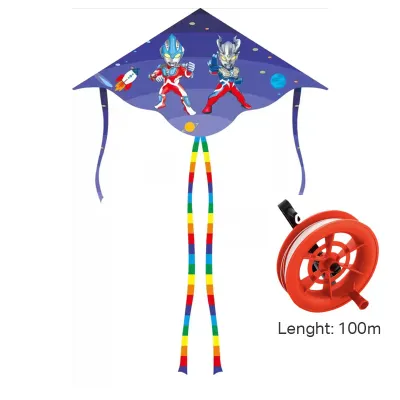
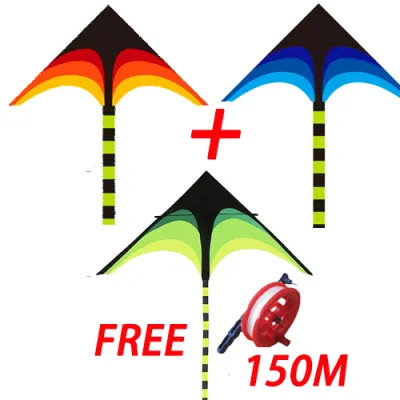
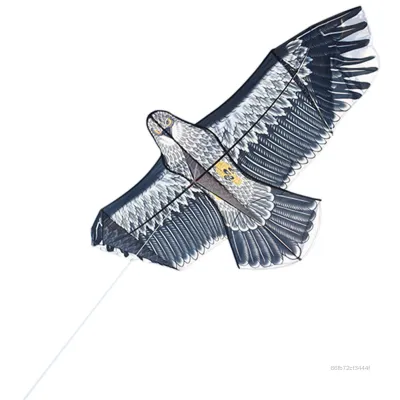
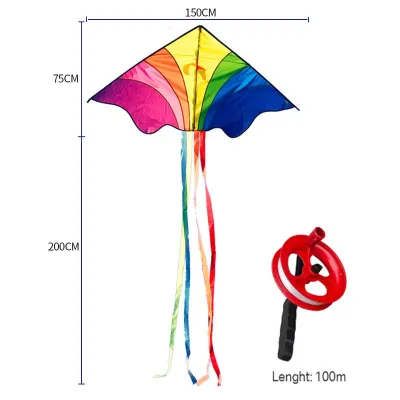
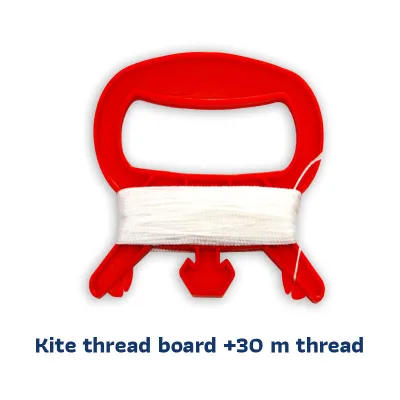
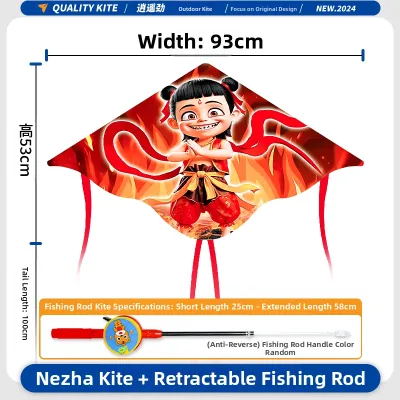
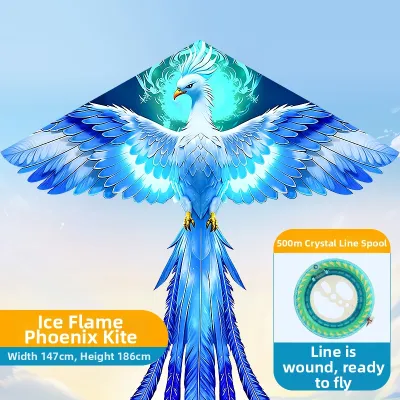
Prices are valid at publication and may change. Please refer to the product page for the latest price.
To ensure your family outing remains enjoyable and safe, always verify the manufacturer’s recommended wind range. For typical Philippine beach conditions, a kite rated for 5 to 15 mph (8 to 24 km/h) offers the most versatility. This range allows you to fly during mild morning breezes as well as stronger afternoon onshore winds without losing control of the frame.
Frame Materials and Crash Durability
The skeleton of a big kite must withstand both high wind pressure and the inevitable hard impacts of beginner crashes on packed sand. Fiberglass spars are the most popular choice for family kites. They are highly flexible, relatively inexpensive, and can bend significantly without breaking. This resilience is incredibly forgiving when a gust of wind drives the kite nose-first into the beach.
On the other hand, carbon fiber spars are exceptionally lightweight and rigid, which allows the kite to fly in incredibly light winds and respond quickly to control inputs. However, carbon fiber is brittle; a high-speed crash on a hard shoreline can splinter the spars, making them costly to replace and potentially leaving sharp fibers that are unsafe for children to handle. Regardless of the material you choose, inspect the kite for reinforced ferrules—the metal or heavy-duty plastic joints where the spars connect—and check that the tips of the spars are covered with protective rubber or vinyl end caps to prevent them from wearing through the fabric pockets.
Sail Fabrics, UV Resistance, and Visibility
The salt air and intense tropical sun of the Philippines are harsh on outdoor fabrics. To prevent your kite from tearing on its first outing, look for sails made from ripstop nylon or ripstop polyester. These fabrics are woven with a reinforcing grid pattern of stronger threads spaced closely together, which ensures that if a small puncture occurs from a sharp shell or stick, the tear will not spread across the entire sail.
Polyester generally offers slightly better UV resistance and stretches less than nylon when wet, making it highly suitable for humid beach environments. Additionally, select a kite with vibrant, high-visibility colors. Bright neon pinks, yellows, and oranges are not only visually stunning against the blue tropical sky, but they also make it much easier for other beachgoers to spot the flying lines, preventing accidental collisions.
Line Strength, Length, and Handle Ergonomics
A big kite requires a robust flying line to handle the tension created by its large surface area. Line strength is measured in pounds of tensile strength, and using a line that is too weak can result in a snapped string and a lost kite. For kites with wingspans over 60 inches, a line test of at least 50 to 100 pounds (22 to 45 kg) is typically recommended.
Standard kites often come with cheap, twisted polyester line, which is prone to tangling and stretching; upgrading to a braided Dacron line provides a much smoother flying experience and superior knot security. The ideal line length for beach flying is between 150 and 300 feet. This length allows the kite to climb past the turbulent, swirling air currents caused by beachside trees, dunes, and resorts, reaching the clean, steady laminar wind higher up.
Finally, look for ergonomic spool handles or padded wrist straps. A large kite can pull hard enough to cause painful line burns if the string slips through bare fingers, so a comfortable, secure handle is essential for both adults and children.
Which Big Kite Types Work Best for Families?
The structural design of your kite dictates how easy it is to launch, how stable it remains in turbulent air, and how convenient it is to pack into your beach bag. Selecting the right style depends on whether you prioritize quick setup, ultimate durability, or maximum visual impact. Big kites generally fall into broad price bands, ranging from budget-friendly options under ₱1,500 to premium, high-performance models that can exceed ₱5,000, so matching the type to your family’s needs is key.
Delta Kites for Easy Launching
Triangular delta kites are the undisputed champions of ease and reliability, making them the perfect starting point for families. Their swept-back wing design and integrated fabric keel act as a natural stabilizer, allowing the kite to self-correct and remain steady even when the wind is gusty. Deltas feature a single-point bridle, which means there are no complicated strings to adjust before flight; you simply attach the flying line to the keel and let the wind do the work.
They can launch in very light breezes, often requiring nothing more than a gentle toss into the wind. The only minor drawback is that their long decorative tails or stabilizing winglets can drag in wet sand during launch, so you will need to ensure the tail is laid out straight behind the kite before letting go.
Parafoil Kites for Travel and Durability
If you want a kite that is virtually indestructible and incredibly easy to travel with, a parafoil is the ideal choice. Parafoils are completely frameless, relying on a series of open cells on the leading edge that inflate with air to create a rigid, wing-like shape. Because there are no fiberglass or carbon fiber spars to break, a parafoil can crash into the sand at high speeds without sustaining any structural damage.
When you are done flying, you can simply roll the kite up into a compact pouch that takes up no more space than a water bottle, leaving plenty of room in your beach bag. However, parafoils do have a few limitations: they require a steady, moderate breeze to stay inflated, and if the wind drops suddenly, the cells can deflate, causing the kite to fold up and fall to the ground.
Diamond and Novelty Kites for Visual Appeal
Large novelty kites, such as giant octopuses, flying dragons, or whimsical character shapes, are guaranteed to draw a crowd and create memorable photos. These kites are often massive, featuring long, flowing inflatable tentacles or intricate multi-line bridles. While they offer unmatched visual appeal, they are generally much more difficult to fly than deltas or parafoils.
Their complex shapes create significant aerodynamic drag, meaning they require stronger, highly consistent winds to stay airborne. They also exert a powerful physical pull that can quickly tire out a child’s arms. If you decide to bring a novelty kite to the beach, it is best to treat it as a secondary showcase piece for adults to manage, while keeping a simpler delta or parafoil on hand for the kids to enjoy.
Beach-Specific Safety and Launching Strategies
Coastal environments present unique safety challenges that require careful preparation and active supervision. Before you even unpack your kite, take a moment to select a safe flying site. Look for a wide, open stretch of sand that is completely clear of overhead power lines, roads, trees, and crowded swimming zones. Always check the ground for hidden hazards like sharp shells, driftwood, or rocks that could cause injury if you trip while running or walking backward.
Understanding wind direction is crucial for a safe launch. Stand with your back to the wind; a proper beach breeze should feel clean and steady, blowing either directly from the sea (onshore) or parallel to the shoreline (side-shore). Never fly your kite if the wind is blowing from the land out to sea (offshore), as a snapped line will carry your kite far into the deep water where it cannot be safely retrieved. Most importantly, establish strict stop conditions: immediately pack up your gear if you hear thunder, see lightning, or notice dark squall clouds approaching. Wet kite lines can conduct electricity, and sudden tropical storms can bring dangerous wind gusts.
To launch a big kite safely without damaging the fabric on abrasive sand, use the assisted launch method. Have one family member hold the kite by its frame downwind, while the flyer walks backward into the wind, letting out 50 to 100 feet of line. Once the line is taut and the wind is catching the sail, the helper should gently launch the kite upward into the air rather than throwing it. This prevents the kite from dragging across the sand, which can wear down the fabric and clog the joints.
Because large kites can generate substantial physical force, safety gear and adult supervision are non-negotiable. Always wear lightweight protective gloves, such as sailing or cycling gloves, to prevent painful friction burns if the line slips quickly through your hands. Never allow a child to hold the line of a big kite alone in strong winds; an adult should always be nearby to assist or take over the handle if a sudden gust occurs. Remember, high-quality equipment is a great tool, but it can never replace active adult judgment and situational awareness on a busy beach.
Post-Beach Care and Storage for Your Kite
The combination of abrasive sand, corrosive salt, and high humidity can quickly ruin a high-quality kite if it is stored without proper care. Once you are finished flying, shake out as much loose sand as possible from the sail and spar pockets before packing the kite into its bag. If sand has found its way into the joint ferrules, do not force the spars apart or twist them aggressively, as this can scratch the material and cause the joints to jam permanently.
When you return home, take a few minutes to rinse away the salt residue. Wipe down the entire sail and the frame spars with a soft cloth dampened with clean, fresh water. Salt is highly hygroscopic, meaning it naturally attracts and retains moisture from the air; if left on the fabric, it will keep the kite damp, leading to mold, mildew, and the gradual breakdown of the protective UV and polyurethane coatings. After wiping it down, hang the kite to air-dry completely in a shaded, well-ventilated area. Avoid leaving it in direct, hot sunlight to dry, as excessive heat can weaken the fabric fibers and adhesives.
Proper line management is also essential for extending the lifespan of your gear. Always use a dedicated line winder or a hoop spool, wrapping the line in a clean figure-eight pattern. This technique prevents the line from twisting and developing tight knots. A single knot in a flying line can reduce its overall tensile strength by up to 50%, making it far more likely to snap during your next outing. Finally, store your dry kite in a cool, dark closet, keeping the spars grouped together flat or upright to prevent them from warping over time.
Frequently Asked Questions (FAQ)
Flying a large kite at the beach is an exciting experience, but it often raises practical questions about wind conditions, child safety, and gear maintenance. Below are answers to some of the most common queries to help ensure your next coastal outing is a success.
What wind speed is ideal for flying a big kite at the beach?
Most big kites perform best in steady breezes ranging from 8 to 15 mph (approximately 13 to 24 km/h). In this wind range, the kite will have enough lift to rise easily and remain stable without generating overwhelming pull. Coastal winds in the Philippines can sometimes be gusty or unpredictable, so choosing a kite with a flexible fiberglass frame and a wide wind rating ensures it can handle sudden changes in wind speed without crashing.
Can young children safely handle the pull of a large kite?
While children can thoroughly enjoy watching and helping fly a big kite, they should never be left to hold the line entirely on their own. A kite with a wingspan over 60 inches can generate a surprisingly powerful pull during sudden wind gusts, which can easily drag a small child or cause painful line burns. An adult should always secure the primary handle or anchor the line to a secure ground stake, allowing the child to hold a secondary safety line or assist under close, hands-on supervision.
How do I prevent the kite line from tangling in the sand?
To keep your flying line clean and tangle-free, never let the line spool or loose slack rest directly on the sand. Sand grains can get trapped between the braided fibers, acting like sandpaper and wearing down the line’s strength over time. Keep your line winder elevated by holding it, hanging it from a beach chair, or placing it inside a clean beach bag. If you need to lay the line out before launching, try to keep it on a clean beach towel or dry grass patch rather than the loose, blowing sand.
Community discussion
Share your experience or ask a question. Comments are reviewed before publication.