
Setting up a dedicated boxing training corner at home is an excellent way to build cardiovascular endurance, sharpen your self-defense skills, and relieve stress without the need for a daily gym commute. To build a functional and safe setup from scratch, you must prioritize three core elements: reliable hand and wrist protection, a primary striking target matched to your living space, and a safe, non-slip floor surface. While advanced agility tools can be added as your skills progress, investing in high-quality foundational gear ensures you can train consistently without risking injury.
Developing a home setup requires a clear understanding of your physical space and your training goals. By selecting the right gear and maintaining it properly against environmental challenges like tropical humidity, you can create a high-performance training zone that rivals any commercial boxing gym.
Assess Your Space, Ceiling Strength, and Training Goals
Before purchasing any equipment, you must carefully evaluate your physical environment to prevent costly structural damage or training limitations. A functional boxing corner requires a minimum clear floor space of 2×2 meters, though a 3×3 meter area is highly recommended. This footprint ensures you have adequate clearance for the natural swing of a heavy bag and enough room to execute proper footwork drills without colliding with walls, furniture, or windows.
Products mentioned in this guide
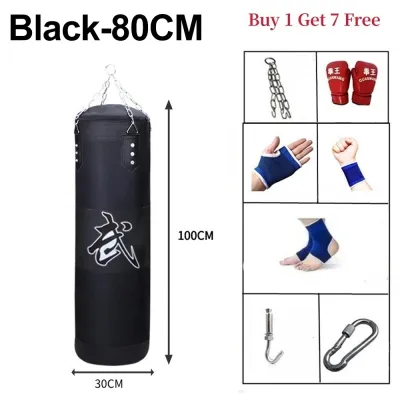
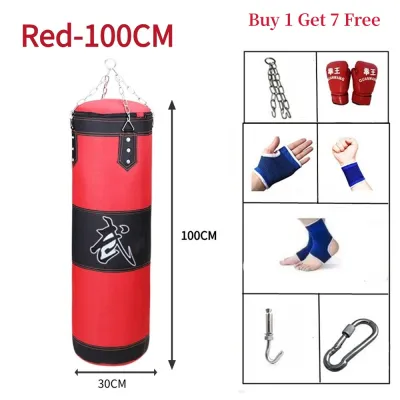
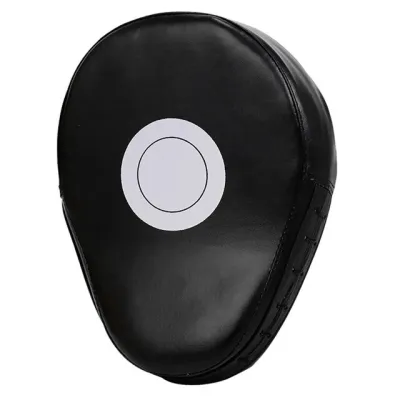
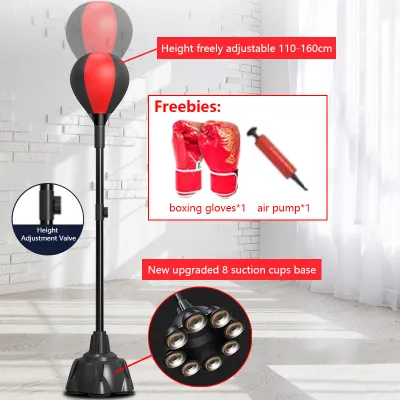
Prices are valid at publication and may change. Please refer to the product page for the latest price.
Ceiling strength is the most critical structural factor when planning a hanging setup. Standard drywall, plaster, or drop ceilings cannot support the weight and kinetic force of a swinging heavy bag. You must locate solid structural timber joists or reinforced concrete beams to anchor your equipment safely. In many residential structures in the Philippines, ceilings consist of light-gauge metal frames beneath a concrete slab. If you are mounting to concrete, you must use heavy-duty steel expansion bolts (dynabolts) rated for at least double the weight of your bag. If you cannot access a structural beam, a freestanding bag or a dedicated heavy bag stand is a much safer alternative.
Your equipment choices should align directly with your primary fitness and athletic objectives. If your goal is cardiovascular conditioning and weight loss, a lighter freestanding bag or a speed bag setup paired with a high-quality jump rope will suffice. If you are focused on technical skill development, boxing mechanics, and power building, you will require a heavy hanging bag that allows you to practice realistic distance management and high-impact combinations.
When budgeting for your home gym, allocate your funds systematically. Prioritize high-quality hand wraps and gloves first, as protecting your hands and wrists is paramount. Your primary striking target should be your second major investment, followed by flooring and auxiliary conditioning gear. Spending a large portion of your budget on a premium punching bag while using cheap, unsupportive gloves is a direct path to chronic wrist and knuckle injuries.
Hand Protection and Footwear: The Non-Negotiable Basics
Every time you strike a punching bag, a massive wave of kinetic energy travels back through your hand, wrist, elbow, and shoulder. Without proper protection and correct alignment, this repetitive impact can lead to fractures, sprains, and chronic joint issues. Establishing a safe home training routine begins with the gear you wear.

Boxing Gloves and Hand Wraps
Selecting the right glove depends on your training intent and physical size. Bag gloves are specifically designed with dense, impact-resistant foam to withstand repeated contact with dense heavy bags without compressing. Training gloves, on the other hand, feature thicker, softer multi-layered foam padding designed to protect both your hands and a sparring partner. For home training where you will primarily work on bags and mitts, a versatile training glove is highly recommended.
Gloves are sized by weight, ranging from 10 oz to 16 oz. Your body weight and hand size dictate the correct glove weight to ensure adequate protection:
- Under 55 kg (120 lbs): 10 oz to 12 oz gloves are ideal for bag work.
- 55 kg to 80 kg (120 to 175 lbs): 14 oz gloves offer the best balance of protection and weight.
- Over 80 kg (175 lbs): 16 oz gloves are mandatory to provide sufficient foam density to absorb heavy impacts.
Hand wraps are absolutely non-negotiable, regardless of the glove size you choose. Wraps stabilize the small bones in your hand (metacarpals) and secure your wrist in a neutral position, preventing painful hyperextension. Traditional cotton wraps are durable but lack elasticity, whereas semi-elastic blends (often called Mexican-style wraps) stretch slightly to conform to the contours of your hand, offering a snugger fit. Opt for a standard length of 180 inches, which provides enough material to wrap thoroughly between your fingers, across your knuckles, and around your wrist. For solo home training, always choose gloves with a hook-and-loop (Velcro) closure system. Lace-up gloves offer superior wrist support but are virtually impossible to tie securely by yourself.
Jump Ropes and Training Shoes
Cardiovascular conditioning and footwork are the foundations of boxing. The jump rope is the ultimate tool for developing foot speed, coordination, and shoulder endurance. For beginners, a solid PVC speed rope is highly recommended; it is inexpensive, highly durable, and provides excellent feedback to help you establish a rhythm. Leather ropes offer a classic feel but rotate slower and can stretch or degrade in humid climates. Steel speed cables are exceptionally fast and ideal for advanced double-unders, but they can cause painful welts if they strike bare skin and will wear down rapidly if used directly on concrete surfaces.
Footwear choice directly impacts your balance and joint safety. Dedicated boxing shoes feature thin, flat rubber outsoles that provide maximum grip for pivoting while keeping your feet close to the floor for optimal power transfer. They also feature high-top or mid-top cuts to provide crucial lateral ankle support during rapid side-to-side movements. If you prefer to train barefoot, you must use high-quality, high-density foam or rubber mats to prevent friction burns (mat burns) and slipping. Avoid training in standard running shoes; their thick, cushioned heels elevate your center of gravity, making you highly susceptible to rolling your ankles during lateral pivots.
Choosing the Right Punching Bag for Your Space
Your primary striking target is the centerpiece of your home training corner. You must weigh the installation requirements, spatial limits, and performance characteristics of different bag types to make an informed decision.
| Bag Type | Installation Complexity | Striking Feel | Portability | Best For |
|---|---|---|---|---|
| Hanging Heavy Bag | High (Requires structural joist/concrete drilling) | Excellent (Realistic swing and resistance) | Very Low (Fixed position) | Power development, footwork angles, and realistic distance management |
| Freestanding Bag | Low (No drilling; base filled with sand/water) | Moderate (Spring-back action; can shift) | High (Can be rolled away) | Renters, cardio workouts, and spaces where drilling is prohibited |
| Aqua/Water Bag | High (Requires heavy-duty ceiling mount) | Outstanding (Joint-friendly, life-like density) | Low (Must be drained to move) | Practicing uppercuts/hooks, and users with joint pain or arthritis |
Hanging Heavy Bags
Traditional hanging heavy bags offer the most realistic training experience. The natural pendulum swing of a hanging bag forces you to move your feet, manage your distance, and time your strikes as the target moves toward and away from you. However, hanging bags require heavy-duty mounting hardware. You must use a secure steel ceiling mount, heavy-duty wood screws or concrete expansion bolts, a high-strength steel spring to absorb vertical vibrations (which also reduces noise transmitted through your ceiling), and a heavy-duty swivel to allow the bag to spin freely without twisting and damaging the hanging straps.
Freestanding Bags
Freestanding bags are the ideal solution for renters or those with limited space. They consist of a striking column mounted on a hollow plastic base that you must fill with ballast. While filling the base with water is convenient, it can cause the bag to slosh loudly and carries a risk of leaking. Filling the base with dry play sand is highly recommended because sand is significantly denser than water, providing a much heavier and more stable base. Be aware that freestanding bags tend to slide or “walk” across the floor when hit with heavy combinations, and their spring-back rebound mechanism does not replicate the realistic swing of a hanging bag.
Aqua/Water Bags
Aqua bags utilize a thick, marine-grade vinyl shell filled with water. The primary advantage of a water bag is its outstanding impact absorption. Water mimics the density of the human body, allowing you to throw high-power strikes with minimal jarring impact on your wrists, elbows, and shoulders. Their teardrop shape makes them perfect for practicing upward-angle punches like hooks and uppercuts. However, because a fully filled aqua bag can easily weigh between 50 kg and 80 kg, you must verify that your ceiling mount is rated for heavy loads. Inspect the fill valve regularly to prevent slow leaks that could damage your flooring.
Materials and Fillings for Tropical Climates
When purchasing a punching bag in the Philippines, you must consider how the materials will perform in high relative humidity. Genuine leather is highly durable and offers a premium feel, but it is highly porous. It absorbs sweat and moisture from the air, making it highly susceptible to mold, mildew, and rot if not treated regularly. High-grade synthetic polyurethane (PU) or heavy-duty vinyl/canvas bags are highly recommended for humid environments. These synthetic materials are moisture-resistant, easy to sanitize, and do not harbor mold.
If you purchase an unfilled heavy bag, the filling material you choose will determine the bag’s density and impact feel. Use clean, tightly packed shredded clothing or rags. Avoid using loose sand as a primary filler. Over time, gravity will cause loose sand to settle at the bottom of the bag, turning the lower third into a rock-hard mass that can fracture your hand or damage your joints. If you require extra weight, suspend a small, sealed sand core directly in the center of the bag, ensuring it is completely surrounded by thick layers of packed fabric.
Agility and Precision Gear for Skill Development
Once you have established your basic setup, you can integrate secondary equipment to focus on timing, head movement, and accuracy. These tools require less space than a heavy bag but demand higher focus.
Reflex Bags and Double-End Bags
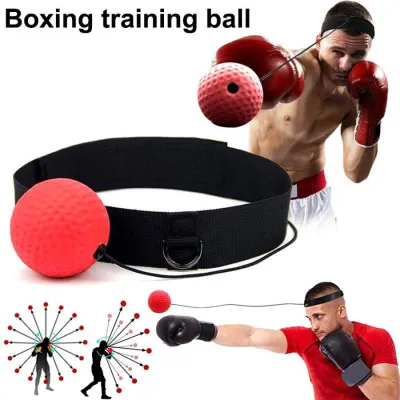
Reflex bags (often called cobra bags) feature a small, air-filled target mounted on a spring-loaded vertical shaft. When struck, the target rebounds rapidly, forcing you to use head movement, slips, and quick counter-punches to avoid being hit. They have a small footprint and are highly portable, making them excellent for tight spaces.
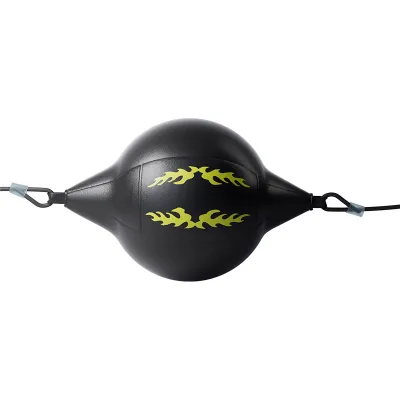
Double-end bags are small, air-filled leather or synthetic bladders suspended horizontally between the ceiling and the floor by high-tension elastic cords. When struck, the bag rebounds in rapid, erratic patterns. Training on a double-end bag improves hand-eye coordination, hand speed, and punching rhythm. To set this up, you must install secure anchor points on both your ceiling and floor. Adjust the tension of the elastic cords carefully: tighter cords result in a faster, more predictable rebound for advanced speed work, while looser cords create a slower but more erratic movement pattern suitable for beginners.
Focus Mitts and Training Pads
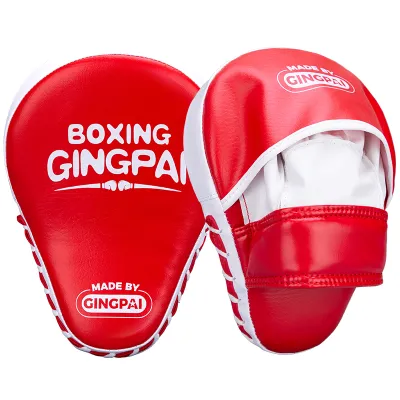
If you plan to train with a partner or coach at home, focus mitts and training pads are essential. Standard focus mitts are curved, lightweight foam pads designed to catch punches, allowing you to practice complex combinations, speed, and defensive slips. Thai pads are thicker, denser, and cover the forearm, making them suitable for absorbing heavy kicks, knees, and elbows.
For the pad holder, ergonomic features such as built-in wrist support, padded palm domes, and secure hook-and-loop wrist straps are critical to prevent wrist strain and shoulder fatigue. Holding pads correctly requires training; the holder must slightly “meet” each punch to absorb the impact safely. If you do not have a partner trained in proper holding techniques, avoid using these tools, as improper use can lead to chronic joint injuries for both the striker and the holder. Equipment cannot replace professional training or sound athletic judgment.
Flooring, Mirrors, and Climate-Specific Accessories
Optimizing the physical environment of your training corner is vital for maintaining proper form, protecting your joints, and ensuring the longevity of your gear.
Flooring Options
Never train directly on bare concrete or slick tile. You need a floor surface that provides shock absorption and reliable grip for pivoting. Two primary options are suitable for home setups:
- Interlocking EVA Foam Mats: These puzzle mats (at least 2 cm thick) are lightweight, inexpensive, and easy to clean. However, they can feel overly squishy, which can slightly reduce power transfer and cause permanent indentations under heavy equipment.
- Rubber Horse Stall Mats: Typically 1.2 cm to 1.9 cm thick, these solid rubber mats are incredibly dense and durable. They provide outstanding shock absorption, protect your subfloor from heavy impacts, and will not slip or slide. They are heavy and can have a strong rubber odor initially, but they offer the most stable and professional training surface.
Mirrors
Without a coach present to correct your form, a full-length mirror is an invaluable diagnostic tool. Choose a shatterproof acrylic mirror rather than standard glass for safety in a training environment. Position the mirror where you can clearly observe your stance, guard height, hip rotation, and balance during shadowboxing and bag work. Regularly check that your chin remains tucked and your non-punching hand stays up to protect your face.
Climate and Airflow
Training in a tropical, humid climate like the Philippines means you will sweat profusely. High humidity slows down sweat evaporation, which can make your training floor dangerously slick and cause your body to overheat. Position a high-velocity industrial floor fan or a wall-mounted fan directly toward your training zone to promote air circulation, keep your skin cool, and dry the floor surface during intense workouts.
Storage and Hygiene
Leaving sweat-soaked gloves and hand wraps inside a closed gym bag or a dark, unventilated corner is a recipe for rapid bacterial growth, mold, and persistent, foul odors. Install an open wire rack or hang a ventilated mesh bag in your training corner. Always hang your hand wraps to dry immediately after use, and store your boxing gloves in an upright, open position to maximize airflow.
Safety Checks and Equipment Maintenance
To ensure your home boxing corner remains safe and your equipment lasts for years, establish a strict routine of safety inspections and hygiene maintenance.
Pre-Workout Safety Checklist
Before every training session, spend two minutes performing these essential safety checks:
- Inspect Hanging Hardware: Check all D-shackles, S-hooks, and swivels for signs of wear, metal fatigue, or rust. Ensure the ceiling mount bolts are completely tight.
- Verify Base Stability: If using a freestanding bag, ensure the base has not shifted and that there are no water or sand leaks.
- Check Floor Mats: Ensure your interlocking mats are tightly secured with no gaps or curled edges that could trip you during rapid footwork.
Cleaning and Disinfecting
Sweat contains salts and acids that can degrade synthetic PU and dry out genuine leather over time. After every workout, wipe down the exterior of your punching bag, gloves, and pads using a soft cloth dampened with a solution of mild dish soap and warm water. Avoid using harsh chemical cleaners, bleach, or alcohol-based sprays, as these will strip the protective coatings from synthetic materials and cause leather to crack prematurely. Always perform a hidden-area test before applying any new cleaning solution to your gear.
Proper Drying Techniques
Never place your boxing gloves or hand wraps in direct, harsh sunlight to dry. Intense UV rays will degrade the foam padding inside your gloves and break down the elastic fibers in your hand wraps. Instead, air-dry them in a shaded, well-ventilated space. To dry the damp inner lining of your gloves, use moisture-absorbing inserts such as cedar-filled glove dogs or reusable silica gel bags. Wash your hand wraps regularly in a mesh laundry bag to prevent tangling, and hang them flat to dry.
Warning Signs for Equipment Replacement
Regularly inspect your gear for signs of structural failure. You must replace your equipment immediately if you observe any of the following warning signs:
- Compressed Glove Padding: If the knuckle area of your gloves feels flat, lumpy, or soft, or if you can feel your knuckles pressing directly through to the bag, the protective foam has collapsed.
- Frayed Bag Straps or Chains: Any visible fraying on the nylon straps of a hanging bag or severe wear on the metal chain links indicates an imminent risk of the bag falling.
- Loss of Wrap Elasticity: If your hand wraps feel stretched out, thin, or fail to provide a snug, supportive hold around your wrists, they can no longer protect your joints.
- Exposed Hard Spots: If the filling inside your heavy bag has settled completely, creating a rock-hard bottom section and an empty top section, stop using it immediately to prevent wrist and hand fractures.
Frequently Asked Questions (FAQ)
Can I use a heavy bag without hanging it from the ceiling?
Yes, you can use a freestanding punching bag as your primary target, which requires no ceiling installation and can be rolled away when not in use. Alternatively, you can purchase a heavy-duty steel heavy bag stand. While stands allow you to hang a traditional bag, they have a large floor footprint and require you to place heavy weight plates or sandbags on the base frame to prevent the stand from tipping over during heavy strikes.
What size boxing gloves should a beginner buy for home training?
For most average-sized adults, 12 oz or 14 oz training gloves offer the most versatile starting point for mixed bag work, pad training, and shadowboxing. Lighter individuals (under 55 kg) should opt for 12 oz gloves, while those between 55 kg and 80 kg will benefit most from the balanced protection of 14 oz gloves. Regardless of the glove size you choose, you must always wear hand wraps underneath to ensure proper wrist alignment and joint safety.
Community discussion
Share your experience or ask a question. Comments are reviewed before publication.