
Camping in the Philippines during the rainy season—which typically spans from June to November—demands gear that can withstand sudden tropical depressions, heavy monsoon downpours, and intense humidity. While dry-season camping allows for lightweight, highly ventilated shelters, the wet season requires a specialized approach to shelter selection. A single failure in your tent’s waterproofing or structural integrity can quickly turn an exciting outdoor adventure into a wet, uncomfortable, and potentially hazardous situation.
To stay dry and safe, you must prioritize specific design features that go beyond basic weather resistance. A truly storm-worthy camping tent must feature a full-coverage rainfly, a durable bathtub-style floor, factory-sealed seams, and a robust pole structure capable of shedding high winds. Understanding how these components work together is the first step in selecting a shelter that keeps the tropical elements at bay.
Quick Answer: Non-Negotiable Tent Specs for Wet Weather
When evaluating a camping tent for wet-weather trips, several features are absolutely non-negotiable. First, the tent must have a full-coverage rainfly that extends all the way to the ground, shielding the inner tent body from wind-driven, lateral rain. Second, look for a bathtub-style floor made of thick, waterproof material that wraps several inches up the sides of the tent, keeping ground runoff from seeping through the floor seams.
Products mentioned in this guide
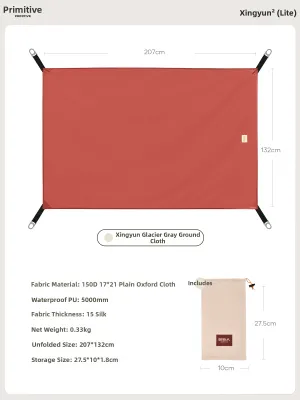
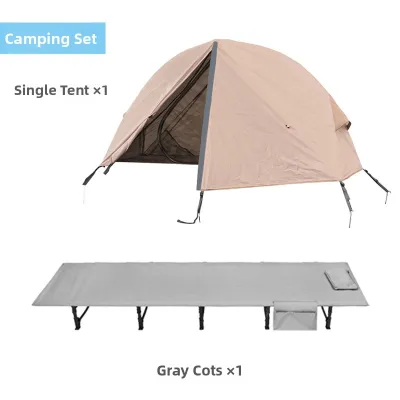
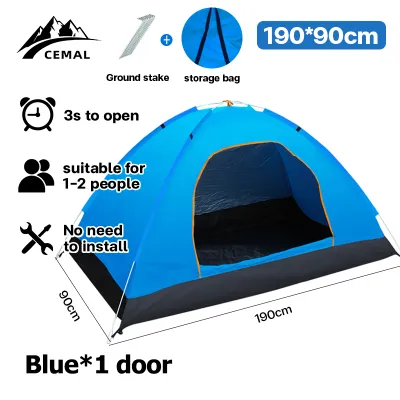
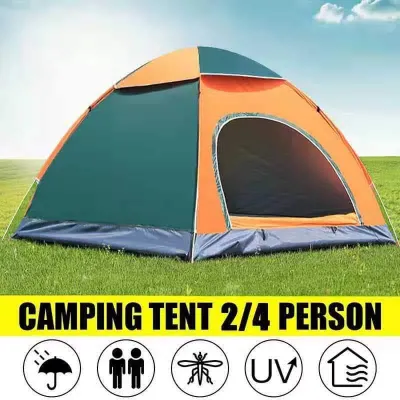

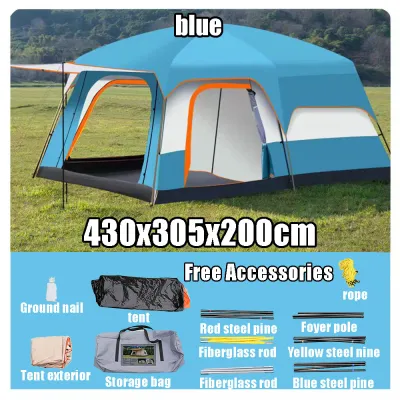
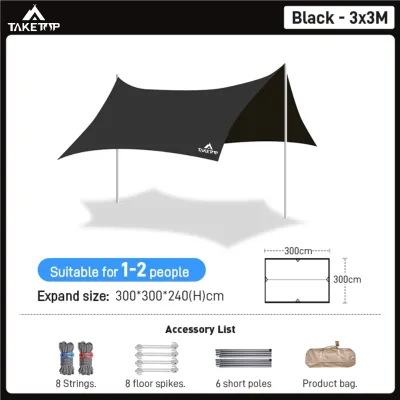
Prices are valid at publication and may change. Please refer to the product page for the latest price.
Additionally, factory-sealed or taped seams are critical; untreated seams will quickly leak under the pressure of a tropical downpour. You should also verify the manufacturer’s hydrostatic head rating on the product tags, ensuring it is rated to handle heavy, sustained rainfall. Finally, the tent must feature a stable, aerodynamic pole configuration and multiple reinforced guy-out points to withstand the sudden, powerful wind gusts common during the monsoon season.
Decoding Waterproof Labels and Floor Designs
Understanding technical specifications on manufacturer tags is essential for verifying a tent’s actual water resistance, helping you look past generic marketing terms like “waterproof.” The primary metric to look for is the Hydrostatic Head (HH) rating, measured in millimeters. This rating indicates the height of a water column that the fabric can support before water begins to penetrate. For the intense downpours experienced during the Philippine rainy season, a rainfly rating of at least 1,500mm to 2,000mm is recommended, while the tent floor should feature a higher rating, such as 3,000mm or more, to withstand the pressure of your body weight pressing down on wet ground.

The type of fabric coating also plays a significant role in long-term durability and performance. Polyurethane (PU) coatings are highly common, cost-effective, and allow manufacturers to easily apply factory seam tape. However, in hot, highly humid tropical climates, standard PU coatings can undergo hydrolysis over time, causing the coating to become sticky, flake off, or lose its waterproof properties. Alternatively, silicone-coated fabrics (often referred to as SilNylon or SilPoly) offer superior tear strength, excellent water shedding, and high resistance to UV and moisture degradation, though they are typically more expensive and may require specialized silicone-based sealants.
The design of the tent floor is your primary defense against standing water and saturated soil. A bathtub floor construction uses a single, continuous piece of waterproof fabric for the floor that wraps up the lower walls of the tent by several inches, elevating the seams well above ground level. When inspecting a tent, examine the inner seams along the floor and corners to ensure the factory seam tape is perfectly adhered, smooth, and free of bubbles or lifting edges, which are common failure points under hydrostatic pressure.
Choosing Pole Systems and Shapes for High Winds
Tropical storms and monsoons in the Philippines rarely bring rain alone; they are almost always accompanied by strong, unpredictable wind gusts. The geometry of your camping tent determines how effectively it sheds wind rather than catching it. Dome and geodesic tent shapes are highly aerodynamic, utilizing crossing pole designs that distribute wind forces evenly across the entire structure. In contrast, tall cabin-style tents with vertical walls present a large surface area to the wind, making them highly susceptible to collapsing or suffering structural damage during sudden storms.
Pole material and quality are equally critical when selecting a shelter for stormy conditions. Aluminum poles are generally preferred over standard fiberglass poles for wet-weather camping due to their superior strength-to-weight ratio and flexibility. Under high wind loads, aluminum poles will flex and bend without snapping, whereas cheap fiberglass poles are more brittle and can splinter under sudden stress, potentially tearing through the tent fabric. When reviewing manufacturer specifications, look for high-quality aluminum alloys, such as 7000-series aluminum, which offer excellent durability and resilience.
To secure your tent against shifting winds, you must utilize the rainfly’s guy-out points. These are reinforced loops sewn into the outer fabric that allow you to attach guylines—strong cords anchored to the ground with stakes. A storm-worthy tent should feature multiple guy-out points positioned along the main pole lines to transfer wind loads directly to the ground. Using adjustable tensioners on your guylines allows you to quickly tighten the lines as the fabric stretches when wet, ensuring the tent remains taut and structurally stable throughout the night.
Evaluating Rainfly Coverage and Gear Storage
The rainfly is your tent’s primary shield against the elements, and its coverage level directly impacts your comfort and safety. Many budget or summer-oriented tents feature partial rainflies that only cover the top mesh portion of the inner tent, leaving the lower fabric walls exposed. In the driving, wind-blown rain common during the Philippine monsoon season, a partial rainfly is highly likely to fail, allowing water to penetrate the exposed fabric. A full-coverage rainfly, which extends completely to the ground on all sides, is essential for keeping the inner tent dry during severe weather.
An effective rainfly design should also incorporate vestibules, which are covered gear storage areas created by extending the rainfly beyond the inner tent doors. Vestibules are invaluable during rainy trips, providing a protected space to store muddy hiking boots, wet backpacks, and damp outer layers without bringing them inside the sleeping compartment. Keeping wet gear in the vestibule not only keeps your sleeping area clean but also prevents excess moisture from evaporating inside the tent, which contributes to interior condensation.
When evaluating a tent, pay close attention to the rainfly door configurations and zipper designs. Look for doors that feature wide storm flaps secured by hook-and-loop fasteners over the zippers, or water-resistant zippers that prevent rain from seeping through the teeth. Additionally, some rainflies feature multi-zipper designs or integrated awnings that allow you to prop open the top of the door for ventilation while keeping the lower portion closed, protecting the interior from splashing rain.
Managing Condensation in High Tropical Humidity
One of the greatest challenges of camping during the rainy season in the Philippines is managing interior condensation. In warm, highly humid tropical environments, the air inside a sealed tent quickly becomes saturated with moisture from your breath and body heat. If this warm, moist air cannot escape, it will condense on the cooler inner surface of the waterproof rainfly, eventually dripping down onto your sleeping gear and clothing, creating a wet environment even if the tent is perfectly waterproof.
To combat condensation, a double-wall tent construction is highly recommended. A double-wall tent consists of two separate layers: a highly breathable inner tent body (often made largely of mesh) and a separate waterproof outer rainfly. This design physically separates you from the wet outer barrier, allowing warm air and moisture to pass through the inner mesh and escape before condensing. Single-wall tents, while lighter, require exceptionally precise ventilation management and are generally more prone to condensation issues in humid climates.
Strategic ventilation features are essential for promoting continuous airflow through the tent. Look for shelters with large mesh panels on the inner tent walls and adjustable zippered vents located near the peak of the rainfly. These vents create a chimney effect, drawing cooler air in through the bottom of the tent and allowing warm, moist air to escape through the top. When pitching your tent, always tension the rainfly tightly to maintain a consistent air gap of at least a few inches between the fly and the inner tent mesh, preventing any contact that could transfer moisture indoors.
Campsite Selection and Setup Adjustments for Mud
Even the most advanced waterproof camping tent can fail if it is pitched in a poor location or set up incorrectly. When camping in wet conditions, campsite selection is your first line of defense. Avoid pitching your tent in low-lying depressions, dry creek beds, or at the base of steep slopes where rainwater naturally pools or flows. Instead, look for slightly elevated, gently sloping ground that allows water to drain away from your shelter, and avoid areas with highly compacted soil that cannot absorb water quickly.
Using a footprint or groundsheet is highly recommended to protect your tent floor from sharp rocks, roots, and abrasive mud, but it must be used correctly to avoid creating a water trap. The footprint must be slightly smaller than the perimeter of the tent floor. If any part of the footprint extends beyond the edges of the tent, it will catch falling rain and channel it directly underneath your tent, pooling water between the footprint and your floor. Always tuck any excess footprint material completely under the tent body.
Saturated tropical soil becomes soft and muddy, which significantly reduces the holding power of standard tent stakes. To ensure your tent remains securely anchored, use wider, Y-beam stakes or longer stakes designed specifically for soft ground, which provide more surface area to grip the mud. Drive the stakes into the ground at a 45-degree angle pointing away from the tent, and push them in flush with the soil surface to maximize their holding power and prevent them from pulling loose under wind tension.
Drying and Storing Your Tent After Wet Trips
Proper post-trip care is essential for preserving the lifespan and performance of your camping tent. Never leave a wet or damp tent packed inside its stuff sack for more than a few hours after returning from a trip. The combination of moisture, trapped air, and tropical heat creates an ideal environment for mold and mildew to grow, which can permanently ruin the fabric, cause unpleasant odors, and chemically break down the waterproof polyurethane coatings through hydrolysis.
As soon as you return home, unpack the tent, rainfly, and footprint, and hang them to air-dry in a shaded, well-ventilated area out of direct sunlight. Prolonged exposure to harsh UV rays can degrade nylon and polyester fibers, weakening the fabric over time. Ensure every component, including the guylines, webbing, and storage sacks, is completely dry to the touch before folding and storing the tent in a cool, dry place.
While drying your tent, take the opportunity to inspect the fabric and seams for any signs of wear or damage. Check the factory seam tape along the floor and rainfly to ensure it is not peeling or flaking. If you need to clean mud or dirt off the tent, gently wipe the affected areas with a soft sponge and clean, lukewarm water. Avoid using harsh household detergents, bleach, or washing machines, as these can strip away the delicate durable water repellent (DWR) coatings and damage the seam tape.
Frequently Asked Questions (FAQ)
Can I use a standard summer tent during the Philippine rainy season?
Using a standard summer tent during the rainy season carries significant risks. Summer tents are typically designed for warm, dry conditions, featuring minimal rainfly coverage, lower waterproof ratings, and lightweight pole structures that may not withstand strong winds. In a heavy tropical downpour, these tents are highly susceptible to leaking, pooling water along the floor, and collapsing under wind loads, which can lead to ruined gear and an unsafe camping experience.
How do I re-waterproof an older camping tent?
To restore the water resistance of an older tent, always consult the manufacturer’s care instructions first. If water is no longer beading on the outer surface of the rainfly, you can apply a compatible spray-on durable water repellent (DWR) treatment after cleaning the fabric. For leaking seams, gently scrape away any peeling or flaking factory tape, clean the area with rubbing alcohol, and apply a specialized seam sealer designed specifically for your tent’s fabric coating (such as polyurethane or silicone) as directed by the manufacturer.
Community discussion
Share your experience or ask a question. Comments are reviewed before publication.