
Why UAAP and School Festivals Demand Specialized Cheering Gear
The sheer scale of Philippine school sports festivals, most notably the UAAP Cheerdance Competition, has elevated cheering from a sideline activity into a highly demanding athletic discipline. Today, school squads must execute complex routines that blend high-impact tumbling, intricate pyramids, basket tosses, and synchronized dance sequences. Performing these advanced maneuvers requires specialized gear that supports extreme physical movement while ensuring athlete safety.
The environmental conditions of local venues further complicate these physical demands. Squads in the Philippines often perform in varied settings, ranging from large, air-conditioned arenas with polished wooden floors to humid, open-air covered courts, asphalt tracks, and grassy school fields. The tropical climate introduces high humidity, which leads to rapid perspiration. When sweat accumulates on hands, shoes, and performance surfaces, the risk of slippage increases dramatically.
Generic athletic wear and standard physical education uniforms are simply not built to handle these challenges. Loose cotton shirts trap moisture, become heavy, and restrict a flyer’s range of motion, while standard sneakers lack the flat stability required to support human weight during stunts. To perform safely and competitively, squads must invest in specialized equipment engineered specifically for the unique demands of cheerleading.
Products mentioned in this guide
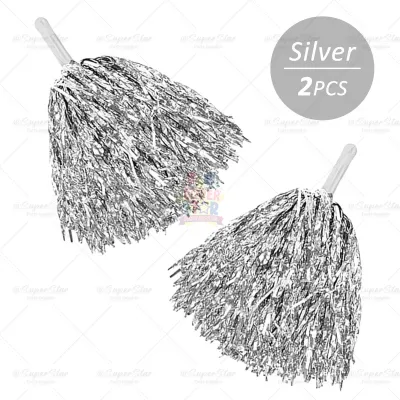
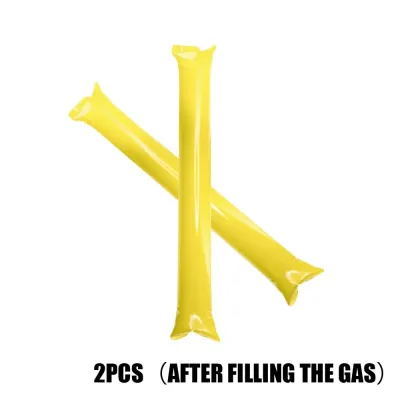
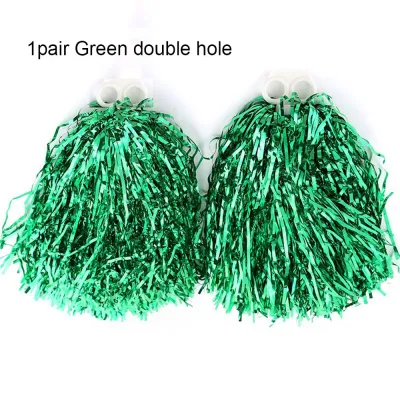
Prices are valid at publication and may change. Please refer to the product page for the latest price.
Core Apparel and Footwear for Tropical Climates and High Impact
Competition Uniforms and Practice Wear
When selecting competition uniforms and daily practice wear, fabric technology is the most critical factor. High-performance synthetic blends, such as polyester-spandex and nylon-spandex, are the industry standard because they provide essential four-way stretch. This elasticity allows flyers to execute splits and kicks seamlessly, while bases can crouch, lift, and catch without the risk of fabric tearing.

In the humid Philippine climate, moisture-wicking and quick-drying properties are absolute necessities. Advanced synthetic fabrics pull sweat away from the skin to the outer layer of the garment, where it can evaporate quickly. This prevents the uniform from becoming heavy, clingy, and uncomfortable during long, high-energy routines. Additionally, squads must look for garments with flatlock stitching, which minimizes skin chafing during repetitive, high-impact movements.
Compliance with school and league regulations is another key consideration. Major collegiate leagues like the UAAP, as well as local school sports boards, enforce strict rules regarding uniform designs, modesty, and branding. Uniforms must represent school colors accurately and provide appropriate coverage while allowing judges to evaluate body lines and form clearly. Finally, because cheer uniforms undergo intense friction during stunts and frequent laundering, choosing high-quality, colorfast fabrics ensures the colors remain vibrant and the seams remain intact throughout the entire competitive season.
Cheerleading Shoes for Indoor and Outdoor Venues
Footwear is the single most important piece of safety gear for a cheerleader, and the choice of shoe depends heavily on the performance surface. Indoor cheer shoes are engineered specifically for polished wooden gym floors and foam mats. These shoes are exceptionally lightweight, often weighing under six ounces, to reduce fatigue during tumbling and jumps. They feature low-profile cushioning, flat outsoles for maximum surface contact, and specialized finger grooves or stunt grips on the sides and heels. These grooves allow bases to maintain a secure, slip-free hold on the flyer’s feet during high-level extensions.
Conversely, outdoor cheer shoes are built to withstand the abrasive surfaces of concrete plazas, asphalt tracks, and grass fields often used during school sports festivals. These shoes feature durable rubber outsoles with deeper tread patterns to provide reliable grip on uneven or dusty ground. The upper materials are typically more robust, using synthetic leather or reinforced mesh to protect the feet from dirt and debris.
Before purchasing, squads must carefully verify manufacturer specifications regarding weight, traction patterns, and lateral ankle support. Premium cheer shoes in the local market typically range from ₱3,500 to ₱8,000, and choosing a pair with the correct specifications is a critical safety investment. It is highly dangerous to perform cheerleading routines in standard running shoes or fashion sneakers. Running shoes are designed with thick, curved foam midsoles and elevated heels optimized for forward linear motion. This design creates severe lateral instability, making ankle rolls, slips, and joint sprains highly likely during lateral dance steps, tumbling landings, or stunt transitions.
Visual and Audio Props for Maximum Crowd Engagement
In major collegiate divisions like the UAAP, props are not merely decorative; they are integrated into the official scoring criteria for crowd leading and visual impact. Choosing the right props can elevate a routine, turning a standard athletic performance into an engaging, school-spirited show that resonates with the audience and judges alike.
Pom-poms are the most common visual prop, and their selection should balance visual appeal with durability. Metallic foil pom-poms are highly favored for competition days because they catch and reflect arena lighting, creating a shimmering effect that is easily visible from the upper bleachers of large coliseums. However, for daily practice sessions, durable plastic or vinyl pom-poms are more practical because they resist fraying and crushing. Squads should also pay attention to handle design; ergonomic baton handles or hidden elastic bands help prevent hand fatigue and ensure the poms do not slip out of athletes’ hands during rapid arm motions.
Megaphones and custom banners are equally important for vocal and visual projection. Lightweight, molded plastic megaphones allow flyers and front-line cheerleaders to project their voices clearly over loud drumlines and cheering crowds. Custom-printed vinyl banners or rigid foam-board signs are used to display school acronyms and direct the crowd’s chants. When selecting these props, squads must consider the size and weight relative to the athletes’ age and physical strength. Oversized or heavy props can slow down transitions, disrupt the flow of the choreography, and increase the risk of collisions on the performance floor.
Safety Mats and Protective Gear for Stunts and Tumbling
Executing high-flying stunts, basket tosses, and complex tumbling passes requires a strict commitment to safety. While physical preparation is paramount, utilizing appropriate safety mats and protective gear is essential to minimize the risk of acute injuries during practice and performance.
For daily training and routine progression, high-quality safety mats are non-negotiable. Folding tumbling mats and thick foam crash mats provide the necessary shock absorption to protect athletes’ joints from repetitive impact. This is especially critical when squads are forced to practice on hard, unforgiving surfaces like school concrete courts or grassy fields. Mat thickness and foam density must be carefully matched to the height of the stunts and the skill level of the athletes. Standard panel mats, usually 1.38 to 2 inches thick, are suitable for basic tumbling and low-level stunts. However, for advanced pyramids and high-velocity basket tosses, thicker landing mats (ranging from 4 to 8 inches) are required. Squads must always verify manufacturer specifications, safety labels, and non-slip backing before using any matting.
In addition to mats, basic joint supports can help athletes manage the physical strain of cheerleading. Neoprene wrist wraps, ankle braces, and knee sleeves provide compression and lateral stability, helping to prevent minor strains and hyperextensions. However, sports safety guidelines emphasize that protective gear and mats are supplements to, not replacements for, proper spotting, progressive training, physical conditioning, and qualified coaching supervision. Equipment cannot replace athletic judgment; if a stunt feels unstable or if proper spotting is unavailable, the team must halt the maneuver immediately to prevent injury.
Maintenance and Competition Day Checklist
Proper maintenance of cheerleading gear not only extends its lifespan but also directly affects the safety and readiness of the squad on competition day. Establishing a rigorous maintenance routine ensures that uniforms, shoes, and safety equipment remain in peak condition.
On competition day, squads should follow a structured checklist to avoid last-minute mishaps. First, inspect the outsoles of all cheerleading shoes; wipe them down with a damp microfiber cloth to remove any dust, dirt, or floor wax, which restores maximum grip on the performance floor. Second, conduct a thorough uniform check, ensuring all zippers, clasps, snaps, and elastic bands are secure and function properly. Finally, organize all props, such as pom-poms, megaphones, and signs, into designated, labeled gear bags so they can be accessed instantly during the fast-paced transitions of the event.
For routine maintenance, simple, reversible steps can preserve gear quality over multiple seasons. Uniforms should be turned inside out, washed in cold water, and air-dried completely. High-heat dryers must be avoided, as heat degrades the spandex fibers and can cause heat-pressed school logos to peel. Safety mats should be wiped down after every practice session using manufacturer-approved, non-abrasive disinfectant cleaners to prevent the buildup of sweat, bacteria, and unpleasant odors. Pom-poms should be stored loosely in breathable mesh bags; packing them tightly under heavy equipment will permanently crush and ruin the filaments.
Finally, squads must establish clear criteria for retiring damaged gear. Shoes with worn-out treads or compromised heel counters, and mats with torn vinyl covers or compressed foam that bottoms out under impact, must be retired immediately to protect athletes from unnecessary injury.
Frequently Asked Questions (FAQ)
Can squads use standard running shoes for school sports festivals?
Standard running shoes are highly discouraged for cheering and stunting. Running shoes are engineered with thick, cushioned, and elevated heels designed for forward linear motion, which creates a high center of gravity. This design provides very little lateral support, making ankle rolls, slips, and joint sprains highly likely during lateral dance movements, tumbling passes, or stunt cradles. Additionally, running shoes lack the flat, stable outsoles and specialized finger grips that bases need to safely support and hold a flyer’s feet. Squads should always opt for flat-soled court shoes or dedicated cheerleading shoes.
How do we choose the right pom-pom size for different routine styles?
Selecting the right pom-pom size depends on the choreography and the main objective of the routine. For crowd-leading and traditional halftime performances, larger, fuller pom-poms (typically 6 to 8 inches in diameter) are ideal because they provide maximum visual impact and can be easily seen by spectators in distant bleachers. For fast-paced, highly competitive dance routines that feature intricate arm movements and rapid formations, smaller, denser pom-poms (around 4 to 5 inches) are preferred. These smaller poms reduce wind resistance, prevent visual clutter during complex hand transitions, and are lighter, which helps reduce athlete fatigue.
Community discussion
Share your experience or ask a question. Comments are reviewed before publication.