
The physical demands of dragon boat racing require synchronization, power, and endurance. To perform effectively and safely on the water, having the right gear is essential. However, building a functional gear list for dragon boating requires balancing personal safety, athletic performance, and team requirements. You do not need to purchase every piece of equipment immediately to participate in training sessions or local regattas.
A complete checklist of non-negotiable basic dragon boat accessories includes:
- Water footwear: Non-slip, quick-drying shoes to protect your feet during embarkation.
- Sun protection: UPF-rated clothing, polarized sunglasses, and reef-safe sunscreen.
- Hydration gear: An insulated water bottle with a secure attachment point.
- Dry bag: A waterproof container to protect personal belongings from splashes and rain.
While specialized paddles and personal flotation devices (PFDs) are critical to the sport, whether you need to purchase them personally depends on your team’s provisions and your experience level. Most local clubs supply standard paddles and safety vests for training. The following sections will help you diagnose exactly what you need to buy based on your role and experience, ensuring you invest in gear that offers genuine utility while skipping unnecessary expenses.
Products mentioned in this guide
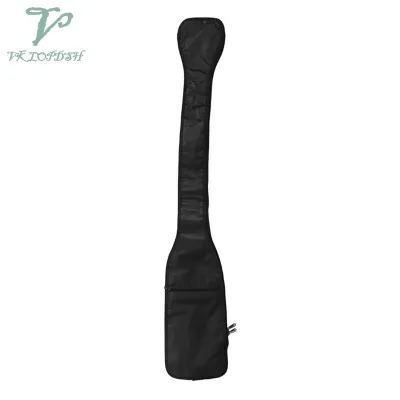

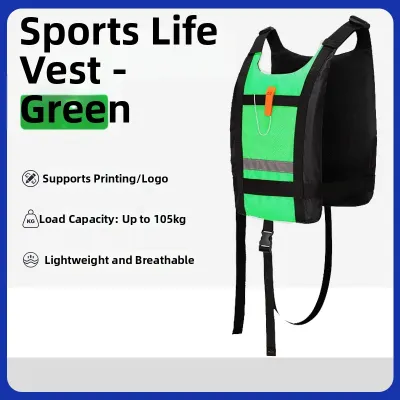
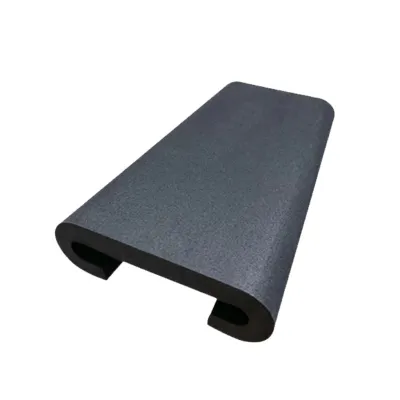
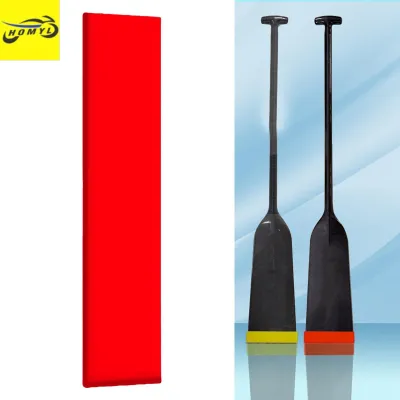
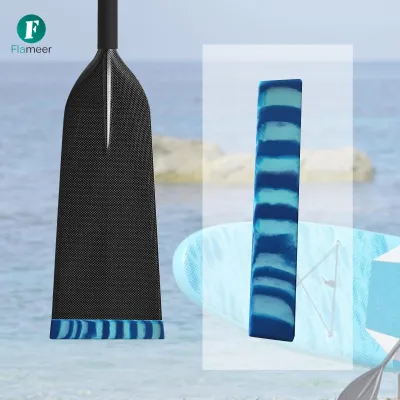
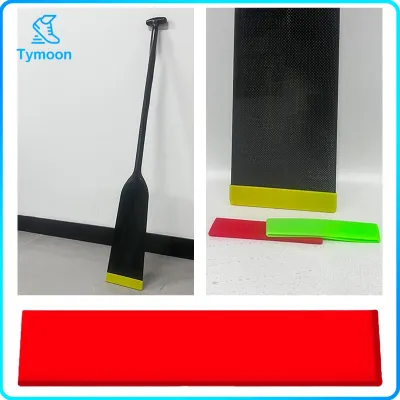
Prices are valid at publication and may change. Please refer to the product page for the latest price.
Diagnose Your Needs by Role and Experience Level
Your position in the boat directly influences the physical demands placed on your body and, consequently, the specific gear you require. Before purchasing any dragon boat accessories, evaluate your designated role to avoid buying items that do not align with your movements or responsibilities.
Sweep, Drummer, and Paddler Requirements
The sweep, or steersperson, stands at the rear of the boat and is responsible for steering the craft. Because the sweep remains standing throughout the session, they require specialized water shoes with exceptional, non-slip rubber soles to maintain balance on wet, shifting surfaces. Additionally, because the sweep does not sit under the partial shade of other paddlers, they experience maximum exposure to the elements and require robust, full-body sun protection, including wide-brimmed hats and polarized sunglasses with secure neck straps.
The drummer sits at the bow, facing the crew, and sets the stroke rate. This position requires secure footing to remain stable while drumming, but the primary focus is on upper-body mobility. A drummer’s gear must be streamlined; loose straps, bulky PFDs, or oversized clothing can snag on the drum or drumsticks, disrupting the rhythm. Drummers also face the brunt of head-on wind and oncoming waves, making a lightweight windbreaker or a highly water-resistant outer layer highly beneficial during early morning or rainy training sessions.
Standard paddlers sit in pairs along the benches, executing repetitive, high-intensity strokes. For these athletes, comfort during repetitive motion is the priority. Paddlers require gear that minimizes skin chafing, such as seamless athletic wear, and splash protection to handle the constant water spray from the paddles ahead. Their accessories must facilitate a full range of motion in the shoulders and torso without causing friction or restriction.
Beginner vs. Advanced Paddler Upgrades
If you are a beginner, your initial focus should be on basic safety, personal hygiene, and comfort. Rely on your team to provide shared equipment like dragon boat paddles and standard PFDs. During your first few weeks of training, you do not need to invest in high-end carbon fiber gear. Instead, focus on acquiring appropriate clothing, basic water footwear, and hydration accessories.
As you transition to an advanced paddler, several key signals will indicate that you are ready to upgrade your gear. If you increase your training frequency to multiple times a week, compete in varied weather conditions, or experience recurring physical discomforts like blisters, joint strain, or tailbone soreness, personal upgrades become necessary. A personal, custom-fitted paddle and a high-performance PFD are the primary upgrades for dedicated athletes.
Before making any major personal purchases, always consult your coach or team captain. Dragon boat clubs often have strict rules regarding paddle dimensions, blade shapes, and safety certifications to comply with local and international race standards. Consulting leadership ensures your personal gear is fully compatible with team regulations and competition guidelines.
Essential Safety and Performance Gear
Water sports carry inherent risks of drowning, exposure, and physical strain. Safety equipment is a secondary line of defense; it cannot replace formal water safety training, swimming proficiency, and sound judgment under the guidance of certified coaches. Always inspect your safety gear before launching and follow all manufacturer instructions.

Personal Flotation Devices and Water Footwear
A personal flotation device (PFD) is the most critical safety accessory on the water. Before purchasing a personal PFD, check if your team provides standard vests that meet local safety regulations. If you decide to buy your own, look for recognized safety certification labels on the product, such as the ISO or USCG standards. The PFD must fit snugly around your torso without restricting your shoulder rotation or arm movement during a stroke. Ensure it features quick-release buckles and adjustable straps so you can customize the fit over different layers of clothing.
Footwear is equally vital for safety and hygiene. Bare feet are highly susceptible to cuts from rocks, shells, or debris during boat embarkation, while heavy cotton sneakers retain water, weigh you down, and increase the risk of slipping. Opt for dedicated water shoes or neoprene booties. Look for models with secure heel straps or drawstring closures to prevent them from slipping off in the water. The soles should be made of non-marking, high-traction rubber designed specifically for wet, slippery boat decks and muddy banks.
Paddles and Tropical Sun Protection
Beginners should utilize team-provided paddles to learn proper paddling technique and build baseline endurance. Once you are ready to purchase your own paddle, check the specific regulations of your club and the International Dragon Boat Federation (IDBF) guidelines. Verify the permitted paddle length, blade shape, and materials. Carbon fiber paddles are lightweight and reduce joint fatigue during long sessions, while fiberglass options offer a more budget-friendly entry point for developing paddlers.
In the tropical climate of the Philippines, intense UV exposure and high humidity present significant health risks, including heat exhaustion and severe sunburn. To protect yourself during long training sessions on open water, wear UPF-rated long-sleeve rash guards that shield your skin from UV rays. Polarized sunglasses block harsh glare off the water surface; always secure them with a floating retention strap to prevent them from sinking if they fall. Apply a water-resistant, reef-safe sunscreen to all exposed skin, checking the product label for the specific water-resistance duration and reapplication intervals.
Comfort, Maintenance, and Recovery Add-Ons
Once safety and performance basics are established, you can evaluate secondary accessories that improve your training experience. These items should be selected based on your personal comfort levels, physical feedback during practice, and training frequency.
Seat Pads, Gloves, and Grip Aids
The wooden benches of a dragon boat are hard and unyielding, often causing discomfort or chafing during long training sessions. A specialized dragon boat seat pad made of closed-cell foam or gel can alleviate pressure on your sit bones. When choosing a seat pad, avoid models that are excessively thick. A pad that is too thick raises your center of gravity, which can compromise your stability in the boat and alter your stroke mechanics. Look for slip-resistant textures on the bottom of the pad to keep it securely in place on the bench.
Paddling gloves are a common consideration for hand protection, but they come with trade-offs. While gloves can prevent painful blisters and skin tears, they also reduce your direct tactile feel of the paddle shaft, which can affect your grip control and stroke precision. If you prefer not to wear gloves, alternative grip aids include athletic tape wrapped around high-friction areas of your fingers or specialized grip waxes applied directly to the paddle shaft. Test these options during short practice sessions to determine which method best supports your grip without causing discomfort.
Hydration and Dry Storage Solutions
Maintaining hydration is critical when training in high temperatures and humidity. Select an insulated, spill-proof water bottle that can keep your water or electrolyte drinks cool for several hours. The bottle should feature a secure lid and a built-in loop or carabiner, allowing you to tether it directly to the boat’s internal ribbing. This prevents the bottle from rolling around the bottom of the boat, getting lost, or creating a tripping hazard for your teammates.
Protecting your personal electronics, car keys, and dry clothing from water damage requires a reliable dry storage solution. A roll-top dry bag with fully welded seams is the industry standard for water sports. When purchasing a dry bag, check the manufacturer’s volume specifications—a 5-liter to 10-liter bag is typically sufficient for personal items. Before trusting the bag with valuable electronics, perform a simple home test by sealing it with a dry paper towel inside and submerging it in water to verify the integrity of the seal.
What to Skip or Borrow as a Beginner
When starting your dragon boat journey, it is easy to get swept up in buying specialized gear. However, purchasing advanced equipment too early can lead to wasted money on items that do not suit your developing technique.
Avoid purchasing the following items during your first season:
- High-end carbon fiber paddles: Your stroke mechanics and preferred paddle length will change as you develop proper form, meaning an early purchase may quickly become unsuitable.
- Custom-fitted racing PFDs: These are expensive specialty items that offer minimal benefit over standard, team-provided safety vests during initial training.
- Specialized racing uniforms: Most clubs require specific team apparel for official races, so buying generic racing gear early on is often unnecessary.
The most practical path is to borrow or rent shared equipment during your first season. This approach allows you to observe what gear experienced teammates use, ask for recommendations, and test different paddle weights and lengths. Only invest in personal upgrades when you identify a specific, recurring physical need or when you commit to a regular competitive schedule.
Frequently Asked Questions (FAQ)
Do I need to buy my own dragon boat paddle?
No, beginners do not need to buy their own paddle immediately. Most dragon boat clubs provide standard paddles for training sessions, allowing you to learn proper technique before investing in personal gear. Once you commit to regular training and understand your preferred paddle length and weight, consult your coach before purchasing an IDBF-approved paddle.
What type of shoes are best for dragon boating?
The best footwear for dragon boating consists of closed-toe water shoes or neoprene booties featuring non-marking, high-traction rubber soles and secure heel straps. These shoes protect your feet from hazards during embarkation and prevent slipping on wet boat surfaces. Avoid bare feet, flip-flops, or heavy running shoes that retain water and weigh you down.
How do I prevent blisters during long training sessions?
To prevent blisters, apply athletic tape to high-friction areas of your hands before paddling, or use specialized grip wax on your paddle shaft to reduce slipping. Alternatively, you can wear thin, fingerless paddling gloves designed for water sports. Ensure your hands and paddle shaft are clean, and regularly inspect your paddle for any rough spots that require sanding.
Community discussion
Share your experience or ask a question. Comments are reviewed before publication.