
Selecting the right water bottle tumbler for your gym sessions is more than a matter of aesthetics; it directly impacts your workout flow, hygiene, and hydration efficiency. The ideal workout companion must deliver reliable leak prevention, comfortable ergonomics for sweaty hands, and temperature control that can withstand humid environments. By focusing on practical design elements rather than marketing hype, you can find a durable container that fits seamlessly into your fitness routine.
In tropical climates where humidity is high and workouts quickly lead to heavy perspiration, these features transition from mere conveniences to absolute necessities. Choosing the right tumbler ensures you stay hydrated without dealing with messy spills, warm water, or slippery drops mid-set. Evaluating how a bottle performs under dynamic movement will help you avoid common gym-floor frustrations.
Quick Checklist: Core Features for Gym Hydration
Before purchasing a new workout tumbler, keep these essential specifications in mind to ensure it meets the demands of your training environment:
Products mentioned in this guide
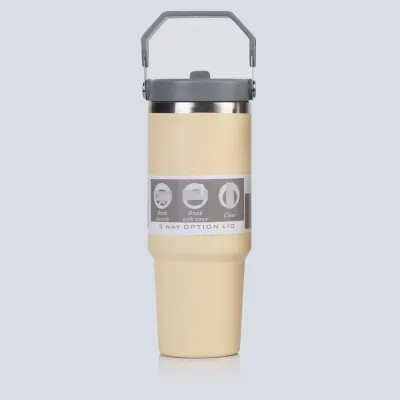
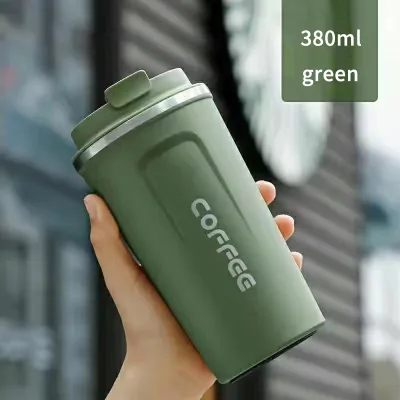
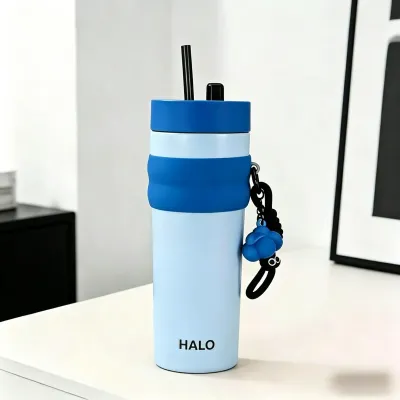
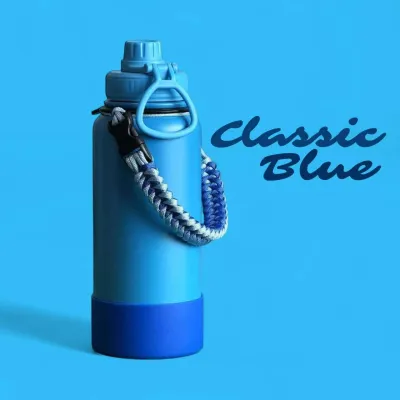
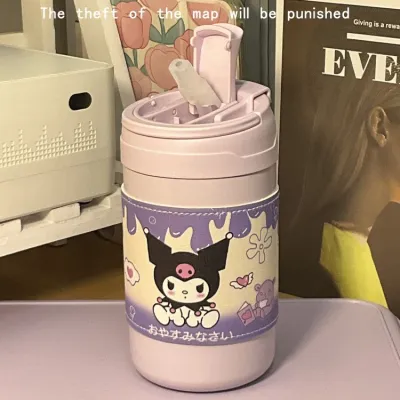
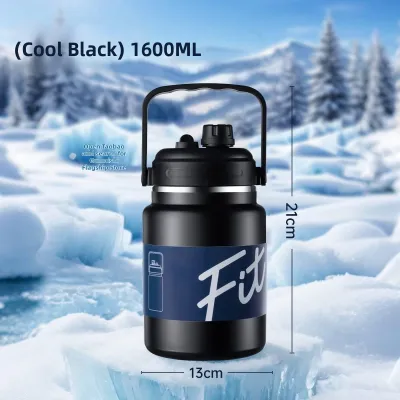
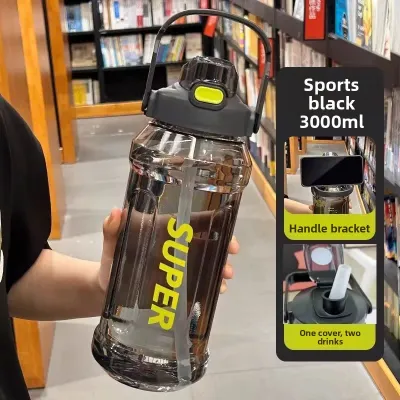
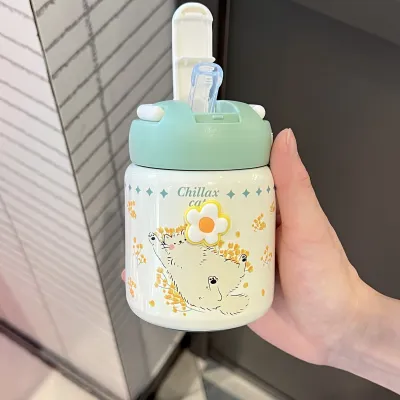
Prices are valid at publication and may change. Please refer to the product page for the latest price.
- Capacity Range: Look for 500ml to 750ml for short, high-intensity sessions, or 1L and above for endurance training and longer workouts.
- Lid Mechanism: Prioritize one-handed operation, such as push-button or straw lids, equipped with a secondary physical lock to prevent accidental spills.
- Grip and Exterior: Choose textured powder coatings or integrated silicone sleeves that offer secure handling when your hands are wet.
- Base Dimensions: Verify that the base diameter is under 7.5 centimeters if you plan to use treadmill, elliptical, or stationary bike cup holders.
- Material and Insulation: Opt for double-wall vacuum-insulated stainless steel to prevent exterior condensation and keep water cold, or BPA-free Tritan plastic for a lightweight, shatterproof alternative.
Matching Tumbler Capacity to Your Workout Intensity
Your hydration volume should align directly with the duration and intensity of your exercise. A workout in a local, non-airconditioned gym will demand significantly more fluid replacement than a light stretching session in a climate-controlled studio. For moderate workouts lasting under an hour, a capacity of 500ml to 750ml provides a practical balance, supplying enough water without becoming overly heavy to carry between exercise stations.

For extended training sessions, high-intensity interval training (HIIT), or heavy strength training, a larger capacity of 1L to 1.5L is highly beneficial. These larger volumes reduce the need to constantly interrupt your momentum for trips to the gym’s water refilling station. However, keep in mind that water weighs approximately one kilogram per liter; a massive container can quickly become a cumbersome burden in your gym bag.
Before committing to a high-capacity tumbler, check its external dimensions against your daily gear. Measure your gym bag’s side pockets and the dimensions of the lockers at your local fitness center. A bottle that is too tall to stand upright in a standard locker will force you to store it horizontally, increasing the risk of slow leaks onto your clean clothes and towel.
Evaluating Lid Designs and Leak-Proof Performance
A tumbler’s lid design dictates how easily you can drink mid-workout and how safely the bottle can roll around in your gym bag. Screw-top lids offer the most secure, leak-proof seal because of their threaded connection, making them excellent for transit. However, they require two hands to open, which can disrupt your rhythm during active cardio or weightlifting sets.
Flip-top and push-button lids provide rapid, one-handed access, allowing you to take quick sips between sets without losing focus. When evaluating these designs, look for models that feature a secondary physical locking mechanism, such as a metal latch or a sliding button lock. This extra safety feature prevents the lid from popping open if another piece of gear presses against it inside your bag.
Straw lids are highly favored by cardio enthusiasts because they allow you to drink without tilting your head back, keeping your eyes on the treadmill belt or the road ahead. The trade-off is that straw mechanisms contain more moving parts and small crevices where bacteria can hide. Regardless of the style you choose, inspect the lid for a thick, well-seated silicone gasket and deep, clean threads that prevent water from bypassing the seal under pressure.
To verify any manufacturer’s leak-proof claims, perform a simple dry-run test at home before taking a new tumbler to the gym. Fill the bottle with water, secure the lid tightly, and hold it upside down over a sink for thirty seconds. Shake it firmly to simulate the dynamic movement of a bouncing gym bag; any immediate dripping or moisture buildup around the threads indicates a faulty seal or poor alignment.
Material Choices and Temperature Retention for Workouts
The material of your water bottle tumbler determines its durability, weight, and ability to keep your beverages cold. Single-wall plastic or metal bottles are lightweight and budget-friendly, but they offer no insulation. In warm, humid environments, cold water inside a single-wall container will quickly warm up, making your drink less refreshing as your workout progresses.
Double-wall vacuum insulation is the gold standard for temperature retention. This construction features an inner and outer wall with a sealed vacuum gap in between, which virtually eliminates heat transfer. This technology keeps your water ice-cold for hours, even during outdoor boot camps or midday training sessions. When shopping, look for food-grade 18/8 (304) stainless steel, which is highly resistant to rust, punctures, and odor retention.
If weight is your primary concern, high-quality Tritan plastic is an excellent alternative. While it does not offer insulation, Tritan is exceptionally durable, shatter-resistant, and completely BPA-free. It is a practical choice for quick indoor workouts where water stations are readily available and long-term temperature retention is not a priority.
In high-humidity regions, exterior condensation is a major issue for non-insulated bottles. This “sweating” creates slippery surfaces and leaves puddles on gym equipment, which can damage electronic consoles on treadmills or make vinyl weight benches dangerously slick. Choosing a double-wall insulated tumbler or a bottle with a high-quality powder-coated finish ensures the exterior remains dry and easy to hold throughout your session.
Grip, Ergonomics, and Gym Floor Portability
When you are in the middle of a strenuous workout, sweaty hands can make a smooth metal or plastic tumbler incredibly difficult to hold. To prevent accidental drops, look for physical design elements that enhance tactile friction. Textured powder coatings applied directly to stainless steel provide an excellent, slip-resistant surface that remains secure even when wet.
Silicone sleeves are another effective solution, offering a rubbery, high-grip surface around the middle of the bottle. Some tumblers feature contoured bodies with ergonomic finger grooves, which naturally guide your hand into a secure holding position. Additionally, check for integrated carry loops or flexible handles on the lid, which allow you to carry your bottle with a single finger while keeping your hands free for your phone, keys, or gym towel.
Gym floor portability also depends heavily on how well the bottle fits into standard fitness equipment. Most treadmills, stationary bikes, and elliptical machines feature built-in cup holders designed for standard beverage sizes, typically accommodating diameters up to 7.5 centimeters. Oversized, wide-bottom tumblers will not fit into these holders, forcing you to place your bottle on the gym floor where it can easily be stepped on, kicked over, or contaminated by floor dirt.
Building Your Personalized Gym Tumbler Shortlist
To find the best water bottle tumbler for your specific routine, establish a structured decision process based on your budget, workout style, and maintenance preferences. In the local market, gym tumblers generally range from entry-level options around ₱400 to ₱800, up to premium insulated models that cost between ₱1,500 and ₱3,000. Setting a realistic budget helps narrow your choices immediately without sacrificing essential safety features like BPA-free materials.
Next, match your primary workout type to the most suitable tumbler profile:
- Cardio and Spin Class Enthusiasts: Prioritize a lightweight, medium-capacity (500ml to 700ml) tumbler with a straw lid and a slim base that fits securely into machine cup holders.
- Strength Trainers and Powerlifters: Opt for a rugged, double-wall stainless steel tumbler (750ml to 1.2L) with a durable powder coating and a protective silicone boot to absorb impacts on concrete or rubber gym floors.
- Outdoor and Crossfit Athletes: Choose a high-capacity, fully insulated bottle with a heavy-duty carry handle and a secure, dust-protected spout lid to keep dirt and debris away from the drinking surface.
Finally, consider the ease of cleaning and long-term maintenance. Look for wide-mouth designs that allow you to easily reach the bottom with a standard bottle brush. Before purchasing, check if the manufacturer offers individual replacement parts, such as extra lids, straws, or silicone gaskets. Being able to replace a worn-out seal rather than buying an entirely new tumbler will save you money and extend the lifespan of your gear.
Frequently Asked Questions (FAQ)
How often should I deep clean my gym tumbler to prevent odors?
You should rinse and wash your gym tumbler with warm water and mild dish soap after every single workout. For a thorough deep clean, especially if you notice a musty smell or lingering supplement odors, mix warm water with a teaspoon of baking soda or use a specialized bottle-cleaning tablet. Let the solution soak inside the bottle for 15 to 30 minutes, then scrub the interior thoroughly with a soft-bristled bottle brush. Always remove the flexible silicone gaskets from the lid and clean underneath them, as trapped moisture in these tight spaces is the primary cause of mold growth. Allow all components to air-dry completely in a well-ventilated area before reassembling the bottle.
Can I put pre-workout supplements or protein shakes in an insulated tumbler?
Yes, but you must follow strict hygiene practices to prevent permanent odors and bacterial growth. High-quality stainless steel is highly resistant to staining and flavor absorption, making it suitable for pre-workout powders and amino acids. However, protein shakes contain dairy or plant-based proteins that spoil incredibly fast when exposed to warmth. If you mix protein shakes in your tumbler, wash it immediately after you finish drinking. Leaving protein residue in a sealed, warm container for even a few hours can create a severe, foul odor that is extremely difficult to eliminate. Additionally, avoid using intricate straw lids for thick shakes, as the narrow tubing is difficult to clean properly without specialized micro-brushes.
Why does my stainless steel tumbler sweat on the outside during workouts?
A properly functioning double-wall vacuum-insulated tumbler should never sweat on the exterior, even when filled with ice water in a highly humid tropical gym. If you notice condensation forming on the outside of your stainless steel bottle, it is a clear sign that the vacuum seal has been compromised. This damage typically occurs after a hard drop onto a concrete floor or a heavy impact against gym equipment, which can cause a microscopic crack or dent in the outer shell. Once air enters the vacuum insulation barrier, heat transfers freely between the cold beverage and the warm, humid air outside, causing moisture to condense on the surface. If your bottle begins to sweat and loses its ability to keep drinks cold, the internal insulation layer is no longer functional.
Community discussion
Share your experience or ask a question. Comments are reviewed before publication.