
Selecting the right gear for your child’s water activities involves balancing comfort, safety, and convenience. When wrapping up a fun day at the beach or pool, a high-quality poncho towel serves as a versatile solution, combining the functions of a dry towel, a warm cover-up, and a mobile changing room. The most critical features to prioritize when choosing one include fabric absorbency and weight, proper length and sleeve coverage, and a secure neck and hood design that simplifies changing while protecting against coastal winds.
In the tropical climate of the Philippines, where high humidity and sudden sea breezes are common, selecting the right specifications is key. A towel that works perfectly in an air-conditioned indoor pool might feel stifling on a humid beach in Batangas, while a thin, ultra-lightweight option might fail to keep a shivering child warm after a long swim. By evaluating these features systematically, you can find a poncho towel that keeps your child comfortable and makes outdoor transitions stress-free.
Fabric and Absorbency: Balancing Warmth and Drying Speed
The material of your child’s poncho towel dictates how quickly it absorbs water from the skin and how fast the garment itself dries afterward. In humid tropical environments, drying speed is a major consideration for parents who want to avoid packing heavy, damp gear at the end of the day.
Products mentioned in this guide
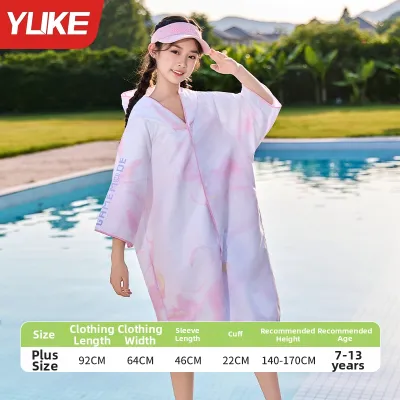
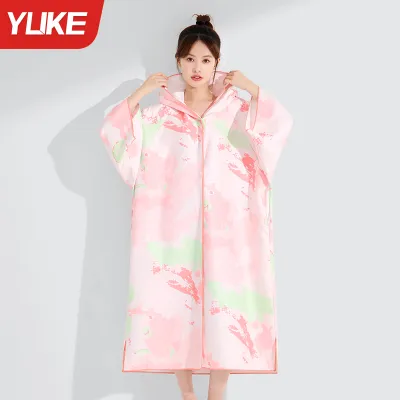
Prices are valid at publication and may change. Please refer to the product page for the latest price.
- Cotton Terry: This traditional fabric is highly valued for its natural, loop-woven texture, which excels at trapping moisture instantly. It provides excellent warmth, making it ideal for cooler afternoons or air-conditioned environments. However, cotton terry becomes significantly heavy when wet and takes a long time to dry in high humidity, which can lead to musty odors if kept in a beach bag.
- Microfiber: Composed of synthetic fibers, microfiber is exceptionally lightweight and packs down small. It absorbs water quickly through capillary action and dries at a fraction of the time required for cotton. While it does not offer the same plush, traditional feel as cotton, its rapid-dry capability makes it highly practical for multiple swim sessions.
- Bamboo Blends: Combining bamboo rayon with cotton yields a fabric that is incredibly soft, highly absorbent, and naturally gentle on sensitive skin. Bamboo blends offer a premium, silky texture that remains soft even after repeated exposure to saltwater and chlorine, though they often require gentler laundering to maintain their integrity.
Fabric weight is measured in grams per square meter (GSM), which serves as a reliable indicator of thickness and warmth. For warm climates, a mid-range GSM of 250 to 350 offers an excellent balance, providing sufficient warmth when stepping out of the water without becoming overly bulky. Heavier fabrics (400 GSM and above) are highly insulating but may feel too warm and heavy under the tropical sun.
Rather than relying on vague marketing claims like “instant-dry” or “ultra-absorbent,” parents should look at the physical care label or manufacturer specifications to verify the exact fiber blend and GSM. This ensures you know exactly how the fabric will behave when wet and how much care it will require during washing.
Texture is another vital factor, especially for children with sensitive skin or mild sunburns. Saltwater and pool chlorine can leave the skin feeling tight and irritated. A plush, looped texture or a sheared velvet-cotton finish feels gentler against sensitized skin compared to flat-weave fabrics, reducing friction and discomfort during drying.
Fit and Coverage: Choosing the Right Length and Sleeve Style
A poncho towel must provide adequate coverage to keep your child warm and protected from the elements, while also offering enough interior space to allow for comfortable changing outdoors.

- Mid-Thigh Length: This shorter cut offers maximum mobility, making it an excellent choice for active toddlers who want to run around the pool deck or beach without tripping. However, it provides minimal wind protection and very little privacy if the child needs to change out of a wet swimsuit underneath.
- Knee-Length: Widely considered the most versatile option, a knee-length poncho provides a balanced mix of mobility and coverage. It keeps the torso and upper legs warm while offering sufficient length to allow a child to pull their knees inside to change comfortably.
- Ankle-Length: Offering maximum privacy and wind protection, ankle-length ponchos are ideal for older children who change on crowded public beaches. The primary trade-off is the risk of tripping, especially when walking on uneven sand, climbing pool stairs, or running.
Sleeve design also influences warmth, sun protection, and ease of movement. Sleeveless designs offer the greatest freedom of movement and are the easiest to slip on and off quickly. Short-sleeve options provide extra sun protection for the shoulders and help retain core body warmth. For maximum warmth and privacy, some designs feature wide sleeves with side snaps, allowing the poncho to be opened up completely for easy changing and then snapped shut to block out drafts.
When selecting a size, avoid relying solely on generic age brackets like “Ages 4-6” or standard small, medium, and large labels, as sizing standards vary dramatically between manufacturers. Always measure your child’s height and compare it directly to the manufacturer’s detailed size chart to ensure the hem falls at a safe and functional length.
The ideal fit should be loose and roomy. A generous cut allows your child to pull their arms inside the poncho to wiggle out of a wet swimsuit without exposing themselves. However, parents must ensure the garment is not so oversized that the hem drags in the sand or pool puddles, which quickly ruins the towel’s cleanliness and creates a slipping hazard.
Neck and Hood Design: Ensuring Easy Changing and Wind Protection
The structural details around the head and neck determine how easily a child can put on the poncho towel, especially when their skin and hair are wet, and how well the garment protects them from chilly coastal winds.
- Wide Boat Necks: These simple, open collar designs are incredibly easy to slip over a child's head without tugging on wet hair. The downside is that they leave the neck and upper chest exposed to cool breezes, reducing warmth retention.
- Snap Buttons and Zippers: Placed at the collar, these closures allow parents to widen the opening for easy dressing and then secure it snugly around the neck for warmth. If choosing these, verify that the hardware is made of rust-resistant plastic or marine-grade metal to withstand saltwater exposure.
- Velcro Closures: While highly adjustable and easy for children to operate independently, Velcro can sometimes feel scratchy against sensitive neck skin and has a tendency to snag other fabrics in the washing machine.
Hood design is equally important for drying wet hair and blocking wind. Look for a hood that is spacious enough to accommodate thick or long hair without pulling the rest of the poncho upward. An inner lining made of cotton terry or absorbent microfiber significantly improves drying efficiency, while features like a secure snap or adjustable tab help keep the hood in place during breezy beach days.
Side slits and hem closures play a major role in keeping the towel secure. High side slits allow for a full stride when walking or running, but they can let in wind. Snaps along the side seams allow parents to customize the fit, keeping the poncho closed and warm while changing, or open and breezy while lounging.
Safety must remain a top priority when evaluating these design elements. For toddlers and younger children, completely avoid hood designs with long drawstrings, as these present a serious choking and strangulation hazard. Instead, look for elasticized hoods or secure snap closures. Additionally, inspect all snaps, zippers, and toggles to ensure they are smooth, securely attached, and free of sharp edges.
Portability and Maintenance: Practical Considerations for Parents
Beyond how the poncho towel performs at the water’s edge, parents must consider how practical it is to pack, clean, and maintain over a busy summer season.
- Packed Volume and Weight: When packing for a family trip, bag space is always at a premium. Microfiber and lightweight bamboo-blend ponchos roll up into compact, lightweight bundles that fit easily into a standard beach tote. Heavy cotton terry ponchos are bulky and can quickly dominate the storage space in your gear bag, especially once they are wet and heavy.
- Sand Resistance: Traditional looped fabrics like cotton terry act like a magnet for dry sand, trapping particles deep within the fibers. Flat-weave microfiber fabrics, by contrast, allow sand to slide off easily with a quick shake, keeping the sand at the beach rather than bringing it into your car and home.
- Laundering and Durability: Frequent exposure to pool chlorine, saltwater, and intense tropical sunlight can take a toll on fabrics. Check the care label to ensure the poncho is machine washable and can handle regular laundering without excessive pilling, shedding, or color fading. High-quality stitching along the hems and seams is essential to prevent fraying after repeated wash cycles.
- Odor Resistance: Synthetic fabrics can sometimes retain damp, musty smells if they remain wet in a bag for extended periods. While some high-end synthetic options feature antimicrobial or odor-resistant treatments, parents should verify these claims through official product specifications rather than assuming all microfibers behave the same way. To prevent odor buildup, always hang the poncho to dry in a well-ventilated area as soon as possible.
Matching Poncho Towel Features to Specific Water Activities
To make the best purchase decision, match the features of the poncho towel to the specific environment where your child will spend the most time. No single towel is perfect for every scenario, so prioritizing based on activity yields the best results.
- Casual Pool Days: For swimming lessons or clubhouse pool play, prioritize lightweight, fast-drying fabrics like low-GSM microfiber or cotton-poly blends. Look for wide neck openings or simple snap collars that allow for quick, independent changes between swim sessions. Since wind exposure is typically low in these settings, heavy insulation is less critical.
- Beach Play and Sandcastle Building: When spending hours on the shore, sand-resistant fabrics are invaluable. Choose a knee-to-ankle length poncho to give your child a clean, dry barrier to sit on while playing in the sand. A spacious, lined hood is essential here to block the midday sun and protect ears and wet hair from steady coastal winds.
- Active Water Sports: For activities like snorkeling, surfing, or boat trips where wind chill and prolonged water exposure are common, prioritize warmth retention. Choose a thicker, high-GSM cotton terry or heavy bamboo-blend poncho with short sleeves and secure side snaps. This design keeps the core body temperature stable and prevents the towel from blowing open in strong marine breezes.
By identifying your primary water activity, you can easily decide whether to prioritize the ultra-compact, sand-shedding convenience of microfiber or the cozy, wind-blocking warmth of thick cotton terry. Investing in a poncho towel tailored to your child’s specific routine ensures they stay comfortable, warm, and protected during every aquatic adventure.
Frequently Asked Questions (FAQ)
Can a poncho towel replace a regular bath towel at home?
While a poncho towel is highly convenient for outdoor changing and post-swim warmth, it is generally not a complete replacement for a standard bath towel at home. Poncho towels are designed with a loose, draping fit to facilitate changing and movement, which means they do not wrap tightly around the body for thorough towel-drying. Additionally, the fast-drying synthetic fabrics often used in outdoor ponchos do not provide the same plush, highly absorbent feel that most people prefer for daily indoor bathing.
How do I prevent a microfiber poncho towel from losing its absorbency?
To maintain the wicking performance of a microfiber poncho towel, always consult the manufacturer’s care label and avoid using liquid fabric softeners or dryer sheets during laundering. Fabric softeners leave a thin, waxy chemical coating on the synthetic fibers, which clogs the micro-channels and severely reduces their ability to absorb water. For best results, wash microfiber in cool or warm water with a mild detergent, avoid bleach, and air-dry the garment or tumble dry on a low-heat setting, as excessive heat can melt or damage the delicate synthetic fibers.
Are hooded poncho towels safe for toddlers to wear while actively swimming?
No, hooded poncho towels are strictly designed for use on land or on a boat after swimming; they are not safety devices or swimwear. You must never allow a toddler or child to wear a poncho towel while actively swimming or playing in the water. Once submerged, the heavy fabric absorbs water rapidly, becomes extremely heavy, and can wrap around the child’s limbs, severely restricting their movement and posing a critical drowning hazard. Always remove the poncho towel completely before your child enters the water.
Community discussion
Share your experience or ask a question. Comments are reviewed before publication.