
Starting out in fishing can feel overwhelming because of the sheer volume of gear displayed on tackle shop walls and online marketplaces. You do not need a specialized boat, a high-tech sonar device, or a collection of hundreds of artificial lures to catch your first fish. In fact, overcomplicating your gear early on often leads to frustration, tangled lines, and wasted money. The secret to a successful start lies in keeping your equipment simple, reliable, and matched to the specific waters you plan to fish. By focusing on a few fundamental tools, you can confidently head to the water, develop your casting and presentation skills, and start catching fish without straining your budget.
The Minimum Viable Setup: What You Actually Need on Day One
To get started on day one, you only need a handful of essential items: a functional rod and reel combo, a spool of line, a small selection of hooks, some weights, a simple float, natural bait, and a reliable pair of pliers. This basic configuration is known as the “minimum viable setup.” For beginners in the Philippines, a simple spinning rod and reel combo is the most versatile and cost-effective starting point. Whether you are casting for tilapia in a local freshwater pond, targeting mudfish in a rural river, or fishing for small snapper along a coastal jetty, a spinning setup handles these diverse environments with ease.
Before heading out, always check the local weather forecast and tide charts; stop fishing and seek shelter immediately if lightning or severe tropical storms approach. If fishing from deep banks, slippery rocks, or coastal areas, always prioritize personal safety by wearing a personal flotation device and non-slip footwear. Equipment cannot replace personal judgment and situational awareness. Investing heavily at the start does not translate to catching more fish; learning how to read the water, understanding fish behavior, and mastering basic knots will always yield better results than the most expensive premium gear.
Products mentioned in this guide
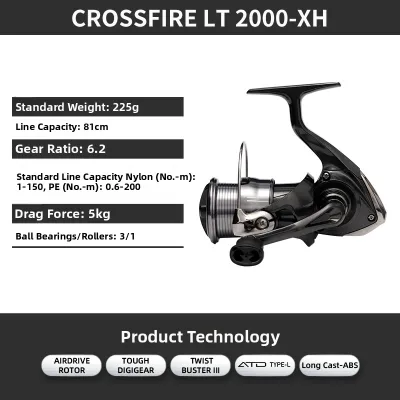
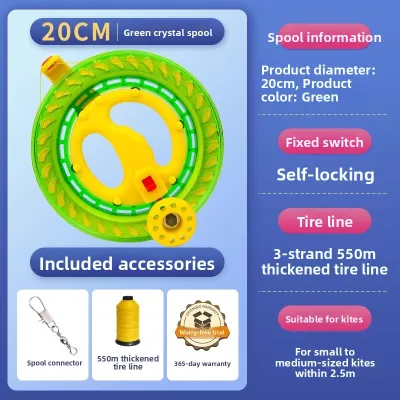
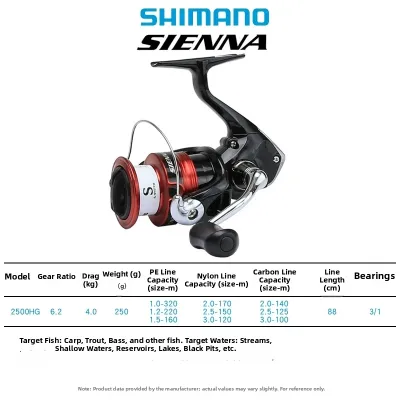
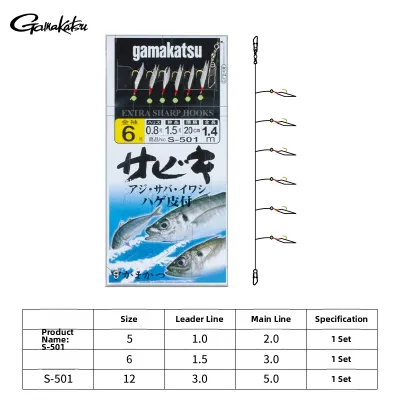
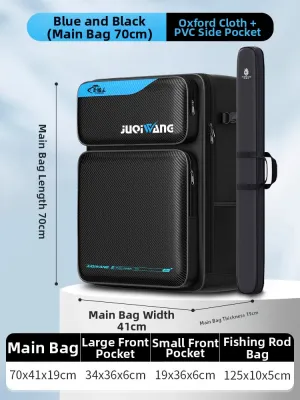
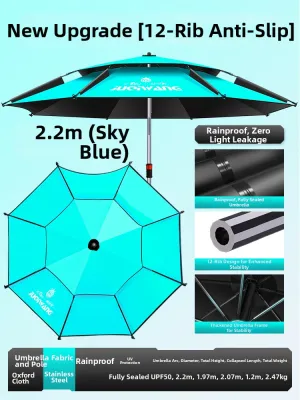
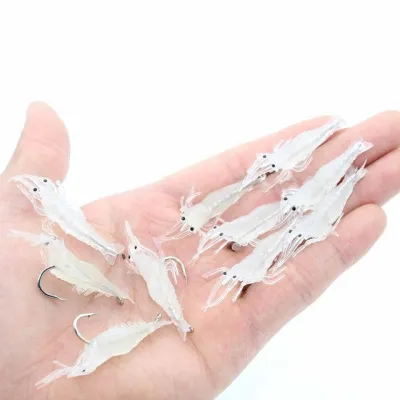
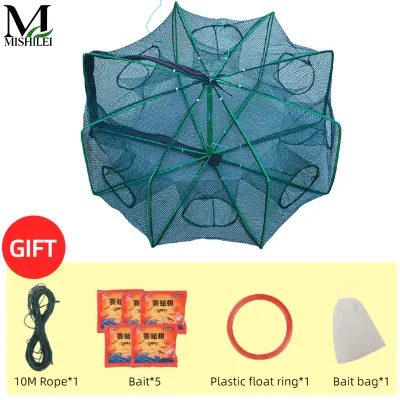
Prices are valid at publication and may change. Please refer to the product page for the latest price.
Diagnose Your Needs: Match Gear to Your Local Waters
Before spending any money, you must evaluate where you will spend most of your time fishing, as the environment dictates the materials and strength of your gear. The Philippines features a humid, tropical climate with high salt concentration in coastal air, which accelerates rust and corrosion on metal components. If you plan to fish primarily along saltwater beaches, rocky shorelines, or brackish estuaries, you must verify that your reel and rod guides are explicitly rated for saltwater use or feature corrosion-resistant materials. Conversely, if you are sticking to inland freshwater lakes, reservoirs, or private fishing ponds, standard freshwater gear will perform beautifully without the added cost of specialized saltwater seals.

Additionally, the average size of your target species determines the power of your rod and the breaking strength of your fishing line. Attempting to catch small tilapia with heavy-duty ocean tackle makes it impossible to feel gentle bites, while using ultra-light gear on strong river current predators can result in snapped lines and lost fish. To filter out unnecessary equipment, ask yourself two simple questions:
- Where will I fish most often? (e.g., calm freshwater ponds, fast-moving rivers, or brackish coastal shores)
- What is the average size of the fish in those waters? (e.g., small panfish under half a kilogram, or larger estuary predators)
If your target is small-to-medium fish in calm waters, a light-to-medium setup is ideal, whereas fast-moving rivers or coastal surf demand a slightly sturdier configuration to handle currents and larger fish.
Building Your Core Kit: Essential Fishing Tools and Equipment
Selecting the Right Rod and Reel Combo
A medium-power, fast-action spinning rod measuring between 6 and 7 feet is the ideal all-rounder for any beginner. “Medium-power” means the rod has enough backbone to handle decent-sized fish while remaining flexible enough to cast lightweight baits easily. “Fast-action” means the rod bends primarily near the tip, providing excellent sensitivity so you can feel when a fish nibbles your bait. Pair this rod with a 2000- or 2500-size spinning reel, which offers the perfect balance of weight, line capacity, and ease of handling for everyday use.
Purchasing a pre-matched spinning combo—where the manufacturer has already paired the rod and reel—is highly recommended for beginners because it ensures the system is perfectly balanced. Balanced gear casts farther, reduces hand fatigue during long days on the water, and minimizes the risk of line tangles. These combos are also incredibly cost-effective, often priced significantly lower than buying a separate rod and reel of equivalent quality.
Line, Hooks, and Terminal Tackle
For your main fishing line, choose a quality monofilament line rated between 8 and 12 pounds (lb) test. Monofilament is highly forgiving for beginners because it stretches under pressure, which helps prevent the line from snapping when a fish makes a sudden run. It is also cheap, easy to knot, and sits smoothly on a spinning reel, unlike braided lines which require advanced knots and can easily tangle into frustrating “wind knots” in drafty coastal areas.
Your terminal tackle kit—the items attached to the end of your line—should remain small and focused. Acquire a variety pack of circle hooks or J-hooks ranging from size 4 to size 1/0, a package of removable split shot sinkers to help your bait sink, and a couple of simple clip-on bobbers to keep your bait suspended at a specific depth. Always handle sharp hooks with care, keeping them secured until ready to rig, and check your surroundings to ensure no one is behind you before casting. Finally, always carry a small pair of long-nose pliers or a dedicated hook remover; this tool is vital for safely removing hooks from a fish’s mouth without injuring the fish or risking a painful cut to your fingers from sharp teeth or dorsal spines.
Bait and Lures for Beginners
When you are learning the ropes, natural bait is your best friend because it appeals directly to a fish’s sense of smell and taste, resulting in more consistent catches. In local Philippine waters, live or fresh wild shrimp (hipon) is the ultimate bait for both freshwater and saltwater species, attracting everything from tilapia to small sea bass. Earthworms, small dough balls made from bread, or local commercial feed pastes are also highly effective, inexpensive, and easily sourced options for freshwater environments.
If you prefer the convenience of artificial lures, bypass the complex and expensive hard-plastic options and stick to a few basic soft plastics or simple metal spoons. A 3-inch soft plastic paddle tail grub mounted on a lightweight jig head mimics a small baitfish perfectly and can be fished at various depths with a simple, steady reel retrieve. Metal spoons are equally effective, casting long distances and creating a flashing vibration in the water that predatory fish find difficult to ignore.
Avoid Overspending: Gear You Can Safely Skip as a Beginner
One of the most common mistakes beginners make is purchasing massive, pre-filled tackle boxes containing hundreds of colorful lures, swivels, and plastic accessories. While these kits look impressive, the vast majority of the included items are low-quality components that will quickly rust and degrade in the high humidity of the Philippines. You will end up using only a fraction of the kit, while the rest becomes a rusted, unusable mass within a few months of storage.
You should also actively avoid specialized equipment like baitcasting reels, which feature a revolving spool that requires precise thumb control during casts. For a novice, baitcasters frequently result in severe line tangles known as “backlashes” or “bird’s nests” that can ruin an entire fishing trip and require cutting away large amounts of line. Similarly, expensive electronics like fish finders, high-end braided lines, and heavy chest waders are completely unnecessary; in our tropical climate, wet-wading in quick-drying shorts and protective water shoes is far more comfortable and practical.
Comfort items such as branded fishing apparel, specialized rod holders, and electronic bite alarms can also be safely skipped during your first year. A simple long-sleeve rash guard or a lightweight long-sleeve shirt, a wide-brimmed hat, and polarized sunglasses provide all the sun protection you need. Focus your budget on the quality of your connection to the fish—your line, hook, and reel drag—rather than surrounding yourself with high-tech accessories that do not improve your basic angling skills.
Smart Progression: When to Upgrade Your Fishing Gear
You will know it is time to upgrade your fishing gear when you can consistently cast, tie knots, and land fish without assistance, and you find your current setup limiting your progress. For example, if you decide to transition from casual pond fishing to targeting large saltwater game fish like talakitok or apahap, you will need a reel with a stronger, sealed drag system and a rod with more lifting power. Do not rush to replace your entire kit at once; instead, upgrade incrementally by investing in a higher-quality reel first, then pairing it with a specialized rod as your budget allows.
To delay the need for costly replacements, establish a strict maintenance routine for your current gear after every single outing. If you fish in or near saltwater, rinse your rod, reel, and pliers thoroughly with gentle, running freshwater to remove salt deposits, then dry them completely with a soft cloth before storing them in a cool, well-ventilated space. Always check your manufacturer’s care instructions for specific lubrication points, and remember to back off your reel’s drag tension when not in use to preserve the integrity of the drag washers.
Frequently Asked Questions (FAQ)
Do I need a fishing license in the Philippines?
For casual, recreational fishing along public beaches, open ocean shores, or public rivers in the Philippines, a national personal fishing license is generally not required. However, specific municipal waters, marine protected areas (MPAs), eco-tourism parks, and private reservoirs or palaisdaan frequently enforce local permits, daily conservation fees, or strict catch-and-release regulations. Always verify the rules with the local barangay hall, municipal tourism office, or property caretakers before casting your line in any unfamiliar body of water.
How much should a beginner spend on their first fishing setup?
A beginner should expect to spend between ₱1,500 and ₱3,500 for a complete, reliable starting setup in the Philippines. This modest budget easily covers a dependable entry-level spinning combo, a spool of monofilament line, a basic selection of hooks and weights, and a simple pair of pliers. Spending more than this initially is unnecessary, as developing your casting technique, learning to read water currents, and understanding local fish patterns are far more critical to your success than premium gear.
Can I use a freshwater rod for saltwater fishing?
You can physically use a freshwater rod and reel in saltwater for a short period, but the harsh marine environment will rapidly damage components not rated for saltwater use. Saltwater causes rapid corrosion on standard steel guides, reel bearings, and internal gears, which can lead to mechanical failure within just a few trips. If you must use freshwater gear in saltwater, you must perform a rigorous freshwater rinse and thorough drying immediately after your trip, though investing in dedicated saltwater-rated equipment is highly recommended if you plan to fish coastal areas regularly.
Community discussion
Share your experience or ask a question. Comments are reviewed before publication.