
Starting your football journey is an exciting milestone, but stepping onto the pitch for the first time can feel overwhelming when you look at the sheer variety of gear available. Many new players make the mistake of buying specialized training aids, high-end match balls, or professional-grade boots before they even understand their playing style or the surfaces they will be training on. To avoid overspending, you only need to focus on a few foundational items that protect your body, match your local playing conditions, and allow you to practice basic ball control.
When selecting your first set of football training equipment, prioritizing safety, durability, and comfort on the pitch is the smartest approach. In the tropical climate of the Philippines, where heat, humidity, and sudden downpours are common, choosing gear that can withstand these elements is crucial. By focusing your initial budget on a reliable ball, the correct footwear for your local pitch, and essential protective gear, you can build a solid foundation without cluttering your gear bag with unnecessary gadgets.
The Absolute Essentials: Core Football Training Equipment Every Beginner Needs
Before you worry about advanced training drills or tactical setups, you must secure the non-negotiable gear required to step onto the pitch safely. These items form the baseline of your kit, ensuring you can participate in structured team sessions or practice individually without risking injury or violating academy rules.
Products mentioned in this guide
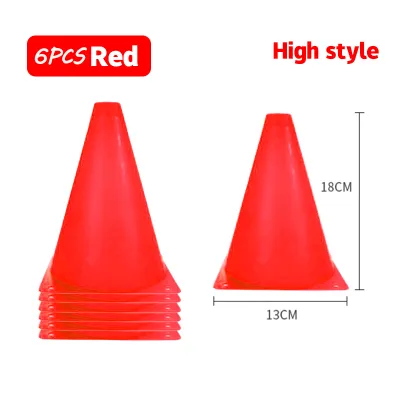
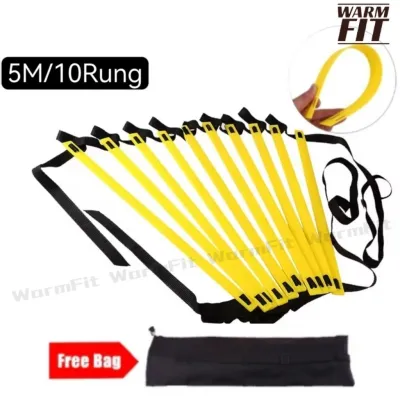
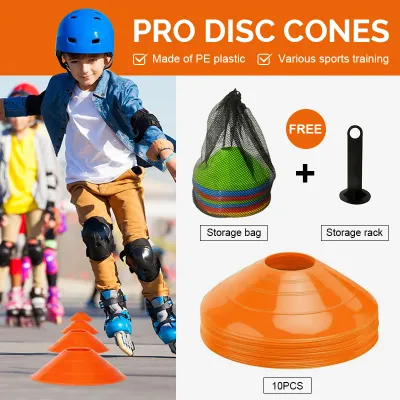
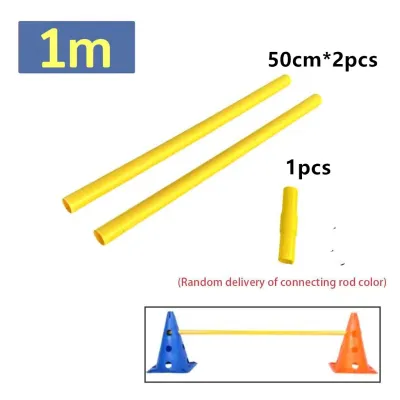
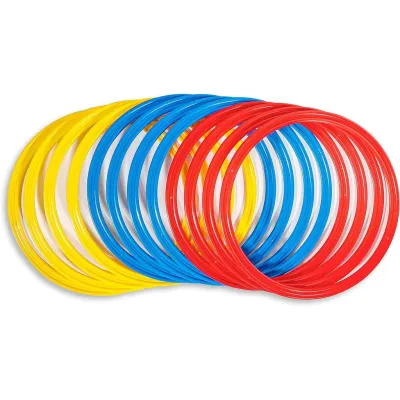
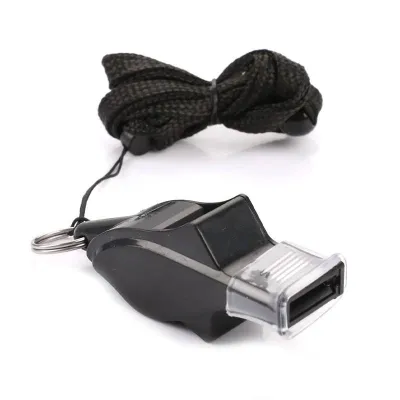
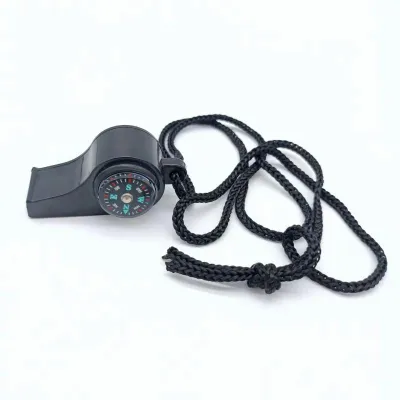
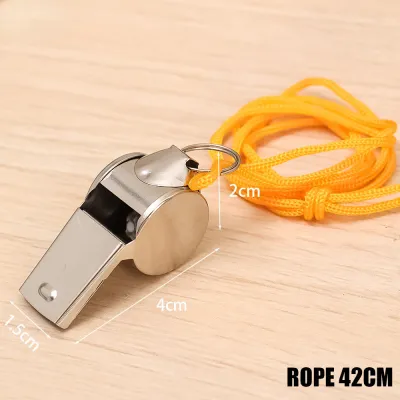
Prices are valid at publication and may change. Please refer to the product page for the latest price.
The Football
The most fundamental tool you need is, of course, the football itself. However, do not make the mistake of buying an expensive, high-end match ball designed for professional stadium pitches. These premium balls are often made with delicate outer casings that wear down quickly on rough training surfaces. Instead, look for a durable, machine-stitched or thermally bonded training ball designed for daily practice.
When purchasing a ball, sizing is critical to ensure you develop proper touch and muscle memory. Footballs are standardized by size based on age groups:
- Size 5: The standard size for players aged 12 and older, including all adult leagues.
- Size 4: Designed for youth players aged 8 to 12, offering a slightly lighter weight and smaller circumference.
- Size 3: Intended for toddlers and young children under the age of 8 to help them learn basic coordination.
Always verify the size required by your local club or training academy before buying, as training with the wrong size can hinder your development.
Shin Guards
Safety on the pitch is paramount, and shin guards are a mandatory requirement for almost every organized training session and match. Football is a contact sport, and accidental kicks to the lower leg can cause painful bruises or serious bone injuries. Shin guards absorb and distribute the impact of these challenges, allowing you to play with confidence.
Beginners generally choose between two primary styles of shin guards:
- Slip-in Shin Guards: These are lightweight, compact plates that slide directly under your socks. They are highly favored by older players and adults because they offer excellent freedom of movement. You will need to secure them using sleeve wraps, athletic tape, or tight football socks.
- Ankle-Protection Shin Guards: These feature an attached padded sleeve that wraps around your ankle, along with a stirrup strap that goes under your foot. While bulkier and slightly heavier, they are highly recommended for young beginners who are still learning spatial awareness and are more prone to stray kicks around the ankle joint.
Football Socks
A standard pair of athletic socks will not suffice for football training. You need dedicated, over-the-calf football socks designed specifically to hold your shin guards securely in place. These socks are woven with elasticated zones around the ankle and arch to prevent the guards from shifting during rapid movements.
Additionally, quality football socks are constructed with extra padding in high-friction areas like the heel and toe. This cushioning is essential for preventing painful blisters, which are common when breaking in new boots. In humid tropical conditions, look for socks made from synthetic blends that dry quickly and help manage moisture inside your footwear.
Footwear Guide: Choosing the Right Boots for Local Pitches
Choosing the right footwear is the most critical decision a beginner will make. Wearing the wrong outsole design can lead to poor performance, rapid wear of your boots, and severe joint or muscle injuries. In the Philippines, pitch conditions vary wildly, from modern artificial grass to hard, dry soil and concrete indoor courts.

Surface Matching
Many beginners instinctively buy Firm Ground (FG) boots, which feature long, molded plastic studs designed for natural grass pitches. However, using FG boots on hard artificial turf or concrete barangay courts is highly discouraged. The long studs cannot penetrate these hard surfaces, causing you to balance precariously on top of them. This lack of stability significantly increases the risk of rolled ankles, knee strain, and slipping.
Similarly, Soft Ground (SG) boots with metal studs are dangerous and completely unsuitable for local beginner training. They are designed exclusively for wet, muddy professional natural grass pitches and can cause severe injury to both you and your teammates on hard or synthetic surfaces.
Turf (TF) vs. Indoor Court (IC)
To stay safe and perform your best, you must match your boots to the specific surface where you will train most often:
- Turf (TF) Boots: These outsoles are covered in dozens of small, durable rubber studs. They are specifically engineered for modern artificial grass pitches, which are highly popular in urban sports complexes. TF boots provide excellent grip, distribute your weight evenly, and feature a cushioned midsole to absorb the impact of running on a hard sub-base.
- Indoor Court (IC) Boots: Featuring flat, non-marking rubber outsoles, IC boots are designed for indoor sports halls, futsal courts, and concrete outdoor courts. The tread pattern is optimized for flat surfaces, offering maximum traction without the need for studs.
Fit and Material
When trying on boots, always wear the exact football socks you plan to use during training. Your toes should have a small amount of breathing room at the front, but your heel must remain locked in place without slipping. Keep in mind that your feet will swell slightly during intense activity in hot weather, so avoid buying boots that feel painfully tight in the store.
For beginners, synthetic upper materials are generally superior to premium natural leather. Synthetic boots are highly durable, require minimal break-in time, and do not absorb water. In a humid climate with frequent rain, synthetic materials are much easier to wipe clean and will not rot, stretch out of shape, or become heavy when wet.
Training Apparel and Hydration for a Tropical Climate
Training in a tropical climate requires careful consideration of heat and humidity. The clothes you wear and how you manage your fluid intake directly impact your stamina, comfort, and safety on the pitch.
Moisture-Wicking Fabrics
When assembling your training wardrobe, prioritize lightweight, moisture-wicking synthetic fabrics such as polyester or nylon-spandex blends. These technical fabrics are engineered to pull sweat away from your skin to the outer surface of the garment, where it can evaporate quickly. This process helps regulate your body temperature during intense drills.
Avoid wearing 100% cotton shirts or shorts at all costs. Cotton acts like a sponge, absorbing sweat and holding it against your body. This makes your clothing heavy, restricts your movement, and causes severe chafing in sensitive areas like the inner thighs and underarms.
Hydration Gear
Dehydration and heat exhaustion are real risks when training outdoors under the sun. To maintain your performance and prevent heat cramps, you must bring your own high-capacity, insulated water bottle to every session. A bottle with a capacity of at least 1 liter is recommended to ensure you have enough water to last through a standard 90-minute training block.
Insulated stainless steel bottles are particularly effective in tropical conditions, keeping your water cold even when left on the sidelines under direct sunlight. Remember to take small, frequent sips of water during designated training breaks rather than chugging large amounts at once, which can cause stomach discomfort.
Practical Extras
A few low-cost accessories can make a significant difference in your overall comfort during hot training sessions:
- Sweatbands and Headbands: These help keep sweat from dripping into your eyes, allowing you to focus on the ball.
- Cooling Towels: Dampening a specialized cooling towel and placing it around your neck during breaks can rapidly lower your core temperature.
- Ventilated Gear Bag: Look for a backpack or duffel bag with mesh panels. This design allows air to circulate, preventing your damp training clothes and boots from developing mold and foul odors on the journey home.
What to Skip: Non-Essential Gear to Avoid Buying Early
When you first start playing, it is easy to get swept up in the marketing of high-tech training gadgets and professional-grade gear. However, most of these products offer very little value to a beginner and can quickly drain your budget.
Advanced Training Aids
You do not need to purchase agility ladders, resistance parachutes, cone sets, or expensive rebounder nets when starting out. While these tools are excellent for advanced athletic conditioning, they are completely unnecessary for a beginner. At this stage, your primary focus should be on mastering basic ball control, short passing, and clean receiving. A simple wall or a training partner is far more effective for developing these foundational skills than any specialized gadget.
Position-Specific Gear
Unless you have firmly committed to a specific role, avoid buying specialized position gear early on. For example, high-end goalkeeper gloves with finger-save technology are expensive and unnecessary if you are only playing in goal occasionally during casual scrimmages. Similarly, padded base layers or captain’s armbands are investments that should wait until you are fully integrated into a competitive team structure.
Premium Match-Day Boots
It is tempting to buy the exact lightweight boots worn by professional players, but these models are designed for peak performance on pristine, perfectly manicured grass pitches. They feature ultra-thin materials that prioritize weight reduction over durability, making them highly susceptible to tearing on rough local pitches.
For training, mid-tier or entry-level models are a much smarter choice. These boots are constructed with slightly thicker, more durable materials that can withstand the daily grind of repetitive drills while offering better protection for your feet.
Smart Purchasing Strategies for Your First Kit
Building your first football kit does not have to break the bank. By allocating your budget strategically and taking proper care of your gear, you can maximize your investment and ensure your equipment lasts for seasons to come.
Budget Allocation
When dividing your initial budget, prioritize the items that directly affect your safety and physical comfort. Spend the majority of your funds on a high-quality pair of boots that fit your local pitch surface perfectly, followed by a sturdy pair of shin guards. Basic entry-level training boots from reputable brands typically range from ₱1,500 to ₱3,500, which offers an excellent balance of durability and value. You can easily save money by purchasing basic, unbranded synthetic athletic shirts and shorts, which perform just as well as expensive branded apparel.
Where to Buy
Always purchase your boots and protective gear from authorized sporting goods retailers, official brand outlets, or reputable local physical stores. While online marketplaces offer tempting discounts, buying boots online without trying them on first is highly risky due to sizing variations between brands. Visiting a physical store allows you to wear your training socks, walk around, and ensure there are no painful pressure points before making a purchase. Furthermore, buying from authorized sellers guarantees you are getting authentic products rather than cheap counterfeits that may fall apart after a few sessions.
Basic Maintenance
Proper maintenance is essential to extend the lifespan of your gear, especially in humid tropical climates where moisture can quickly ruin synthetic materials and cause bacterial growth. Always consult the manufacturer’s care instructions for your specific boots, as some synthetic materials may have unique cleaning requirements.
- Clean Your Boots: After training on artificial turf, always shake out the black rubber pellets that accumulate inside your boots. Wipe down the synthetic outer shell with a damp cloth to remove dirt and sweat.
- Air-Dry Everything: Never leave your wet boots, shin guards, or damp socks stuffed inside a closed gear bag overnight. Remove them immediately when you get home and place them in a well-ventilated, shaded area to dry completely. Avoid placing them under direct, intense sunlight, as extreme heat can crack synthetic uppers and melt the glue holding the outsoles together.
Frequently Asked Questions (FAQ)
What size football should a beginner buy?
Standard football sizes are determined by the player’s age. Toddlers and young children under 8 years old should use a Size 3 ball, while children aged 8 to 12 require a Size 4 ball. Teens and adults aged 12 and older always train with a standard Size 5 ball. Before purchasing, it is highly recommended to check with your specific training academy or local league, as they may have strict regulations regarding the ball sizes permitted for official training sessions and matches.
Can I use running shoes for football training?
No, you should never wear running shoes for football training. Running shoes are designed strictly for forward motion and lack the lateral support needed for the sudden, sharp cuts and changes of direction required in football. They also feature elevated, cushioned heels that raise your center of gravity, which significantly increases the risk of rolling your ankle on uneven ground. Furthermore, their smooth outsoles do not provide adequate grip on grass or artificial turf, leading to dangerous slips. Proper football boots (TF or IC) are a mandatory investment for your safety.
Do I need to buy my own football for team training?
While most organized clubs, schools, and academies provide footballs for their structured group training sessions, owning a personal ball is still highly recommended. Having your own ball allows you to practice individually at home, perform wall-passing drills in your garage, and work on your touch in local parks outside of scheduled team practices. Developing consistent ball control requires hours of repetition, which is much easier to achieve when you have a reliable training ball readily available at home.
Community discussion
Share your experience or ask a question. Comments are reviewed before publication.