
Starting a new sport is exciting, but stepping onto a baseball diamond requires careful preparation, especially when playing hardball baseball. Unlike recreational games that use soft or rubber balls, hardball baseball involves a dense, cork-and-rubber-core ball wrapped in stitched leather. Because this ball can travel at high velocities off the bat, having the correct equipment is essential to ensure player safety, prevent serious injuries, and build proper athletic mechanics. While having the right gear is a critical first step, remember that protective equipment should always be paired with proper coaching, physical conditioning, and situational awareness.
To help you transition smoothly into the sport, this guide breaks down the essential protective gear, core playing tools, and climate-specific apparel you need to start playing safely and confidently.
Essential Protective Gear to Prevent Hardball Injuries
To play safely, certain protective items are completely non-negotiable. The impact of a hardball can cause severe injury, making safety equipment your absolute first priority before you even attempt to catch or hit a ball.
Products mentioned in this guide
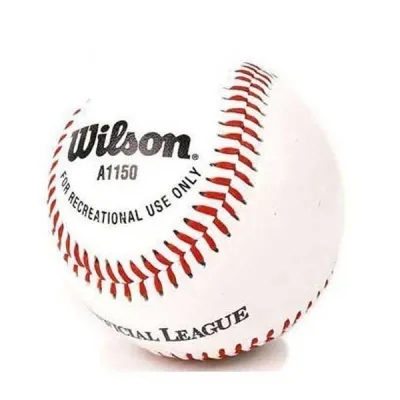
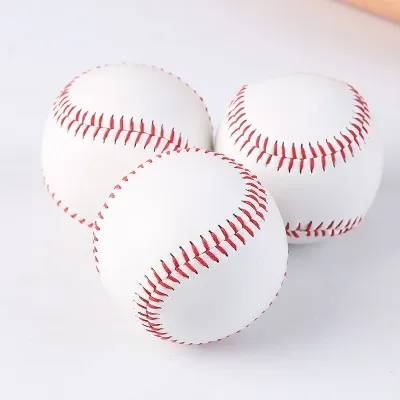

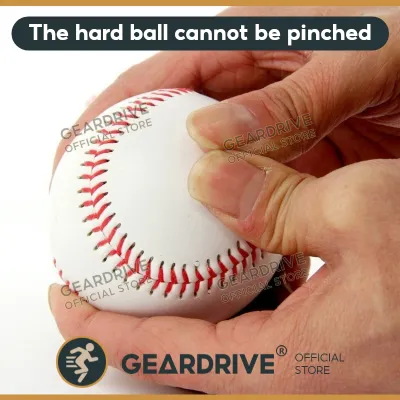
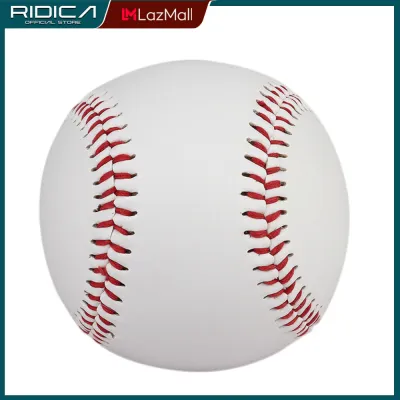
Prices are valid at publication and may change. Please refer to the product page for the latest price.
A properly fitted batting helmet is the single most important piece of safety equipment you will own. It protects your head from wild pitches, errant throws, and stray balls on the field. When choosing a helmet, ensure it fits snugly without wobbling when you shake your head. Always check the manufacturer’s label to verify that the helmet meets the safety certifications required by your specific league. For youth players and beginners, helmets with an attached or detachable face guard (or jaw guard) are highly recommended to protect the cheek and jawline.
For male players, a hard athletic cup and supporter is an absolute necessity. Hardball baseballs frequently take erratic bounces, known as bad hops, off uneven dirt fields. A hard plastic or carbon-fiber athletic cup, housed securely in a supporter or utility sliding shorts, protects against direct, high-velocity impacts. This protection is mandatory for all male players, but it is especially critical for infielders, pitchers, and catchers who face direct, fast-moving grounders and pitches.
If you are stepping into the specialized role of a catcher, you will need a dedicated catcher’s kit. This full set of gear includes a hockey-style catcher’s helmet with an integrated throat guard, a chest protector, and double-knee leg guards. It is vital to ensure this gear is explicitly rated for hardball baseball. Softball catcher’s gear is designed for a larger, less dense ball and may not offer sufficient impact absorption to protect you from a high-speed baseball.
Sliding shorts are another valuable protective layer worn underneath your uniform pants. Learning to slide into bases is a fundamental part of base running, but doing so on hard, sun-baked dirt can cause painful abrasions known as “strawberry” burns. Padded sliding shorts feature built-in foam panels along the outer thighs and hips to absorb the impact of the ground and prevent painful friction burns.
Core Fielding and Hitting Tools for Beginners
Beyond protection, you need the fundamental tools to interact with the ball. Choosing the right fielding and hitting gear helps you develop proper mechanics without overspending on professional-grade equipment.

A baseball glove is your primary tool on defense. Beginners should choose a glove based on their age and general field position rather than buying a generic model. Infielders typically use smaller gloves (ranging from 11 to 11.5 inches) with shallow pockets to facilitate quick ball transfers to their throwing hand. Outfielders require larger gloves (12 to 12.5 inches) with deeper pockets to secure fly balls. First basemen and catchers use specialized mitts, which lack individual finger slots, designed to handle high-velocity throws and scoops.
When it comes to hitting, selecting the right baseball bat is a balance of performance, durability, and league rules. Beginners are highly encouraged to start with a one-piece alloy (aluminum) bat. Alloy bats are durable, affordable (often ranging from ₱3,000 to ₱8,000), and perform consistently without requiring a break-in period. Before purchasing, always check the bat barrel for league-approved stamps, such as “USA Baseball” for youth leagues or “BBCOR” (.50 certified) for high school and adult leagues, as unauthorized bats are strictly prohibited in official games.
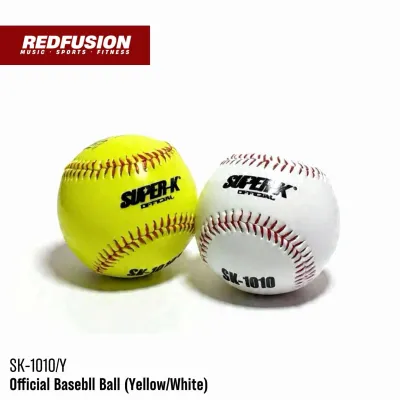
While it can be intimidating at first, practicing with official leather-stitched hardballs is necessary to develop realistic hitting and fielding skills. These balls feature a cork-and-rubber core wound tightly with yarn and covered in genuine leather. While practicing with soft foam or tennis balls is useful for initial hand-eye coordination, they do not bounce, fly, or roll like a true hardball. Adapting to the weight (typically 5 ounces) and seams of a real baseball is vital for mastering throwing grips and defensive timing.
Batting gloves are a practical addition to your hitting gear. Repetitive swings during batting practice can quickly cause painful blisters on your palms and fingers. Batting gloves provide a tackier grip on the bat handle, reducing the need to squeeze the bat excessively hard. This helps relax your forearms, improves swing mechanics, and dampens the painful vibration or “sting” of off-center hits.
Apparel and Footwear for Comfort and Field Safety
The right apparel and footwear ensure you can move freely, maintain traction, and stay comfortable during long practices in challenging weather conditions.
Standard athletic shorts or sweatpants will not survive the friction of sliding. Baseball pants are constructed from heavy-duty, double-knit polyester, often reinforced with double layers at the knees and seat. Beginners can choose between long, relaxed-fit pants or the classic “knicker” style, which ends just below the knee and is paired with thick, high-cut baseball socks. A durable elastic or leather baseball belt secures the pants during explosive movements.
Your choice of footwear directly impacts both your performance and joint safety. For grass and dirt fields, molded plastic cleats are the standard and safest option for beginners. Metal cleats provide superior grip but are widely restricted in youth and entry-level adult leagues due to the risk of spiking injuries during slides. For training on hard, compacted dirt, concrete-slicked batting cages, or artificial turf common in local Philippine sports complexes, turf shoes with dense rubber nubs are highly recommended to prevent slipping and reduce knee fatigue.
Managing moisture is a critical consideration when playing in a tropical climate like the Philippines. High humidity and heat require high-performance apparel. Beginners should wear lightweight, moisture-wicking synthetic undershirts beneath their jerseys to pull sweat away from the skin. Breathable, moisture-wicking socks are also essential to keep feet dry, which helps prevent painful blisters and fungal infections during long doubleheaders.
How to Fit, Inspect, and Maintain Your Baseball Gear
Properly fitting and maintaining your gear ensures it performs as intended, protects you from injury, and lasts for multiple seasons.
To verify your glove fits correctly, perform the glove pocket test. Place an official hardball into the pocket and close the glove. The glove should close securely around the ball with moderate hand effort. If the glove is too stiff to close, it requires a break-in period using leather conditioner and manual flexing. Do not use an oversized glove, as it will slip off your hand during rapid movements.
To find a bat with the correct length and weight, use the arm extension test. Stand the bat vertically on the ground next to your leg; the knob of the bat should reach your hip or wrist crease. Alternatively, hold the bat knob against the center of your chest and extend your arm straight out parallel to the bat barrel. If you can easily grasp the end cap of the bat with your fingertips, the length is appropriate for your height.
Before every practice or game, conduct a thorough safety inspection of all your gear. Check your batting helmet for hairline cracks in the plastic shell or loose foam padding inside. Inspect alloy bats for severe dents or flat spots, and examine glove laces for signs of fraying or wear. If any protective gear is compromised, stop using it immediately and replace it to avoid injury.
The hot and humid climate of the Philippines requires extra care to prolong the lifespan of your equipment. Apply a thin layer of specialized leather conditioner or glove oil to your glove at the start and end of the season to prevent the leather from drying out and cracking. Never leave your baseball gear—especially helmets, gloves, and bats—in direct sunlight or inside a hot car trunk. Extreme heat can warp protective plastic, dry out leather, and degrade the materials holding your gear together.
Frequently Asked Questions (FAQ)
Can I use a softball glove for hardball baseball?
Using a softball glove for hardball baseball is highly discouraged. Softball gloves are structurally different, featuring much wider and deeper pockets designed to catch a large 11- or 12-inch ball. If you use a softball glove for a 9-inch hardball, the smaller baseball will get lost in the oversized pocket. This slows down your defensive transfer times and makes it difficult to secure a firm, consistent grip on the ball when throwing.
Do beginners need to buy expensive composite bats?
Beginners do not need to invest in premium, high-priced composite bats. Composite bats are expensive, require a break-in period of several hundred hits, and can crack if used incorrectly. Beginners will benefit more from a durable, moderately priced one-piece alloy bat. Alloy bats are ready to use immediately, offer excellent durability, and allow you to allocate more of your budget toward critical safety gear like a certified helmet, high-quality cleats, and a well-fitting glove.
Community discussion
Share your experience or ask a question. Comments are reviewed before publication.