
Building a highly functional home Pilates setup in the Philippines does not require expensive studio equipment or high-end brand-name gear. With a strategic budget of ₱1,500, you can acquire a complete, safe, and highly effective setup. The key is to focus your spending on a high-quality, non-slip mat and a versatile set of resistance bands, which form the foundation of almost every mat Pilates exercise. By allocating your funds carefully and verifying product specifications on online marketplaces, you can avoid low-quality traps and establish a sustainable fitness routine at home.
Allocating Your ₱1,500 Budget for Maximum Functionality
To get the most value out of your ₱1,500 budget, you must strategically divide your funds between essential foundation pieces and optional accessories. A successful home Pilates practice relies heavily on a supportive surface and reliable resistance. Therefore, you should prioritize spending the majority of your budget on a high-quality mat and a set of resistance bands. These two items are your non-negotiable must-haves, as they allow you to perform a full range of core, flexibility, and strength exercises safely.
Nice-to-have accessories, such as Pilates rings, sliding discs, or ankle weights, should only be considered if you have remaining funds. Attempting to buy every accessory at once on a tight budget often leads to purchasing low-quality, unsafe items that degrade quickly. By focusing on the essentials first, you ensure that your primary contact points with the floor and your resistance tools are durable and safe.
Products mentioned in this guide

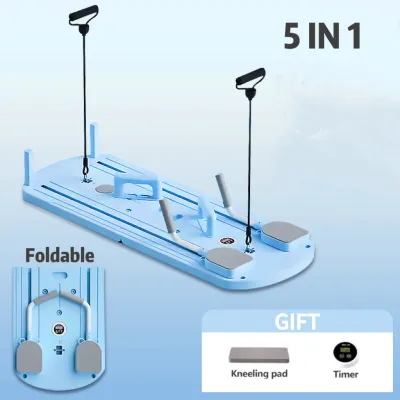
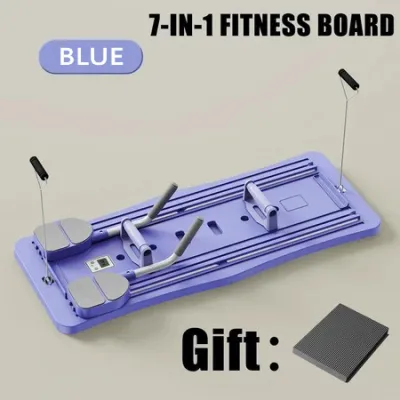
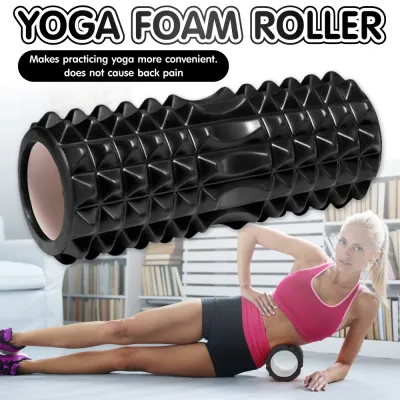
Prices are valid at publication and may change. Please refer to the product page for the latest price.
When browsing online marketplaces, you will encounter the choice between pre-packaged fitness bundles and curating individual items. Bundles under ₱1,500 are highly convenient and often seem like an incredible bargain, sometimes offering a mat, multiple bands, and a jump rope together. However, these bundles frequently compromise on individual item quality, often including very thin, easily torn mats or low-durability bands. Curating individual items allows you to select the exact material, thickness, and resistance levels you need, ensuring better durability and safety, even if it requires more research.
Additionally, you must account for hidden costs that can quickly push your final checkout total over the ₱1,500 limit. Shipping fees can be substantial in the Philippines, especially for bulky items like thick fitness mats. Always check for shipping promotions, platform vouchers, or tax additions before finalizing your purchase. Furthermore, verify whether individual items include necessary accessories, such as carrying straps for mats or door anchors for tube bands, so you do not have to spend extra later.
Securing the Foundation: Mats and Resistance Bands
The mat is the single most critical piece of equipment in your Pilates practice, serving as your primary support and safety barrier. In a tropical climate like the Philippines, high humidity and sweat can make cheap mats incredibly slippery, posing a significant safety hazard during balance-heavy movements. To protect your spine, knees, and wrists on hard tile or concrete floors, look for a mat with a thickness of at least 6mm to 10mm. However, avoid overly soft, spongy mats that compromise your stability during standing or balancing exercises.

When verifying non-slip claims, look for high-density materials like TPE (Thermoplastic Elastomer) rather than cheap, low-density NBR foam. TPE mats offer a superior balance of grip, joint support, and durability, and they are less likely to stretch or tear during dynamic movements. Check the product specifications for textured, double-sided patterns that grip both your hands and the floor. Reading recent user reviews that specifically mention grip performance during sweaty workouts is an excellent way to verify these claims before purchasing.
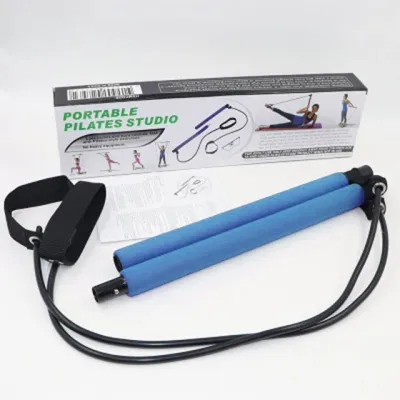
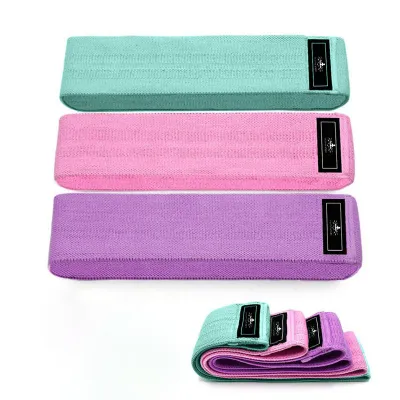
Resistance bands are the primary tool for adding progressive overload and mimicking the pulley systems of a Pilates reformer. Loop bands are excellent for lower-body work, targeting the glutes, hips, and thighs during lateral walks or leg lifts. Tube bands with handles are better suited for upper-body exercises, allowing you to perform chest presses, rows, and bicep curls. If you have sensitive skin or latex allergies, look for TPE-based or fabric resistance bands, which are highly durable and less likely to pinch your skin.
Before ordering online, use a strict pre-purchase checklist to verify the quality of these foundational items. Check the product listing for explicit details on material density, tear-resistance ratings, and weight capacity limits. Ensure the mat dimensions are appropriate for your height, and verify that the resistance bands specify their tension levels in kilograms or pounds. Taking these steps helps ensure you receive functional, safe equipment that will withstand daily use.
Choosing Strategic Add-Ons Within Your Remaining Budget
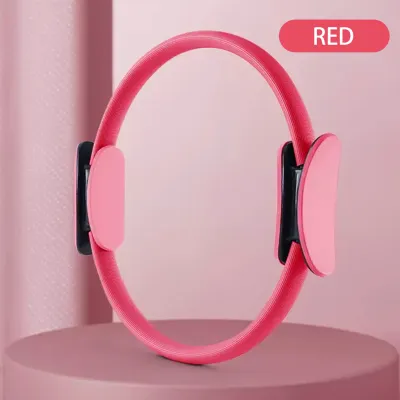
If your foundational purchases leave you with a surplus of ₱200 to ₱400, you can strategically select a single add-on to target specific muscle groups. A Pilates ring, also known as a magic circle, is an excellent tool for adding moderate, continuous resistance to both upper and lower-body movements. Squeezing the ring between your thighs activates the inner thighs and pelvic floor, while pressing it between your hands engages the chest and shoulders. This tool is highly effective for improving alignment and body awareness during standard mat exercises.
Alternatively, sliding discs are a fantastic, low-cost option for intensifying your core and stability work. Sliders require continuous muscle engagement to control your movement on smooth floors, making exercises like mountain climbers, lunges, and plank variations significantly more challenging. Keep in mind that sliding discs require a compatible floor surface; smooth plastic sliders work best on thin carpets, while fabric-covered sliders are designed for the hard tile or wood floors common in Philippine homes.
Adjustable ankle weights offer another versatile alternative for adding progressive intensity to your lower-body movements. They are particularly useful for adding resistance to leg lifts, donkey kicks, and core progressions without requiring you to hold onto bands. While adjustable options are ideal, basic fixed-weight pairs of 0.5kg or 1kg are highly effective and more likely to fit within a tight remaining budget.
To help you decide which add-on best aligns with your fitness goals, consider the following decision matrix:
| Add-On Tool | Primary Focus | Best Suited For | Floor/Space Requirements |
|---|---|---|---|
| Pilates Ring | Inner thighs, chest, and core stability | Targeted muscle toning and alignment | Minimal space, works on any surface |
| Sliding Discs | Deep core activation and balance | Dynamic, low-impact cardio and strength | Requires smooth tile, wood, or thin carpet |
| Ankle Weights | Glutes, hamstrings, and lower-body endurance | Progressive overload for mat work | No special floor requirements |
Verifying Quality and Avoiding Traps on E-Commerce Platforms
Online marketplaces are filled with generic fitness gear, making it crucial to develop practical verification strategies to avoid low-quality traps. When reading product listings, look out for vague material descriptions, such as items simply labeled ‘foam’ or ‘plastic’ without specifying the exact compound. Be skeptical of unrealistic weight capacities or generic stock photos that do not show the actual texture of the mat or the thickness of the bands. A reputable seller will provide detailed specifications, including exact dimensions, materials, and weight limits.
Evaluating seller credibility is essential for ensuring a safe transaction and receiving functional equipment. Look for sellers with high positive ratings, active customer service response rates, and a history of selling fitness gear. Check the platform’s return and refund policies to ensure you are protected if an item arrives damaged or defective. Most importantly, filter the product reviews to show only those with photos or videos; this allows you to see the actual product condition in real-world Philippine households and verify if the quality matches the listing.
Be highly suspicious of red flags, such as unusually low prices for items claiming to be professional-grade or branded. A TPE mat priced significantly lower than the market average is almost certainly made of low-density, slippery PVC or NBR foam. Additionally, avoid weighted gear or resistance bands that lack clear safety information, usage instructions, or material certifications. Prioritizing safety and quality over the absolute lowest price will save you from injuries and the hassle of returning defective products.
Safely Integrating Budget Gear Into Your Practice
Once your budget Pilates gear arrives, the focus shifts to integrating these tools safely and effectively into your daily routine. Start with basic movement patterns that maximize the utility of your mat and resistance bands before attempting complex exercises. For a full-body routine, begin with bridge progressions on your mat, placing a loop band just above your knees to activate your glutes and outer thighs. Follow this with bird-dogs and planks on the mat to build foundational core stability and balance.
When integrating a Pilates ring or sliding discs, always prioritize proper form and joint alignment over the range or speed of motion. For example, when using a Pilates ring between your thighs during a bridge, squeeze gently to engage your inner thighs without forcing your knees to collapse inward. If you are using sliding discs, move slowly and maintain a tight, engaged core to prevent your lower back from arching or straining. Equipment should enhance your movement, not compromise your posture.
Finally, establish clear safety boundaries and inspect your budget gear regularly to prevent accidents. Before every workout, check your resistance bands for tiny nicks, tears, or discoloration, which can occur quickly in hot, humid tropical environments. If a band shows any signs of wear or loss of elasticity, discard it immediately to avoid the risk of it snapping during use. Ensure your mat is clean and dry before starting, as sweat buildup on budget materials can dramatically reduce grip, leading to slips and joint strain.
Frequently Asked Questions (FAQ)
How do I clean and maintain a budget-friendly Pilates mat?
To clean a budget-friendly Pilates mat, wipe it down after every session with a soft cloth dampened with a mixture of water and a few drops of mild dish soap. Avoid harsh chemical cleaners, bleach, or alcohol-based sprays, as these can rapidly degrade TPE or PVC materials, causing them to crumble or lose their grip. In the humid Philippine climate, mold and mildew can develop quickly, so always allow the mat to air-dry completely in a shaded, well-ventilated indoor area before rolling it up. Never leave the mat in direct sunlight, as UV rays will dry out the material, leading to cracking and peeling.
When should I upgrade my resistance bands?
You should upgrade or replace your resistance bands at the first sign of physical wear, regardless of how long you have owned them. Inspect the bands regularly for micro-tears, small cracks along the edges, permanent stretching, or significant discoloration. In tropical environments, humidity and heat can accelerate the breakdown of latex and TPE, making them brittle. If a band loses its original elasticity or feels unusually soft, it is no longer providing consistent resistance and is at a high risk of snapping during an exercise, which can cause painful skin welts or eye injuries.
Community discussion
Share your experience or ask a question. Comments are reviewed before publication.