
When introducing your child to roller skating, selecting the right protective gear for kids is the single most important decision you will make to ensure their safety on wheels. Roller skating is an exceptional way for children to develop balance, cardiovascular endurance, and motor skills, but the learning curve naturally involves falls. Without proper protection, a simple slip can lead to severe fractures, joint hyperextensions, or head injuries that could easily be prevented. As a parent, navigating the vast array of safety equipment can feel overwhelming, especially with varying standards, materials, and sizing systems. This guide provides a detailed, practical roadmap to choosing, fitting, and maintaining the essential safety gear your child needs before they ever take their first stride.
The Non-Negotiable Protective Gear for Kids: Roller Skating Checklist
Before your child steps onto the pavement or rink, they must be equipped with the “core four” protective items: a certified helmet, wrist guards, knee pads, and elbow pads. Each of these components serves a highly specific, anatomically targeted protective function. There is a common misconception among some parents that beginners who are only rolling slowly do not require the full set of gear. However, the physics of a fall do not depend on the skater’s speed; even a static fall from a child’s standing height can generate enough force to fracture bones or cause a concussion on hard surfaces like concrete or asphalt.
To understand why each piece is non-negotiable, it is helpful to look at the biomechanics of a typical skating fall. Children have a higher center of gravity relative to their overall height compared to adults, making them inherently more top-heavy and prone to losing balance. When a child slips forward, their natural, involuntary survival reflex is to extend their arms to break the fall. This concentrates the entire kinetic energy of the impact onto the palms and wrists, which can easily lead to severe wrist fractures or hyperextension injuries. Conversely, when slipping backward, the feet slide out from underneath the body, often causing the skater to fall directly onto their tailbone or strike the back of their head against the ground.
Products mentioned in this guide
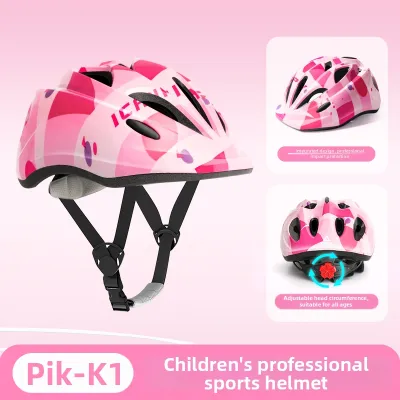
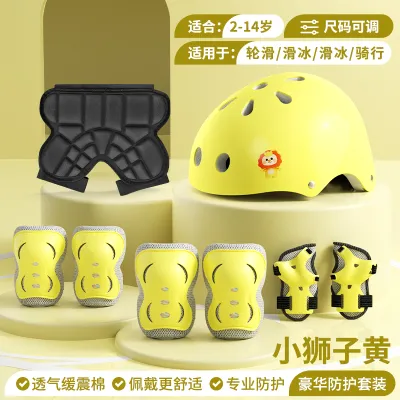
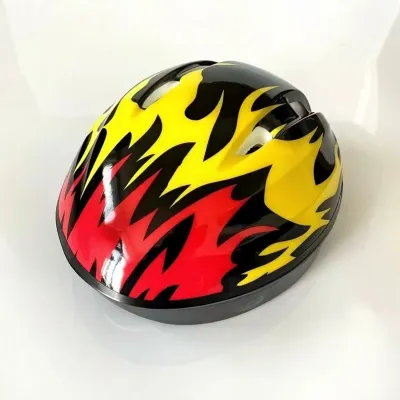
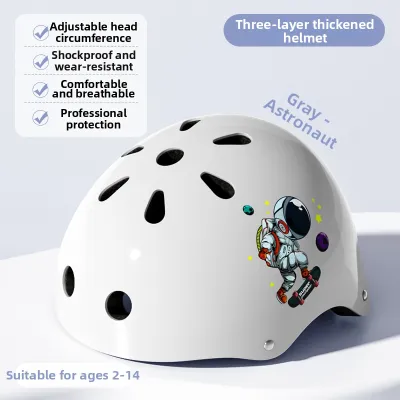
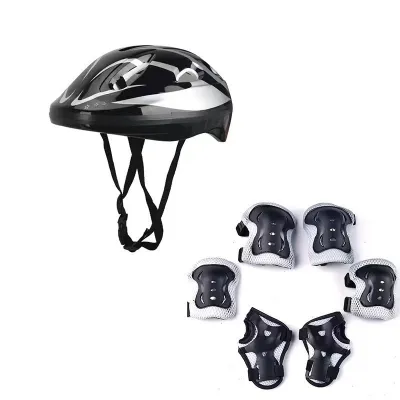
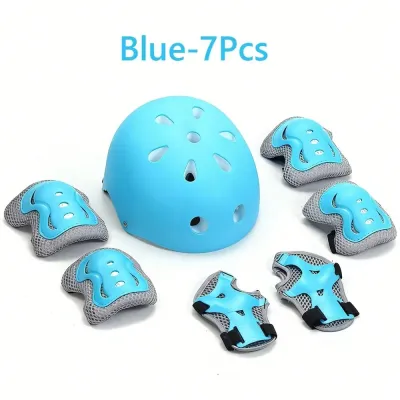
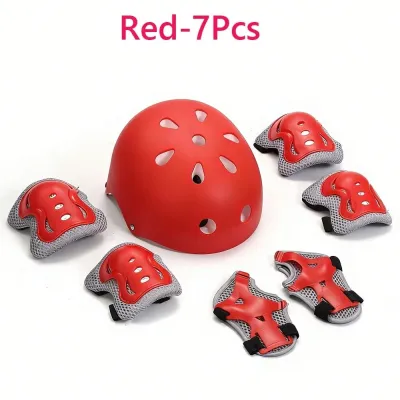
Prices are valid at publication and may change. Please refer to the product page for the latest price.
While the core four items are absolute requirements, parents may also consider secondary, optional protective gear depending on their child’s skill level and skating environment. Padded crash shorts or pants feature strategically placed foam inserts over the hips, thighs, and tailbone, which can significantly reduce the bruising and pain associated with backward falls. Mouthguards are another valuable addition, particularly for children who are transitioning to aggressive park skating or speed skating, as they protect the teeth and jaw from impact during forward face-plants. However, these auxiliary items must always be viewed as supplements; they can never replace or compensate for the absence of any of the core four protective elements.
Establishing a strict safety boundary is the most critical step in fostering a safe skating habit. Parents must implement a zero-tolerance policy: if any piece of the core safety gear is missing, damaged, or improperly fitted, the skates do not go on. Children often look to their peers or older skaters and may try to negotiate their way out of wearing pads, particularly in hot weather. By presenting the complete protective set as an inseparable extension of the skates themselves, you build a lifelong safety habit that protects them as they progress to more advanced and high-speed skating disciplines.
How to Choose a Safe and Comfortable Skating Helmet
The helmet is indisputably the most critical piece of protective equipment your child will wear. Head injuries, ranging from mild concussions to severe traumatic brain injuries, can have lifelong consequences, making helmet selection a decision that must be guided strictly by safety specifications rather than aesthetic appeal or price. Understanding what makes a helmet safe, how it differs from other sports helmets, and how to verify its certifications will empower you to make an informed, safety-first purchase.

Skate Helmets vs. Bicycle Helmets: Understanding the Difference
Many parents wonder if they can simply reuse their child’s standard bicycle helmet for roller skating. While any helmet is better than no helmet, standard bicycle helmets are not designed for the specific fall patterns of roller skating. Bicycle helmets are engineered primarily for forward-motion impacts typical of cycling accidents, featuring high aerodynamic vents and a cut that sits relatively high on the back of the head. Roller skating, however, frequently involves backward falls where the skater slips and lands on the back of their skull (the occipital region).
Dedicated skate helmets feature a classic “bucket” shape that extends significantly lower down the back and sides of the head, providing vital coverage for the occipital bone. Furthermore, you must understand the difference between single-impact and multi-impact helmet designs. Most standard bicycle helmets utilize Expanded Polystyrene (EPS) foam, which is designed to crush and destroy itself to absorb the energy of a single major impact; once a bicycle helmet sustains a hard hit, it must be discarded immediately. Some specialized skate helmets, however, utilize multi-impact designs with Dual-Density EVA or EPP foam liners designed to withstand multiple minor bumps, though they still require replacement after a major crash. Always check the manufacturer’s exact specifications to confirm the helmet’s intended use and impact limitations.
Checking for Safety Certifications and Impact Ratings
Parents must look past colorful graphics and popular cartoon branding to verify the actual protective capacity of a helmet. Look inside the helmet’s shell for physical, permanent certification stickers from recognized safety testing organizations. For roller skating, the gold standard certifications to look for include CPSC 1203 (the US Consumer Product Safety Commission standard for bicycle and multi-sport helmets) and ASTM F1492 (the standard specification for skateboarding and trick roller skating). In Europe, look for the EN 1078 certification. A helmet that carries both CPSC and ASTM F1492 certifications is considered “dual-certified” and offers the highest level of versatile protection for young skaters.
Avoid purchasing unbranded, cheap helmets from unverified online marketplaces or non-specialty retailers. These budget products often look identical to certified helmets on the outside but lack the internal structural integrity required to absorb high-impact forces. Many of these uncertified helmets substitute high-density impact foam with cheap, soft packaging foam that compresses easily under finger pressure and offers virtually zero protection during a real fall. Always read the manufacturer’s label carefully to verify that the helmet is rated for your child’s specific age range, weight, and head circumference, as a helmet designed for an adult will not protect a child’s smaller, developing skull.
Finding the Right Fit with Adjustable Dial Systems
A helmet can only protect your child if it remains securely in place during a fall. If a helmet is too loose, it can slide backward during a slip, exposing the forehead, or tilt forward, blocking the child’s vision. To verify a proper fit, you should always utilize the “two-finger rule.” First, the front edge of the helmet should sit horizontally on the head, positioned no more than two finger-widths above your child’s eyebrows. Second, the side straps should form a clean, snug “V” shape directly beneath each earlobe. Third, when the chin strap is buckled, you should be able to fit no more than two fingers between the strap and your child’s throat.
To ensure a snug, customized fit that can adapt to your child’s growth, look for helmets equipped with an integrated rear dial-fit adjustment system. This system features a mechanical dial at the back of the helmet connected to an internal plastic tension ring. Turning the dial tightens or loosens the ring around the circumference of the head, allowing you to micro-adjust the fit to accommodate different hairstyles, such as thick braids or ponytails, while maintaining a secure grip. This feature is particularly valuable for parents, as it ensures the helmet can grow with the child, extending the usable life of the gear without compromising safety.
Selecting Wrist Guards and Joint Pads for Active Falls
While the helmet protects the brain, your child’s limbs require robust protection to handle the friction and impact of falling onto hard surfaces. Selecting the right wrist guards, knee pads, and elbow pads involves balancing maximum impact absorption with the flexibility and comfort required to maintain proper skating posture.
Wrist Guards: Splint Design and Fall Mechanics
Wrist injuries are among the most common orthopedic issues seen in young skaters. When a child instinctively puts their hands out to break a fall, the impact can easily cause painful hyperextension of the wrist joint, leading to sprains or fractures of the radius and ulna bones. A high-quality wrist guard is engineered with a rigid, contoured plastic splint that runs along the palm of the hand and extends up the lower forearm.
This splint serves two critical protective functions: first, it prevents the wrist joint from bending backward past its safe range of motion; second, the hard plastic allows the hand to slide smoothly along the ground rather than catching on the pavement. Sliding disperses the kinetic energy of the fall forward, significantly reducing the direct shock transmitted up the arm to the elbow and shoulder joints. When choosing wrist guards, look for models that feature a secondary rigid splint along the back of the hand for added stability, and ensure they have secure, multi-strap Velcro closures that can be adjusted independently to keep the guard firmly in place during a slide.
Knee and Elbow Pads: Hard Shell vs. Soft Sleeve Options
Joint pads generally fall into two primary design categories: traditional hard-shell plastic cap designs and modern soft-sleeve reactive foam designs. Hard-shell pads feature a thick, durable ABS plastic cup riveted over a layer of high-density EVA foam. These are highly recommended for outdoor skating, concrete rinks, and public plazas, which are common skating venues in the Philippines. The hard plastic cap is designed to take the brunt of the impact and slide across rough concrete, allowing the child to drop safely to their knees to recover their balance or slide to a controlled stop.
Soft-sleeve pads, on the other hand, utilize flexible sleeves made of neoprene or Lycra containing internal reactive foams (such as D3O) that remain soft and pliable during normal movement but harden instantly upon impact. While soft-sleeve pads offer a lower profile, fit easily under clothing, and are highly comfortable, they do not provide the same slide capability as hard-shell caps. On rough outdoor concrete, the fabric of a soft sleeve can easily tear, and the lack of a sliding surface means the joint absorbs more of the sudden stopping force. For most children learning to skate outdoors, hard-shell knee and elbow pads provide superior durability and protection.
Choosing Breathable Materials for Humid Weather
In the tropical and highly humid climate of the Philippines, heat and sweat are major factors that directly affect whether a child will cooperate with wearing their safety gear. When temperatures exceed 30°C and humidity levels are high, poorly ventilated pads quickly become hot, heavy, itchy, and saturated with sweat. This discomfort can lead to skin chafing, heat rashes (commonly known as bungang-araw), and a strong reluctance from the child to wear their gear during future sessions.
To keep your child comfortable and safe, prioritize protective gear constructed with moisture-wicking inner fabrics, perforated EVA foam, and breathable mesh outer panels that maximize airflow. Additionally, look for pad sets that feature completely removable, machine-washable inner linings. Regular washing is essential to prevent the buildup of bacteria, mold, and unpleasant odors that thrive in humid environments. Keeping the gear clean not only extends its lifespan by preventing sweat-induced material degradation but also protects your child’s sensitive skin from irritation and friction-induced rashes during long hours of outdoor play.
Fitting, Adjusting, and Knowing When to Replace Gear
Even the highest-rated safety equipment will fail to protect your child if it is sized incorrectly, adjusted poorly, or worn past its usable lifespan. Establishing a routine for checking the fit of your child’s gear and knowing exactly when to retire a piece of equipment is a fundamental responsibility of every skating parent.
To ensure your child’s gear is adjusted correctly before every session, use this practical quick-fit checklist:
- Knee and Elbow Pads: The pads must sit squarely over the center of the joint when the limb is bent. The straps should be tightened enough that you cannot easily slide or rotate the pad with your hand, but they must not pinch the skin, leave deep red indentations, or restrict blood circulation.
- Wrist Guards: The palm splint must align perfectly with the heel of the hand, and the straps must be snug enough to prevent the guard from sliding up or down the forearm when pulled.
- The Shake Test: Once your child is fully geared up, have them vigorously shake their head, arms, and legs. If any piece of gear shifts, slides down, or wobbles, it is either adjusted too loosely or has been outgrown.
Understanding when to replace your child’s protective gear is just as important as choosing it. Helmets require immediate replacement after any significant impact, such as a hard fall where the child’s head strikes the ground. Even if the outer plastic shell looks completely undamaged, the internal EPS foam liner collapses permanently to absorb the shock of a crash and will not provide adequate protection during a subsequent impact. For knee pads, elbow pads, and wrist guards, replace them immediately if the internal foam becomes permanently compressed and thin, the elastic straps lose their elasticity and sag, the plastic shells crack, or the Velcro closures lose their grip and fail to stay fastened.
Finally, parents must observe a strict safety boundary regarding second-hand safety equipment: never purchase or accept a used helmet. While buying second-hand skates or elbow pads is generally safe if they are in good condition, a used helmet’s history is impossible to verify. It may have sustained a major impact that compromised its internal structure without leaving any visible marks on the exterior shell. To guarantee your child’s safety, always invest in a brand-new, certified helmet from a reputable specialty retailer.
Frequently Asked Questions (FAQ)
Can my child use their bicycle helmet for roller skating?
While utilizing a standard bicycle helmet is far better than allowing your child to skate with no head protection at all, it is not the safest option for roller skating. Bicycle helmets are engineered specifically to protect against forward-impact scenarios common in cycling, leaving the lower back of the head relatively exposed. Roller skating falls frequently occur backward, making the occipital bone highly vulnerable. For optimal safety, you should invest in a dedicated multi-sport or skate-certified helmet that features a lower rear profile to fully protect the back of your child’s skull.
Do beginners need wrist guards if they are just learning to stand on the carpet?
Yes, beginners should wear their complete set of protective gear, including wrist guards, from the very first moment they put on their skates, even if they are only practicing balance on a carpeted floor. While carpet reduces rolling speed, unexpected slips can still occur, and a fall onto a carpeted floor can still sprain a young wrist. Furthermore, practicing on carpet is often a temporary step before transitioning to hard tiled or concrete floors. Wearing the full gear set from day one builds an essential safety habit, teaching your child that putting on skates always goes hand-in-hand with putting on their pads.
How often should I check my child's gear for sizing?
You should evaluate the fit of your child’s protective gear at the start of every skating season, or at least once every three months during periods of rapid physical growth. Children grow quickly, and a set of pads that fit perfectly a few months ago may now constrict their circulation or fail to cover the entire joint. Always re-evaluate the sizing immediately if your child complains of pinching, numbness, or red marks on their skin, or if you notice the gear shifting out of place during active movement.
Community discussion
Share your experience or ask a question. Comments are reviewed before publication.