
When introducing fitness equipment into a household with children, safety must take absolute precedence over advanced training metrics or entertainment features. A treadmill designed for kids or adapted for family spaces requires a specific combination of physical barriers, active speed limiters, and robust emergency stop mechanisms to prevent severe injuries. Children possess different coordination levels, smaller limbs, and faster reaction times that do not align with standard adult exercise machines. To create a secure home workout environment, parents must understand how to evaluate a machine’s structural integrity, control systems, and surrounding space.
Understanding the Risks: Adult vs. Kid-Specific Treadmills
Standard adult treadmills are engineered for larger strides, heavier weights, and high-speed cardiovascular training. These machines typically feature powerful motors that can easily overpower a child, along with wide, fast-moving belts that present significant friction hazards. For a child, a split-second loss of balance on an adult treadmill can result in severe friction burns, entrapment between the belt and the roller, or impact injuries from being thrown off the back of the deck. Modifying an adult machine with aftermarket plastic guards or makeshift handrail extensions does not resolve these fundamental engineering differences and can create a false sense of security.
In contrast, specialized kid-friendly treadmills are built with low-output motors or non-motorized manual designs that scale down the physical forces involved. Before making any purchase, always check the manufacturer’s product label or user manual to verify the specified minimum age, height, and weight limits. In the tropical climate of the Philippines, where indoor play is often preferred during hot or rainy seasons, ensuring the equipment matches your child’s physical development is crucial. A machine designed specifically for children will feature a scaled deck size and lower speed caps, drastically reducing the kinetic energy and potential impact force during use.
Products mentioned in this guide
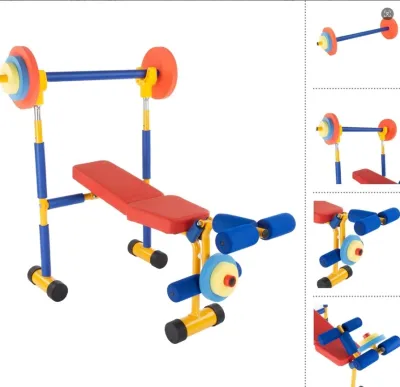

Prices are valid at publication and may change. Please refer to the product page for the latest price.
Must-Have Physical Safety Features to Look For
When evaluating the physical build of a treadmill for kids, the first line of defense is the isolation of moving parts. Inspect the machine to ensure the motor housing is fully enclosed and shielded, leaving no gaps where small fingers or toes could contact the internal drive belt or electrical components. The edges of the running belt should also be covered by wide, textured side rails. These side rails not only prevent lateral foot slippage but also cover the dangerous gap between the moving belt and the stationary frame, minimizing the risk of pinch injuries.

Handrails are another critical structural component that must be tailored to a child’s anatomy. Look for extended, adjustable handrails that run a significant length of the deck, allowing the child to maintain contact even if they drift backward. These handrails should feature non-slip, sweat-resistant grips sized appropriately for smaller hands to ensure a firm hold, especially in humid indoor environments. A stable, wide base is equally important to prevent the entire unit from rocking or tipping during active use, and a low step-up height makes mounting and dismounting straightforward for shorter legs.
Finally, never purchase a motorized treadmill that lacks a physical safety key or magnetic tether mechanism. This safety key must clip securely to the child’s clothing during every session. If the child slips, falls, or moves too far toward the rear of the deck, the magnetic connection is broken, instantly cutting power to the motor and halting the belt. Verify that the tether cord is adjusted to the correct length—long enough to allow natural movement, but short enough to trigger the shutoff before the child reaches the very end of the running surface.
Operational Controls and Emergency Stop Mechanisms
The console of a child-friendly treadmill must prioritize simplicity and immediate accessibility over complex programming. Look for a control panel that features a large, highly visible, and easily reachable emergency stop button. This button should require minimal force to depress, allowing a child in distress or a supervising adult to halt the machine instantly. Avoid consoles with cluttered menus or touchscreens that require multiple steps to navigate when an immediate stop is necessary.
Speed management is another area where strict operational controls are mandatory. Safe treadmills for kids should feature built-in speed limiters or parental lockouts that prevent the machine from accelerating past a safe walking or light jogging pace. Some models allow parents to set a maximum speed cap via a physical key, passcode, or mechanical lock. This ensures that even if a child presses the speed increase button repeatedly, the belt will not exceed the pre-established safe threshold.
Additionally, the startup sequence must require a deliberate, multi-step action to prevent accidental activation. For example, the machine should require both the insertion of the physical safety key and a dual-button press sequence to start the belt. In areas prone to power fluctuations or sudden blackouts, verify that the treadmill’s control system defaults to a complete stop when power is interrupted. When electricity is restored, the machine must require a manual reset and a fresh startup sequence rather than automatically restarting the belt at its previous speed.
Setting Up a Safe Workout Environment at Home
The safety of a treadmill is heavily influenced by where and how it is positioned within your home. Manufacturers specify a recommended clearance zone behind and on both sides of the machine, which must be strictly maintained. This rear clearance zone is particularly vital; it must be completely clear of walls, furniture, sharp corners, or storage boxes so that if a child falls off the back of the belt, they land safely on a flat surface rather than being pinned against an obstacle.
The floor surface beneath the treadmill must be perfectly level to prevent uneven belt wear and structural instability. Placing a heavy-duty, non-slip equipment mat under the machine is highly recommended. This mat dampens vibrations, protects your flooring, and prevents the treadmill from slowly shifting or walking across the room during use. In humid tropical conditions, a high-quality mat also helps manage sweat runoff and prevents moisture from accumulating underneath the frame.
Keep the entire workout area completely free of potential hazards, including loose toys, clothing, electrical cords, and household pets. A pet or a stray toy getting caught under a moving treadmill belt can cause sudden jams, belt slippage, or severe injury. Position the treadmill in a high-visibility, well-lit area of your home, such as a shared living room or a dedicated family fitness space. Avoid placing the machine in isolated bedrooms, dark basements, or crowded hallways where supervision is difficult and emergency access is restricted.
Supervision Rules and When to Stop Use
No safety feature can replace the necessity of continuous, direct adult supervision. An adult must be present in the room, actively watching the child, whenever the treadmill is plugged in or in use. Never allow children to operate the machine while you are distracted in another room or looking away. Establish a strict household rule that the treadmill is off-limits unless an adult is standing nearby to monitor the session.
Proper attire is another non-negotiable safety requirement for any child using a treadmill. Ensure your child wears well-fitting, closed-toe athletic footwear with clean, high-traction soles to prevent slipping. Loose clothing, dangling drawstrings, oversized shirts, and untied shoelaces present extreme entanglement risks and must be avoided. If your child has long hair, always tie it back securely before they step onto the machine.
Parents must also recognize the immediate stop conditions that signal when a workout should end. Halt the machine immediately if you hear any unusual mechanical noises, squeaking, or grinding, or if you observe the belt slipping or tracking off-center. On a personal level, stop the session immediately if the child shows signs of fatigue, dizziness, loss of balance, or discomfort. When the workout is finished, always unplug the power cord from the wall outlet and store the physical safety key in a secure, elevated location out of the child’s reach to prevent unauthorized use.
Frequently Asked Questions (FAQ)
Can a child safely use a regular adult treadmill?
Generally, standard adult treadmills are not safe for children to use. These machines are designed with high-speed capabilities, long running decks, and powerful motors that lack the physical guards and child-sized handrails necessary to protect smaller bodies. The risk of severe friction burns, entrapment, and high-impact falls is significantly elevated on adult equipment. Parents should strictly adhere to the manufacturer’s minimum age, height, and weight restrictions found in the user manual before allowing a child near any fitness equipment.
Are manual non-motorized treadmills safer for kids?
Manual, non-motorized treadmills offer several safety advantages because the belt only moves when the user physically pushes it. This design eliminates the risk of a motorized belt pulling a child down or moving faster than their natural walking pace, and it removes the hazards associated with exposed drive motors. However, manual models still require active adult supervision. Children can still trip, lose their balance, or experience joint strain from the physical effort required to push the belt, making proper form and guidance essential.
What should I do if my child gets a friction burn or pinch injury?
If an injury occurs, immediately press the emergency stop button, unplug the machine from the wall, and safely assist your child off the deck. For minor scrapes or mild friction burns, gently clean the area with cool water and mild soap, and avoid applying harsh chemicals, ice, or unapproved home remedies. For deep friction burns, severe pinch injuries, bleeding, or any signs of infection, seek a prompt medical evaluation from a qualified healthcare professional or visit the nearest medical clinic.
Community discussion
Share your experience or ask a question. Comments are reviewed before publication.