
Selecting a gym ball for kids—often used for active play, balance training, or even as an active desk chair—requires a careful look at safety specifications before making a purchase. Because children use these balls dynamically, bouncing, rolling, and putting their full weight on them, standard toy safety checks are not enough. You must verify specific structural features, including burst-resistant materials, appropriate weight capacities, non-toxic compositions, and reliable valve designs. In tropical climates like the Philippines, where high humidity and warm indoor temperatures can affect synthetic plastics, choosing a high-quality, durable ball is even more critical to ensure long-term safety and prevent sudden deflation accidents.
Understanding Anti-Burst and Material Safety Standards
When browsing online marketplaces or local sporting goods stores, the term “anti-burst” or “burst-resistant” is one of the most critical labels to look for on a gym ball. This feature does not mean the ball is completely indestructible; rather, it describes how the material behaves if it is punctured by a sharp object like a stray toy, a pin, or a sharp edge on the floor. Instead of popping violently like a balloon—which can cause a child to fall suddenly and sustain injuries—an anti-burst ball is designed to deflate slowly and safely, allowing the child to slide off to the floor gradually.
However, it is important to understand the limitations of these manufacturer claims. Most anti-burst ratings are tested under static, controlled laboratory conditions where weight is applied slowly and evenly. In real-world play, children subject the ball to dynamic forces, such as jumping, dropping onto the ball from a height, or rolling over uneven surfaces. Therefore, a burst-resistant label should be treated as a vital safety layer rather than a guarantee of absolute invulnerability. Always check the product packaging or the manufacturer’s digital manual to verify if the ball has been rated for dynamic use.
Products mentioned in this guide
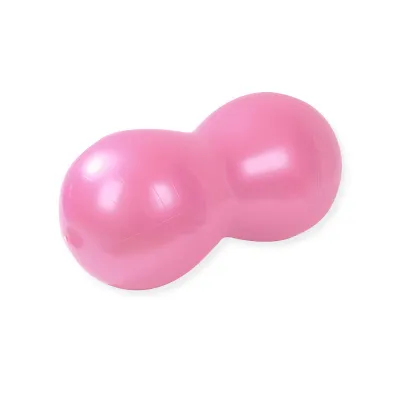
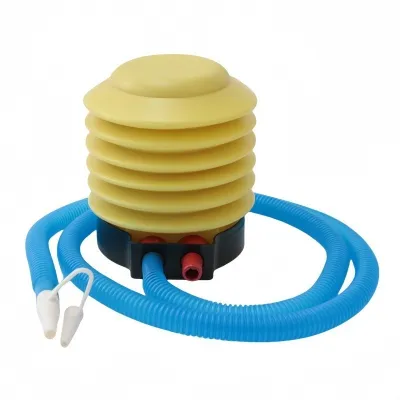
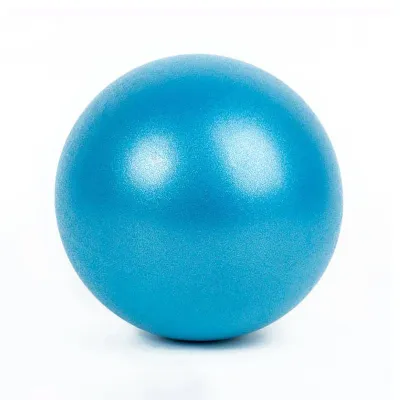
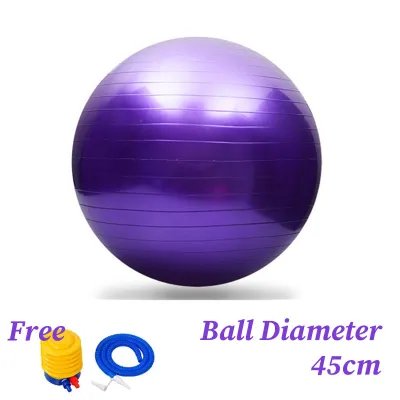
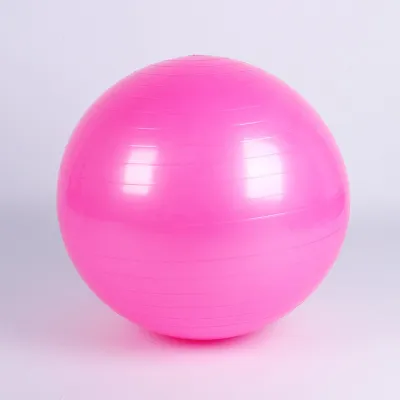
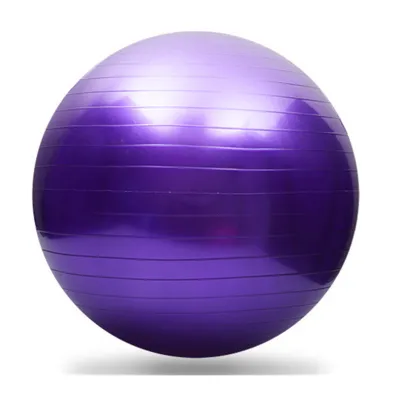

Prices are valid at publication and may change. Please refer to the product page for the latest price.
Material safety is another paramount concern, especially since children have direct, prolonged skin contact with the ball and may even put their hands in their mouths after playing. Look for explicit product claims indicating that the gym ball is made from non-toxic, high-quality polyvinyl chloride (PVC). Specifically, search for labels certifying that the product is free from bisphenol A (BPA), heavy metals, and harmful phthalates, which are chemical plasticizers often used to make PVC flexible but are linked to health concerns.
In cases where official third-party certification marks are absent or difficult to verify on an online listing, you can perform initial sensory checks once the product arrives. A strong, pungent chemical odor that persists days after unpacking is a common sign of low-grade plasticizers off-gassing. Additionally, if the surface of the ball feels excessively sticky, greasy, or leaves a residue on your hands, this can indicate poor material stability, which is often worsened by local tropical humidity. If a new ball fails these sensory checks, it is best to return it rather than risk your child’s exposure.
Evaluating Weight Capacity and Size for Child Safety
Selecting the right gym ball requires matching the product’s physical specifications to your child’s size and weight. Every reputable gym ball will state a maximum weight capacity, which typically ranges from static weight limits to dynamic weight limits. When evaluating these numbers, always apply a generous safety margin. A child who weighs 25 kilograms can easily exert two to three times that force on the ball during active bouncing. Therefore, choosing a ball with a weight capacity that far exceeds your child’s current weight ensures the structure can withstand vigorous play without stretching or bursting.

To determine the correct ball diameter, you must measure your child’s height and leg length. A general rule of thumb is that when your child sits upright on the center of the inflated ball, their feet should rest flat on the floor, with their hips, knees, and ankles all bent at approximately a 90-degree angle. If the ball is too large, the child’s feet will dangle, making it incredibly difficult for them to stabilize themselves and increasing the risk of tipping over backward or sideways. Conversely, if the ball is too small, their knees will be pushed up higher than their hips, compromising their posture and making the ball unstable during movement.
Using an improperly sized gym ball introduces significant safety hazards. Children naturally have a higher center of gravity than adults, and their coordination is still developing. An oversized ball forces them to stretch or lean awkwardly to maintain contact with the ground, which can lead to sudden slips and hard falls onto tiled or wooden floors. Ensuring a proper fit not only prevents these immediate physical accidents but also supports healthy spinal alignment and muscle engagement while they play or sit.
Inspecting Surface Texture and Valve Security
The physical design of the ball’s surface plays a major role in preventing slips during active use. Look for gym balls that feature a distinct surface texture rather than a completely smooth, glossy finish. Many high-quality kids’ gym balls are designed with raised, concentric ridges or a matte, slip-resistant texture. These ridges provide essential traction, helping the child’s hands, feet, and clothing grip the ball securely. This grip is particularly important in warm, humid environments where sweat can quickly turn a smooth plastic surface into a slippery hazard.
Equally important is the design and security of the inflation valve. The valve plug must fit completely flush with the surface of the ball once fully inflated. A protruding plug is not only an annoyance during play but also a serious hazard; it can catch on clothing, scratch the child’s skin, or be easily pulled out by curious fingers or teeth, presenting a choking risk. Verify that the ball comes with a secure, heavy-duty plug and a proper plug-removal tool, which prevents accidental deflation while ensuring that only an adult can deflate the ball when necessary.
Finally, take a close look at the seams of the gym ball. High-quality manufacturing processes produce seamless or near-seamless balls where the joints are smooth and virtually imperceptible. Rough, raised, or hard seams can cause skin irritation and chafing during active play, especially when children are wearing shorts or short-sleeved shirts. Furthermore, prominent or poorly bonded seams represent structural weak points that are more likely to split under pressure or degrade over time when exposed to regular stretching.
Safe Setup, Inflation, and Usage Boundaries
Once you have purchased a safe gym ball, proper setup and inflation are critical to maintaining its structural integrity. Always read and follow the manufacturer’s specific inflation instructions, as rushing this process can damage the material. Many manufacturers recommend a staged inflation process: inflate the ball to about 80% of its target size, let it rest for 24 hours at room temperature to allow the PVC material to stretch and adapt, and then finish inflating it to its final recommended diameter. Over-inflating the ball makes it too hard, reducing its grip and increasing the stress on the material, while under-inflating it makes it sluggish and unstable.
Before letting your child play with the ball, perform a thorough environmental safety check of the designated play area. Ensure the floor is completely clear of sharp objects, such as small toys, building blocks, hairpins, or pet claws, which could puncture the ball. It is also vital to maintain a safe clearance zone around the ball; keep the play area away from hard furniture corners, glass doors, stairs, and electrical outlets. If your home has hard tiled or concrete floors, placing a soft play mat or a yoga mat underneath the ball can provide extra cushioning in case of an accidental fall.
Establish clear usage boundaries and teach your child how to use the ball safely. Inspect the ball regularly for warning signs that indicate it is no longer safe to use. If you notice any visible deformation, persistent air leakage, surface cracking, or if the material begins to feel sticky or brittle, immediately remove the ball from use. Regularly checking the ball’s condition ensures that minor wear and tear does not escalate into a sudden failure during play.
Frequently Asked Questions (FAQ)
Can a regular adult gym ball be safely used by an older child?
A regular adult gym ball is generally not recommended for children unless they meet the specific height and physical development requirements outlined by the manufacturer. Adult gym balls are typically much larger, starting at diameters of 55 centimeters or more, which makes it difficult for most children to sit on them with their feet flat on the floor. This lack of ground contact significantly increases the risk of falls and loss of balance. Additionally, adult balls are designed for different weight distributions and may not offer the same tactile grip or child-safe material certifications required for younger users. If an older child or teenager meets the height requirement for a small adult ball, ensure they can maintain proper 90-degree posture and that the ball’s material is certified non-toxic before allowing use.
How often should I check the gym ball for wear and tear?
You should perform a quick visual and tactile inspection of the gym ball before every play session, along with a more thorough check once a week. Look closely for signs of material degradation, such as micro-tears, surface cracking, localized bulging, or slow air leaks around the valve. Environmental factors common in tropical climates, such as direct sunlight, high indoor heat, and humidity, can accelerate the breakdown of PVC plastics, making them brittle or sticky over time. If the ball is stored near a sunny window or used on rough outdoor surfaces like concrete patios, it will require more frequent inspections and will likely need to be replaced sooner than a ball kept strictly indoors in a cool, shaded area.
Community discussion
Share your experience or ask a question. Comments are reviewed before publication.