
Water activities are a staple of family recreation, especially in tropical climates where beaches, pools, and rivers are always nearby. However, open water and swimming pools present significant risks for young children who are still developing their motor skills and water confidence. When preparing for a day on the water, a certified life jacket for a toddler is the most critical piece of safety gear you can select. It is vital to remember that no flotation device can replace active, touch-distance adult supervision or proper water safety training. Before allowing your child near the water, you must verify that their life jacket features certified buoyancy, a supportive head collar, a secure crotch strap, and high-visibility materials. Understanding these essential features ensures you choose a device that keeps your child safe and secure.
Decoding Safety Labels and Certifications
When shopping for a life jacket for a toddler, the first step is to look past the bright patterns and examine the manufacturer’s safety label printed directly on the inside of the vest. This label contains critical regulatory information, including the approved weight range, the device’s classification, and the specific water conditions for which it was tested. For toddlers, the weight range is the most critical metric, typically categorized as under 30 pounds (approximately 14 kilograms) or between 30 and 50 pounds (14 to 23 kilograms). Never guess your child’s weight; use a scale to ensure they fall precisely within the specified limits before making a purchase.
In addition to weight limits, look for official certification marks from recognized maritime or safety standards organizations. In international markets, this is often the United States Coast Guard (USCG) approval stamp or European CE/ISO certification. In the Philippines, maritime safety advocates and local authorities look for these recognized international standards to verify that the device has undergone rigorous buoyancy, stress, and material testing. A certified life jacket is classified as a personal flotation device (PFD), meaning it is legally recognized as life-saving equipment.
Products mentioned in this guide
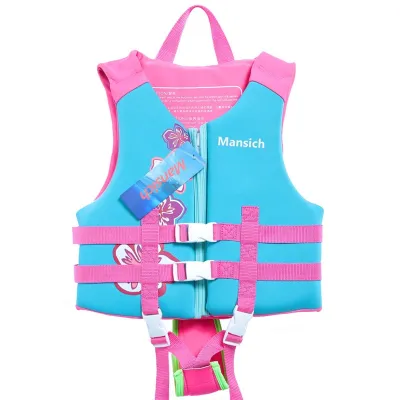
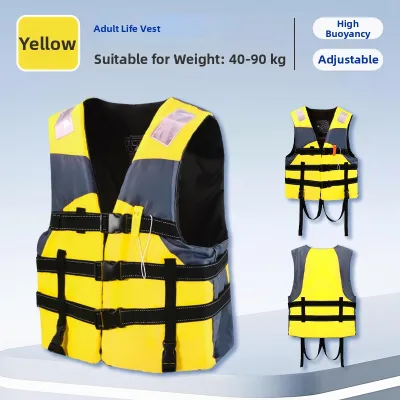
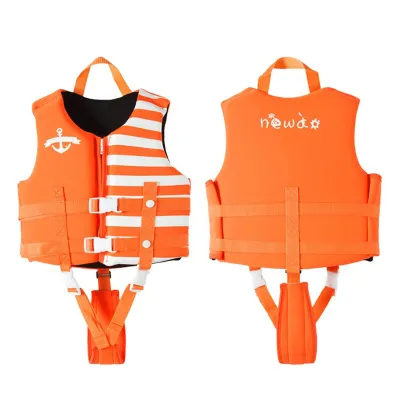
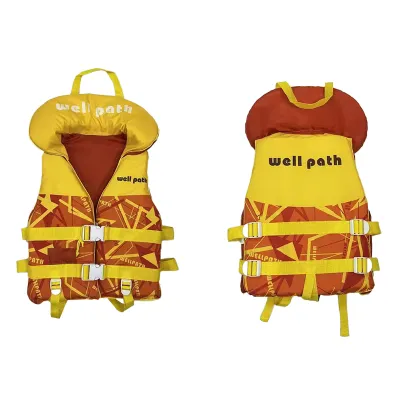
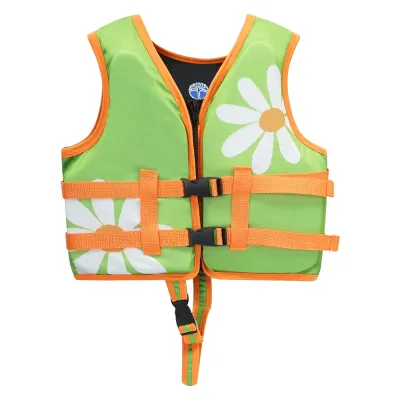
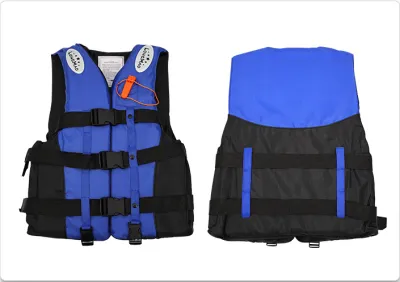
Prices are valid at publication and may change. Please refer to the product page for the latest price.
It is crucial to distinguish between approved life jackets and unapproved recreational swim aids, such as puddle jumpers, water wings, or inflatable rings. While these toys can help a child stay afloat in a calm pool, they are not designed, tested, or certified to keep a child’s head out of the water in an emergency. Many of these recreational items can easily slip off, deflate, or hold a child in an unsafe vertical position. For open water, boating, or unsupervised pool edges, only an officially certified life jacket provides the necessary buoyancy and structural integrity to protect a toddler.
Must-Have Design Features for Toddler Protection
A toddler’s physical proportions are vastly different from an adult’s, with a relatively heavy head and a shorter torso. Because of this, a standard vest-style life jacket is insufficient. To ensure maximum protection, a toddler’s life jacket must include several specialized design elements engineered to keep their airway clear and prevent the device from failing in the water.

The most critical design feature is a built-in, padded head collar. This oversized cushion sits behind the toddler’s head and is designed to provide immediate neck support. If a toddler falls into the water, they often lack the strength or coordination to keep their head upright. The padded collar is engineered to naturally roll an unconscious or tired child onto their back, keeping their face pointing upward and their mouth and nose clear of the water. Without this collar, a child may float face-down, which is a life-threatening hazard.
Another non-negotiable feature is a heavy-duty, adjustable crotch strap. When a child jumps or falls into the water, the natural buoyancy of the life jacket forces it upward. Without a strap running between the legs, the vest will instantly slide up over the toddler’s head, leaving them submerged beneath the floating jacket. Ensure the crotch strap is made of durable webbing, fits snugly without causing discomfort, and features a secure, child-resistant buckle that cannot be easily unfastened by the child.
Visibility and rescue features are also essential for quick action in an emergency. Choose a life jacket in high-visibility colors such as neon orange, bright yellow, or hot pink, which stand out against blue and green water. Reflective tape strips on the shoulders further enhance visibility in low-light conditions or rainy weather. Additionally, look for a sturdy, reinforced grab handle sewn onto the upper back or collar of the jacket. This handle allows an adult to quickly grab and lift the toddler out of the water, whether from a boat, a dock, or a swimming pool edge.
Sizing, Fit, and Buoyancy Checks
A life jacket can only perform its life-saving function if it fits the child correctly. A common mistake is purchasing a larger size with the intention of letting the toddler “grow into” it over the coming years. A loose life jacket is highly dangerous, as the child can easily slip out of it, or the collar can ride up and block their airway. Always select a vest that matches your child’s current weight and chest measurements.
To verify the fit of a life jacket, you must perform a physical “lift test” before heading to the water. First, put the jacket on the toddler, zip it up, and fasten all buckles and straps snugly. Next, place your hands under the shoulders of the life jacket and pull firmly upward. If the jacket slides up past the child’s chin, ears, or nose, it is too large or the straps are not tight enough. The jacket should remain securely in place on the child’s torso, even when subjected to upward force.
While a snug fit is essential, the jacket must also allow for natural movement and comfort, especially in hot and humid tropical climates. Toddlers often wear life jackets over bare skin or thin swimwear, making them susceptible to painful chafing. Check that the armholes are wide enough to prevent rubbing against the underarms, and ensure that zippers and buckles are covered or recessed to avoid pinching the skin. The child should be able to breathe comfortably and walk around without restriction while wearing the vest.
Pre-Purchase and Post-Purchase Safety Verification
Before trusting a life jacket with your child’s safety, you must conduct a thorough physical inspection of the device. If purchasing online, inspect the product immediately upon delivery. Check the strength of all seams and stitching, ensuring there are no loose threads or weak points. Test the buckles and zippers multiple times to verify they lock securely and do not slip under tension. Feel the internal flotation foam; it should be flexible, uniform, and free of cracks, lumps, or hollow spots.
Once the physical inspection is complete, conduct a controlled water test in a safe, shallow environment, such as a calm swimming pool, under direct adult supervision. This test allows you to observe how the jacket behaves in the water and how your child reacts to it. Watch to ensure the jacket naturally tilts the child onto their back and keeps their face clear of the water. It also helps the toddler become familiar with the sensation of wearing a flotation device, reducing panic in the event of an accidental fall.
Finally, establish a regular maintenance and replacement routine. The intense tropical sun, saltwater, and chlorine can rapidly degrade synthetic fabrics and foam. After every use, rinse the life jacket thoroughly with clean, fresh water and hang it to air dry in a shaded, well-ventilated area. Never dry a life jacket in direct sunlight or use a clothes dryer, as extreme heat can damage the flotation foam. Regularly inspect the vest for signs of wear, such as faded fabric, cracked buckles, frayed straps, or waterlogged foam. If the jacket shows any signs of material degradation, replace it immediately to ensure your child’s safety.
Frequently Asked Questions (FAQ)
Can a toddler wear an infant life jacket if they fit the weight range?
Yes, a toddler can wear an infant life jacket as long as their current weight and chest measurements fall within the manufacturer’s specified limits. Infant life jackets (typically rated for children under 30 pounds) are designed with maximum head support and a full crotch strap to keep non-swimmers face-up. Toddler life jackets (often rated for 30 to 50 pounds) offer slightly more arm mobility for active children. Always prioritize the manufacturer’s specific weight and size guidelines over the age label to ensure a safe fit.
Are inflatable life jackets safe for toddlers?
No, inflatable life jackets are not recommended for toddlers. Inflatable personal flotation devices (PFDs) rely on manual or automatic inflation mechanisms, which can fail, leak, or be punctured during play. Toddlers require inherently buoyant life jackets filled with solid foam. Foam jackets provide immediate, passive flotation without requiring any action from the child or a mechanical trigger, making them the safest standard for young children.
How often should a toddler's life jacket be replaced?
A toddler’s life jacket should be replaced whenever they outgrow the manufacturer’s specified weight or chest size limits, or when the device shows signs of physical wear. Check the fit at the start of every swimming season. Additionally, inspect the jacket regularly for safety red flags, such as faded or torn fabric, cracked plastic buckles, frayed straps, or stiff, brittle, or waterlogged flotation foam. If any of these issues are present, replace the jacket immediately.
Community discussion
Share your experience or ask a question. Comments are reviewed before publication.