
When buying a baby floater for baby, safety is the absolute priority. Parents must look past bright colors and cute designs to evaluate the structural integrity and safety features of the product. A high-quality baby floater should act as a supportive swim aid that keeps your child comfortable, stable, and secure while they get used to the water. In tropical climates like the Philippines, where pool outings are a common way to beat the heat, choosing the right water gear requires careful inspection rather than relying on aesthetics.
Choosing the wrong floater can lead to dangerous situations, including accidental tipping, slipping through the leg holes, or sudden deflation. To ensure your baby’s pool time is both fun and secure, you must know exactly what physical features, material standards, and usage limits to verify before making a purchase. This guide breaks down the essential safety checkpoints every parent should inspect to make an informed, safety-first decision.
Essential Physical Design Features to Inspect
The physical architecture of a baby floater is your first line of defense against water hazards. A secure harness system is absolutely critical; look for floaters equipped with a multi-point safety harness, ideally a five-point system similar to those found in high-quality car seats. This system should include adjustable shoulder straps, waist straps, and a secure crotch strap to prevent the baby from sliding downward into the water or climbing out of the top. A simple ring without a harness or crotch support poses a severe risk, as infants can easily slip through the center opening when their skin becomes wet and slippery.
Products mentioned in this guide
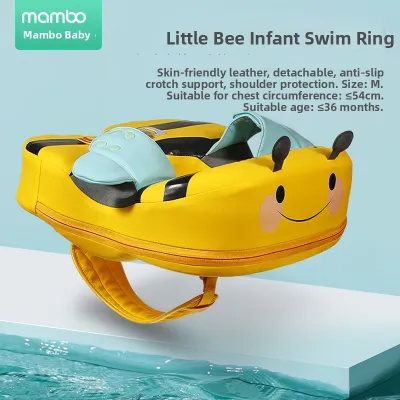
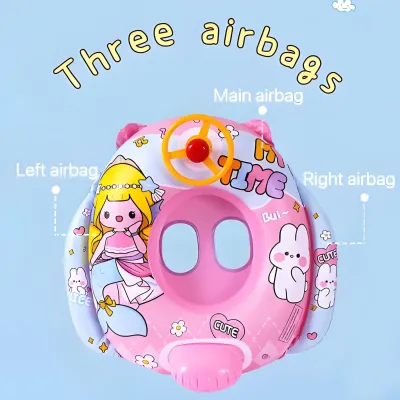
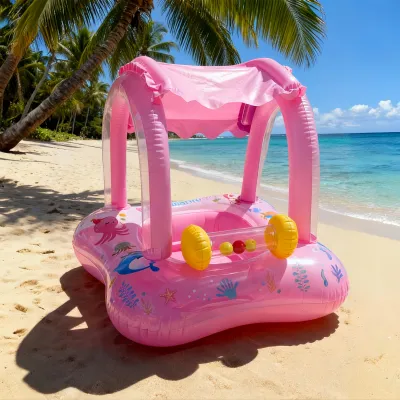
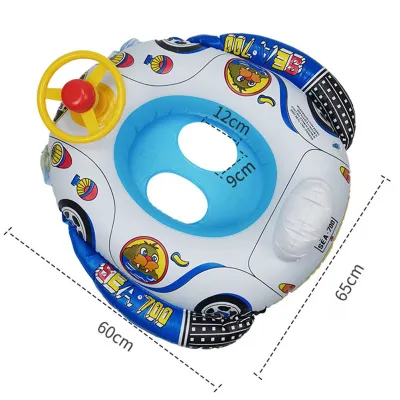
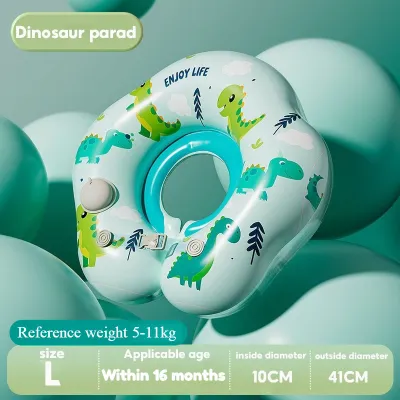
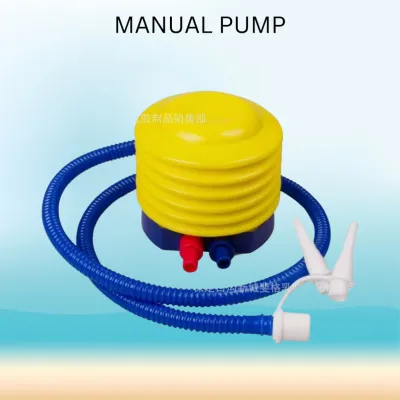
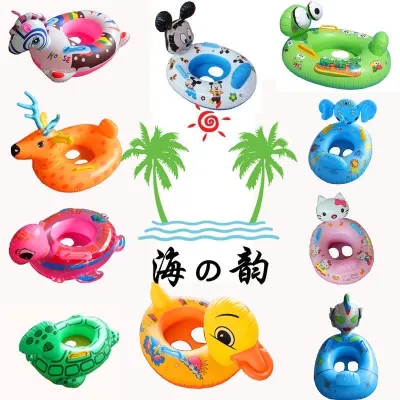
Prices are valid at publication and may change. Please refer to the product page for the latest price.
Stability in the water is another vital factor to inspect. Look for floaters designed with anti-flip or anti-roll mechanisms, which typically feature a widened base, outrigger-style side chambers, or an extended tail float. These design elements lower the product’s center of gravity and resist the tipping forces caused by a baby leaning forward, backward, or sideways. Some advanced models also incorporate a slightly elevated front to keep the baby’s head high above the water surface while preventing forward face-planting.
Sun protection is highly important when swimming in tropical environments. A reliable baby floater should feature a detachable, adjustable canopy with a certified Ultraviolet Protection Factor (UPF) rating, preferably UPF 50+. The canopy should provide generous coverage to shield your baby’s sensitive skin from direct sunlight, while incorporating breathable mesh side panels. These mesh panels are crucial because they allow cooling airflow to prevent overheating and ensure you maintain a clear, unobstructed view of your baby’s face at all times.
Finally, inspect the inflation system for redundancy. High-quality floaters utilize dual or multiple independent air chambers rather than a single large chamber. This multi-chamber design ensures that if one chamber is accidentally punctured by a sharp object or pool edge, the remaining chambers will retain enough buoyancy to keep the floater afloat. Each chamber must have its own dedicated safety valve, allowing you to inflate them separately and providing a crucial buffer of time to safely retrieve your baby from the pool in an emergency.
Material Durability and Skin Safety Checks
The durability of the materials used in a baby floater directly impacts its safety and longevity. When inspecting a product, pay close attention to the seam strength and welding quality. High-quality floaters feature high-frequency welded seams that are smooth to the touch and highly resistant to splitting under pressure. Cheaply made alternatives often have glued seams that can easily degrade when exposed to pool chemicals, salt water, and intense tropical heat, leading to sudden air leaks. Additionally, check the inflation valves; they should be recessed and equipped with internal one-way safety stoppers that prevent rapid deflation even if the valve cap is accidentally pulled open.

Chemical safety is just as important as physical durability, especially since infants tend to explore their environment by chewing on objects. Always check the product packaging or manufacturer specifications for clear declarations that the materials are BPA-free, phthalate-free, and non-toxic. High-quality PVC (polyvinyl chloride) or TPU (thermoplastic polyurethane) materials should meet strict international chemical safety standards to ensure no harmful toxins leach out when the floater is exposed to warm water and direct sunlight.
The thickness of the material is a reliable indicator of its puncture resistance. Look for floaters constructed from heavy-duty PVC with a thickness of at least 0.3mm, or those wrapped in a durable, puncture-resistant nylon fabric cover. Fabric-covered floaters offer an extra layer of protection against sharp pool tiles, concrete decks, or rough wooden pool surrounds, while also providing a softer surface for the baby.
Lastly, examine the finish of the interior lining and leg holes. The edges where your baby’s legs sit must be completely smooth, rounded, or covered with soft fabric. Rough, sharp plastic edges can quickly cause painful chafing and skin irritation on your baby’s delicate thighs, particularly when their skin is softened by water and subjected to constant kicking motion.
Verifying Safety Labels and Weight Limits
Before purchasing any baby floater, you must verify its safety credentials by looking for recognized safety standard marks. Reputable manufacturers print these certifications directly on the product, packaging, or user manual. Look for standards such as ASTM F963 (Standard Consumer Safety Specification for Toy Safety) in the United States, EN13138 (Buoyant aids for swimming instruction) in Europe, or equivalent local regulatory compliance marks. The presence of these marks indicates that the floater has undergone rigorous testing for buoyancy, material strength, and structural stability.
Strictly matching the floater to your baby’s current weight and age is a non-negotiable safety step. Never buy a larger floater with the expectation that your baby will “grow into it.” A floater that is too large will not support your baby properly, allowing them to slump, lean dangerously, or slip through the harness. Conversely, a floater that is too small may sit too low in the water, reducing its stability and increasing the risk of water splashing into the baby’s face. Always weigh your baby accurately before shopping and compare their weight to the manufacturer’s specified limits.
Legitimate safety gear will always feature clear, prominent warning labels printed directly on the material in highly visible areas. These labels should outline maximum water depth restrictions, environmental limitations, and the absolute necessity of constant adult supervision. If a product lacks clear warning labels or is written in a language you cannot understand, treat it as a significant red flag and avoid purchasing it.
It is also vital to understand the distinction between marketing terms and actual safety ratings. Terms like “swim trainer,” “baby float,” or “water aid” are recreational classifications. These products are designed solely to assist with water comfort and are not certified Personal Flotation Devices (PFDs) or life jackets. They do not possess the self-righting capabilities required to keep a child’s head above water in an emergency, and they should never be treated as a substitute for certified safety gear or active supervision.
Strict Usage Boundaries and Supervision Rules
Even the most advanced safety features on a baby floater cannot replace safe usage practices and strict parental boundaries. The absolute core rule of infant water safety is “touch supervision.” This means that whenever your baby is in the water, a responsible adult must be in the pool with them, positioned within arm’s reach at all times. You must be close enough to immediately grab the baby or the floater if an unexpected event occurs. Touch supervision requires your full, undivided attention; looking at a smartphone, reading a book, or socializing on the pool deck are dangerous distractions that compromise your baby’s safety.
The environment where you use the floater must also be strictly controlled. Baby floaters are designed exclusively for calm, shallow, and highly controlled water environments, such as residential swimming pools, backyard wading pools, or calm hotel pools. They must never be used in open water, including rivers, lakes, or oceans. Open water environments present unpredictable hazards such as sudden currents, waves, wind gusts, and tides that can easily flip a lightweight inflatable floater or sweep it away from your reach in a matter of seconds.
Parents must also be prepared to identify immediate stopping conditions and act without hesitation. If your baby shows any signs of distress, shivering, fatigue, or fussiness, remove them from the water immediately. Other critical stopping points include noticing the floater tilting to one side, sudden changes in wind or weather, or observing any loss of air pressure in the chambers. Regularly check the floater’s buoyancy throughout the swim session to ensure no slow leaks have developed.
Proper inflation and deflation procedures are essential to maintain the floater’s structural integrity. Always follow the manufacturer’s instructions carefully, inflating the chambers in the specified sequence if numbered. Never use high-pressure air compressors or bicycle pumps, as these can easily over-inflate and rupture the internal seams of the floater. Inflate the chambers until they are firm but still have a slight give. Keep in mind that air expands when exposed to the hot tropical sun; an over-inflated floater left on a hot pool deck can easily burst or warp, rendering its safety features useless.
Frequently Asked Questions (FAQ)
Can a baby floater be used as a life jacket?
No, a baby floater cannot be used as a life jacket. Baby floaters are classified as recreational swim aids or water toys, meaning they are not certified Personal Flotation Devices (PFDs). They lack the standardized buoyancy, durable construction, and self-righting capabilities required to keep an infant’s face out of the water automatically. They are designed solely for supervised pool play and must never be used in deep, open, or rough water where a certified life jacket is required.
At what age can a baby safely use a water floater?
Most manufacturers recommend a minimum age of 3 to 6 months, but physical development is the most important factor. An infant must have strong, consistent neck and head control to hold their head up steadily before using any type of upright water floater. Always check the specific product’s minimum weight and age requirements, and consult your pediatrician before introducing your baby to any pool activities to ensure they are developmentally ready.
What should I do if the baby floater tips over in the water?
Because you must always practice close touch supervision, you should immediately right the floater and lift your baby’s face out of the water. Check your baby immediately for signs of water inhalation, coughing, or breathing difficulty. Once your baby is safe, calm, and out of the water, thoroughly inspect the floater for any structural defects, air leaks, or improper inflation, and verify that your baby’s weight matches the product’s specifications before considering any future use.
Community discussion
Share your experience or ask a question. Comments are reviewed before publication.