
To ensure your baby’s safety in the water, the most critical features to look for in a baby floater are a secure multi-point safety harness, a wide and stable anti-flip base, multiple independent air chambers, and non-toxic, skin-friendly materials. While these features provide structural support and peace of mind during pool time, they are never a substitute for active, hands-on adult supervision. In the tropical climate of the Philippines, where pool days and beach trips are year-round activities, choosing a high-quality baby floater for baby requires careful evaluation of design, materials, and safety certifications.
Investing in a reliable baby floater helps introduce your little one to the water comfortably. However, navigating the wide variety of options on online marketplaces requires a keen eye for specific safety details. By prioritizing structural integrity and secure restraint systems over cute designs, you can ensure a fun, cool, and hazard-free experience for your infant.
Understanding Water Flotation Risks for Infants
Before selecting a baby floater, it is vital to understand that these products are recreational water toys and not life-saving devices. Swimming aids, such as swim vests or arm bands, are designed to help older children learn active swimming strokes and maintain a vertical or horizontal swimming position. In contrast, baby floaters are passive flotation devices meant to support an infant who cannot yet swim or coordinate water movements independently.
Products mentioned in this guide
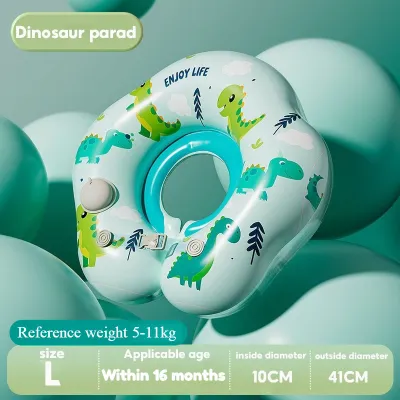
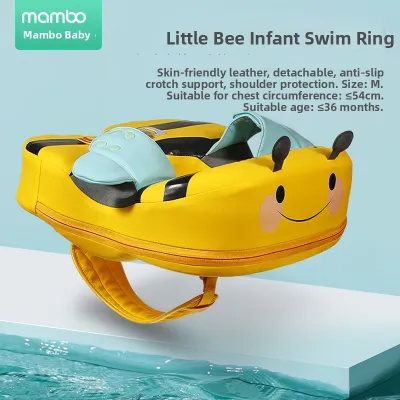
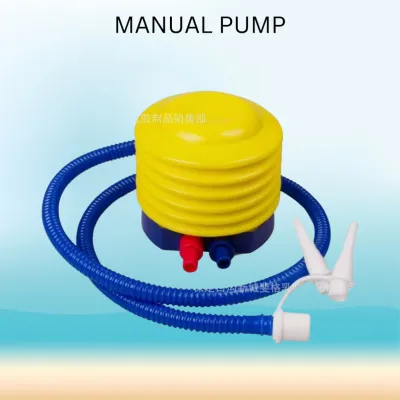
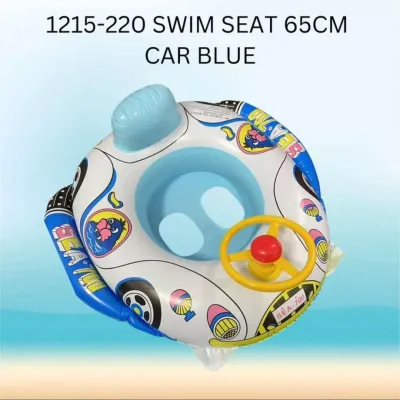
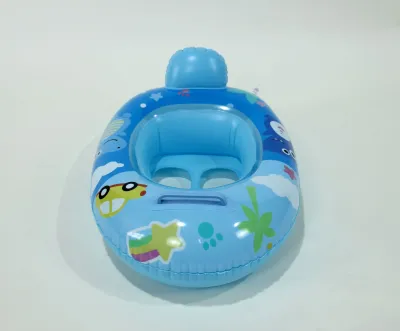
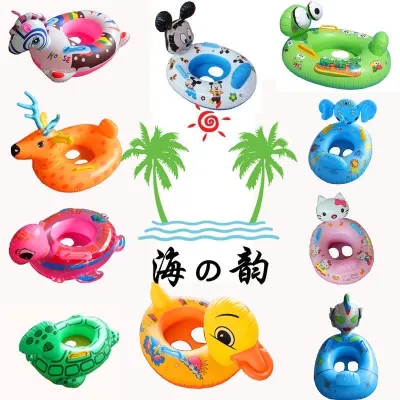
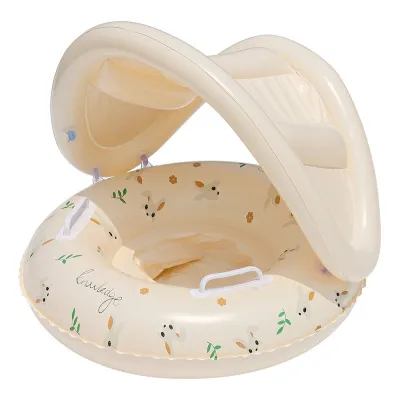
Prices are valid at publication and may change. Please refer to the product page for the latest price.
Infants lack full head and neck control, making them highly vulnerable to sudden movements in the water. The primary hazards associated with baby floaters include slipping through the leg openings, capsizing due to waves or shifting weight, and sudden deflation from a puncture. Because a baby’s center of gravity is different from an adult’s, even a minor tilt can cause a poorly designed floater to flip over, trapping the infant underwater.
No commercial baby floater can replace active, touch-supervision by an adult. Touch-supervision means an adult is in the water and within arm’s reach of the baby at all times, physically capable of intervening instantly. Even the most advanced safety features are secondary to your constant presence and undivided attention during water play.
Evaluating Harness and Restraint Systems
The restraint system is the primary barrier preventing your baby from slipping out of the floater. Cheap or poorly designed floaters often feature simple, open leg holes with no adjustable support. These basic designs are highly risky, as soapy sunscreen, water lubrication, or a sudden wiggle can cause a baby to slide straight down through the bottom of the seat.

Look for a baby floater equipped with an adjustable multi-point safety harness, ideally a five-point or three-point system similar to those found in high-quality strollers or car seats. This design secures the baby around the shoulders, waist, and between the legs, distributing support evenly and preventing the baby from climbing or sliding out. The straps should be easily adjustable to accommodate different swimsuits and baby sizes as they grow.
A secure crotch strap is an absolute necessity. This strap prevents downward slippage and keeps the baby’s torso upright and centered within the flotation ring. Without a reliable crotch strap, the baby’s weight can shift too far forward or backward, compromising the stability of the entire device.
When evaluating the harness, inspect the buckle mechanisms. They should feature a baby-proof locking system that requires a two-step release or sufficient finger strength to prevent curious toddlers or older siblings from accidentally opening them. Additionally, ensure all straps and buckles have smooth, rounded edges and soft protective pads to prevent skin chafing, which is especially common on wet, sensitive skin in warm weather.
Checking Stability and Anti-Flip Designs
Stability is a matter of physics, and a safe baby floater must resist capsizing when the baby moves, leans, or reaches for a toy. Look for floaters that feature a wide, low-profile base. A wider base increases the surface area on the water, while a low seat position keeps the baby’s center of gravity low, making the device inherently stable in calm pool waters.
Redundancy is key to buoyancy safety. High-quality floaters are constructed with dual or multiple independent air chambers, each with its own inflation valve. If one chamber suffers a puncture from a sharp pool edge, a toy, or a rough surface, the remaining intact chambers will provide enough residual buoyancy to keep the baby afloat while you safely lift them out of the water.
Backward tipping is a common hazard when babies lean back to rest or look at their parents. To counter this, look for floaters designed with extended tail pieces or back-support structures. These extensions act as physical outriggers, providing a counterweight that prevents the device from flipping backward when the baby shifts their weight.
Verifying Material Safety and Construction
Babies naturally explore their environment by putting objects in their mouths, and the edges of a baby floater are no exception. It is crucial to verify that the floater is constructed from non-toxic, high-grade materials. Look for product labels that explicitly state the device is BPA-free, lead-free, and phthalate-free, ensuring no harmful chemicals leach into the water or transfer to your baby’s skin.
Inspect the seam construction of the floater before purchasing. High-quality floaters utilize heat-welded or high-frequency welded seams rather than simple glued edges. Welded seams are significantly stronger, resisting the high internal air pressure of inflation and the expansion that occurs when the device is exposed to the hot tropical sun.
Valves should be robust, recessed, and designed to push flat into the inflated chamber. This prevents the valve from catching on clothing or skin and accidentally popping open. Additionally, quality valves feature an internal safety flap or one-way mechanism that restricts rapid air loss even if the outer cap is pulled open, giving you ample time to react.
Assessing Sun Protection and Comfort Features
In the intense tropical climate of the Philippines, protecting your baby’s delicate skin from harmful ultraviolet (UV) radiation is a top priority. Look for a baby floater that includes a detachable canopy with a verified UPF 50+ sun protection rating. The canopy should offer adjustable coverage so you can angle it against the sun as the day progresses, and it must have secure, wind-resistant attachment points.
While a canopy is excellent for shade, it must be designed aerodynamically. A large, rigid canopy can act like a sail in a sudden breeze, catching the wind and tipping the floater over. Ensure the canopy is flexible, lightweight, and easy to remove quickly if the wind starts to pick up at the beach or an outdoor pool.
Comfort directly impacts safety; an uncomfortable baby will squirm, cry, and try to climb out of the device. Opt for seating areas made with soft, breathable, and quick-drying mesh. In humid conditions, solid plastic seats trap sweat and heat, which can quickly lead to painful heat rashes. Mesh seating allows water to circulate, keeping your baby cool, comfortable, and relaxed during their swim.
Pre-Use Safety Checks and Maintenance
Establishing a strict pre-use inspection routine is essential for maintaining the safety of your baby floater over time. Before every single pool session, perform a thorough visual and tactile check. Run your fingers along all welded seams to feel for splits, inspect the valves for wear, and look for any signs of material thinning or punctures.
Test the inflation level carefully. The floater should be inflated to a firm but slightly yielding pressure, typically around 80% to 90% capacity, or according to the manufacturer’s specific guidelines. Never over-inflate the device; leaving a rock-hard inflatable in the hot sun causes the air inside to expand rapidly, which can rupture the seams and cause sudden deflation during use.
Always define clear stop-conditions for your gear. If you notice a slow leak, seam separation, brittle plastic, or a sticky texture on the PVC, discard the floater immediately. Do not attempt to patch structural seams or repair faulty valves, as DIY patches can fail unexpectedly under pressure. Investing in a replacement is a small price to pay for your child’s safety.
Frequently Asked Questions (FAQ)
At what age is it safe to put a baby in a water floater?
Most baby floaters are designed for infants who have achieved independent head and neck control, which typically occurs around three to six months of age. Before this milestone, a baby cannot support their head upright, posing a severe suffocation and airway obstruction risk in the water. Always check the manufacturer’s minimum age, height, and weight specifications printed on the product packaging, and consult your pediatrician if your baby has any specific physical or developmental conditions before introducing them to a flotation device.
Can a baby floater be used in a swimming pool with chlorine?
Yes, most commercial baby floaters are constructed from heavy-duty PVC or foam designed to tolerate standard swimming pool chlorine levels. However, prolonged exposure to chlorine, salt water, and sunscreen chemicals will degrade the material over time, making it brittle and prone to leaks. To extend the lifespan of the floater, rinse it thoroughly with clean, fresh water after every use, and allow it to air-dry completely in a shaded area away from direct sunlight before folding and storing it to prevent mold, mildew, and valve damage.
Community discussion
Share your experience or ask a question. Comments are reviewed before publication.