
When preparing for a family day at the beach or pool in the Philippines, keeping your little one safe around the water is the absolute highest priority. While searching for a reliable salbabida for baby boy, it is easy to get overwhelmed by the sheer variety of colorful inflatable rings, swim vests, and flotation toys available on online marketplaces. However, recreational swim aids do not offer the same level of protection as a dedicated, certified life vest designed specifically for infants and toddlers.
To ensure your baby boy remains safe, you must look for specific structural features that support his developing body. A proper infant life vest is engineered to keep a child’s head upright and clear of the water, even if they lack the strength to hold their head up on their own. Understanding how to evaluate these safety features, verify manufacturing standards, and achieve a secure fit will give you peace of mind during your tropical water adventures.
Verifying Safety Certifications and Manufacturer Standards
Before purchasing any flotation device, you must verify that it meets recognized international safety standards. Look for official certification marks printed directly on the product’s interior label or packaging, such as those from the United States Coast Guard (USCG), Transport Canada, or European CE standards. These markings indicate that the vest has undergone rigorous testing for buoyancy, material durability, and structural integrity under various water conditions. Avoid products that only feature generic “swim aid” labels without any official regulatory stamps, as these are often classified as toys rather than life-saving equipment.
Products mentioned in this guide

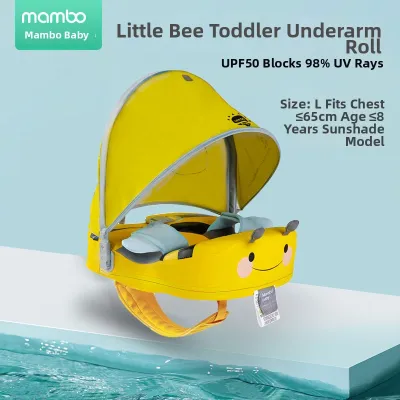
Prices are valid at publication and may change. Please refer to the product page for the latest price.
Manufacturer labels provide critical specifications that dictate whether a vest is safe for your baby’s specific physical development. Always check the printed weight and chest size limits on the label before making a purchase. Infant life vests are typically rated for babies weighing under 30 pounds (approximately 14 kilograms), but you must match your baby’s current weight to the manufacturer’s exact range. Buying a vest that is too large with the intention of letting your baby “grow into it” is a dangerous practice that compromises the device’s ability to keep him afloat.
Additionally, take the time to read the included safety manual or instruction sheet before your first outing. The manual contains vital warnings regarding age recommendations, proper fastening sequences, and environmental limitations. Some manufacturers specify a minimum weight before a baby can safely use their vest, often because an infant’s neck muscles must be developed enough to support their head when floating. Familiarizing yourself with these guidelines ensures you do not use the vest in conditions or ways that the manufacturer did not intend.
Critical Design Features for Infant and Toddler Support
An infant life vest must have specific design elements that cater to a baby’s unique anatomy and physical limitations. Unlike adult vests, which rely on the wearer’s ability to swim or tread water, an infant vest must do all the heavy lifting automatically. The most critical component to look for is a large, padded head support collar. This built-in headrest is designed to cradle your baby’s head and keep his face completely out of the water, providing essential support if he lacks the neck strength to hold his head up or if he becomes fatigued.

Another non-negotiable feature is a sturdy, adjustable crotch strap. This strap runs between your baby’s legs and secures the vest to his body, preventing the entire flotation device from riding up over his face when he enters the water. Without a secure crotch strap, the buoyancy of the vest will push the foam upward, potentially trapping your baby’s head underwater or allowing him to slip out of the vest entirely. Ensure the strap is adjustable so you can tighten it comfortably against his swim diaper or swimwear without causing discomfort.
The distribution of the flotation material inside the vest is also carefully engineered for infant safety. High-quality infant life vests feature front flotation distribution, meaning there is more buoyant foam placed in the chest area than in the back. This specific design helps automatically roll a baby onto his back if he falls face-down into the water, keeping his airway clear. When inspecting a vest, feel the thickness of the foam panels to verify that the front section is noticeably more padded and buoyant than the rear panel.
Construction, Materials, and Hardware Checks
Evaluating the physical build quality of a life vest is essential to ensure it can withstand the harsh conditions of sun, saltwater, and chlorine. While budget-friendly options under ₱1,000 are widely available on online marketplaces, prioritizing certified safety features over a low price tag is essential for your peace of mind. Begin by inspecting the buckles, zippers, and fasteners. Look for heavy-duty, child-resistant plastic buckles that require a firm squeeze to release, preventing curious toddlers from accidentally unclipping themselves. If the vest features a front zipper, it should be robust and accompanied by a protective fabric flap at the top to prevent the zipper pull from pinching your baby’s sensitive chin or neck skin.
Next, examine the seam and stitching integrity across the entire vest. High-stress areas, such as the points where the straps attach to the main body of the vest, must feature reinforced box-stitching or double-stitching. Loose threads, uneven seams, or single-stitched straps are immediate red flags that indicate poor manufacturing quality. If a strap fails under tension, the vest will lose its structural integrity and fail to protect your child in an emergency.
The materials used in the vest’s construction directly impact both safety and comfort, especially in hot and humid tropical climates. Look for soft, non-abrasive inner linings made of high-quality nylon or neoprene to prevent painful chafing on your baby’s bare skin. The outer fabric should be a durable, quick-drying material that resists mold and mildew growth. Bright, high-visibility colors like neon orange, yellow, or bright red are highly recommended, as they make it much easier to spot your baby in the water or on a crowded beach.
Ensuring Proper Fit and Sizing for Your Baby
Achieving a correct fit is just as important as choosing a vest with the right safety features. When sizing a life vest for your baby boy, never rely on his clothing size or age as a guide. Instead, use a flexible measuring tape to find his exact chest circumference and weigh him on a reliable scale. Compare these measurements directly against the manufacturer’s sizing chart. A proper fit should be snug but comfortable, allowing your baby to breathe easily and move his arms without restriction.
Once you have adjusted all the straps, perform a dry-land “lift test” to verify the fit before heading to the water. To do this, gently but firmly pull upward on the shoulder straps of the vest while your baby is wearing it. If the vest slides up past his chin, ears, or nose, it is too loose or too large. The vest should remain securely in place, snug against his torso, without riding up. If you cannot tighten the straps enough to pass the lift test, you must switch to a smaller size or a different model.
Adjustability is another key factor to consider, as babies grow rapidly and may wear different layers of clothing depending on the weather. Look for a vest with multiple adjustment points, typically located at the shoulders, waist, and crotch. This allows you to customize the fit whether your baby is wearing a thin rash guard or a thicker thermal swim suit. Regularly re-evaluate the fit throughout the swimming season to ensure your baby has not outgrown the vest’s weight or chest limits.
Safe Usage Boundaries and When to Stop Use
It is vital to remember that a life vest is a flotation aid and not a substitute for active, hands-on adult supervision. Even when your baby boy is wearing a perfectly fitted, certified life vest, you must maintain “touch supervision” at all times. This means an adult must remain within arm’s reach of the baby, ready to assist immediately if he rolls over, panics, or swallows water. Never leave a baby unattended near any body of water, including shallow wading pools or calm shorelines.
Environmental conditions also dictate the safe use of an infant life vest. These devices are designed for calm, controlled water environments, such as swimming pools, quiet lakes, or gentle coastal waters. They are not engineered to protect an infant in rough seas, strong currents, or high-speed water sports. If the water conditions become choppy or unpredictable, it is time to remove your baby from the water immediately, regardless of the safety gear he is wearing.
Finally, establish a routine to inspect the life vest for signs of wear and tear before every use. Over time, exposure to sun, chlorine, and saltwater can degrade the materials. Look for faded fabric, frayed straps, cracked plastic buckles, or foam that feels compressed, lumpy, or waterlogged. If you notice any of these issues, or if your baby boy exceeds the manufacturer’s maximum weight limit, stop using the vest immediately and replace it. Investing in a new, fully functional vest is a small price to pay for your child’s safety.
Frequently Asked Questions (FAQ)
Can a baby boy wear a standard toddler life vest if it fits loosely?
No, a baby boy should never wear a standard toddler life vest if it fits loosely. A loose-fitting vest poses a severe safety hazard because the buoyancy of the water will push the vest upward while the baby’s body sinks downward. This can cause the collar of the vest to ride up over his mouth and nose, blocking his airway and making it difficult to breathe. It also increases the risk of the baby slipping out of the vest entirely. Always choose a vest that matches your baby’s current weight and chest measurements, and ensure all straps are tightened to a snug, secure fit before entering the water.
Are inflatable arm bands a safe alternative to a life vest for infants?
No, inflatable arm bands, often called water wings, are not a safe alternative to a certified life vest for infants. Inflatable arm bands are classified as recreational swim toys, not life-saving devices. They do not provide the essential head support required to keep an infant’s face out of the water, nor do they have secure crotch straps to prevent them from slipping off. Additionally, inflatable toys are prone to punctures, air leaks, and slipping off wet skin, which can lead to sudden submersion. For infants and toddlers who cannot swim, a certified life vest with a head collar and crotch strap is the only acceptable flotation safety device.
Community discussion
Share your experience or ask a question. Comments are reviewed before publication.