
Starting your soccer journey does not require a professional-level budget or a gear bag overflowing with high-tech gadgets. To begin training effectively, you only need a few essential soccer accessories that protect your body, keep you hydrated, and allow you to practice basic ball-control drills. Overspending on specialized gear before you have established a consistent routine is a common pitfall that often leads to unused equipment gathering dust in your closet.
Focusing your initial budget on safety and hydration ensures that you can train comfortably under demanding conditions, such as the high humidity and intense heat typical of outdoor pitches in the Philippines. By prioritizing functional utility over social media trends, you can build a reliable starter kit that supports your skill development without draining your wallet.
Assessing Your Actual Training Needs Before Buying
Before purchasing any training equipment, you must evaluate your current commitment level, training environment, and fitness baseline. It is easy to get swept away by professional training setups, but your immediate gear decisions should reflect your actual playing conditions over the next three months. Buying gear for a lifestyle you have not yet fully integrated into your routine leads to unnecessary expenses.
Products mentioned in this guide
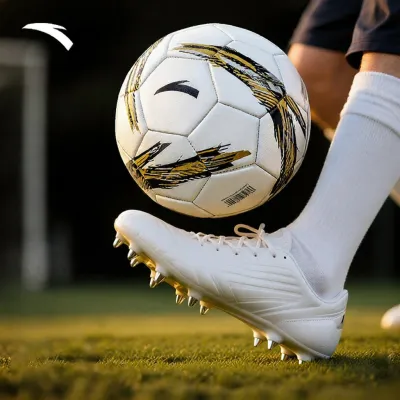
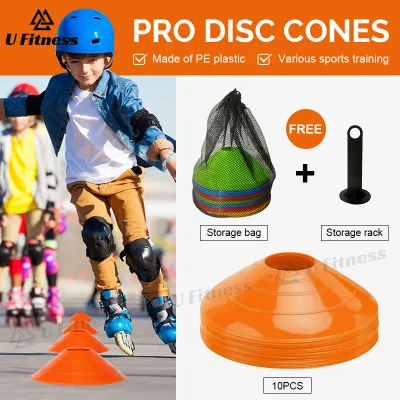
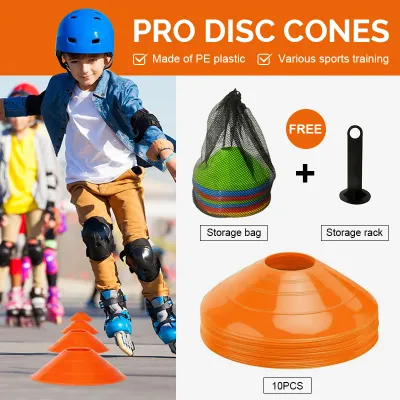
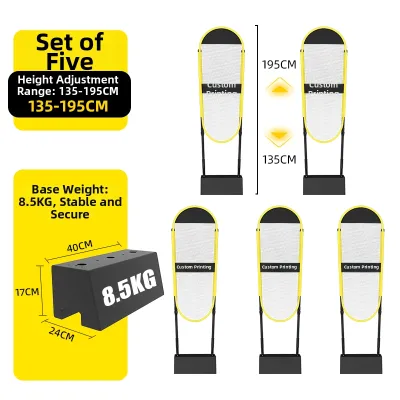
Prices are valid at publication and may change. Please refer to the product page for the latest price.
Use this self-assessment checklist to determine what you truly need right now:
- Training Frequency: Are you participating in casual weekend kickabouts with friends once a week, or have you enrolled in a structured academy with multi-week training sessions?
- Playing Surface: Will you be training on polished indoor wooden courts, concrete barangay multi-purpose courts, artificial turf pitches, or natural grass fields?
- Current Fitness Level: Are you returning to active sports after a long break, or do you already possess a strong cardiovascular baseline that allows for high-intensity drills?
A practical decision rule to follow is to only purchase accessories that serve your confirmed activities for the next 90 days. If you only play once a week on a concrete court, you do not need accessories designed for wet natural grass fields. Differentiating between “nice-to-have” gadgets promoted by online influencers and the functional tools required for basic skill development will save you thousands of pesos. Focus your resources on items that directly prevent injury, facilitate hydration, or are mandatory for participation in local scrimmages.
The Non-Negotiable Soccer Accessories for Every Beginner
When you are starting out, your gear list should prioritize safety, basic physical comfort, and hygiene. These non-negotiable soccer accessories form the foundation of a safe training experience and should be acquired before your first organized practice or scrimmage.

- Shin Guards and Proper Socks
Shin guards are absolute necessities for any drill involving contact or simulated match play. When selecting shin guards, check the manufacturer's specifications for impact-absorption ratings, padding density, and strap security. Slip-in guards require compression sleeves to stay in place, while stirrup-style guards offer ankle protection but can feel bulky. Pair your guards with high-quality, long athletic socks. In hot and humid environments, standard cotton socks retain sweat, leading to friction and painful blisters. Look for socks made from synthetic moisture-wicking materials like polyester or nylon blends that keep your feet dry and secure inside your boots. - Hydration and Recovery Basics
Training under the tropical sun requires a dedicated approach to hydration. A standard plastic water bottle will quickly turn your water lukewarm, which is unappealing and less effective for cooling your core temperature. Invest in a double-walled, insulated stainless steel water bottle with a capacity of at least 1 liter to keep your water cold during long, humid afternoon sessions. Additionally, keep a compact, highly absorbent microfiber sweat towel in your bag. This helps maintain hygiene, allowing you to wipe sweat from your face and hands between drills, preventing sweat from dripping into your eyes and obstructing your vision. - Ball Carry and Storage
You need a practical way to transport your gear to and from the pitch, especially when dealing with muddy or sweaty items after a rainy-day session. A simple, ventilated mesh ball bag is an affordable option if you only need to carry a ball and a pump. However, a dedicated sports backpack with a segregated bottom compartment for muddy boots and a separate mesh pocket for your ball is highly recommended. This separation prevents dirt and odor from transferring to your clean clothes, towels, or personal items. - Essential Verification Steps
Before finalizing any purchase, always check the product labels for material composition and wash care instructions. Avoid relying solely on generic brand marketing claims of "maximum breathability" or "heavy-duty durability." Verify that shin guards are certified by relevant sports safety standards, and ensure that your storage bags feature reinforced stitching along the zipper lines and shoulder straps to handle the weight of wet gear.
Useful but Optional: Gear to Consider Later
Once you have established a consistent training routine of at least two to three sessions per week for a few months, you can begin expanding your kit. These secondary accessories offer clear benefits for skill progression but are not required on day one.
- Agility Ladders and Training Cones
While footwork drills are essential for modern soccer, you do not need to buy your own agility ladders or field cones immediately. If you train with a local club or a coach, they will already provide these training aids. For solo practice, you can easily improvise by using existing field lines, plastic bottles, or even clean stones to mark out boundaries and agility paths. Wait until you have a specific, structured drill routine assigned by a coach before investing in your own set of high-visibility cones. - Goalkeeper Gloves
Goalkeeper gloves feature specialized latex palms designed to grip the ball and protect the hands from high-velocity impacts. However, unless you are committing specifically to playing in goal, outfield players have no use for them. If you are still exploring different positions on the pitch, hold off on buying expensive gloves. Use the club's shared gear or borrow a pair until you are certain that goalkeeping is your primary focus. - Compression Wear and Recovery Tools
Compression shorts, shirts, and specialized recovery tools like foam rollers or massage guns are highly visible in modern sports culture. For a beginner, however, your muscle fatigue can be managed effectively through proper hydration, a structured warm-up, and thorough post-training stretching routines. You do not need to spend ₱1,500 or more on compression garments until your training volume increases to a level where muscle recovery time actively limits your weekly progress. - Identifying Your Upgrade Triggers
Only transition from "beginner" to "intermediate" gear when you hit specific milestones. For example, if your standard athletic socks are slipping inside your boots and causing consistent hot spots during quick turns, that is a clear trigger to purchase specialized grip socks. If you transition from casual weekend kickabouts to playing in an organized local league, that is the correct time to invest in specialized training aids that match your team's tactical drills.
Overhyped or Unnecessary Accessories to Avoid
The sports market is filled with gimmicks and high-end gear designed to appeal to beginners who believe that expensive equipment can bypass the hard work of skill development. Avoiding these unnecessary purchases will protect your budget and prevent potential physical strain.
- Weighted Vests and Ankle Weights
Some beginners buy weighted vests or ankle weights believing they will rapidly increase their speed and explosive power. In reality, adding uncalibrated weight to your joints during high-impact agility or sprinting drills increases the risk of acute knee, ankle, and lower back strain. Without a solid baseline of joint strength, proper running mechanics, and professional athletic supervision, these accessories do more harm than good. Focus on mastering bodyweight movements and proper running form first. - High-End Smart Trackers or GPS Vests
Expensive GPS tracking vests and specialized soccer smart sensors promise to analyze your heat maps, sprint speeds, and kick velocity. While these metrics are valuable for professional academies, they are highly unnecessary for beginners who are still learning how to pass, trap, and shoot. Your standard smartphone or a basic smartwatch is more than capable of tracking your general heart rate and training duration. Redirect the thousands of pesos these trackers cost toward actual pitch rental fees or professional coaching sessions. - Lifestyle Gear Disguised as Training Equipment
Many major brands market high-priced, lifestyle-oriented tracksuits, designer headbands, and branded arm sleeves as essential training wear. While this apparel looks stylish, it offers no functional advantage on the training pitch. A simple, lightweight, unbranded polyester t-shirt and athletic shorts will perform just as well in the heat. Keep your budget focused on high-quality footwear and protective gear rather than paying a premium for lifestyle logos.
How to Maintain and Care for Your Starter Gear
Proper maintenance extends the lifespan of your soccer equipment, ensuring that your initial investment goes as far as possible. Because soccer gear is subjected to sweat, dirt, and varying weather conditions, establishing a simple cleaning routine is vital.
- Cleaning Shin Guards and Socks
Never leave your wet shin guards inside a closed sports bag overnight, as the dark, humid environment promotes rapid bacterial growth and foul odors. After every session, wipe the plastic shells down with a damp cloth and a mild soap solution, then allow them to air-dry completely in a well-ventilated indoor space. For synthetic soccer socks, wash them inside out in cold water to preserve the elasticity of the fabric. Avoid using high-heat settings on clothes dryers, as excessive heat degrades the elastic fibers and causes the socks to lose their supportive fit. - Ball Care and Pressure Maintenance
After training on wet grass or muddy pitches, wipe your soccer ball down with a clean, damp cloth to remove grit and debris that can degrade the outer casing. Store your ball in a cool, dry place away from direct sunlight, as prolonged exposure to intense heat can warp the bladder and cause the outer panels to peel. Use a standard hand pump with a lubricated inflation needle to maintain the manufacturer's recommended air pressure, which is typically printed directly around the ball's valve. - Wear and Tear Inspection Checklist
Perform a quick safety check on your gear once a month. Inspect your shin guards for deep cracks or structural splits in the plastic; cracked guards must be replaced immediately as they can no longer distribute impact forces safely. Check your socks for thinning material around the heels and toes, which increases blister risks. Finally, test your ball's valve by inflating it and checking if it holds consistent pressure overnight; a ball that continuously loses air will disrupt your training rhythm and should be replaced or repaired.
Frequently Asked Questions (FAQ)
Are grip socks really necessary for beginners?
Grip socks feature small rubberized pads on the sole to prevent your foot from sliding inside your boot. While they are highly popular among advanced players, they are not strictly necessary for absolute beginners. If you are just starting to learn basic passing and trapping, standard high-quality athletic socks will provide sufficient comfort. You should only consider upgrading to grip socks if you experience persistent foot slippage or hot spots inside your boots during high-speed directional changes.
What size soccer ball should an adult beginner use for training?
Adults and youth players aged 12 and older should always train with a standard Size 5 soccer ball. This is the official match size used globally, and training with it ensures that you develop the correct muscle memory for passing weight, shooting power, and ball control. A smaller Size 4 ball is generally reserved for players aged 8 to 11, though coaches occasionally use them for highly targeted, technical close-control drills or rehabilitation exercises.
Community discussion
Share your experience or ask a question. Comments are reviewed before publication.