
When choosing a 3-wheel scooter for kids, the most critical specifications to check are the weight capacity, wheel material and size, deck dimensions, handlebar adjustability, and the braking system. These specifications determine whether the scooter will provide a stable, smooth, and safe ride on local pavements, especially under tropical conditions where humidity and wet surfaces can affect grip and durability.
Parents need to look past bright colors and focus on structural specifications that match their child’s physical development and the local riding environment. Evaluating these technical details beforehand ensures the equipment remains safe and functional as your child grows.
Weight Capacity and Age Recommendations
Before purchasing, check the manufacturer’s specified maximum weight capacity. This rating is the primary indicator of structural integrity and should always take precedence over the suggested age range. Children of the same age can vary significantly in height and weight, making the physical weight limit the most reliable safety metric.
Products mentioned in this guide
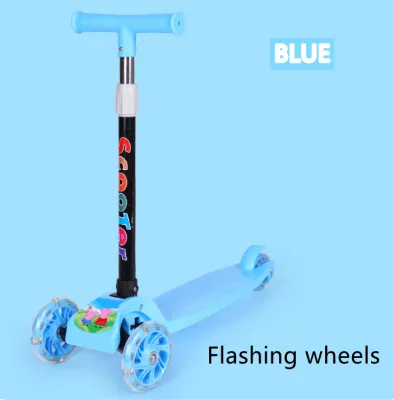
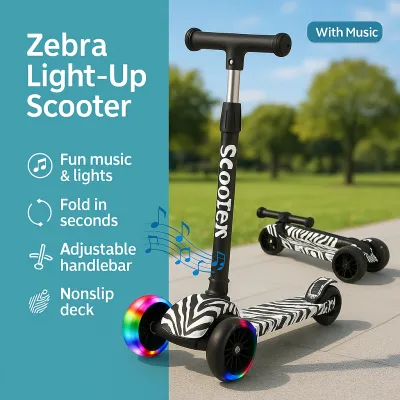
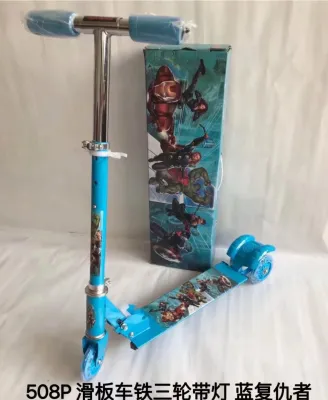
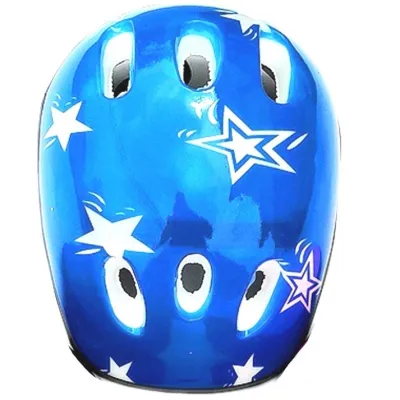
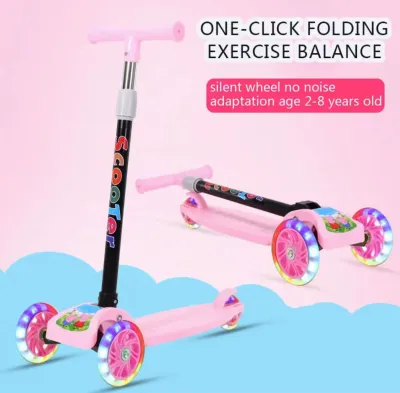
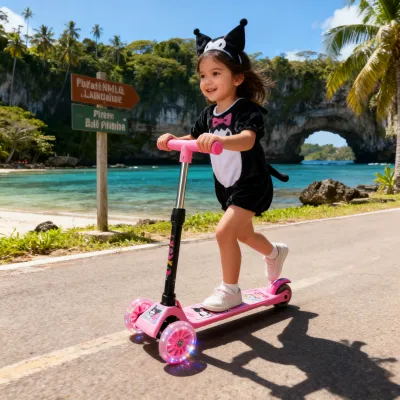
Prices are valid at publication and may change. Please refer to the product page for the latest price.
While the recommended age range serves as a helpful secondary guideline for developmental suitability, relying solely on it can lead to buying a scooter that is either too flimsy or too heavy. A scooter that is overloaded can suffer from structural fatigue, compromised steering, or sudden frame failure.
Additionally, evaluate the physical weight of the scooter itself. A lightweight frame allows young riders to maneuver, turn, and lift the scooter over curbs or steps without straining. If the scooter is too heavy, a child may struggle to control it, leading to frustration and frequent falls during outdoor play.
Wheel Material and Size
The material and size of the wheels directly dictate how smoothly the scooter rolls on outdoor surfaces. Look for high-quality polyurethane (PU) wheels rather than cheap, hard plastic alternatives. Polyurethane wheels offer excellent shock absorption, quiet operation, and reliable traction on paved roads, driveways, and concrete pathways.

Hard plastic wheels, by contrast, tend to slip easily on smooth surfaces, wear down rapidly, and transmit every vibration directly to the child’s hands and feet. In tropical climates where sudden rain can make pavements slick, the enhanced traction of polyurethane is a critical safety factor to verify.
Wheel diameter is another essential specification to check. Larger front wheels, typically measuring around 120mm or more, roll over small cracks, pebbles, and uneven pavement with ease, reducing the risk of the scooter stopping abruptly. Smaller wheels are more prone to getting stuck in pavement gaps, which can cause the rider to lose balance.
Finally, check the wheel bearings, which are often rated using the ABEC scale. High-quality bearings ensure a smooth, effortless glide, meaning the child does not have to push constantly to maintain momentum. Verify that the bearings are sealed to protect them from dust, sand, and moisture, which can quickly degrade performance.
Deck Size and Grip
The deck, or footboard, is the foundation of the scooter and must accommodate the child’s feet comfortably. Check the deck’s width and length to ensure there is enough space for the child to stand with one foot securely positioned while leaving room to bring the other foot up when coasting. A deck that is too narrow can cause feet to slip off the sides, while an overly wide deck can make pushing awkward.
Slip resistance is vital for maintaining control, especially in humid or damp conditions. Inspect the deck surface for high-traction grip tape or a deeply textured, molded rubber pattern. This texture prevents the child’s shoes from sliding off the deck when they encounter moisture, mud, or sweat during active play.
Ground clearance is another critical dimension that is often overlooked. A lower deck height positions the child’s center of gravity closer to the ground, which significantly improves overall stability. A low deck also means the child does not have to bend their supporting knee as deeply to push off, reducing fatigue and making the learning process much easier for toddlers.
Handlebar Adjustability and Steering Mechanism
The steering mechanism of a 3-wheel scooter is fundamental to how a child learns to balance and steer. Most 3-wheel models utilize a “lean-to-steer” design, where the child tilts their body weight to turn the front wheels. This intuitive mechanism helps younger children develop balance and coordination safely, preventing the sharp, sudden turns that often cause tipping on traditional steering systems.
To ensure the scooter lasts more than a single season, check the handlebar height adjustment range. Look for a telescopic T-bar with multiple pre-set height settings or a secure quick-release clamp. Ideally, the handlebars should adjust so that they sit comfortably between the child’s waist and chest level, allowing for natural posture and optimal control as they grow.
Examine the locking mechanism of the handlebar column to ensure it secures tightly without wobbling. A loose or slipping handlebar can cause sudden loss of control. Additionally, look for soft, durable handlebar grips made of rubber or foam with protective end caps to cushion hands and protect the scooter’s frame when it is dropped on the ground.
Braking System and Safety Features
A reliable braking system is the most important safety feature on any kids’ scooter. Most 3-wheel scooters feature a rear fender brake that covers the back wheel. Check that this brake is wide enough for a child’s foot to find easily and that it is reinforced with metal on the underside to handle friction without wearing through the plastic fender.
The brake should require only light pressure from the child’s heel to slow down or stop the scooter. Avoid models with flimsy plastic brakes that bend easily, as they may not apply sufficient stopping force when needed. Testing the spring tension of the brake lever can help verify that it snaps back into place immediately after use.
Some models include integrated safety features like motion-activated LED light-up wheels. These lights improve visibility during late afternoon rides in neighborhood streets or parks without requiring batteries. Ensure that the light-up mechanism is sealed within the wheel hub so it does not compromise the structural integrity or rolling smoothness of the polyurethane wheel.
If you plan to transport the scooter in a car or store it in tight spaces, check the folding mechanism. A secure locking pin or heavy-duty clamp is essential to prevent the scooter from folding accidentally while in use. Verify that the folding joint is robust and does not introduce play or wobble into the steering column during active riding.
Frequently Asked Questions (FAQ)
At what age can a child start using a 3-wheel scooter?
Children can typically start using a 3-wheel scooter around the age of two to three years old, or as soon as they can walk confidently with steady balance. Because readiness depends heavily on individual physical development, parents should prioritize the manufacturer’s minimum weight and age guidelines over general age recommendations. Starting with a stable lean-to-steer model helps toddlers build coordination in a low-risk environment.
Are 3-wheel scooters safer than 2-wheel scooters?
For beginners and younger children, 3-wheel scooters offer a much more stable platform than 2-wheel models. The wider wheel base at the front prevents the scooter from tipping over when stationary, allowing children to focus on steering and pushing without the added challenge of balancing on a narrow line. Two-wheel scooters require more advanced motor skills and are better suited for older children who have already mastered basic balance.
Community discussion
Share your experience or ask a question. Comments are reviewed before publication.