
When building a men’s strength training setup from scratch, the most practical strategy is to prioritize a high-quality pair of adjustable dumbbells and an adjustable utility bench. This initial combination unlocks hundreds of exercises, fits into a corner of a room, and keeps your initial investment manageable. By starting with these versatile tools, you can establish a consistent training habit and build a solid foundation of strength before committing significant budget and floor space to heavy barbells, weight plates, and structural racks.
Taking a phased approach to your home gym prevents the common mistake of buying expensive, single-purpose machines that end up gathering dust. Instead, focusing on free weights allows you to perform compound movements that recruit multiple muscle groups simultaneously, mimicking real-world physical demands. As your strength progresses and your budget allows, you can systematically add specialized equipment like barbells and squat racks to support heavier lifts.
Evaluating Strength Equipment for Small Spaces and Tight Budgets
Before purchasing any fitness gear, you must carefully evaluate your physical environment to ensure safety and functionality. Start by measuring your available floor space and, equally important, your ceiling height. Overhead movements like the standing shoulder press or pull-ups require ample vertical clearance; a low ceiling or a low-hanging ceiling fan can severely restrict your exercise selection and pose a safety hazard. Additionally, if you live in a multi-story home, a townhouse, or a high-rise condominium, you must consider the structural weight limits of your floors to prevent damage from heavy, concentrated loads.
Products mentioned in this guide
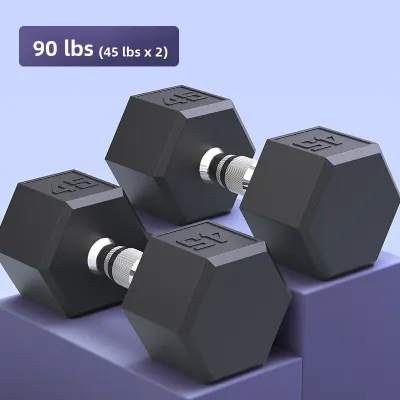
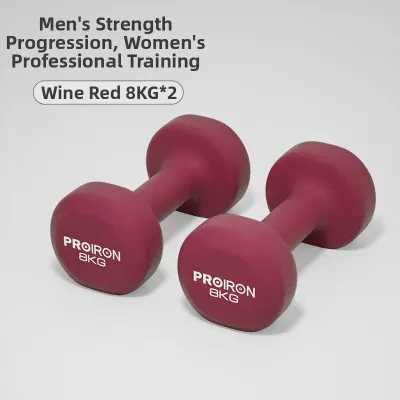
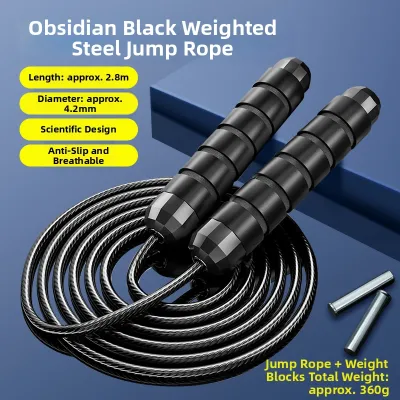
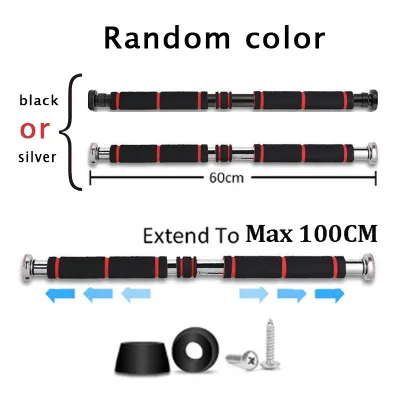
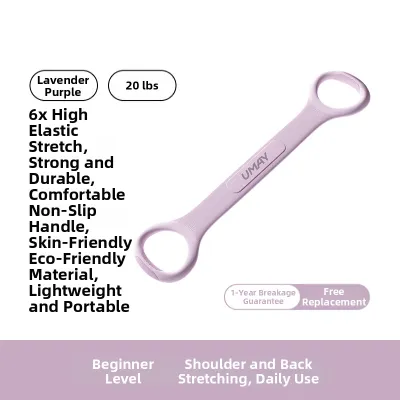


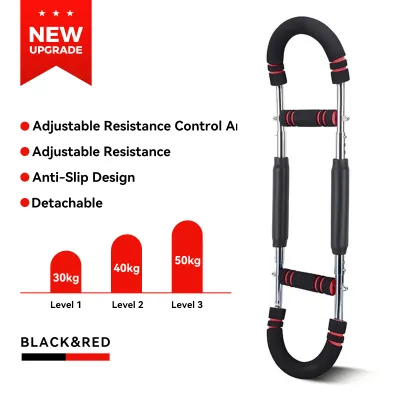
Prices are valid at publication and may change. Please refer to the product page for the latest price.
When budgeting in Philippine Pesos (₱), it is helpful to calculate the cost-per-use of each item rather than focusing solely on the upfront price. Single-purpose machines, such as a dedicated leg extension or chest press station, are highly expensive, occupy a massive footprint, and only allow you to perform one or two movements. In contrast, free weights like dumbbells and barbells offer near-infinite exercise variety, making them far more cost-effective over their lifespan. Allocating your budget toward versatile, high-utility equipment ensures you get the maximum return on your investment.
Furthermore, always check the manufacturer’s maximum weight capacity limits and the expandability of the equipment before buying. A cheap, low-grade bench might seem like a bargain, but if its weight limit is low, you will quickly outgrow it as your body weight and lifting capacities increase. Look for equipment that can be upgraded or expanded over time, such as dumbbell sets that allow you to add extra weight plates, or squat racks that accept various attachments like dip bars or landmine sleeves. This forward-thinking approach ensures your home gym remains useful as you progress through years of training.
First Purchases: Adjustable Dumbbells and a Versatile Bench
Adjustable dumbbells are the ultimate space-saving solution for a home gym, replacing an entire rack of fixed dumbbells with a single pair. When evaluating adjustable dumbbells, pay close attention to the adjustment mechanism, which typically falls into dial, selector pin, or threaded spinlock categories. Dial systems offer the fastest weight changes, making them excellent for supersets, but they often contain intricate internal plastic gears that require gentle handling. Selector pin systems are highly robust and compact, while traditional threaded spinlock dumbbells are the most durable and budget-friendly, though they require more time to manually change plates between sets.

Another critical factor to verify is the handle grip and the weight increments of the dumbbells. In tropical climates where humidity is high, a secure grip is essential to prevent the weights from slipping during intense, sweaty workouts. Look for handles with deep, clean knurling (the cross-hatched pattern etched into the metal) rather than smooth plastic or low-grade rubber sleeves. Additionally, ensure the weight increments are small enough to allow for realistic progressive overload; jumps of 2 to 3 kilograms per dumbbell are much easier to manage than massive 5-kilogram jumps, especially on upper-body movements like lateral raises and overhead presses.
Pairing your dumbbells with an adjustable utility bench is non-negotiable for a complete home workout. When choosing a bench, look for a model that offers flat, incline, and decline (FID) positions to target different muscle groups effectively. The bench must feature a stable, wide-base frame made of heavy-duty steel to prevent wobbling or tipping during heavy lifts. Inspect the padding and upholstery as well; dense, high-rebound foam wrapped in sweat-resistant, double-stitched vinyl will withstand daily use and resist degradation from sweat and humidity far better than cheap, soft foam.
Before finalizing your purchase, verify the combined maximum load capacity of both the dumbbells and the bench. The bench’s weight rating must easily support your body weight plus the heaviest weights you plan to lift. For example, if you weigh 80 kilograms and plan to bench press a pair of 30-kilogram dumbbells, your bench must have a verified weight rating well exceeding 140 kilograms to ensure structural safety. Investing in a robust, certified bench protects you from catastrophic structural failures during heavy training sessions.
Next Upgrades: Barbells, Plates, and Racks for Heavy Lifts
Once you have maximized the utility of your dumbbells and established a consistent routine, transitioning to barbell training is the logical next step for developing maximum strength. When selecting a barbell, the primary choice is between an Olympic barbell and a standard barbell. Olympic barbells feature 2-inch (50mm) rotating sleeves, which allow the weight plates to spin freely during lifts, reducing rotational torque on your wrists and elbows. They also boast higher tensile strength specifications, meaning they can handle heavy loads without permanently bending. Standard barbells have 1-inch (25mm) fixed sleeves, are lighter, and are generally less expensive, but they have much lower weight capacities and lack the smooth rotation necessary for dynamic lifts.
Your choice of weight plates should align with your flooring, noise tolerance, and training style. Traditional cast-iron plates are compact, allowing you to fit more weight on the barbell sleeve, and they are highly durable. However, they are loud when clanked together and can easily crack floor tiles or dent concrete if dropped. Bumper plates, made of dense vulcanized rubber, are designed to absorb impacts and can be dropped safely on protected floors with minimal noise. While bumper plates are wider—meaning you can fit fewer of them on the bar—they are highly recommended for home environments where noise reduction and floor protection are priorities.
To train safely with a barbell, especially on heavy compound lifts like squats and bench presses, you will need a supportive rack. A full power rack offers the highest level of safety, featuring adjustable spotter arms or safety straps that will catch a failed lift, but it requires a large, dedicated footprint. If space is limited, squat stands are a more compact and budget-friendly alternative, though they offer less safety coverage. For multi-purpose rooms, a folding wall-mounted rack can be bolted securely to concrete walls or heavy wooden studs, allowing you to fold the uprights flat against the wall when your workout is finished.
Regardless of the rack style you choose, safety features must remain your top priority. Always verify that the rack includes adjustable safety spotter arms or pins, and ensure the uprights are rated to handle far more weight than your current personal records. If you are training alone at home without a spotter, these safety mechanisms are your only line of defense against injury during a failed lift. Never compromise on the structural integrity of your rack to save a small amount of money.
Planning Floor Space and Safety Clearances for Your Setup
Installing heavy strength equipment requires careful planning of the physical space to protect your home’s structure and ensure your personal safety. First, calculate the total dynamic load of your setup, which includes the weight of the equipment, the weight plates, and your own body weight. If you plan to place your gym on an upper floor or a wooden loft, consult a structural engineer or check your building’s architectural specifications to verify that the floor joists can safely support this concentrated, dynamic load. Ground-floor concrete slabs are always the safest and most stable foundation for a home gym.
To protect your subfloor from impact damage and dampen noise, invest in high-quality rubber flooring. Thin yoga mats or cheap foam puzzle mats do not provide adequate protection for heavy iron weights. Instead, look for heavy-duty, non-porous rubber tiles or gym mats with a thickness of at least 15mm to 20mm. These dense rubber mats distribute the weight of your bench and rack evenly, prevent the equipment from sliding during workouts, and absorb the shock of dropped weights, which is especially important for preserving the integrity of concrete floors and maintaining good relations with family members or neighbors.
Finally, establish mandatory clearance zones around your equipment to ensure safe operation. A standard Olympic barbell is 2.2 meters (7.2 feet) long, meaning you need a room that is wide enough to accommodate the bar with extra space on both sides to load and unload weight plates safely. Maintain at least 60 to 90 centimeters of open clearance around all sides of your rack, bench, and barbell. This open space prevents you from hitting walls, furniture, or windows during dynamic movements and ensures you have a clear, unobstructed path to exit the area quickly in the event of an emergency.
Frequently Asked Questions (FAQ)
Is it cheaper to build a home gym or pay for a commercial membership?
Building a home gym requires a significant upfront financial investment, but it often proves more cost-effective over the long term. To determine your break-even point, compare the total cost of your home equipment against your annual commercial gym membership fees, transit costs, parking fees, and the value of the time spent commuting. High-quality strength equipment holds its value exceptionally well and can last a lifetime with basic maintenance, whereas gym membership fees are recurring expenses that yield no physical assets. Additionally, the convenience of training at home eliminates travel barriers, often leading to greater consistency and better long-term fitness results.
However, you must also factor in the opportunity cost of dedicating space in your home and the minor costs of ongoing maintenance. If dedicating a room or a portion of your living space to a gym restricts your living comfort, or if you highly value the social environment and specialized machines of a commercial facility, a membership may still be preferable. For most lifters, a minimalist home setup consisting of adjustable dumbbells, a bench, and a barbell pays for itself within two to three years while offering unmatched convenience and privacy.
How do I maintain adjustable dumbbells to prevent them from jamming?
To keep the precision mechanisms of adjustable dumbbells functioning smoothly, you must protect them from dust, gym chalk, and excess moisture. In humid environments, sweat and ambient moisture can quickly cause rust to form on internal metal gears, pins, or selector tracks, leading to jamming. After every workout, wipe down the dumbbells with a dry microfiber cloth to remove sweat and skin oils. Periodically clean the selector trays and mechanisms using a soft brush to remove accumulated dust or debris, and apply a very light coat of silicone-based lubricant to the moving metal parts if recommended by the manufacturer.
Most importantly, you must avoid dropping adjustable dumbbells on the floor. Unlike solid rubber or cast-iron dumbbells, adjustable models contain delicate internal components, selector pins, or plastic dial housings that can crack, bend, or misalign upon impact. Dropping them not only voids the manufacturer’s warranty but can also render the adjustment mechanism useless or, worse, cause weight plates to fall off unexpectedly during an exercise. Always place the dumbbells down gently on your rubber gym mats to preserve their alignment and ensure your safety during lifts.
Community discussion
Share your experience or ask a question. Comments are reviewed before publication.