
Preparing your baby girl for her first pool or beach experience in the Philippines requires more than just picking out a colorful swimsuit. While a cute design is delightful, a truly complete swim set prioritizes safety, skin protection, and physical comfort. In tropical climates where the sun is intense and humidity is high, choosing the right accessories ensures your little one stays safe and happy in the water.
To build a functional set, parents must look beyond aesthetics and evaluate essential gear like a reliable salbabida for baby girl, a protective swim cap, and comfortable goggles. Each accessory serves a specific developmental or protective purpose. Balancing these items correctly helps prevent water hazards, skin irritation, and unnecessary distress for your baby.
Before purchasing any gear, it is crucial to understand that swim accessories are tools to assist, not to replace active supervision. A baby’s physical limits, water familiarity, and comfort level should dictate every item you add to her swim bag. By focusing on proper fit, material safety, and layering, you can create a secure environment for her early water experiences.
Products mentioned in this guide
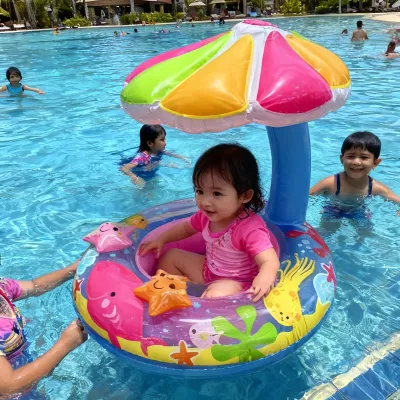
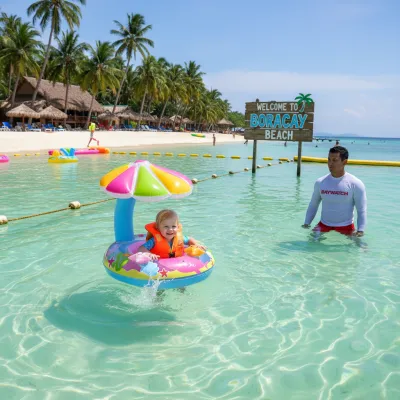
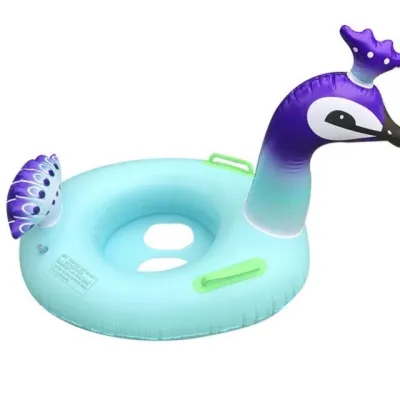
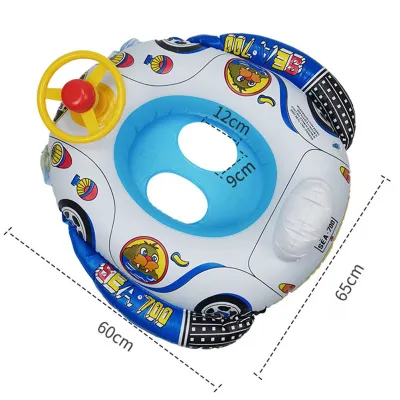
Prices are valid at publication and may change. Please refer to the product page for the latest price.
Selecting a Safe Salbabida (Flotation Device) for Your Baby
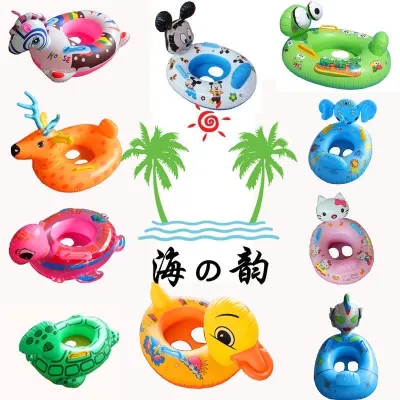
Choosing a salbabida for baby girl requires a clear understanding of the difference between recreational pool toys and actual safety flotation devices. Many brightly colored, inflatable rings or animal-shaped riders sold in local markets are classified merely as toys. These items can easily tip over, deflate, or slip out from under a baby, offering zero reliable buoyancy. For genuine safety, parents should look for flotation aids specifically designed for water familiarization or personal flotation devices that carry verified safety certifications on their labels.
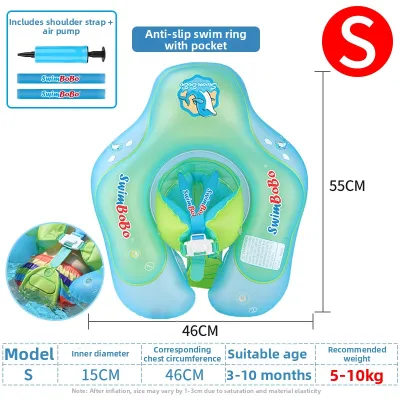
When evaluating a flotation device, physical development is the primary factor. For infants who cannot yet hold their heads up independently, standard upright rings are highly dangerous. Instead, look for specialized baby floats that feature a secure, integrated seat with a supportive backrest and a canopy for sun protection. These models keep the baby’s center of gravity low in the water, reducing the risk of capsizing.
A critical safety feature to verify is the presence of a secure crotch strap or a multi-point harness system. Without a strap running between the legs, a baby can easily slip straight through the bottom of the float into the water. Ensure all straps are adjustable, made of soft, non-chafing webbing, and feature heavy-duty buckles that cannot be easily undone by curious little fingers. The leg holes must also be smooth and sized appropriately to prevent pinching or red marks on your baby’s delicate skin.
Weight and age limits are not mere suggestions; they are absolute safety boundaries. Always check the manufacturer’s specifications printed on the device or packaging before use. A float designed for a toddler will not support an infant correctly; always verify your baby’s current weight against the product limits as she grows. This prevents overloading, which causes the float to lose its buoyancy and stability.
Regardless of how advanced or highly rated a salbabida is, it must never be treated as a substitute for constant, hands-on adult supervision. Water accidents can happen silently and quickly, even in shallow wading pools. An adult should always remain within arm’s reach—a practice known as touch supervision—ready to intervene instantly. Never leave your baby unattended in or near the water, even for a brief moment to grab a towel or answer a phone.
Evaluating the Need for Baby Swim Caps and Goggles
While a salbabida is a primary safety tool, swim caps and goggles are secondary accessories that require careful consideration based on your baby’s age and comfort. Understanding when and why to introduce these accessories will help you make a practical decision for your baby girl’s swim set, rather than forcing items that might cause distress.

Swim caps serve two main purposes for babies: protecting the scalp from intense tropical UV rays and keeping hair out of their eyes and mouth. For baby girls with longer hair, a cap prevents wet strands from clinging to the face, which can cause panic or breathing discomfort. When selecting a cap, avoid tight, high-pressure competitive silicone caps that pull on fine baby hair. Instead, opt for soft, stretchy fabric caps made of nylon or polyester, or gentle, lightweight silicone designed specifically for recreational infant use. These materials slide on easily without painful tugging.
Goggles, on the other hand, are generally unnecessary for very young infants who spend their time splashing on the surface. Goggles only become useful when a child reaches the developmental stage of actively submerging her face or learning basic underwater breathing. Forcing goggles on a baby who does not submerge can cause unnecessary irritation and anxiety. If your baby is ready for goggles, look for models with wide, soft silicone seals that distribute pressure evenly around the eye sockets, and adjustable fabric straps that do not tangle in her hair.
The biggest challenge with headwear is the comfort trade-off. Babies are highly sensitive to tactile sensations around their heads and faces. If your baby girl constantly pulls at her cap or screams when you try to put on goggles, it is best to set them aside. Forcing these accessories can create a strong negative association with the pool, making her fearful of swimming altogether. Prioritize her emotional comfort and rely on wide-brimmed sun hats and gentle splashing on the surface until she is developmentally ready to accept eye and head protection.
Assembling the Complete Swim Outfit: Layering and Safety Checks
Putting together your baby girl’s swim outfit requires a systematic approach to ensure that each layer functions correctly without compromising safety or mobility. A poorly layered outfit can restrict movement, cause painful chafing, or even interfere with the proper performance of her flotation device. Following a logical sequence when dressing your baby will make the transition from the changing room to the pool smooth and stress-free.
The proper layering sequence begins with a high-quality swim diaper, which is mandatory in almost all public pools in the Philippines to maintain hygiene. Standard everyday diapers are not suitable, as they absorb water rapidly, swell up like a heavy sponge, and drag the baby down. Place a reusable or disposable swim diaper on first, followed by her swimsuit. If you are using a salbabida, this should be fitted next, once you are at the poolside. Finally, put on the optional swim cap and goggles just before entering the water to minimize the time she has to tolerate them on dry land.
Be mindful of combination restrictions that can create safety hazards. Avoid dressing your baby in bulky, loose-fitting clothing or heavy cotton shirts under her salbabida. Excess fabric can bunch up, trap water, and make the flotation device sit unevenly on her body. Additionally, never combine a proper flotation vest with unverified inflatable arm bands or cheap pool toys, as this can force her body into an unnatural, unsafe swimming position. Keep the outfit streamlined, using lightweight, quick-drying UV-protective rash guards that fit snugly against her skin.
Before your baby takes her first splash, perform a thorough pre-swim inspection checklist. First, verify that all buckles, zippers, and straps on the salbabida are fully engaged and locked. Gently pull on the straps to ensure they do not slip under tension. Second, check for potential chafing points around her neck, underarms, and inner thighs where wet fabric or plastic edges might rub against her skin. Finally, ensure her swimsuit has not ridden up or bunched under the flotation device, which can cause discomfort and restrict her breathing or leg movement.
Frequently Asked Questions (FAQ)
Can I use a standard salbabida for an infant under one year?
Standard recreational salbabida, such as open rings or basic arm bands, are not safe for infants under one year old. Babies in this age group lack the core strength and neck control required to keep their heads upright and above water. Standard devices also lack the specialized harness systems needed to prevent a small infant from slipping through. For babies under twelve months, look for specialized infant water-familiarization floats that offer full recumbent body support, a secure multi-point safety harness, and integrated headrests, or choose to hold your baby securely in your arms at all times.
Are inflatable neck rings recommended for babies?
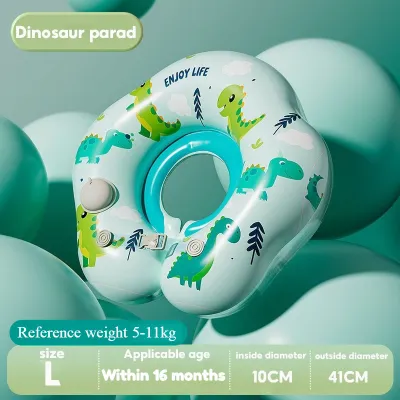
Inflatable neck rings, which support a baby by the neck while letting the body float freely below, are highly discouraged by pediatricians and global water safety organizations. These devices pose significant safety risks, including the potential for airway restriction, neck strain, and sudden deflation. If the ring is slightly too loose, the baby’s head can slip through, leading to immediate submersion. Because they do not provide proper torso support and carry a high risk of tipping, it is safest to avoid neck rings entirely and opt for chest-supported flotation aids or direct adult holding.
What is the best way to clean and store baby swim gear?
To protect your baby’s sensitive skin and extend the lifespan of her swim gear, proper maintenance is essential. After every swim, thoroughly rinse the swimsuit, cap, goggles, and salbabida in clean, cool tap water to remove chlorine, salt, sand, and sunscreen residues. Gently squeeze out excess water without wringing the fabrics. Hang all items to air-dry completely in a shaded, well-ventilated area, keeping them out of direct tropical sunlight, which degrades elastic fibers and weakens flotation materials. Once dry, store the gear in a cool, dry place away from high humidity to prevent mold and mildew growth.
Community discussion
Share your experience or ask a question. Comments are reviewed before publication.