
Preparing your child for their first swimming lessons is an exciting milestone, but walking down the sporting goods aisle can quickly become overwhelming. To set your child up for success, you only need a few basic, high-quality items: a well-fitting swimsuit, a pair of leak-proof goggles, a snug swim cap, and a highly absorbent towel. Buying too much gear too soon can actually clutter your child’s experience, distract them from their instructor’s lessons, and hinder their natural movement in the water.
Before purchasing any equipment, it is essential to understand that swimming accessories are designed to support comfort and learning, not to guarantee safety. No accessory can replace professional instruction, personal swimming ability, or active adult supervision. Before the first lesson, discuss basic water safety rules with your child. Establish clear stop conditions, such as exiting the pool immediately if they feel shivering, extreme fatigue, or dizziness. Teach them that equipment is a tool, and they must always wait for their coach’s signal before entering the water.
The Day-One Essentials Checklist
To keep your preparation simple and stress-free, focus entirely on the absolute essentials for their very first day. You do not need a bag overflowing with training aids; instead, prioritize these four core items:
Products mentioned in this guide
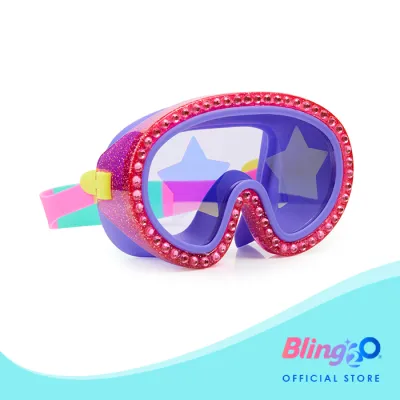
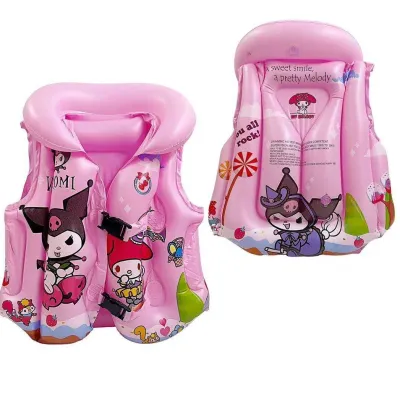
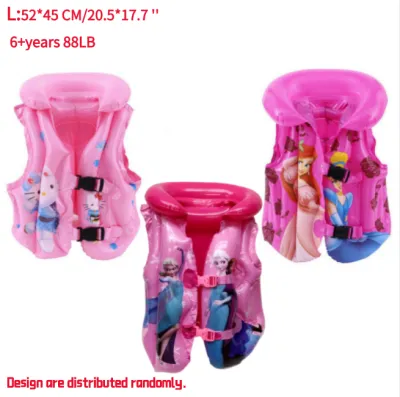
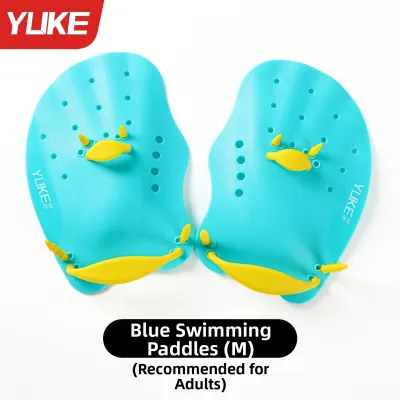

Prices are valid at publication and may change. Please refer to the product page for the latest price.
- Well-fitting swimsuit: A suit that stays secure without restricting movement.
- Leak-proof goggles: Eye protection that allows your child to see clearly underwater.
- Snug swim cap: Keeps hair out of the face and meets pool hygiene standards.
- Quick-dry towel: A highly absorbent towel to dry off quickly after the lesson.
Before spending thousands of pesos on gear, always review your chosen swim school’s parent handbook or mandatory gear list. Some facilities provide specific items like swim caps as part of their registration package, while others have strict rules regarding swimsuit styles or color requirements for beginners. Checking these guidelines first prevents duplicate purchases and ensures your child meets all facility regulations on day one.
The "Must-Have" Essentials for Every Beginner
Investing in the right basic gear ensures your child stays warm, comfortable, and focused on their instructor rather than adjusting slipping straps or wiping water from their eyes.

Swimwear
When selecting a swimsuit, prioritize a snug fit, ease of movement, and appropriate coverage. For girls, a classic one-piece swimsuit or a secure two-piece athletic suit is ideal. For boys, snug swim trunks or jammer-style shorts are preferred. Avoid loose, heavy beachwear, such as baggy board shorts or multi-layered frilly swimsuits. In the water, these loose fabrics absorb massive amounts of water, sag, create heavy drag, and restrict natural leg movements, making it much harder for a beginner to learn how to kick.
Swim Goggles
A reliable pair of swim goggles is crucial for protecting your child’s eyes from irritating pool chemicals like chlorine. Clear, pain-free vision underwater dramatically reduces water anxiety, allowing beginners to submerge their faces comfortably. Look for goggles with soft silicone gaskets that seal gently around the eyes, and adjustable straps that can be tightened without pinching. For indoor pools, choose clear or lightly tinted lenses; for outdoor pools under the bright tropical sun of the Philippines, look for lenses with UV protection to shield their eyes from glare.
Swim Caps
Many swim schools require swim caps for hygiene reasons, as they prevent loose hair from clogging the pool’s filtration systems. Beyond hygiene, a swim cap keeps wet hair out of your child’s eyes and mouth, allowing them to breathe and listen to instructions without constant distraction. Silicone caps are highly durable, water-resistant, and keep hair relatively dry, though they can pull on fine hair. Lycra or fabric caps are much easier to put on and do not pull hair, but they absorb water and will not keep hair dry.
Post-Swim Care
The transition out of the pool is just as important as the lesson itself. In warm, humid tropical climates, heavy cotton towels can take hours to dry, often leading to a damp, musty smell in your child’s gear bag. A quick-dry microfiber towel or a wearable changing robe is an excellent alternative, absorbing water rapidly and drying quickly in humid air. Additionally, pack a small bag of basic toiletries, including a gentle, chlorine-removing body wash and a moisturizing lotion to protect their skin from drying out after prolonged exposure to pool chemicals.
Conditional Gear: When to Wait for the Instructor's Advice
Many parents assume they need to buy a full suite of training aids before the first class, but most of these items are highly situational. Waiting for your instructor’s guidance prevents you from wasting money on gear that might conflict with their teaching methods.
Flotation Devices
Accessories like arm bands, kickboards, pull buoys, and pool noodles should only be purchased if specifically requested by the coach. Many modern swim instructors prefer to teach beginners without arm bands, as inflatable wings can force a child’s body into an unnatural vertical position and create a false sense of security. If the lesson plan requires kickboards or noodles, the swim school usually provides sanitized facility gear for student use, saving you the hassle of carrying bulky items.
Water Shoes
Whether your child needs water shoes depends entirely on the lesson venue. If the swim school is located in an outdoor facility with rough concrete walkways, or if you must navigate shared, slippery locker rooms, a pair of slip-resistant water shoes can protect their feet from cuts, hot surfaces, and fungal infections. However, for well-maintained indoor pools with clean, slip-resistant decking, water shoes are usually unnecessary and are often banned inside the pool itself to maintain water clarity.
Ear Plugs and Nose Clips
Unless your child has a specific medical condition, such as ear tubes or a high sensitivity to swimmer’s ear, you should skip ear plugs and nose clips initially. Learning to manage water entering the nose and ears is a fundamental part of water acclimatization. Relying on plugs and clips too early can prevent your child from developing natural breathing control and water comfort. If medical needs require them, consult your pediatrician and look for soft, hypoallergenic silicone options that fit securely.
What to Skip: Avoiding Unnecessary or Hindering Purchases
It is easy to fall into marketing traps that promise to accelerate your child’s swimming progress, but many advanced accessories actually hinder a beginner’s development.
Professional and Competitive Gear
Steer clear of high-end competitive gear, such as expensive tech suits, mirrored racing goggles, or rigid training fins. Tech suits are designed for compression and hydrodynamic speed, which can feel incredibly tight and uncomfortable for a young child. Mirrored goggles are meant for outdoor racing and can make indoor pools look too dark, increasing a beginner’s fear of the water. Rigid fins are designed to build power in advanced swimmers; using them too early can strain a child’s developing ankles and prevent them from learning the natural rhythm of a basic flutter kick.
Inflatable Toys and Loungers
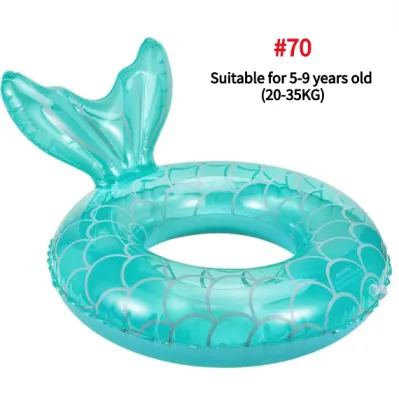
There is a strict boundary between recreational pool toys and instructional swimming accessories. Inflatable rings, animal-shaped loungers, and dive toys are excellent for backyard playtime, but they have no place in a structured swimming lesson. These items distract children from instructions, block the coach’s line of sight, and can create safety hazards if they drift into other lanes. Leave the toys at home to help your child focus entirely on the lesson plan.
Heavy-Duty Life Jackets
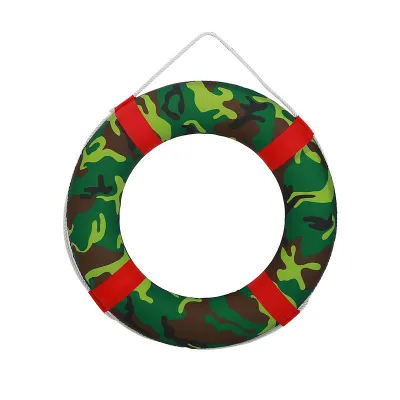
While life jackets are essential safety equipment for boating, kayaking, or open-water activities, they are not suitable for swimming lessons. Standard personal flotation devices are designed to keep a wearer’s head upright and out of the water, which directly conflicts with the horizontal body alignment required for learning swim strokes. Wearing a bulky life jacket during a lesson restricts arm and shoulder movement, making it nearly impossible for a child to practice proper arm recovery and breathing techniques.
How to Verify Fit, Comfort, and Safety Before the Lesson
To prevent tears, distractions, and adjustments during class time, perform these simple, at-home checks with your child’s new gear before heading to the pool.
Goggle Seal Test
To check if a pair of goggles fits your child’s face, perform a simple suction test. Gently press the goggle cups against your child’s eye sockets without putting the strap over their head. If the goggles suction to the face and stay in place for a second or two before falling off, they provide a proper, watertight seal. If they fall off instantly, water will likely leak in during the lesson. When adjusting the strap for actual use, ensure it is snug enough to hold the goggles in place but loose enough that it does not leave deep red marks or cause a headache.
Swimsuit and Cap Sizing
Have your child try on their swimsuit and move around the living room. Ask them to squat, jump, and swing their arms. Look for any signs of restrictive tightness, such as straps digging into the shoulders or fabric chafing the inner thighs. For swim caps, ensure the cap covers the hairline and ears comfortably. If the cap constantly slides upward or leaves a deep, painful red line across your child’s forehead, it is too small and will cause a major distraction during their lesson.
Material Checks
Children’s skin is highly sensitive, especially when exposed to chlorinated water. Inspect the labels of all swim accessories to ensure they are made from hypoallergenic materials. Opt for high-quality silicone straps and gaskets rather than latex, which is a common allergen and tends to degrade quickly in chlorine. Check the inside seams of swimsuits to ensure they use flat-locked stitching, which lies flat against the skin and minimizes the risk of painful chafing during active movement.
Frequently Asked Questions (FAQ)
Can my child share goggles or swim caps with a sibling?
Sharing swim gear between siblings is highly discouraged due to hygiene and performance reasons. Sharing eye and head gear in a damp pool environment can easily spread common infections like conjunctivitis or head lice. Furthermore, silicone straps and gaskets stretch over time to conform to the specific head shape and size of the primary user. If a younger child wears a cap or goggles stretched out by an older sibling, the gear will likely slip, leak, and cause frustration during their lesson.
Do I need to buy a special swim diaper for toddlers?
Yes, if your child is not yet fully toilet-trained, swim schools and public pools strictly require the use of a specialized swim diaper. Standard disposable diapers are designed to absorb liquid, meaning they will instantly fill with pool water, swell into a heavy, waterlogged anchor, and pull your child down. Swim diapers, whether disposable or reusable, do not absorb water; instead, they are designed solely to contain solid waste, preventing dangerous pool contamination while allowing your child to move freely and safely.
How do I prevent new goggles from fogging up during the lesson?
To prevent new goggles from fogging up, you must protect the delicate anti-fog coating applied by the manufacturer. Before the first use, rinse the goggles gently in clean, cool water. If fogging occurs during a lesson, you can apply a tiny drop of highly diluted baby shampoo to the inside of the lenses, rinse them quickly in the pool, and put them on. Strictly avoid wiping the inside of the lenses with your fingers, towels, or harsh chemicals, as this will permanently scratch and rub off the protective anti-fog layer.
Community discussion
Share your experience or ask a question. Comments are reviewed before publication.