
Starting your taekwondo journey is an exciting step toward building physical fitness, mental discipline, and self-defense skills. However, stepping onto the mats for your first sparring session requires more than just enthusiasm and a white belt. To train safely and confidently, you need a complete protective gear set designed specifically for the unique physical demands of this martial art.
A standard beginner’s protective package comprises a head protector, a mouthguard, a chest protector (hogu), a groin guard, shin guards, forearm guards, and specialized sparring gloves. Together, these pieces shield your vital areas from high-velocity kicks and blocks while allowing the dynamic mobility taekwondo is known for. Understanding how to select, fit, and care for each piece ensures you stay protected on the mats, especially in warm, humid training environments.
The Complete Taekwondo Sparring Gear Checklist
When you first join a dojang (taekwondo school), your initial purchases are typically the dobok (the traditional lightweight uniform) and your starter belt. While the dobok is perfect for learning basic stances, forms (poomsae), and targeted pad work, it offers zero impact protection. As soon as your instructor clears you to participate in light contact drills or sparring (gyeorugi), transitioning to specialized protective gear becomes mandatory.
Products mentioned in this guide
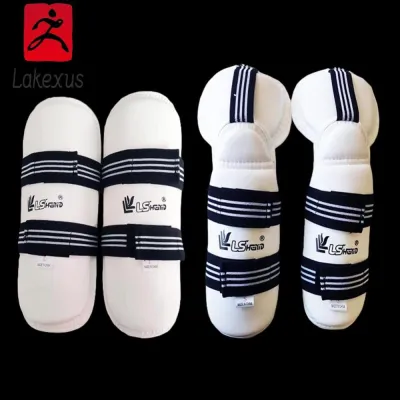
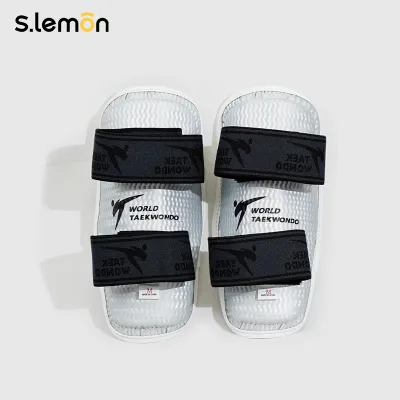
Prices are valid at publication and may change. Please refer to the product page for the latest price.
To help you organize your gear bag, the following matrix outlines the essential components of a beginner’s protective set, their primary safety roles, and how to measure for them:
| Gear Piece | Primary Function | Key Fitting Metric |
|---|---|---|
| Headgear | Absorbs temple and cranial impacts; protects ears | Head circumference (measured just above the eyebrows) |
| Mouthguard | Cushions teeth, prevents lip lacerations, stabilizes jaw | Custom mold via warm-water softening |
| Hogu (Chest Protector) | Shields torso, ribs, collarbones, and abdomen | Torso length and chest circumference |
| Groin Guard | Protects the pelvic and groin area from stray kicks | Waist size and anatomical design (male/female specific) |
| Forearm Guards | Shields the radius and ulna during defensive blocks | Forearm length (measured from elbow crease to wrist joint) |
| Shin Guards | Absorbs impact on the tibia during kicks and blocks | Shin length (measured from just below the knee to the ankle) |
| Sparring Gloves | Cushions hand strikes and protects knuckles | Hand circumference (measured across the knuckles) |
It is highly recommended to consult your head instructor before purchasing any gear. Specific requirements often vary depending on your school’s affiliation, such as local dojang rules or the guidelines set by national bodies like the Philippine Taekwondo Association (PTA). Some schools bundle gear packages with tuition, while others require specific colors or brands for safety and uniformity during inter-school meets.
While high-quality gear is critical for minimizing training injuries, it is important to remember that protective equipment is a safety supplement rather than a shield against poor habits. No amount of padding can replace the safety offered by controlled sparring techniques, proper defensive blocking, and mutual respect between training partners.
Head and Face Protection: Headgear and Mouthguards
Protecting your head and face is the highest priority in any contact sport. In taekwondo, where high kicks to the head are legal and highly scored in sparring, choosing the right headgear and mouthguard is a critical safety decision.

Standard taekwondo headgear features an open-face design made from high-density, shock-absorbing EVA foam coated in a vinyl skin. This design is preferred because it maximizes peripheral vision, allowing you to spot incoming kicks from the side. Some youth or high-contact classes may utilize headgear with a clear plastic face shield or cage, but you should verify if this is allowed or required by your instructor. While headgear is excellent for absorbing superficial impacts, preventing cuts, and shielding the ears from cauliflower ear, you must remember that no headgear can eliminate the risk of concussions. Preventing brain injury relies heavily on practicing proper defensive movement, keeping your guard up, and sparring with partners who control their power.
For dental and jaw protection, a mouthguard is indispensable. Beginners typically start with a standard “boil-and-bite” mouthguard, which is softened in hot water and then molded directly to the shape of your teeth. For those seeking maximum protection and comfort, custom-fit mouthguards crafted by a dental professional offer a superior fit that does not shift. A properly fitting mouthguard should allow you to breathe easily through your mouth and communicate basic commands to your sparring partner without falling out of place.
To verify the fit of your head and face protection, perform a simple movement check. Put on your headgear and secure the chin strap; it should feel snug but comfortable. Shake your head vigorously from side to side and nod up and down—the headgear should not shift or block your eyes. For your mouthguard, insert it and open your mouth slightly; it should suction securely to your upper teeth without requiring you to bite down constantly to keep it in place.
Core Body Protection: Hogu and Groin Guards
Your torso and pelvic regions house vital organs that require robust shielding during sparring. The hogu (chest protector) and groin guard form your core defense system, absorbing the brunt of powerful trunk kicks.
Traditional foam hogus are double-sided (usually red on one side and blue on the other) and feature thick, layered foam padding wrapped in durable synthetic leather. While advanced Olympic-level sparring utilizes electronic Protector and Scoring Systems (PSS) that register points via built-in sensors, traditional foam hogus are highly recommended for beginners due to their affordability, durability, and excellent impact dispersion. Your hogu should fit snugly over your chest and abdomen, covering your collarbones down to just above your hip bones. It must shield your ribs and upper back without pinching your neck or restricting your ability to rotate your torso and take deep breaths.
Groin guards are mandatory for both male and female practitioners during sparring. Designed specifically for anatomical differences, male guards feature a rigid plastic cup encased in foam and vinyl, while female guards utilize a flatter, padded design to protect the pelvic bone. These guards are typically worn under your dobok pants, secured by an elastic waistband and straps. A secure fit is crucial; the guard must stay centered and flat against your body during high kicks, jumps, and rapid footwork to prevent painful pinching or shifting.
Properly adjusting your hogu is essential to prevent it from riding up during active movement. When putting on the chest protector, pull the shoulder straps firmly so the top edge rests just below your collarbone. Cross the back straps securely and tie them tightly at the sides or back, depending on the model’s design. If the hogu moves upward and presses against your throat when you raise your knees or bend forward, the shoulder straps are too loose or the overall size is too large.
Limb Protection: Shin, Forearm, and Hand Guards
Because taekwondo heavily emphasizes kicking and blocking, your limbs bear a significant amount of impact. High-density foam limb guards prevent painful bone-on-bone contact, deep bruising, and stress fractures.
Shin guards should cover the front of your leg from just below the kneecap down to the top of your ankle joint. They are typically secured with two or three elastic velcro straps. Look for guards with contoured padding that wraps slightly around the sides of the tibia. Proper strap tension is key: if they are too loose, the guards will spin around your leg when you deliver a kick; if they are too tight, they can restrict blood flow and cause muscle cramping during long training sessions.
Forearm guards serve a similar protective function for your upper body, shielding the radius and ulna bones when you execute forearm blocks against incoming kicks. To find the correct length, measure the distance from your inner elbow crease to about two centimeters above your wrist joint. The guard must protect the meat of your forearm without pushing down on your wrist joint or digging into your elbow crease when you bend your arm.
Taekwondo sparring gloves are vastly different from boxing or mixed martial arts (MMA) gloves. They are lightweight, feature minimal padding concentrated on the knuckles and back of the hand, and leave the palm and fingers largely open. This design provides essential knuckle protection while maintaining maximum finger mobility, allowing you to quickly close your fist to punch or maintain light contact during clinches. They also feature supportive wrist wraps that help stabilize the joint during high-impact strikes.
Sizing, Certifications, and Maintenance Guidelines
Investing in protective gear requires attention to safety standards, accurate sizing, and consistent hygiene to ensure your equipment remains protective and usable over time.
If you plan to participate in local tournaments, inter-school competitions, or official PTA events, look for gear that carries the “World Taekwondo” (WT) approved mark. Manufacturers print this logo directly on the gear to certify that the equipment meets strict international safety, thickness, and material standards. Even if you only intend to train recreationally at your local dojang, buying WT-approved gear guarantees a baseline of quality and impact absorption that uncertified, generic brands cannot promise.
Never rely solely on generic small, medium, or large labels when purchasing gear, as sizing standards vary wildly between brands. Instead, use a soft fabric measuring tape to take exact measurements of your head circumference, chest width, forearm length, and shin length. Cross-reference these physical measurements with the specific manufacturer’s size chart. If your measurements fall between two sizes, it is generally safer to size up for chest protectors (to ensure adequate rib coverage) and size down for limb guards (to prevent them from slipping during dynamic movements).
In the tropical, high-humidity climate of the Philippines, proper gear hygiene is essential. Leaving sweaty gear trapped inside a closed gym bag creates a perfect breeding ground for bacteria, mold, and foul odors. After every training session, wipe down the vinyl surfaces of your headgear, hogu, and limb guards with a soft cloth dampened with mild, soapy water or a specialized sports gear disinfectant spray. Never submerge foam gear in water, and avoid using harsh chemical bleach. Always air dry your equipment in a well-ventilated, shaded indoor area; never expose foam gear to direct, intense sunlight or high-heat dryers, as extreme heat degrades the shock-absorbing foam and cracks the outer vinyl shell.
Regularly inspect your gear for signs of wear and tear that compromise safety. Over months of intense training, the internal foam of your hogu and headgear will naturally compress and lose its ability to absorb impact. Check for visible cracks in the outer vinyl, exposed inner foam, frayed straps, or velcro that no longer holds securely. If you notice any of these issues, or if you experience pain from impacts that your gear used to easily cushion, it is time to replace those specific pieces.
Frequently Asked Questions (FAQ)
Do I need to buy all the sparring gear on the first day of class?
No, you do not need to purchase a complete sparring gear set on your very first day of taekwondo class. Initial training sessions focus almost entirely on learning basic stances, stretching, executing proper kicking forms (poomsae), and performing air-kicking drills. Your instructor will advise you when you are ready to transition to contact drills and sparring, which is typically when you will need to have your protective gear ready.
Can I use MMA or boxing gloves for taekwondo sparring?
No, boxing and MMA gloves are not suitable for taekwondo sparring and are generally prohibited in dojangs. Boxing gloves are far too bulky, making it difficult to execute traditional blocks, and they lack the open-palm design needed for quick hand movements. MMA gloves, while open-fingered, do not have the specific padding distribution required to protect your knuckles from high-velocity kicks or to protect your partner during close-range body punches.
How do I know if my hogu is too tight or too loose?
Your hogu is correctly fitted when you can take a deep, unrestricted breath, and the protector remains firmly in place without shifting. If you feel the chest protector pinching your ribs, restricting your lung expansion, or digging into your neck, it is too tight or too large. Conversely, if the hogu slides around your torso, twists when you kick, or rides up toward your chin during jumping drills, it is too loose and requires tighter strap adjustment or a smaller size.
Community discussion
Share your experience or ask a question. Comments are reviewed before publication.