
Hauling a kayak, stand-up paddle board (SUP), or inflatable boat to your favorite launch point should be the easiest part of your excursion. However, navigating rough provincial roads, sudden afternoon downpours, and intense tropical heat requires a setup that keeps your gear secure and undamaged. Choosing the right boat trailer accessories is essential for protecting your investment, but it is easy to overspend on specialized gear you do not actually need.
To haul your watercraft safely, you do not need to purchase every add-on available on the market. The absolute essentials are high-quality tie-down straps, bow and stern safety lines, and a hull support system compatible with your trailer’s frame. Everything else—such as loading rollers, UV-resistant covers, and locking hitch pins—serves as a convenience upgrade or a situational add-on designed to make loading easier or protect your gear during long-distance travel.
By distinguishing between legal safety requirements, protective upgrades, and optional travel gear, you can build a highly functional trailer setup. This guide details how to evaluate your current equipment and select only the accessories that match your specific watercraft, budget, and travel habits.
Products mentioned in this guide
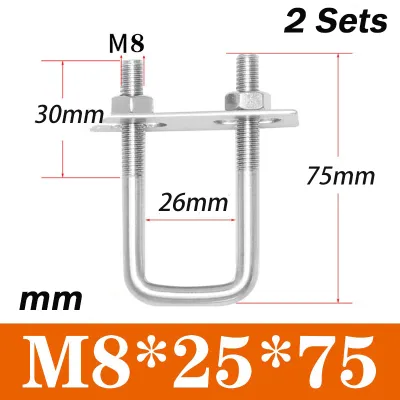
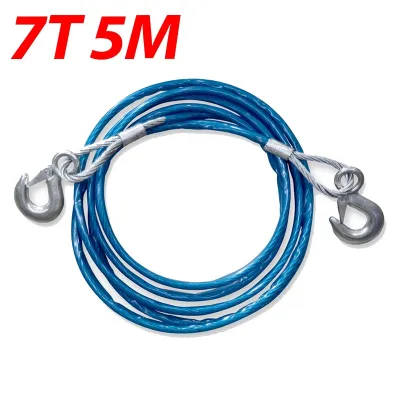
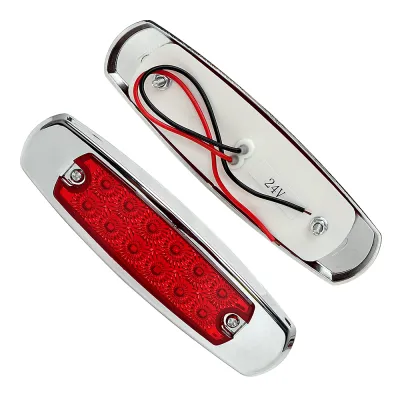
Prices are valid at publication and may change. Please refer to the product page for the latest price.
Evaluate Your Trailer and Watercraft Before Buying
Before purchasing any trailer accessories, you must assess the specific design of your watercraft and the existing framework of your trailer. A hard-shell fishing kayak, a lightweight composite paddle board, and a soft-bottomed inflatable boat all have vastly different structural support needs. Placing a heavy plastic kayak on a support system designed for a flat paddle board can deform the hull, while using improper tie-down points on an inflatable can tear the fabric.
Begin by inspecting your trailer’s current configuration, paying close attention to the crossbars, bunks, and rollers. Measure the distance between the crossbars to ensure any aftermarket cradles or rollers you buy will fit the frame securely. You must also verify the trailer’s total weight capacity and ensure that any added accessories, combined with your watercraft, do not exceed this limit.
Always consult your watercraft manufacturer’s manual before choosing transport accessories. The manual will outline specific recommendations for hull support, approved tie-down points, and transport warnings. For example, some manufacturers warn against transporting rotomolded plastic kayaks upside down, while others require specific cradle shapes to maintain warranty coverage.
Establishing a clear decision framework prevents unnecessary spending. Categorize potential purchases into legal or safety necessities, convenience upgrades for easier handling, and situational add-ons for long-distance travel. This structured approach ensures you prioritize safety and hull integrity first, leaving comfort upgrades for later.
Must-Have Boat Trailer Accessories for Secure and Legal Transport
When transporting watercraft on public roads, safety and legal compliance are your primary responsibilities. The accessories in this section are non-negotiable items required to secure your load, prevent accidents, and ensure your trailer meets basic road safety standards. Without these tools, you risk damaging your watercraft, harming other motorists, or facing traffic violations.

Heavy-Duty Tie-Down Straps and Cam Buckles
Securing your watercraft to the trailer frame requires dedicated tie-down straps designed specifically for marine transport. Cam buckle straps are highly recommended for kayaks and paddle boards because they allow you to tighten the strap manually without applying excessive crushing force. In contrast, ratchet straps can easily generate thousands of pounds of tension, which can easily crack fiberglass, deform plastic hulls, or pop inflatable chambers.
When shopping for straps, always verify the Working Load Limit (WLL) rather than just the maximum breaking strength. The WLL represents the safe maximum weight the strap can handle under normal operating conditions, and the combined WLL of your straps should comfortably exceed the total weight of your watercraft. For a standard 30-kilogram kayak, look for straps with a WLL of at least 150 kilograms to account for wind resistance and road vibrations.
Given the humid, salty coastal environments common in tropical regions, material selection is critical for longevity. Choose straps made from heavy-duty, UV-resistant polyester webbing, which resists stretching when wet and does not degrade quickly under intense sunlight. Additionally, look for buckles made from marine-grade stainless steel or die-cast zinc with protective rubber pads to prevent the metal from scratching your watercraft’s finish.
Perform a quick safety inspection of your straps before every single trip. Look for signs of fraying along the edges, severe color fading from UV exposure, or corrosion in the buckle spring mechanism. If you notice any structural wear, retire the strap immediately; a failing strap on the highway can lead to a catastrophic loss of your gear.
Bow and Stern Safety Lines
Bow and stern safety lines serve as your secondary defense system during transit. While the primary tie-down straps hold the watercraft down against the trailer frame, the bow and stern lines prevent the craft from sliding forward during sudden braking or shifting backward during rapid acceleration. These lines connect the front and rear grab handles of your watercraft directly to the trailer’s tongue and rear frame.
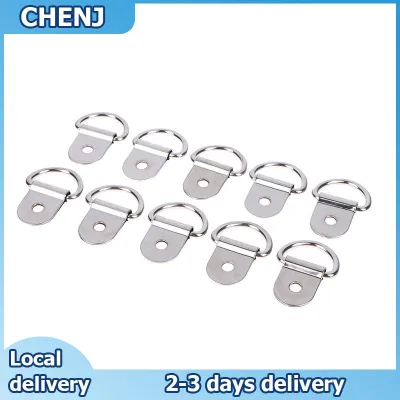
Select safety lines equipped with high-quality hardware, such as stainless steel carabiners or S-hooks featuring spring-loaded safety latches. These latches prevent the hooks from bouncing loose when driving over potholes or uneven gravel roads. Ensure the rope material is static, low-stretch nylon or polyester, with a thickness of at least 6 millimeters to handle sudden tension spikes.
When securing these safety lines, they should be adjusted so they are snug but slightly looser than your main middle tie-down straps. They are designed to act as a backup safety catch rather than bearing the primary load of the watercraft. If the bow and stern lines are pulled too tight, they can bend the bow or stern of a plastic kayak downward, leading to permanent hull warping over time.
Hull Support Systems (Cradles, Bunks, and Foam Blocks)
An improper support system can ruin a premium watercraft long before you reach the water. Hard-shell kayaks require contoured cradles or V-shaped hull blocks that match the specific curvature of the hull, distributing the weight evenly and preventing side-to-side rolling. For inflatable boats and flat stand-up paddle boards, wide, flat, carpeted bunks are ideal because they provide a broad surface area that minimizes localized pressure points.
Before purchasing a support system, measure the spacing and profile of your trailer’s crossbars. Many aftermarket cradles are designed for specific crossbar shapes, such as round, square, or aerodynamic wing shapes. Ensure the mounting hardware included with the cradles is compatible with your trailer frame, or purchase the appropriate adapter kits to guarantee a rock-solid connection.
Leaving a plastic watercraft tightly strapped down on narrow, unpadded metal bars in hot weather will cause the material to soften and deform, a common issue known as “oil-canning.” Ensure that all contact surfaces on your cradles or bunks are covered with non-abrasive, high-density foam or marine-grade carpet. This padding cushions the ride, absorbs road vibrations, and protects your hull from scratches and structural deformation.
Recommended Upgrades for Easier Loading and Hull Protection
Once you have secured the basic safety necessities, you can consider upgrades that reduce physical strain and protect your gear from environmental wear. These accessories are highly recommended if you frequently paddle alone, haul heavy fishing kayaks, or transport your gear through areas with intense sun and rain.
Loading Ramps and Roller Systems
Loading a heavy, fully rigged fishing kayak or a large tandem kayak onto a trailer can be physically exhausting, especially at the end of a long day on the water. Loading ramps and roller systems solve this problem by extending the trailer’s loading plane closer to the ground. This setup allows you to lift only one end of the watercraft at a time, pivoting the craft upward and sliding it forward with minimal effort.
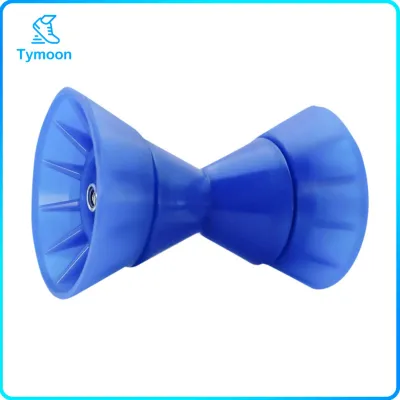
Integrating keel rollers or vertical post guides onto your trailer frame helps center the watercraft automatically as you push it forward. Keel rollers support the toughest, central spine of your kayak, allowing it to glide smoothly onto the trailer without scraping the frame. Post guides are particularly useful when loading in windy conditions or strong currents, as they keep the watercraft aligned with the trailer bed.
Always verify the weight rating of any ramp or roller system before installation, ensuring it can handle the fully loaded weight of your watercraft, including installed accessories like seats and fishfinders. The mounting brackets must attach securely to your trailer frame using galvanized or stainless steel hardware. Loose rollers can shift during loading, potentially dropping your watercraft onto the metal trailer frame.
UV-Resistant Weather Covers and Padding
Tropical climates present unique challenges for outdoor gear, as intense UV rays can degrade plastics, fade gel coats, and weaken PVC seams over time. A high-quality, breathable, UV-blocking cover is an excellent investment for protecting your watercraft during transit and outdoor storage. Avoid cheap, non-breathable plastic tarps, which trap moisture underneath and promote the growth of mold and mildew in humid conditions.
To prevent damage from vibrations during transit, install specialized foam sleeves, pool noodles, or anti-rattle padding over any exposed metal parts of your trailer. When driving on rough roads, your watercraft will naturally bounce and shift slightly. Soft padding ensures that these minor movements do not result in deep scratches, gouges, or structural wear on your hull.
When fitting a weather cover for highway travel, select a model with adjustable straps or a drawstring hem to ensure a tight, custom fit. A loose cover will flap violently at high speeds, which can scratch your watercraft’s finish, tear the cover fabric, and create significant aerodynamic drag. If the cover cannot be secured tightly, it is best to remove it during high-speed highway transit.
Anti-Rattle Hardware and Locking Mechanisms
Driving with a noisy, rattling trailer can be incredibly distracting and indicates unnecessary wear on your towing components. Anti-rattle hitch pins and tighteners work by clamping the trailer tongue tightly inside the vehicle’s receiver hitch, eliminating the play that causes clanking noises. This simple upgrade reduces wear on your hitch assembly and provides a much smoother, quieter ride.
Security is another major concern when leaving your vehicle and trailer unattended at remote launch ramps or roadside restaurants. Basic locking mechanisms, such as locking coupler pins and heavy-duty steel cable locks, provide essential theft deterrence. Threading a vinyl-coated steel cable lock through the scupper holes of your kayak or the leash plug of your SUP and securing it to the trailer frame makes quick opportunistic theft nearly impossible.
Keep in mind that locks are deterrents rather than absolute security guarantees. Choose locks made from hardened steel with weather-resistant keyhole covers to prevent rust and corrosion from salt air. Always match the lock size and pin diameter to your specific trailer hitch class and coupler dimensions to ensure a secure fit.
Optional Add-Ons for Long Trips and Rough Roads
If your paddling adventures involve traveling long distances, navigating unpaved mountain roads, or launching in remote coastal areas, standard trailer gear may not be sufficient. The following accessories are optional for short, local trips but become invaluable assets for demanding travel and emergency preparedness.
Spare Tire and Jack Kits
Nothing ruins a road trip faster than a flat trailer tire on a remote highway with no spare. Trailer tires operate under high pressure and carry heavy loads, making them more susceptible to blowouts than standard passenger vehicle tires. Carrying a dedicated spare tire that matches your trailer’s bolt pattern, wheel size, and load rating exactly is the only way to avoid being stranded.
Along with the spare tire, you must carry a compatible jack that can operate safely on uneven or soft terrain. A standard vehicle jack may not fit under a low trailer frame, or it may sink into soft sand or gravel. A marine-grade trailer jack or a heavy-duty scissor jack equipped with a wide, stable base plate is ideal for roadside tire changes on unpaved shoulders.
Make it a habit to check the air pressure in your trailer’s spare tire at least once a month, as tires naturally lose pressure over time. Inspect the sidewalls regularly for signs of dry rot, cracking, or bulging, especially if the trailer is stored outdoors in direct sunlight. A neglected, flat, or dry-rotted spare tire is useless in an emergency.
Winch and Strap Upgrades
While lightweight paddle boards and standard recreational kayaks can be loaded manually with ease, heavy fishing kayaks, double-hull setups, or small inflatable boats often require mechanical assistance. A manual hand winch mounted to the front of your trailer frame makes loading heavy watercraft up steep launch ramps effortless. It allows you to control the retrieval process precisely, preventing physical strain and accidental drops.
When selecting a winch, choose a model with a pulling capacity that exceeds the fully loaded weight of your watercraft by at least 50 percent to account for the resistance of pulling the craft out of the water. Opt for a high-strength polyester winch strap rather than a steel cable, as straps are easier to handle, do not rust, and are less likely to damage your watercraft’s hull.
Always use a dedicated winch strap equipped with a heavy-duty bow hook and a spring-loaded safety latch to prevent accidental detachment. Remember that a winch is designed solely for loading and unloading assistance; it should never be used as the primary tie-down method for highway transit. Once the watercraft is loaded, always secure it using your main cam buckle straps and safety lines.
Upgraded Lighting and Visibility Markers
Standard incandescent trailer lights are highly prone to water intrusion, bulb failure, and corrosion, especially when submerged at launch ramps. Upgrading to fully submersible LED trailer lights is a highly recommended safety improvement. LEDs are brighter, respond faster, consume less power, and are completely sealed against moisture, ensuring long-term reliability and better visibility during night drives.
If your kayak or paddle board extends significantly past the rear of your trailer frame, it can create a serious hazard for vehicles tailgating behind you. Installing reflective tape along the sides and rear of your trailer frame increases visibility in low-light conditions. For long watercraft, adding high-visibility guide poles or a red safety flag to the rear of the craft helps other drivers judge their distance safely.
Always check local traffic regulations regarding overhang limits and required lighting configurations for trailers. In many jurisdictions, any load that extends more than a meter beyond the rear of the trailer must be marked with a bright red or orange flag during the day and a red light at night. Staying compliant keeps you safe and helps you avoid costly fines.
Quick Decision Matrix: What to Buy First
To help you prioritize your purchases and avoid overbuying, use this decision matrix to plan your trailer setup. Focus on acquiring the Must-Have items first to ensure safe, legal transport, then gradually add Recommended and Optional upgrades as your budget and travel needs evolve.
| Accessory Category | Primary Benefit | Best For | Priority Level |
|---|---|---|---|
| Must-Have | Ensures road safety, legal compliance, and basic hull protection. | All watercraft users. | High (Buy immediately) |
| Recommended | Reduces physical strain during loading; protects gear from sun/wear. | Solo paddlers and heavy watercraft. | Medium (Upgrade over time) |
| Optional | Provides emergency preparedness and safety on long, rough trips. | Long-distance and remote travelers. | Low (Add as needed) |
By focusing on high-quality, durable materials that can withstand local weather conditions, you can build a reliable trailer setup. Prioritizing safety first ensures that every trip to the water is stress-free and that your gear remains in top condition for years to come.
Frequently Asked Questions (FAQ)
Can I use standard ratchet straps for my kayak?
While standard ratchet straps are incredibly strong and readily available, they are generally not recommended for securing kayaks or paddle boards. The mechanical advantage of a ratchet mechanism makes it very easy to over-tighten the strap without realizing it. This excessive pressure can easily crack fiberglass, deform rotomolded plastic hulls, or crush the delicate EPS foam cores of stand-up paddle boards. Instead, use high-quality cam buckle straps, which allow you to tension the strap manually using only your body weight, ensuring a secure hold without the risk of structural damage.
Do inflatable boats need different trailer supports than hard-shell kayaks?
Yes, inflatable boats require a completely different support system than hard-shell kayaks due to their flexible construction and vulnerability to localized pressure points. Hard-shell kayaks benefit from contoured cradles or V-blocks that match the rigid shape of the hull. In contrast, inflatable boats and SUPs require wide, flat, carpeted bunks or specialized wide foam pads. These flat surfaces distribute the watercraft’s weight over a much larger area, preventing localized stress on the seams, minimizing the risk of punctures from sharp edges, and keeping the soft hull stable during transport.
Community discussion
Share your experience or ask a question. Comments are reviewed before publication.