
Starting a home fitness journey does not require a room full of expensive, specialized gear to see real progress. The only truly essential accessories are those that protect your body from hard surfaces, keep you safe, and match the specific movements you are doing today. Many popular items are optional additions that you should only buy once your body adapts and requires more resistance or support. Starting with a minimalist setup prevents clutter, saves money, and allows you to focus on building a consistent habit before investing in advanced equipment.
Assessing Your Home Workout Needs Before Buying
Before browsing online marketplaces, take a realistic look at your daily routine, physical environment, and immediate fitness goals. Your primary workout type dictates your initial gear requirements. If your focus is on bodyweight strength training, your immediate needs will differ significantly from someone focusing on high-intensity interval training (HIIT) or restorative yoga. Starting with too much gear often leads to analysis paralysis, where the complexity of the equipment distracts from the simple habit of moving your body.
Your physical environment is another critical factor that is often overlooked. In many homes, especially in warm, humid climates, indoor space can be limited, and floors are often made of hard ceramic tile, polished concrete, or smooth wood. You must evaluate your available floor space to ensure you can lie down fully extended without hitting furniture. Check your ceiling height if you plan to incorporate jumping movements, and consider where you will store your gear when it is not in use. A jump rope is useless if your ceiling is low, while a heavy, non-folding mat can quickly become an eyesore in a shared living space.
Products mentioned in this guide
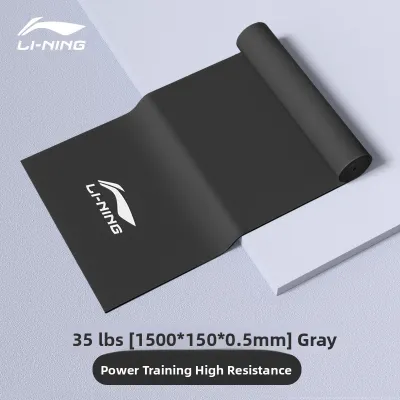
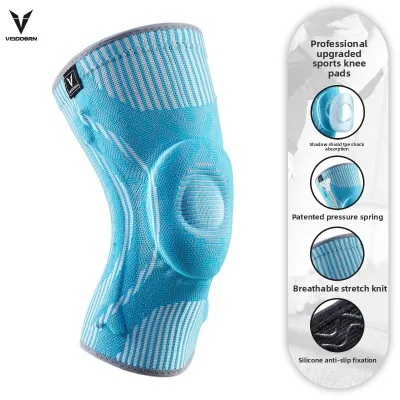
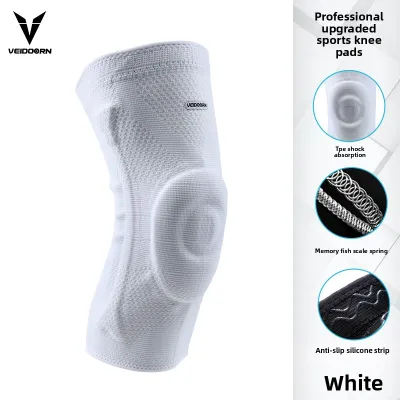
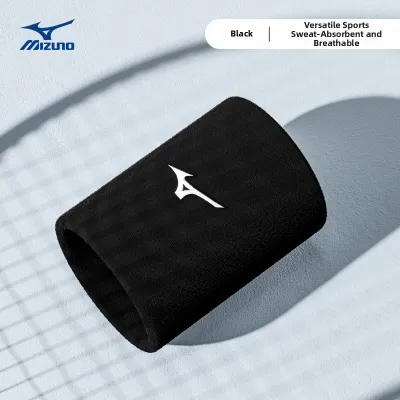
Prices are valid at publication and may change. Please refer to the product page for the latest price.
Finally, distinguish between your immediate beginner needs and your long-term progression goals. When you are in the first few weeks of a routine, your primary objective is to master basic movement patterns and establish consistency. Advanced accessories designed to add heavy resistance or support extreme joint loads are unnecessary at this stage. Buying progression gear too early not only wastes money but can also encourage poor form if you attempt to use added resistance before your joints and stabilizing muscles are ready.
Core Foundation Accessories: Evaluating the "Must-Haves"
When evaluating foundational accessories, the exercise mat is often considered the most basic requirement, but its necessity depends heavily on your flooring and exercise choices. If your home has hard tile or concrete floors, a high-quality exercise mat is essential for protecting your spine, knees, and elbows during floor exercises like planks, sit-ups, or yoga poses. However, if you are primarily performing standing bodyweight exercises or working out on a carpeted surface, you might not need a mat immediately. When choosing a mat, look for adequate thickness—typically around 6mm to 10mm for general fitness—to provide cushioning against hard floors, and ensure it has a non-slip texture to prevent sliding when you sweat.

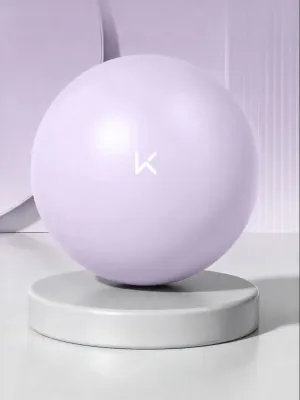
Stability and balance tools, such as stability balls or balance discs, are frequently marketed as beginner essentials, but natural floor contact is usually sufficient for those starting out. Performing exercises on a stable, flat floor allows you to develop proper alignment, core engagement, and joint stability without the added risk of falling. Unless a physical therapist has prescribed specific balance equipment for rehabilitation, you can safely bypass these tools in your first few weeks. Relying on your body’s natural contact with the ground helps you build a solid foundation of strength before you introduce unstable surfaces.
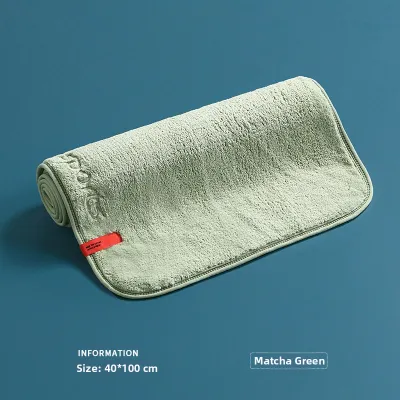
Hydration and sweat management accessories are non-negotiable for maintaining a safe and comfortable workout environment, especially in tropical climates. A dedicated, reusable water bottle is essential to keep you hydrated throughout your session, preventing muscle cramps and fatigue. Additionally, keeping a small, highly absorbent microfiber towel nearby is crucial for wiping sweat from your hands, face, and equipment. Excess sweat on your hands or the floor can quickly turn a safe workout into a slipping hazard, making basic sweat management a key safety practice rather than a luxury.
Progression and Support Accessories: When to Add Them
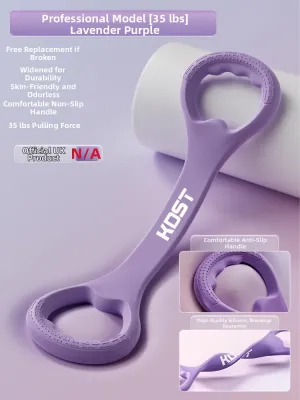
As your fitness level improves, you will eventually reach a point where bodyweight exercises no longer provide sufficient challenge, which is the ideal time to introduce resistance bands or tubes. You can identify this transition point when you can easily perform high repetitions of an exercise, such as squats or push-ups, with proper form and without feeling significant muscle fatigue. Resistance bands are an excellent, space-saving first upgrade because they allow you to gradually increase tension without the space requirements or high cost of traditional dumbbells. They are highly versatile, allowing you to target different muscle groups by simply adjusting your grip or choosing a band with a higher tension rating.
Cardio tools like jump ropes are highly effective for building cardiovascular endurance, but they require a baseline level of coordination and joint impact tolerance. Before incorporating a jump rope into your routine, ensure you can perform low-impact cardio movements, like jumping jacks or marching in place, for several minutes without joint pain. If you have a history of knee or ankle discomfort, high-impact jumping on hard tile floors can exacerbate these issues. When you are ready to transition, start with short sessions on a shock-absorbing surface, such as an outdoor asphalt path or a thick protective mat, rather than bare concrete.
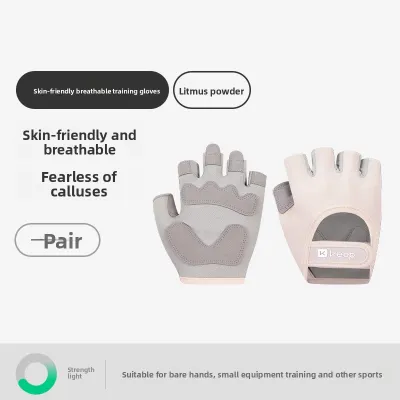
Workout gloves and hand grips are support accessories that you should only add when your body sends clear physical signals that they are needed. During pulling movements, such as using resistance bands or performing pull-ups, you may experience hand discomfort, slipping due to sweat, or the early stages of painful calluses. If grip fatigue or hand pain prevents you from completing your exercises even though your target muscles are not yet tired, workout gloves can provide the necessary protection and friction. However, avoid using them prematurely for light exercises, as allowing your hands to naturally adapt to basic friction helps build grip strength over time.
Building Your Phased Accessory Checklist
To avoid overspending and cluttering your living space, approach your fitness purchases in structured phases based on your actual progress and consistency.
Phase 1 (Day One) should focus strictly on safety, basic comfort, and habit formation. Your checklist for this initial phase should include only a supportive exercise mat if you have hard floors, a reliable water bottle, and a small sweat towel. This minimalist setup requires minimal financial investment—often well under ₱1,500—and ensures that your primary focus remains on showing up and completing your scheduled workouts. If you cannot maintain a consistent routine with these basic items, buying more complex gear will not solve the consistency problem.
Phase 2 (Weeks 4 to 8) is the appropriate time to introduce resistance or cardio variations, provided you have maintained a consistent routine and can perform your basic exercises with ease. At this stage, you can safely add a set of light-to-medium resistance bands or a simple jump rope to vary your workouts and introduce progressive overload. By waiting a month or two before making these purchases, you verify your commitment to the routine and gain a clearer understanding of which specific exercises you enjoy and want to progress in.
When expanding your setup, learn to recognize and avoid common marketing traps and overly specialized gear. Beginners are often targeted with advertisements for complex abdominal rollers, electronic sweat belts, or highly specific stretching machines that promise rapid results. These items are frequently expensive, take up valuable space, and limit your exercise variety because they can only be used for a single movement. Instead, prioritize versatile, multi-functional accessories that can adapt to a wide range of exercises as your strength and fitness levels continue to evolve.
Frequently Asked Questions (FAQ)
How do I properly clean and maintain basic fitness accessories?
To maintain the hygiene and longevity of your fitness accessories, establish a simple cleaning routine after every workout. Wipe down your exercise mat with a damp cloth and a mild, diluted soap solution, then allow it to air-dry completely in a shaded, well-ventilated area before rolling it up. Avoid leaving mats or elastic resistance bands in direct sunlight, as UV rays and high tropical heat can dry out the materials, causing them to crack, peel, or lose their elasticity. Before every workout, perform a quick visual and tactile inspection of your gear, checking your resistance bands for tiny tears or thinning areas, and inspecting your mat for deep cracks. Always refer to the manufacturer’s care label on your specific accessories for precise washing instructions, temperature limits, and chemical restrictions to avoid accidentally damaging the materials.
Are budget-friendly fitness accessories safe for beginners?
To evaluate the safety and durability of lower-cost gear, perform careful physical quality checks rather than relying solely on brand names. When your gear arrives, immediately inspect the structural integrity, looking for clean, double-stitched seams on fabric items, consistent material thickness on mats, and secure attachments on resistance band handles. Always locate, read, and strictly adhere to the weight limits, tension ratings, and safety guidelines printed on the product packaging or user manual. If you observe any signs of fraying on fabric straps, deep creases or tears in rubber bands, or cracking in plastic components, establish a strict stop-use condition immediately. Replacing a worn or compromised budget accessory is far safer and more cost-effective than risking an injury during a high-tension exercise.
Community discussion
Share your experience or ask a question. Comments are reviewed before publication.