
Quick Answer: What You Actually Need to Start
To begin training gymnastics at home, you do not need a room packed with commercial-grade apparatus. The only absolute requirement for most beginners is a high-quality folding gymnastics mat. This single piece of gymnastics equipment provides the necessary impact absorption to protect your joints during basic rolls, handstands, and conditioning exercises.
All other training gear is entirely optional. Your need for additional tools depends on your specific training goals, current skill level, and the physical space available in your home. Buying specialized gear prematurely is a common mistake that can lead to cluttered rooms and safety hazards. Foundational gymnastics skills rely heavily on bodyweight strength and flexibility, meaning you can make significant progress with minimal equipment before ever needing to upgrade.
Diagnose Your Needs: Space, Skills, and Training Goals
Before purchasing any home training gear, you must conduct a thorough self-diagnosis. This prevents financial waste and ensures your training space remains safe and functional.
Products mentioned in this guide

![[Fast Delivery] 4M Dance Ribbons Kids Dance Gymnastics Ribbon Wands](https://img.lazcdn.com/g/p/1656a2022cb52fa01ba0cddf92e4143a.jpg_400x400q80.jpg_.webp)
Prices are valid at publication and may change. Please refer to the product page for the latest price.

First, perform a honest skill level check. Are you a complete beginner learning basic body positions, a dancer cross-training to improve leap landing stability, or a former competitive gymnast returning to the sport? Beginners require simple, forgiving surfaces that prioritize basic safety. Returning athletes may require firmer surfaces to support high-velocity movements, though they must still respect the limits of a home environment.
Second, complete a dedicated space audit. Measure your clear floor space and verify your ceiling height. A room that seems spacious for stretching can quickly feel cramped when you attempt a handstand or a kick. Ensure you have a clear fall zone of at least 1.5 to 2 meters around your active training area, completely free of walls, furniture, and sharp corners.
Third, identify your primary training goals. If your focus is flexibility, you require minimal floor space and simple support tools. If you are focusing on strength and conditioning, compact bodyweight tools are ideal. By isolating your daily goals, you can filter out unnecessary, bulky gear that will only collect dust.
The Non-Negotiable Essentials for Safe Home Practice
If you decide to move forward with a home setup, your primary focus must be safety. Investing in high-quality foundational gear is non-negotiable for preventing acute injuries and chronic joint strain.
Gymnastics Mats (Folding/Panel Mats)
Your primary purchase should be a folding panel mat, typically constructed from high-density cross-linked polyethylene (EPE) foam encased in a durable vinyl cover. When evaluating mats, look for a thickness of at least 1.5 to 2 inches (approx. 3.8 to 5 cm) for general tumbling and conditioning. Thinner mats are acceptable for light stretching, but they do not provide adequate joint protection for active landings.
In the warm, humid climate of the Philippines, material selection is critical. Look for moisture-resistant, heavy-duty vinyl covers that can be easily wiped down. High humidity and sweat can quickly lead to mold, mildew, and foam degradation if the mat material absorbs moisture. High-quality folding mats in the local market generally range from ₱2,500 to ₱6,000 depending on size and thickness; prioritize reputable brands that specify their foam density.
Clear Floor Space and Non-Slip Base
A high-quality mat is only safe if it remains stationary. Many homes in the Philippines feature smooth ceramic tile, polished marble, or glossy hardwood floors. These surfaces offer very little natural traction, which can cause a gymnastics mat to slide during dynamic movements like cartwheels or jumps.
To prevent dangerous slips, ensure your mat has a built-in non-slip bottom surface, or place a dedicated non-slip rug pad underneath it. Always test the stability of the mat with light lateral pressure before performing any high-velocity movements.
Goal-Specific Gymnastics Equipment: What to Buy and What to Skip
Once you have established a safe, matted floor space, you can selectively add goal-specific tools. Use this breakdown to determine which items genuinely support your progress and which ones you can safely skip.
Flexibility and Stretching Tools
To improve your splits, bridges, and shoulder mobility, you may consider tools like yoga blocks, stretching straps, and foam rollers. Yoga blocks are excellent for raising the floor, allowing you to maintain proper spinal alignment during deep hamstring or hip flexor stretches. Stretching straps help you gently pull into positions without straining your grip.
What to skip: You do not need to purchase expensive, specialized over-split machines or mechanical leg stretchers. For most beginners, basic bodyweight stretching paired with household items is highly effective. A sturdy dining chair can support your hands during shoulder stretches, and a rolled-up bath towel can easily substitute for a stretching strap.
Strength and Conditioning Equipment
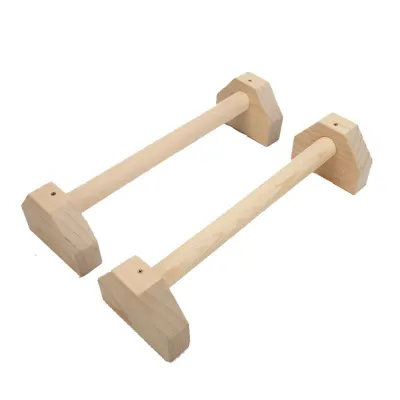
Gymnastics-specific strength requires a combination of core stability, pulling power, and pushing control. Useful additions include wooden or metal parallettes (low bars) for practicing handstands and L-sits, a doorway pull-up bar, and high-quality resistance bands.
Before using any overhead or hanging gear, you must verify its structural integrity. Check the manufacturer’s weight limits and installation instructions carefully. Doorway pull-up bars must be mounted to solid wooden door frames, never to thin drywall or decorative molding. Resistance bands must be inspected before every single use for tiny tears or discoloration, which can indicate material fatigue and lead to dangerous snapping during use.
Tumbling and Air Awareness
As you progress, you might feel tempted to purchase inflatable air tracks or thick crash mats to practice flips and advanced rolls at home.
What to skip: While inflatable tumble tracks offer excellent rebound, they can foster a false sense of security. Thicker foam and air-filled surfaces do not replace proper skill progression, spotting, and professional coaching. Attempting advanced aerial skills, such as back handsprings or flips, at home without a trained coach present carries a severe risk of neck and spinal injury. Keep your home tumbling limited to basic, low-risk skills like rolls, cartwheels, and handstands, and save advanced air awareness training for a supervised gym facility.
Balance and Beam Work
For those training artistic gymnastics, balance beam work is a core discipline. However, a standard elevated competition beam has no place in a home training environment due to the high risk of falling from height onto hard floors.
Instead, use a low-profile floor beam made of firm foam or wood wrapped in suede. These floor beams sit directly on your mat, elevated by only a few centimeters, allowing you to practice foot placement and turns with virtually zero fall risk. For absolute beginners, you can skip the physical beam entirely and simply place a straight line of colorful athletic tape directly across your folding mat to practice your alignment and balance.
Advanced Equipment: When to Upgrade and When to Stop
There is a strict limit to what can be safely practiced within a residential home. As your skills progress, the temptation to buy advanced apparatus increases, but safety must always dictate your boundaries.
Kipping Bars or High Bars
Home kipping bars and horizontal bars require significant floor space, high ceilings, and structural stability. Before considering a home bar, verify that your ceiling is high enough to allow for full extension at the top of your swing without your feet or hands making contact. The base of the bar must be weighted or bolted down according to the manufacturer’s precise guidelines to prevent tipping during dynamic swings. If your space cannot accommodate these strict safety margins, do not install one.
Vaulting Boards or Trampolines
Vaulting boards, mini-trampolines, and springboards require high-velocity runs and explosive takeoffs. The risks associated with these training tools are incredibly high in a home setting. Unsupervised use of springboard equipment can easily launch a user into a ceiling, wall, or furniture. These items should be avoided entirely for home use.
The "Stop and Consult" Rule
Every home gymnast must establish a clear boundary for when to stop buying home gear and transition to a professional gymnastics facility. When you outgrow basic floor work, low-profile beams, and simple conditioning, you must seek a proper gym. Professional facilities feature spring floors, deep foam pits, overhead spotting rigs, and certified coaches who can safely guide you through advanced skill progressions. Equipment can never replace professional judgment and spotting.
Home Environment Safety and Equipment Maintenance
Creating a safe training space requires ongoing vigilance. Regular environmental checks and equipment maintenance will protect both your physical safety and your financial investment.
Before every training session, perform a quick environmental check:
- Clear all sharp or hard furniture, such as coffee tables and chairs, out of the training zone.
- Secure any loose rugs or mats to prevent slipping hazards.
- Check overhead for hazards, ensuring ceiling fans are turned off and low-hanging light fixtures are well out of reach of your hands and feet.
- Keep pets and young children out of the training area to avoid accidental collisions.
To maintain your equipment, establish a simple cleaning routine. Wipe down your vinyl mat covers after every use with a mild, non-abrasive soap and warm water to remove sweat and oils. Avoid harsh chemical bleach, which can dry out and crack the vinyl over time. Allow the mats to dry completely in a shaded, well-ventilated area before folding and storing them. Regularly inspect your gear for split seams, broken zippers, or softening foam. If the inner foam of your mat has degraded or bottomed out, it is time to replace it.
Always remember to know your limits. Never attempt unlearned, high-risk skills without professional supervision, regardless of how much safety gear you have set up in your home.
Frequently Asked Questions (FAQ)
Can I practice gymnastics on a regular yoga mat?
No, you should strictly avoid using a standard yoga mat for gymnastics training. Yoga mats are designed for static grip and minimal cushioning, typically measuring only 3 to 6 millimeters in thickness. They do not provide the necessary shock absorption or impact protection required for gymnastics landings, rolls, or handstands. Practicing gymnastics on a thin yoga mat over hard tile or wood floors places extreme stress on your joints and increases the risk of wrist, ankle, and spinal injuries.
How thick should a home gymnastics mat be?
For safe home gymnastics practice, a folding panel mat should be at least 1.5 to 2 inches (approx. 3.8 to 5 cm) thick, filled with high-density EPE foam. This thickness provides a supportive, firm surface that cushions your joints without letting your wrists or ankles sink too deeply. Thicker crash mats (4 to 8 inches) are designed specifically for absorbing falls, but they are too soft for stable standing work. Always check the manufacturer’s specifications and intended use labels before buying.
Is it safe to practice handstands at home without a spotter?
Yes, but only if you use safe progression strategies and have a clear space. Beginners should start with wall-assisted handstands, facing either toward or away from a sturdy, clear wall to build shoulder strength and alignment. You can also use low parallettes to reduce wrist strain. Before attempting freestanding handstands in the center of the room, you must master proper bail-out and falling techniques, such as the cartwheel-out, to ensure you can exit the inversion safely without falling flat on your back.
Community discussion
Share your experience or ask a question. Comments are reviewed before publication.