
When commuting to the court during the Philippine rainy season, protecting your gear requires more than just a standard sports carrier. Sudden tropical downpours and high humidity can quickly penetrate basic fabrics, ruining expensive rackets and delicate shuttlecocks. To keep your equipment safe, investing in a high-quality waterproof badminton bag is essential. This specialized gear acts as a microclimate shield, keeping external water out while managing internal humidity. By understanding the specific design features, material coatings, and structural reinforcements needed to combat severe weather, you can ensure your gear remains dry, playable, and protected throughout the monsoon months.
How Monsoon Commutes Threaten Rackets and Shuttlecocks
Commuting during the Philippine rainy season presents unique challenges for badminton players. Whether you are navigating sudden afternoon downpours on foot, waiting at an exposed jeepney stop, or riding in an open-air tricycle, your sports gear is constantly exposed to the elements. Standard athletic bags are typically constructed from simple woven fabrics that easily absorb water, offering little to no protection during sustained rainfall or when traversing flooded streets.
Excessive moisture and humidity are highly destructive to badminton rackets. High-tension strings, particularly those made of multifilament nylon or natural gut, absorb airborne moisture rapidly. When strings become damp, they lose their tension and elasticity, which severely degrades your control and power on the court. Furthermore, water can seep under the grip tape and saturate the wooden handle underneath. Over time, this trapped moisture causes the wood to rot, loosens the adhesive holding the grip, and creates a breeding ground for unpleasant odors, mold, and mildew.
Products mentioned in this guide
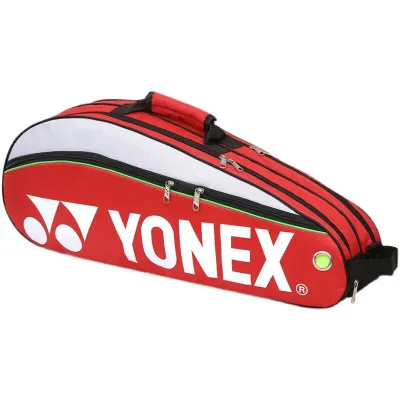
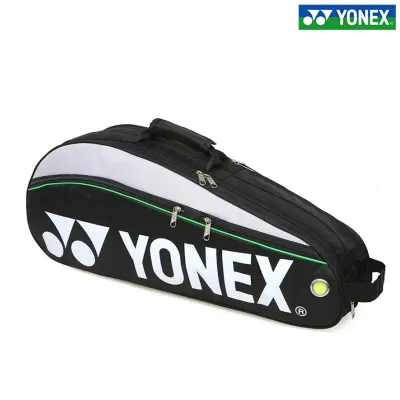
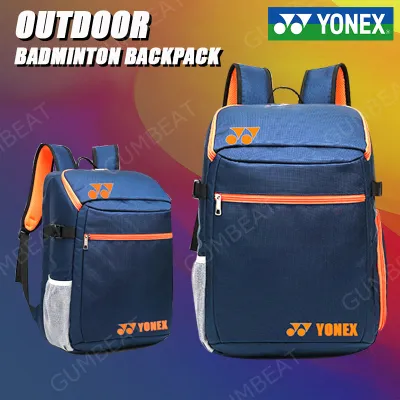
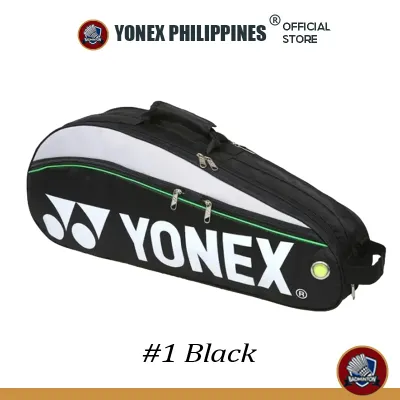
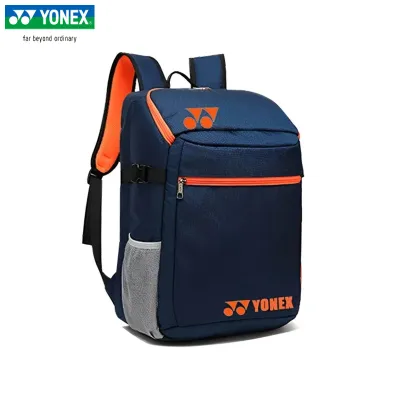
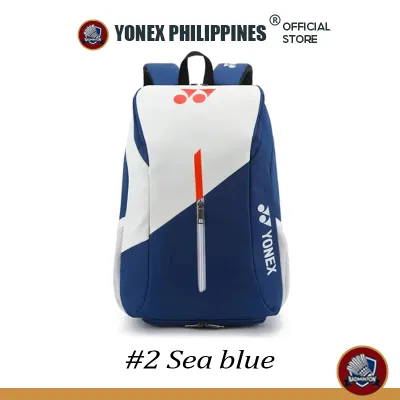
Prices are valid at publication and may change. Please refer to the product page for the latest price.
Shuttlecocks are even more sensitive to environmental changes. Natural feather shuttlecocks, which are crafted from delicate goose or duck feathers, rely on a precise balance of natural oils and moisture content to maintain their structural integrity and flight stability. When exposed to high humidity or direct water contact, the feathers absorb moisture, making them heavy, brittle, and prone to warping. A damp shuttlecock will wobble in the air, fly inconsistently, and break after only a few hits, leading to frequent and costly replacements.
Rather than viewing a sports bag as a simple carrying case, you should treat it as a dedicated protective barrier. A bag with proper weatherproofing preserves the dry microclimate your gear needs to perform optimally, saving you from the frustration of ruined strings, warped frames, and unusable shuttlecocks.
Verifying Materials and Coatings on a Waterproof Badminton Bag
To find a bag that can withstand the intense rainy season, you must look beyond generic marketing terms like “water-resistant” and learn to verify the actual materials and coatings listed on product labels. Many manufacturers use these terms interchangeably, but there is a significant technical difference between a bag that repels a light drizzle and one that blocks heavy monsoon rain.

Start by checking the density and type of the base fabric, which is typically measured in denier (D). High-denier polyester or nylon fabrics, such as 600D, 900D, or 1680D, are exceptionally durable and resistant to tears and abrasions. However, a high denier rating only indicates the thickness of the thread, not its ability to block water. Without a specialized backing or coating, water will eventually seep through the weave of even the thickest fabric.
To ensure true waterproof performance, verify the type of coating applied to the fabric:
- Polyurethane (PU) Coatings: This is a widely used, budget-friendly coating applied to the inner side of polyester or nylon fabrics. It provides flexible water resistance that easily handles light to moderate rain. However, under prolonged exposure to heavy downpours, PU-coated fabrics can eventually saturate if they are not paired with an exterior durable water repellent (DWR) treatment.
- Polyvinyl Chloride (PVC) Coatings: PVC coatings create a heavy, rubberized, and completely waterproof barrier. While highly effective at blocking water, PVC can make the bag stiff, heavy, and less flexible, especially in cooler air-conditioned environments.
- Thermoplastic Polyurethane (TPU) Coatings: TPU is the premium standard for high-performance outdoor gear. It offers outstanding waterproof integrity, remains highly flexible across various temperatures, and is exceptionally resistant to cracking, peeling, and environmental degradation under humid tropical conditions.
When reviewing product specifications, look for a hydrostatic head rating, which measures waterproofness in millimeters (e.g., 5,000mm or 10,000mm). A higher rating indicates that the material can withstand greater water pressure before leaking. If no rating is provided, prioritize bags that explicitly list TPU coatings or heavy-duty tarpaulin construction, as these materials offer the most reliable defense against heavy rain.
Inspecting Zippers, Seams, and Base Construction
Even the most advanced waterproof fabric will fail if water can penetrate the bag’s structural entry points. When evaluating a bag, you must carefully inspect the zippers, seams, and base construction, as these are the areas most vulnerable to water entry during a wet commute.
Zippers are the primary point of failure on standard sports bags. Traditional nylon coil zippers have small gaps between the teeth that allow water to seep directly into the main compartments. To prevent this, look for bags equipped with coated waterproof zippers, often referred to as polyurethane-coated or water-repellent zippers. These zippers feature a protective matte laminate layer that seals the teeth when closed, blocking water from entering. If the bag does not have coated zippers, ensure it features thick, overlapping storm flaps made of waterproof fabric that cover the zipper tracks completely, shedding water away from the openings.
Seams are another critical area to examine. Standard sewing methods use needles that puncture the fabric, leaving thousands of microscopic holes where water can easily leak through under pressure. To ensure a dry interior, look for bags with taped seams or heat-welded seams:
- Taped Seams: This construction involves applying a specialized waterproof tape under high heat to the inside of the stitched seams, sealing the needle holes completely.
- Heat-Welded Seams: Found in premium waterproof bags, this method uses high-frequency radio waves or heat to fuse the fabric panels together without any stitching, creating a completely seamless, airtight, and watertight bond.
The base of the bag requires heavy-duty protection because you will frequently need to set it down on wet surfaces. Whether it is a damp jeepney floor, a wet tricycle step, a muddy court bench, or a concrete floor during a sudden downpour, the bottom panel must block moisture from soaking upward. Look for a bag with a reinforced, non-porous base made of heavy tarpaulin, molded EVA, or thick PVC. This material should be highly abrasion-resistant and easy to wipe clean with a cloth after a long commute.
Internal Compartment Designs for Gear Isolation
Keeping your gear safe during the rainy season is not just about blocking external rainwater; it is also about managing internal humidity and isolating damp items. A well-designed badminton bag should feature specialized internal compartments that protect your rackets and shuttlecocks from both external elements and internal moisture transfer.
Thermal-Lined Racket Compartments: High-quality badminton bags feature dedicated racket compartments lined with thermal insulation materials, typically recognizable by their silver, aluminum-foil-like appearance. This lining acts as a crucial barrier against rapid temperature changes and high humidity levels. By stabilizing the internal temperature, the thermal lining prevents your racket frames from warping and protects your high-tension strings from losing their playability.
Ventilated Wet-Dry Compartments: After an intense session on the court, your playing clothes, socks, and towels will be saturated with sweat. Storing these damp items in the same main compartment as your dry gear is a recipe for disaster. As the sweat evaporates, it raises the humidity inside the bag, creating a humid microclimate that can ruin natural feather shuttlecocks and cause mold to grow on your racket grips. Look for a bag with a completely isolated, waterproof wet-dry compartment or a separate shoe pocket equipped with outward-facing mesh vents. This design allows moisture from dirty gear to escape into the air without affecting the dry compartments.
Shuttlecock Tube Protection: Shuttlecock tubes are typically made of cardboard or thin plastic, both of which can easily deform or soften when exposed to moisture. To protect them, look for a bag that features a rigid, centralized compartment away from the outer walls. Storing your shuttlecock tubes in a central, structured section of the bag keeps them insulated from physical impacts during transit and protects them from any residual moisture that might transfer through the outer fabric layers.
Safe Drying and Maintenance After Heavy Rain Exposure
Proper post-commute care and maintenance are essential to preserving the waterproof coatings of your badminton bag and preventing the growth of mold in humid tropical climates. Always check the manufacturer’s care label on your specific bag before applying any cleaning agents or treatments, as improper care can damage specialized materials and void warranties.
Immediate Post-Commute Care: As soon as you arrive home or at your destination after a heavy rain commute, empty the bag completely. Remove all rackets, shuttlecock tubes, shoes, and damp clothing. Leaving damp items inside a closed bag will trap moisture, leading to mold, mildew, and unpleasant odors that are difficult to remove.
Wiping and Air-Drying: Use a clean, dry microfiber cloth to wipe down both the exterior and interior surfaces of the bag, paying close attention to the seams, zipper tracks, and the reinforced base. Once wiped down, open all compartments and zippers fully. Hang the bag to dry in a shaded, well-ventilated indoor area with plenty of air circulation.
Avoiding Heat and Direct Sunlight: Never place your waterproof bag under direct, harsh sunlight or use high-heat sources like hair dryers, heaters, or tumble dryers to speed up the drying process. Intense heat and UV radiation will degrade polyurethane (PU) and thermoplastic polyurethane (TPU) coatings, causing them to crack, peel, or become sticky and unusable.
Monitoring and Reapplying Coatings: Over time, inspect the interior linings of your bag for signs of wear, such as flaking or a sticky residue, which indicate that the waterproof coating is beginning to degrade. If the manufacturer’s care instructions permit, you can occasionally apply a mild, fabric-safe waterproofing spray to the exterior fabric to restore its water-beading performance. Never machine wash a waterproof sports bag, as the mechanical agitation will destroy the taped seams and waterproof membranes.
Community discussion
Share your experience or ask a question. Comments are reviewed before publication.