
Stepping onto a baseball field for the first time is exciting, and having the right gear makes all the difference. For a beginner, the key is to focus on the essentials that protect you and help you learn the fundamentals. If you’re looking at Zett for your first kit, you should prioritize four core items: a well-fitting fielding glove, a suitable bat, a protective batting helmet, and the correct footwear for the field.
These pieces form the foundation of your baseball journey. While it’s tempting to get a full uniform or advanced training gadgets, your initial investment is best spent on quality gear that directly impacts your safety and ability to play. This guide will walk you through selecting your first Zett baseball items, ensuring you start the sport with confidence and without overspending.
The Essential Zett Starter Kit: What to Buy First
Before you start fielding grounders and taking swings, you need a basic kit. The non-negotiable items for any beginner are a fielding glove, a baseball bat, a batting helmet, and appropriate shoes. Everything else can wait until you’ve committed more deeply to the sport.
Products mentioned in this guide
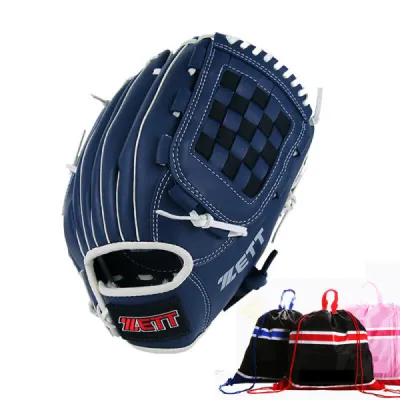
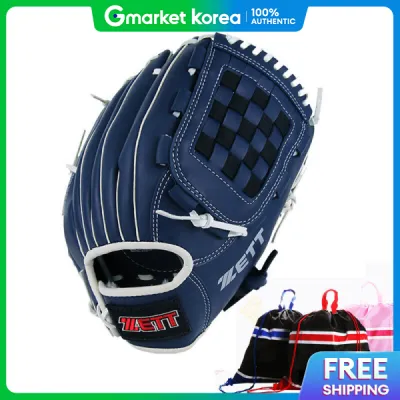
Prices are valid at publication and may change. Please refer to the product page for the latest price.
Your budget should prioritize the most critical personal and safety items. A high-quality Zett glove that fits your hand properly and a certified batting helmet are paramount. These items directly affect your performance and well-being on the field. You can be more flexible with apparel or bags initially. A comfortable athletic shirt and a simple duffel bag are perfectly fine for a beginner.
When you shop, look for Zett’s entry-level or mid-tier lines, which offer a great balance of performance, durability, and cost. You can find these at authorized sporting goods stores or official Zett retailers. Always check the product tags for specifications and ensure you’re buying authentic gear to get the quality and protection the brand is known for.
How to Choose Your First Zett Baseball Glove
Your glove is your most personal piece of equipment. It becomes an extension of your hand, so choosing the right one is crucial. For a beginner, the focus should be on finding a glove that fits comfortably, suits a general player role, and can be maintained easily, especially in a warm, humid climate.

Sizing and Position Basics
Baseball gloves are measured in inches, and the right size depends on your age, hand size, and the position you expect to play. As a beginner, you’ll likely be playing various positions, so a versatile, all-purpose glove is a good start. Youth players typically use gloves from 9 to 11.5 inches, while adults often use gloves from 11.5 to 12.75 inches.
A simple guideline is that infielders use smaller gloves for a shallow pocket, allowing for a quicker transfer of the ball to the throwing hand. Outfielders use larger gloves with a deeper pocket to help secure fly balls. For your first glove, an 11.5-inch to 12.5-inch utility model is often a safe and versatile choice.
Pay attention to the webbing—the leather lacing connecting the thumb and fingers. A closed or basket web is great for hiding the ball from a batter (if you’re a pitcher) and provides more support, making it a good all-around choice. An open web, like an H-web or I-web, is lighter and allows you to see through the glove to track a fly ball. Before buying, always try the glove on. It should feel snug but not tight. Check Zett’s sizing charts on the product tag or online, but trust how it feels on your hand above all else.
Material and Climate Considerations
Zett gloves come in genuine leather or synthetic materials, each with its own advantages. Genuine leather gloves are highly durable and, over time, will mold perfectly to your hand. However, they require a significant break-in period. Synthetic gloves are often lighter, more affordable, and game-ready right out of the store, but they may not last as long as a well-cared-for leather glove.
For a beginner, a pre-softened leather or high-quality synthetic model can reduce the lengthy break-in process while still offering good performance. In the humid climate of the Philippines, proper care is essential to prevent mold and keep the leather from becoming stiff and brittle.
After each use, wipe down your glove to remove dirt and moisture. Never leave it in a hot car or in direct sunlight, as extreme heat can dry out and crack the leather. Store your glove in a cool, dry, and well-ventilated area. To help it keep its shape, place a baseball in the pocket and wrap it with a rubber band or glove wrap. For specific conditioning oils or lotions, always check the manufacturer’s care instructions included with your Zett glove.
Selecting the Right Zett Bat for a Beginner's Swing
Choosing your first bat is about finding a tool that helps you develop a good swing, not hitting home runs on day one. The right Zett bat for a beginner should match your current strength and height, promoting proper mechanics and bat speed. It also needs to comply with the rules of any league you might join.
Weight and Length: The most important factor for a beginner is finding a bat that isn’t too heavy. This is where “drop weight” comes in. This number, usually printed on the bat, is the difference between its length in inches and its weight in ounces (e.g., a 30-inch, 20-ounce bat has a drop weight of -10). A larger negative number means a lighter bat. Beginners should opt for a lighter bat (a drop weight of -10 or higher) to control the swing and build speed. To test if a bat’s weight is manageable, hold it by the handle and extend it straight out to your side. If you can hold it there for 30-45 seconds without it dropping, the weight is likely appropriate.
Material Options: Zett offers bats in different materials, but for a beginner, alloy is usually the best choice. Alloy (or aluminum) bats are durable, affordable, and have a generous sweet spot, which is forgiving on mishits. They are ready to use right away with no break-in period. Composite bats offer better vibration reduction but are more expensive and require a break-in period of several hundred hits. Wood bats provide a traditional feel but are less forgiving and can break easily, making them better suited for experienced players.
Verification and Compliance: Before you buy, check the bat’s barrel for any certification marks or league approval stamps (like USSSA, USA Baseball, or BBCOR). Local leagues in the Philippines may have specific rules about what bats are allowed. Using a non-compliant bat is not only a safety risk but can also get you disqualified from a game. It’s always a good practice to check with a coach or league official about equipment requirements.
Safety First: Helmets and Footwear for Philippine Fields
While a glove and bat are about performance, your helmet and footwear are about safety. These are two areas where you should never compromise on quality or fit, as they are your primary protection against injury on the field.
Batting Helmets: A batting helmet is non-negotiable. When you’re at the plate or on the base paths, it protects you from errant pitches and throws. A proper helmet should fit snugly on your head without wobbling or obstructing your vision. The ear flaps should fully cover your ears, offering protection based on whether you bat right- or left-handed. Look for a safety certification sticker (like a NOCSAE stamp) inside the helmet, which indicates it has passed rigorous testing standards. Helmets don’t last forever; inspect yours regularly and replace it if the outer shell is cracked or the inner padding is deteriorating.
Footwear: The fields you play on in the Philippines—often a mix of grass and packed dirt—dictate your footwear choice. There are three main types:
- Molded Plastic Cleats: This is the best all-around option for beginners. The plastic studs provide excellent traction on both grass and dirt without being overly aggressive. They are durable, affordable, and almost always permitted in youth and amateur leagues.
- Metal Cleats: These offer the best possible grip, especially on hard, dry dirt infields or thick grass. However, they are a safety hazard in slides and collisions, so many beginner and youth leagues prohibit them. Wait to buy metal cleats until you move to a more advanced level of play where they are allowed.
- Turf Shoes: These have small rubber nubs instead of long studs. They are perfect for practicing on artificial turf or other hard surfaces. While they don't provide enough grip for a game on a natural field, they are a great secondary pair of shoes for training sessions.
What to Skip: Nice-to-Have Gear You Can Delay
Part of smart shopping is knowing what not to buy. As a beginner, it’s easy to get carried away, but many items are luxuries you can acquire later. Sticking to the essentials saves you money and lets you focus on learning the game.
Catcher’s Gear: Unless you are absolutely certain you will only be playing catcher, do not buy a full set of catcher’s gear. It’s expensive, position-specific, and requires a precise fit. Most teams and leagues will have communal sets available for players to use. Borrow this gear first to see if you even enjoy the demanding position before considering such a large purchase.
Premium Apparel and Bags: While a Zett jersey or specialized baseball pants look professional, they aren’t necessary for practice. A standard moisture-wicking athletic shirt and comfortable shorts or athletic pants are all you need to start. Similarly, a high-end Zett equipment bag with compartments for every item is a luxury. A simple, sturdy duffel bag will carry your glove, helmet, and bat just fine.
Specialized Training Aids: The market is full of tools that promise to improve your swing or your pitching velocity. Items like weighted bats, swing analyzers, and rebound nets can be useful for advanced players fine-tuning their skills. For a beginner, however, the focus should be on mastering the fundamentals with standard equipment. Your time and money are better spent on practice and coaching, not on gadgets.
Frequently Asked Questions (FAQ)
How do I break in a new Zett leather glove safely?
Breaking in a new leather glove helps it form a pocket and become flexible. The safest method is simply to use it. Play catch as much as possible. You can also use a wooden mallet or a dedicated glove mallet to gently pound the pocket area to soften it. When you’re not using it, keep a baseball in the pocket and wrap the glove with rubber bands to help it form the correct shape. Avoid methods that can damage the leather, such as baking it in an oven, microwaving it, or soaking it in water or oil. These shortcuts can dry out the leather’s natural fibers, causing it to become brittle and break down prematurely.
Can I use a Zett baseball bat for softball?
A Zett baseball bat should only be used for playing baseball. While they look similar, baseball and softball bats are designed with different specifications to match their respective sports. Softball bats typically have a wider barrel diameter and are engineered to hit a larger, less dense ball. Using a baseball bat to hit a softball can lead to poor performance, damage the bat, and may even be against league rules. Always check your equipment’s label and your league’s regulations to ensure you are using the correct bat for the game.
Community discussion
Share your experience or ask a question. Comments are reviewed before publication.