
Choosing the right kickboard for swimming in a tropical climate requires balancing buoyancy, skin comfort, and resistance to intense heat and UV exposure. Ethylene-vinyl acetate (EVA) foam, expanded polypropylene (EPP) foam, and molded hard plastic each offer distinct physical properties that perform differently under the hot sun and humid conditions of the Philippines. While soft foams provide excellent cushioning, rigid plastics offer unmatched structural longevity, making your choice dependent on your specific training goals and storage habits.
Understanding EVA, EPP, and Hard Plastic Kickboards
To make an informed choice, it helps to understand how these three materials are manufactured and structured. Ethylene-vinyl acetate, commonly known as EVA, is a closed-cell foam widely used in swim gear. During manufacturing, the material is molded under heat and pressure to create a dense, smooth-surfaced foam that resists water absorption. This closed-cell structure ensures that even if the surface is scratched, the board will not easily waterlog. EVA is highly flexible and can absorb repeated impacts without losing its shape, making it a staple in both recreational and competitive swimming pools.
Expanded polypropylene, or EPP, is another type of foam but features a bead-like, textured structure. EPP is highly resilient and frequently used in protective packaging due to its ability to absorb impacts without permanent deformation. When molded into a kickboard, EPP yields a lightweight, slightly textured product that feels highly rigid compared to EVA, while remaining significantly lighter than solid plastics. This material is known for its structural memory, meaning it can bend under significant stress and still return to its original shape without creasing.
Products mentioned in this guide
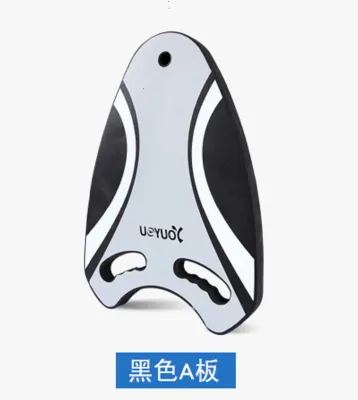
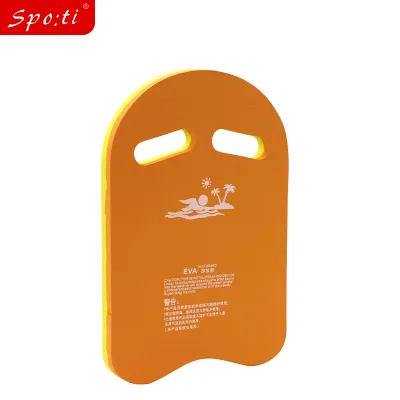
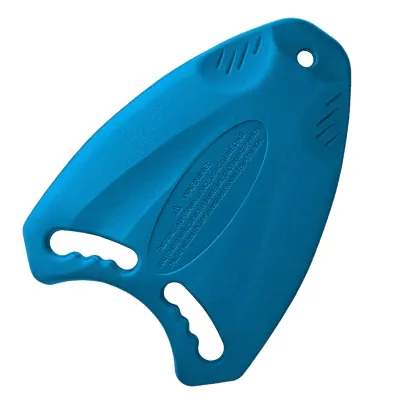
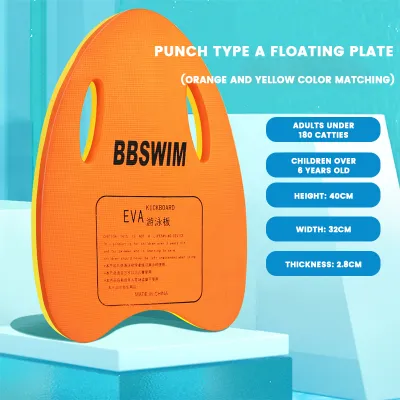
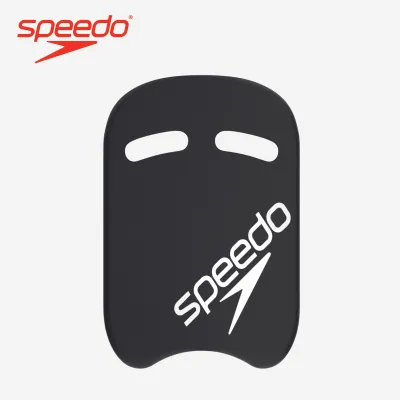
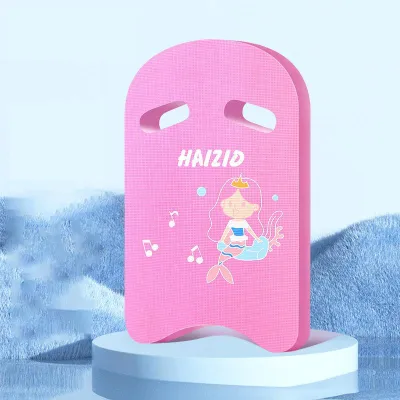
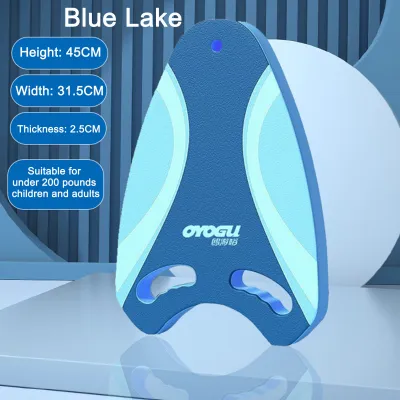
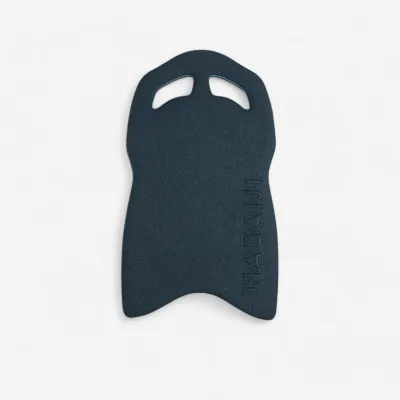
Prices are valid at publication and may change. Please refer to the product page for the latest price.
Molded hard plastic kickboards are typically made from high-density polyethylene (HDPE) or similar rigid polymers. These boards are hollow or solid, manufactured through blow molding or injection molding processes. They do not compress, flex, or absorb water, resulting in a highly durable, rigid training tool. When shopping, you can identify these materials by checking the product specifications on the packaging or looking for recycling codes molded directly into the plastic. Hard plastic boards are virtually indestructible under normal pool conditions, though they lack the lightweight feel of foam alternatives.
Comparing Buoyancy and Arm Comfort
Buoyancy and comfort directly affect how long you can train without physical strain or skin irritation. EVA foam kickboards are highly favored for their balanced buoyancy and soft, yielding texture. The material compresses slightly under pressure, providing a comfortable resting surface for your forearms and chest. The smooth edges of a well-finished EVA board minimize friction against the skin, reducing the risk of chafing during long swimming sessions. This makes EVA an excellent choice for swimmers who prefer a gentle, cushioned feel during extended kicking drills.

EPP foam boards offer high buoyancy relative to their weight because of the air trapped within the expanded bead structure. However, the surface texture of EPP is noticeably rougher and more pebbled than EVA. While this textured surface can improve your grip when wet, it may feel less comfortable against bare skin during extended use. Swimmers with sensitive skin or those training for hours may prefer to wear a rash guard to prevent mild abrasion. The rigidity of EPP also means it does not conform to your body shape, offering a very stable but firm support system.
Hard plastic kickboards provide consistent buoyancy that relies entirely on their displaced volume rather than material density, especially if they are hollow. Because they are completely rigid, they offer no cushioning for your arms or chin. The hard edges can feel uncomfortable during long sets, but they excel in providing a stable, non-flexing platform for advanced swimmers focusing purely on leg power. To assess comfort before buying, try pressing your forearms against the board to check for edge contouring and surface flexibility. If a board feels too stiff or sharp in your hands, it will likely cause discomfort in the water.
Assessing Durability in Tropical Climates
The tropical climate of the Philippines, characterized by high humidity, intense sunlight, and elevated temperatures, presents unique challenges for swim gear. Over time, prolonged exposure to ultraviolet (UV) radiation can degrade foam materials. On EVA boards, UV damage typically manifests as surface chalking, color fading, or a gradual loss of flexibility, which eventually leads to cracking along the edges. In highly humid environments, any moisture trapped in micro-cracks can accelerate this degradation, especially if the board is stored wet in a closed bag.
EPP foam generally exhibits good resistance to heat deformation, but prolonged exposure to direct sunlight can still weaken the bonds between the expanded beads. If the material begins to degrade, you may notice individual beads flaking off or the board becoming brittle. Hard plastic boards are highly resistant to physical wear and tear, but without UV-stabilizing additives, they can warp, fade, or become brittle under constant exposure to intense tropical sun. A brittle plastic board is prone to cracking if dropped on hard pool surrounds.
To maximize the lifespan of any kickboard, it is essential to interpret and follow the manufacturer care labels. Most brands recommend rinsing the board with fresh water after use to remove chlorine, salt, or sand, followed by drying in a shaded, well-ventilated area. Avoid leaving your gear in hot car trunks or on concrete pool decks, where temperatures can quickly rise high enough to warp foam and plastic structures. Checking the manufacturer’s guidelines for specific cleaning agents is also wise, as harsh chemicals can dissolve foam binders.
Selecting the Ideal Kickboard for Your Swimming Goals
Selecting the right kickboard involves matching these material characteristics to your swimming proficiency and training environment. Beginners and recreational swimmers often benefit most from the high buoyancy and soft comfort of an EVA foam board, which helps maintain proper body alignment without causing skin irritation. Advanced swimmers looking for a durable, high-resistance tool for intense leg workouts may prefer the rigidity of EPP or hard plastic. These stiffer boards force the core to engage more actively to maintain balance in the water.
Portability and storage are also key practical considerations. If you regularly travel to local pools or public beaches, lightweight EVA or EPP boards are much easier to pack into a swim bag. Hard plastic boards, while heavier and bulkier, are highly suited for swim clubs or home pools where they can be stored in dedicated racks without being constantly transported. Consider how you will carry your gear; a heavy, rigid board can be cumbersome if you rely on public transport or active commuting.
Before making a purchase, use a simple checklist to verify the build quality of the board. Inspect the edges for smooth, rounded contours that will not scrape your skin, and press the center to ensure there are no soft spots or structural weaknesses. Look for clear safety markings and material labels to confirm you are buying a product designed specifically for swimming training rather than a basic recreational toy. Checking for a textured grip area can also help ensure the board remains easy to hold when wet.
Frequently Asked Questions (FAQ)
Can I leave my kickboard in the direct sun to dry?
Leaving your kickboard in direct tropical sunlight to dry is not recommended, as intense UV rays and high temperatures can rapidly degrade the material. For EVA and EPP foams, this exposure can cause warping, shrinkage, and surface cracking, while hard plastics may become brittle. To preserve the structural integrity of your board, always rinse it with fresh water and let it dry in a shaded, well-ventilated outdoor or indoor area. Following these simple steps will extend the life of your gear significantly.
Which kickboard material is most suitable for young children?
EVA foam is generally the most suitable material for young children due to its soft, non-abrasive texture and excellent buoyancy. It minimizes the risk of scrapes or bruises if a child bumps into the board during play or swim lessons. When choosing a children’s kickboard, check the product label for non-toxic material certifications and appropriate age ratings, and ensure that children are always supervised by an adult while using any flotation device. A smaller, child-sized EVA board is also easier for little hands to grip securely.
Community discussion
Share your experience or ask a question. Comments are reviewed before publication.