
A heavy-duty poncho tent offers an ultra-lightweight solution for minimalist hikers, but relying on it during the peak of the Philippine wet season requires a clear understanding of its physical boundaries. While this dual-purpose gear can successfully shield you from steady monsoon downpours when pitched with expert precision, it is not designed to withstand the violent, multi-directional winds of a tropical storm or typhoon. Outdoor enthusiasts must view this equipment not as an absolute safeguard against severe weather, but as a highly adaptable, skill-dependent shelter that demands advanced campcraft, careful site selection, and strict adherence to safety limits.
Understanding Shelter Limits in Monsoons and Typhoons
To camp safely during the wet season, you must first distinguish between the predictable, heavy rainfall of the southwest monsoon (Habagat) and the destructive forces of a tropical cyclone. Monsoon rains, while intense and prolonged, often fall relatively straight or with moderate, predictable wind angles. A heavy-duty poncho tent, when configured correctly as a low-profile tarp shelter, can deflect this vertical moisture effectively. However, typhoons introduce extreme wind velocities, rapid pressure changes, and flying debris that can easily shred lightweight fabrics and pull stakes straight out of the ground.
The structural design of a poncho tent inherently limits its stability compared to dedicated backpacking tents. Unlike a geodesic or tunnel tent that utilizes a network of interlocking aluminum or fiberglass poles to distribute wind loads evenly across a dome structure, a poncho tent typically relies on a single trekking pole, a suspended branch, or a simple A-frame configuration. This leaves large, flat expanses of fabric exposed to the wind, turning the shelter into a sail if the wind shifts. Without a fully enclosed, aerodynamic frame, a poncho tent is highly vulnerable to drafts, wind-driven rain spray, and sudden gusts that can collapse the structure entirely.
Products mentioned in this guide
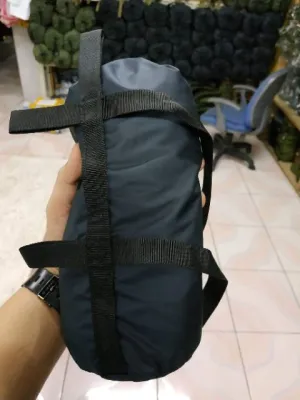
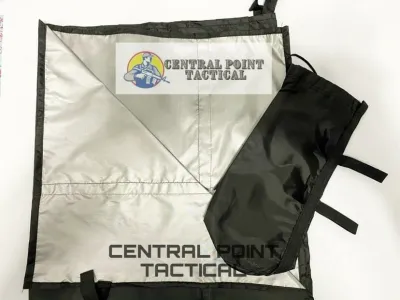
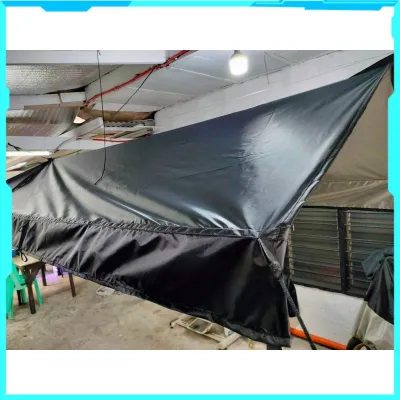
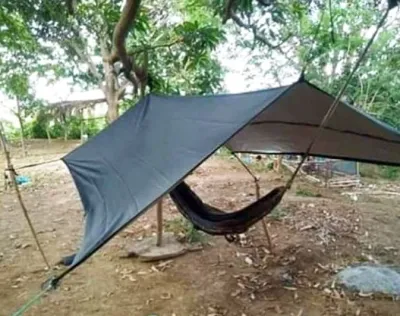
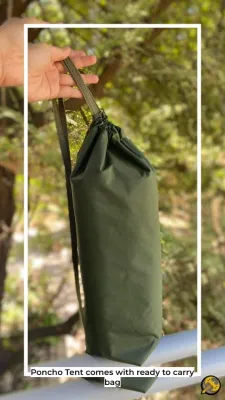
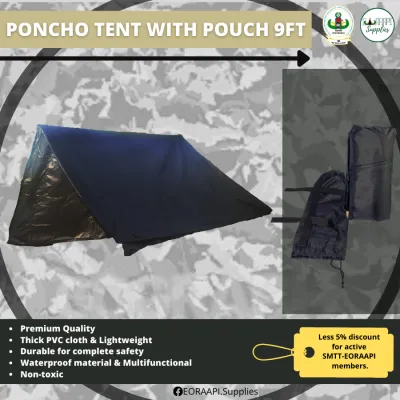
Prices are valid at publication and may change. Please refer to the product page for the latest price.
Because of these structural limitations, you must establish strict stop-conditions before setting out on any trek. If local meteorological agencies issue a Tropical Cyclone Wind Signal (TCWS) or warn of an approaching tropical depression, you should immediately cancel your trip or abort your camp. A poncho tent should never be used as a primary shelter on exposed ridges, high-altitude peaks, or coastal areas during active storm warnings. If you experience sudden, sustained wind increases or notice the ground becoming oversaturated and unstable, abandon the shelter immediately and seek refuge in a permanent, concrete structure.
Verifying Waterproof and Wind-Resistant Specifications
When selecting a heavy-duty poncho tent for wet-season use, verify the manufacturer’s technical specifications rather than relying on marketing claims. Check the hydrostatic head (HH) rating on the product label. For intense tropical downpours, look for a fabric rating of at least 2,000mm to 3,000mm, indicating the water pressure the material can withstand before leaking. Verify that all seams are factory-taped or plan to seal them manually with a compatible seam sealer before your trip, as water can penetrate stitch holes under heavy pressure.

The durability of the fabric itself is determined by its denier rating, weave, and chemical coatings. A truly heavy-duty poncho tent should feature a ripstop nylon or polyester fabric with a denier rating of 40D or higher to prevent small punctures from turning into catastrophic tears under high wind tension. Examine the coating type: silicone-coated fabrics (silnylon) offer exceptional tear strength and water shedding but require specialized silicone sealants, while polyurethane (PU) coatings are highly waterproof but can degrade faster in hot, humid environments if not dried properly.
Finally, inspect the structural hardware and reinforcement points of the poncho. Look for reinforced, double-layered fabric patches at the hood area, corners, and any contact points where trekking poles or support sticks will rest. Grommets and tie-out loops must be securely stitched with heavy-duty bar-tack patterns to prevent them from tearing away under high tension. High-quality guylines made of reflective, low-stretch cord paired with reliable tensioners are essential for maintaining a taut pitch throughout a stormy night.
Site Selection and Pitching Strategies for High Winds
In severe weather, campsite selection is more critical than gear brand. When pitching a poncho tent, seek natural windbreaks like dense shrubs, bamboo groves, or rock formations to block the wind. Avoid pitching near hazard trees, dead branches, or shallow-rooted trees that could snap. Never camp in low-lying ravines, dry riverbeds, or narrow valleys, as tropical downpours can trigger rapid flash flooding and mudslides within minutes.
Once you have selected a safe location, optimize your pitching angle to minimize wind resistance and maximize water runoff. Pitch the poncho tent as low to the ground as possible, reducing the vertical profile that can catch the wind. Position the lowest, closed side of the shelter directly facing the windward direction to deflect oncoming gusts upward and over the structure. Ensure that every side of the fabric is pulled completely taut; loose, flapping fabric not only creates deafening noise that prevents sleep, but it also weakens the waterproof coatings and places immense, jerking stress on your stakes and tie-out points.
Saturated tropical soil presents a major challenge for securing your shelter, as standard thin tent pegs will easily slip out of wet mud. To counter this, use wider, Y-profile stakes or specialized ground anchors designed for soft soil. Apply redundant anchoring techniques, such as placing heavy rocks or logs over your stakes to keep them pinned down. In extremely soft ground, you can employ a “deadman” anchor by tying your guyline to a thick, sturdy branch or a large rock and burying it horizontally at least six inches deep in the mud, packing the soil tightly on top to create a highly secure anchor point.
Essential Backup Gear and Evacuation Planning
Relying on a minimalist shelter during the rainy season requires carrying a robust backup kit. Always pack a heavy-duty, waterproof groundsheet slightly smaller than the pitched poncho’s footprint to prevent pooling water from seeping into your sleeping system. Keep a field repair kit accessible, containing tenacious repair tape, seam sealer, extra utility cord, and spare tensioners to quickly patch tears or replace snapped lines during a storm.
Your safety strategy must place evacuation planning ahead of gear performance. Before setting foot on the trail, study detailed topographic maps to identify multiple exit routes that do not require crossing rivers or streams, which can quickly swell and become impassable during heavy rains. Identify the locations of nearby permanent structures, such as mountain ranger stations, barangay halls, or concrete school buildings, where you can safely retreat if your shelter fails or if weather conditions deteriorate rapidly.
Continuous situational awareness is your best defense against tropical weather hazards. Monitor local meteorological updates and storm advisories regularly using a reliable mobile device or a portable weather radio. Do not hesitate to trigger your evacuation plan at the first sign of sustained, worsening weather; waiting until your shelter collapses or until trails become flooded significantly increases the risk of injury and limits your rescue options.
Post-Trip Maintenance and Drying in High Humidity
Tropical humidity accelerates mold, mildew, and rot, which can ruin a poncho tent in days. Unpack the wet shelter immediately upon returning; leaving it compressed in a damp stuff sack destroys polyurethane coatings and delaminates seam tape. Hang the poncho tent to dry in a well-ventilated indoor area or a shaded outdoor spot, avoiding direct sunlight which degrades synthetic fibers and weakens waterproof barriers.
Before storing the gear, gently clean off any mud, sand, organic debris, or salt spray accumulated during your trek. Use a soft sponge, cool water, and a mild, non-detergent soap specifically formulated for outdoor gear; never use harsh household detergents, bleach, or washing machines, as these will strip away the protective coatings. Pay close attention to the zippers, grommets, and snaps, ensuring they are free of grit that could cause mechanical failure during your next adventure.
Once the poncho tent is completely dry to the touch—including the reinforced corners, hood drawcords, and webbing loops—store it loosely in a breathable mesh or cotton storage bag. Avoid storing it tightly compressed in its original stuff sack, as constant creasing can weaken the waterproof membrane along the folds. Keep the storage bag in a cool, dry, and dark closet away from high humidity and extreme temperature fluctuations to ensure your shelter remains reliable for years to come.
Frequently Asked Questions (FAQ)
Can a poncho tent replace a standard dome tent during the rainy season?
A poncho tent cannot fully replace a standard dome tent when facing the unpredictable weather of the rainy season. While a poncho tent offers unmatched versatility and weight savings for experienced backpackers, it lacks the fully enclosed, double-walled protection and rigid, aerodynamic pole structure of a dome tent. A dome tent is designed to withstand multi-directional winds and prevent water splashing from entering the sleeping area, making it the strictly safer choice for severe weather. If you anticipate heavy, wind-driven rain or lack advanced pitching skills, a dedicated dome tent provides a much more forgiving and secure environment.
Evaluating Hydrostatic Head Ratings for Tropical Downpours
To evaluate hydrostatic head ratings effectively, you must look at the manufacturer’s technical specifications rather than relying on vague product descriptions. A rating of 1,500mm is generally considered the minimum for waterproof fabric, but for the intense downpours of a tropical wet season, a rating of 2,000mm to 3,000mm is highly recommended to prevent water from forcing its way through the weave. Keep in mind that a high rating on paper is only effective if the seams are fully taped and the fabric coatings are well-maintained. Always check the manufacturer’s guidelines to verify if the shelter requires manual seam sealing before its first exposure to heavy rain.
Community discussion
Share your experience or ask a question. Comments are reviewed before publication.