
The original lululemon belt bag has transitioned from a streetwear staple to a common sight on local fitness trails. However, taking this popular accessory out for a run in the intense heat and high humidity of the Philippines requires a closer look at how its design handles tropical conditions. While it excels at carrying daily essentials during casual walks or light errands, its performance during high-intensity cardiovascular exercise depends heavily on how you manage moisture, fit, and load distribution.
Running in tropical climates presents unique challenges, particularly regarding sweat accumulation and gear stability. A bag that feels perfectly comfortable in an air-conditioned gym or during a cool morning stroll can quickly become heavy, slippery, or abrasive when saturated with sweat. To determine if this specific belt bag is suitable for your running routine, you must evaluate its material specifications, strap security, and overall capacity against the demands of your typical route.
Rather than assuming a one-size-fits-all level of performance, runners should treat the bag as a customizable piece of gear that requires specific adjustments for tropical use. By understanding how the fabric interacts with moisture and how the strap behaves under movement, you can make an informed decision on whether to integrate it into your training or opt for a specialized running hydration vest.
Products mentioned in this guide
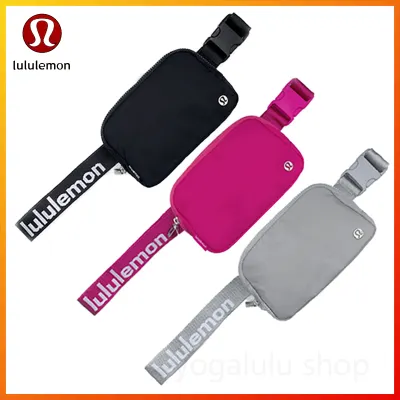
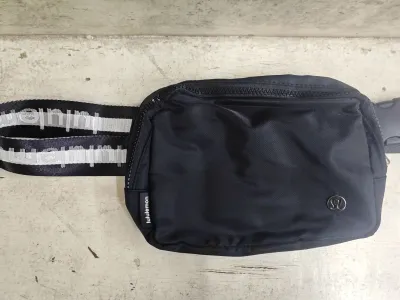
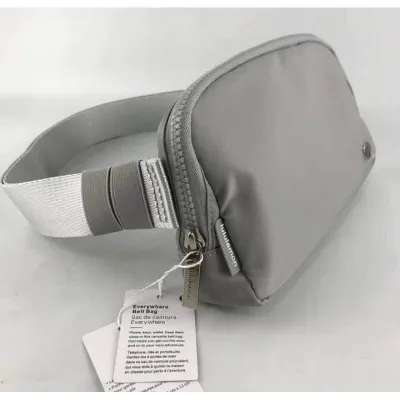
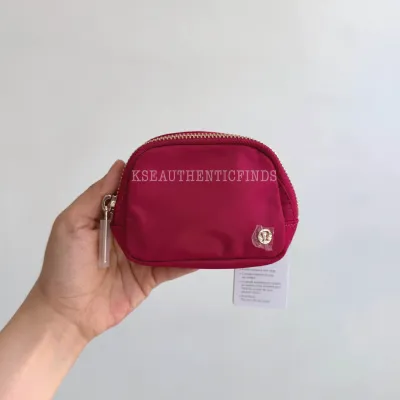
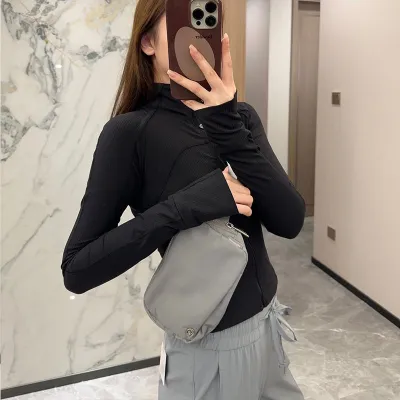
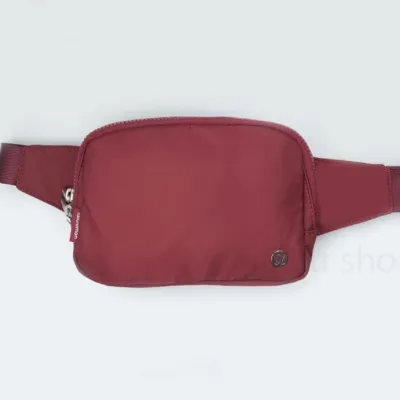
Prices are valid at publication and may change. Please refer to the product page for the latest price.
Key Features to Check for Tropical Running
Before heading out onto the pavement or trail, the first step is to inspect the fabric composition of your original lululemon belt bag. Most versions of this bag utilize synthetic fabrics like nylon and polyester, which are valued for their lightweight properties and general durability. You should locate the official care label inside the compartment to verify the exact blend of materials, as different seasonal releases may feature variations in weave or coating. Some models feature water-repellent exterior finishes designed to shed light moisture, which can be highly beneficial during sudden tropical downpours or when sweat begins to pool on your lower back.
However, water-repellent does not mean completely waterproof. While the outer shell might resist external splashes, you must examine the interior lining to see if it offers a barrier against moisture migrating from the inside out or vice versa. A tight weave can help slow down sweat penetration, but continuous exposure to high humidity means moisture will eventually find its way through seams and zipper tracks.
The strap and buckle assembly require equally close inspection. Look for a wide, robust strap made of woven synthetic fibers that can distribute weight evenly across your body. The texture of the strap should feel slightly textured rather than completely slick; a slick strap is far more likely to slide through the adjustment buckle once it becomes wet with sweat or rain. The buckle itself should snap together with a firm, audible click, indicating a secure lock that will not easily jar loose under the repetitive impact of your running stride.
Finally, examine the zipper construction. High-quality zippers with tight-fitting teeth and fabric overlays help minimize the entry of dust, light rain, and sweat. If your bag features a standard zipper without a protective storm flap or water-resistant coating, you must plan for moisture to seep through the zipper line during long, humid runs. Checking these physical attributes beforehand allows you to gauge the bag’s baseline resistance to the elements before subjecting it to a grueling tropical workout.
Managing Sweat and Moisture During Humid Runs
Sweating is the body’s natural cooling mechanism, and in the tropical climate of the Philippines, this process is highly accelerated. When running with a belt bag, the area where the fabric rests against your body will inevitably accumulate a significant amount of sweat. Because the original lululemon belt bag is not designed as a fully sealed dry bag, managing this moisture is critical to protecting both your skin and your valuable belongings.

To safeguard your electronics, car keys, or paper currency, you should never rely solely on the bag’s main compartment to keep things dry. Instead, utilize separate waterproof pouches, silicone cases, or simple zip-top plastic bags to seal your items before placing them inside. This double-barrier method ensures that even if sweat completely saturates the bag’s fabric during a long run, your phone and electronic key fobs remain entirely dry and functional.
Skin comfort is another major consideration when running in high humidity. The back panel of the belt bag rests directly against your shirt or bare skin, creating a friction point. Inspect this back panel to ensure there are no rough seams, raised logos, or abrasive textures that could cause painful chafing once the fabric becomes wet. If you have sensitive skin, wearing the bag over a moisture-wicking technical running shirt rather than a cotton top can significantly reduce friction and prevent painful skin irritation.
After completing your run, do not leave your gear packed inside the damp bag. Trapped moisture in a dark, warm environment is the perfect breeding ground for bacteria, mold, and mildew, which can quickly ruin the fabric and cause persistent, unpleasant odors. Make it a habit to empty the bag completely immediately after your workout, opening all zippers wide to allow air to circulate through the interior compartments.
Fit, Bounce, and Comfort on the Move
Achieving a stable fit is the most important factor in determining whether a belt bag is comfortable for running. Unlike walking, running involves a continuous vertical oscillation that can cause loose gear to bounce violently against your body. This constant movement is not only distracting but can also lead to bruising, skin abrasion, and an uneven running stride.
To minimize bounce, experiment with the positioning of the bag before you start your run. Many runners find that wearing the bag low on the hips, just below the waistline, provides the most stable foundation because the pelvic structure limits vertical movement. Alternatively, positioning the bag snugly around the narrowest part of your natural waist can keep it secure, though this may feel restrictive to your breathing if tightened too much.
As you run and sweat, the tension of the strap may change. Some synthetic strap materials tend to stretch slightly or slip through the adjustment buckle when they become thoroughly saturated with moisture. Before setting off, pull the strap tight enough to eliminate any slack, but not so tight that it restricts your breathing or digestion. If you notice the strap slipping during your run, you may need to secure the loose end with a small elastic band or a strap keeper to maintain the desired tension.
The total weight of the items you carry directly influences how much the bag will bounce. Overloading the bag with heavy items like large smartphones, bulky keychains, and loose coins shifts the center of gravity outward, making it much harder to keep stable. Keep your running load as light as possible, carrying only essential items like an ID, a single key, a small soft flask of water if it fits, and emergency cash. Keeping the load close to your body’s center of mass is the most effective way to ensure a smooth, bounce-free run.
Care and Maintenance in a Humid Environment
The combination of salty sweat, body oils, and tropical humidity can quickly degrade synthetic fabrics if they are not properly maintained. To extend the lifespan of your original lululemon belt bag, establishing a regular cleaning routine is essential. Always consult the care label inside your specific bag first, as manufacturers often recommend hand washing or gentle spot cleaning rather than machine washing to preserve the integrity of the fabric coatings and hardware.
To wash the bag, use lukewarm water and a small amount of mild, fragrance-free liquid detergent. Gently agitate the water and use a soft-bristled brush or microfiber cloth to clean areas that contact your body directly, focusing on the back panel and the strap where salt buildup is most concentrated. Avoid using harsh chemical bleaches, fabric softeners, or abrasive scrubbers, as these can strip away water-repellent finishes and weaken the synthetic fibers. Rinse the bag thoroughly with clean water to ensure all soap residue is completely removed.
Drying the bag correctly is just as important as washing it. Hang the bag to air-dry in a well-ventilated indoor space or a shaded outdoor area with plenty of breeze. Avoid placing the bag in direct, harsh tropical sunlight, as prolonged exposure to ultraviolet (UV) rays can fade the color, weaken the nylon fibers, and cause plastic buckles to become brittle over time. Never use a mechanical clothes dryer unless the care label explicitly permits it, as high heat can warp the zippers and shrink the fabric.
Once the bag is completely dry, store it in a cool, dry place with low humidity. Avoid leaving it in damp environments like a closed gym bag, a humid bathroom, or the trunk of a car. If you live in an exceptionally humid region, storing the bag near a small silica gel packet can help absorb any residual moisture, keeping the fabric fresh and ready for your next run.
Frequently Asked Questions (FAQ)
Can I wear the belt bag across my chest while running?
Wearing the bag across the chest as a crossbody sling is a highly popular style for casual wear, but it presents specific challenges during running. When worn high on the chest, the bag’s weight is distributed unevenly across one shoulder, which can alter your running posture and cause muscle strain over longer distances. Additionally, the diagonal strap can restrict chest expansion during deep breathing, and the bag is more likely to swing or bounce against your ribcage. For active running, wearing the bag snugly around your waist or hips generally offers superior stability and a more natural range of motion.
How do I safely remove sweat stains from the strap?
Sweat stains and white salt lines on the strap are common after running in hot weather. To remove them safely, first check the care label for any specific restrictions. Mix a few drops of mild liquid soap with warm water, and use a soft cloth or an old toothbrush to gently scrub the affected areas of the strap. Avoid soaking the entire bag if only the strap is dirty, and never use harsh stain removers or chlorine bleach, which can discolor the fabric. Once clean, wipe the strap with a damp cloth to remove soap residue, and allow it to air-dry completely in the shade.
Community discussion
Share your experience or ask a question. Comments are reviewed before publication.