
Finding the right everlast gym gloves depends entirely on your primary training modality—whether you are gripping heavy barbells, striking a heavy bag, or moving through rapid-fire HIIT circuits. Choosing a single “all-purpose” glove is a common pitfall; a heavily padded boxing glove will prevent you from wrapping your fingers securely around a barbell, while a thin lifting glove offers zero protection against the high-impact forces of heavy bag training. To get the most out of your workouts, you must match the glove’s structural design to your specific physical demands rather than relying on one model to do it all.
For weightlifting and strength training, your focus should be on fingerless models that prioritize palm protection, non-slip grip, and wrist stability. If your routine centers on heavy bag work or boxing conditioning, you require full-finger gloves with dense knuckle padding and secure wrist alignment to absorb high-impact forces. For general fitness, functional training, or HIIT, lightweight hybrid gloves with open-finger designs and maximum breathability are ideal, as they allow you to transition quickly between bodyweight movements, light weights, and cardio equipment.
Why Your Training Style Dictates Your Glove Choice
Every athletic movement places a distinct type of stress on your hands and wrists. In weightlifting, the primary challenge is managing friction and pressure. When you grip a steel barbell or dumbbell, the knurling can cause painful calluses, blisters, or skin tears. A proper lifting glove acts as a protective barrier, distributing the weight across the palm while enhancing your grip. It must offer wrist support without adding excessive bulk to the palm, which would alter the effective diameter of the bar and weaken your hold.
Products mentioned in this guide
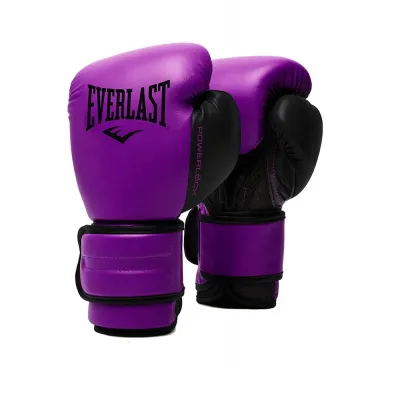
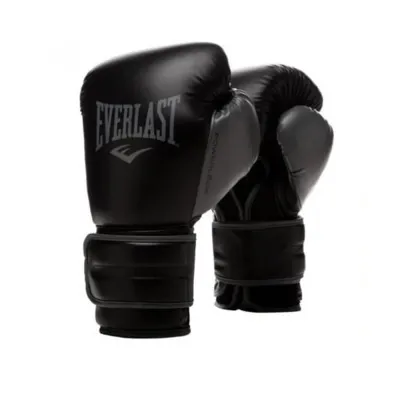

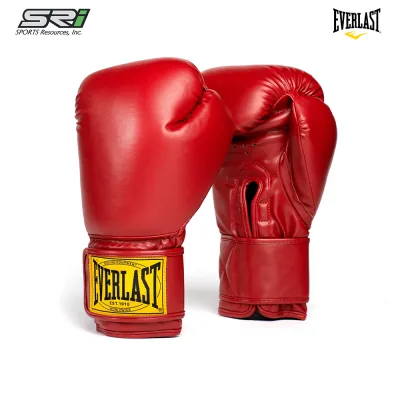
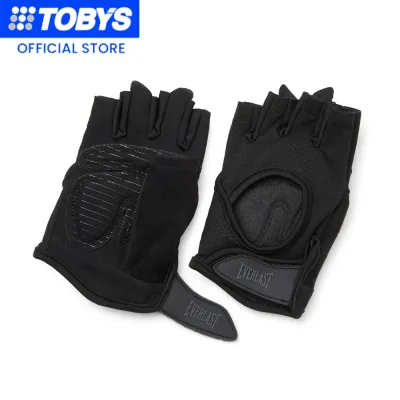
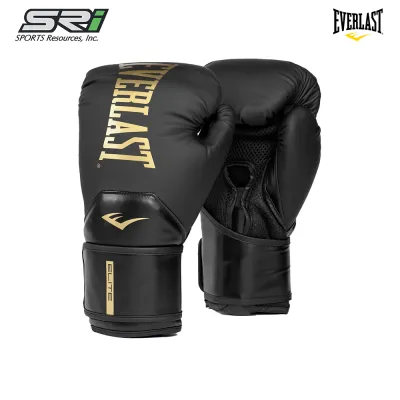
Prices are valid at publication and may change. Please refer to the product page for the latest price.
In contrast, heavy bag training involves repetitive, high-velocity impacts. Each strike sends a shockwave through your knuckles, fingers, and wrist joints. A bag glove is engineered specifically to absorb this energy, using dense foam layers to cushion the knuckles and keep the wrist in a neutral, locked position. Using a thin lifting glove for bag work can lead to severe joint bruising, skin abrasions, or wrist sprains, as it lacks the structural support and impact-dispersing padding required for striking.
General fitness and high-intensity interval training (HIIT) present a third set of requirements. These workouts demand rapid transitions between different exercises, such as moving from kettlebell swings to pull-ups, and then straight to push-ups or rowing machines. A specialized weightlifting or heavy boxing glove will hinder your movement during these transitions. HIIT-focused gloves prioritize flexibility, lightweight materials, and easy removal, ensuring your hands remain agile and protected across diverse physical tasks.
Environmental factors also play a critical role in your choice, particularly in the tropical and highly humid climate of the Philippines. Whether training in a non-airconditioned local gym or a commercial fitness center, your hands will sweat heavily. This moisture can cause your hands to slip inside the gloves, leading to friction burns, material degradation, and unpleasant odors. Selecting gloves with targeted ventilation, moisture-wicking linings, and breathable mesh panels is essential to maintain a secure grip and ensure proper hand hygiene.
Key Comparison Dimensions for Everlast Gym Gloves
Padding Distribution
The placement and density of padding determine a glove’s primary function. Weightlifting models feature targeted padding on the palm and the base of the fingers, often utilizing gel inserts or thin, high-density foam to cushion against heavy metal bars. Striking gloves shift this padding entirely to the knuckles and the back of the hand, using multi-layered foam systems to disperse impact forces. Evaluating where the padding is concentrated prevents you from buying a glove that interferes with your specific training movements.

Wrist Support Systems
Wrist stability is crucial for preventing acute injuries and chronic strain. Heavy lifting and heavy bag training require robust wrist support, often provided by wide, rigid hook-and-loop straps that act like splints to keep the joint aligned under load. Dynamic fitness routines, however, require a degree of wrist flexibility for movements like front squats, kettlebell cleans, or floor planks. For these activities, minimalist elastic cuffs or thin, adjustable tabs are preferred to allow a natural range of motion.
Materials and Grip
The choice of material directly impacts durability, grip performance, and maintenance. Genuine leather offers exceptional wear resistance and conforms to the shape of your hand over time, though it requires regular conditioning and is highly sensitive to moisture. High-grade synthetic leathers provide excellent durability and are easier to clean in humid conditions. For maximum airflow, look for models incorporating polyester mesh panels, and verify that the palm features textured non-slip materials to secure your hold on sweaty equipment.
Closure and Ease of Use
How quickly you can put on and take off your gloves is a practical consideration that affects your workout flow. Quick-loop straps, pull tabs, and elastic slip-on designs are highly beneficial for fast-paced circuit training where you need to free your hands frequently. Rigid, dual-strap systems offer superior security for heavy bag sessions but take longer to adjust. Matching the closure style to the pace of your training ensures your gear supports, rather than disrupts, your workout rhythm.
Evaluating Everlast Glove Categories by Workout Type
Weightlifting and Strength Training
When browsing everlast gym gloves for pure strength training, look for models categorized specifically under lifting, fitness, or weight training. These models typically feature a fingerless design, which leaves your fingertips exposed for tactile feedback and maximum heat dissipation. Reinforced palm areas, often double-stitched and lined with textured grip patterns, prevent the barbell from spinning or slipping in your hands during heavy pulling or pushing movements.
Before purchasing, verify the grip material on the palm to ensure it is slip-resistant and compatible with steel knurling. Keep in mind that lifting gloves are training aids designed to manage friction and provide auxiliary support; they do not replace proper grip technique or progressive wrist strengthening. If you regularly perform heavy overhead presses or bench presses, look for lifting models that feature an integrated, wrap-around wrist strap to help stabilize the joint under load.
Heavy Bag and Striking Work
For workouts that incorporate boxing conditioning, heavy bag drills, or pad work, you must select gloves designed explicitly for striking. These gloves feature dense, multi-layered foam padding over the knuckles, full-finger coverage, and a secure thumb attachment. The thumb-lock design is a critical safety feature that keeps your thumb tucked close to your fist, preventing painful jamming or hyperextension when striking the bag.
Always check the product tag or description to ensure the model is rated for heavy bag use, as sparring gloves or light cardio gloves may not offer sufficient protection for repetitive hard impacts. Proper wrist alignment is vital during striking to prevent acute sprains. If you experience wrist pain, knuckle bruising, or glove slippage during your session, stop training immediately. Check your hand-wrapping technique and ensure your gloves are sized correctly, as equipment cannot compensate for improper striking form.
General Fitness and Mixed Modalities
If your routine consists of high-intensity functional training, cardio kickboxing, or mixed gym circuits, hybrid fitness gloves are your best option. These models combine the lightweight, breathable qualities of lifting gloves with a small amount of low-profile knuckle padding. This hybrid design allows you to transition from jumping rope or performing burpees directly to light bag strikes or dumbbell exercises without changing your gear.
These gloves prioritize hand hygiene, ventilation, and rapid sweat evaporation. Look for models featuring extensive mesh backings, open-finger designs, and quick-dry synthetic fabrics that perform well in hot, humid environments. It is important to note that these hybrid models prioritize flexibility and quick transitions over heavy impact protection; they are not suitable for dedicated, high-power heavy bag training or maximum-effort powerlifting.
How to Verify Sizing and Fit Before Purchasing
Securing the correct size is essential for both comfort and safety, as a poorly fitting glove can restrict blood circulation, cause friction blisters, or fail to support your joints properly. Sizing standards can vary significantly between weightlifting, hybrid, and striking glove lines. To find your correct size, you must measure your dominant hand using a flexible tailor’s measuring tape.
To measure your hand correctly, follow these steps:
- Keep your hand flat and fingers extended.
- Wrap the flexible tape measure around the widest part of your hand, across the knuckles, excluding the thumb.
- Note the measurement in inches or centimeters.
- Compare this exact measurement against the manufacturer's specific sizing chart for the model you are purchasing.
If you plan to wear hand wraps under your bag gloves, you must factor this extra bulk into your sizing decision. Hand wraps add significant volume to your hand and wrist, meaning you will likely need to size up by one full size to ensure a comfortable, secure fit. When trying on new gloves, check for common indicators of a poor fit: your fingers should not feel numb or tingle, the material should not bunch up excessively in the palm, and you should be able to make a natural fist without straining.
When purchasing through online marketplaces or brand websites, always review the retailer’s return and exchange policies. In humid climates, trying on gloves with clean, dry hands is highly recommended to avoid transferring moisture or oils to the material before you are certain of the fit. If the gloves restrict your finger mobility or feel excessively tight across the back of the hand, exchange them for a larger size to prevent hand fatigue and injury during your workouts.
Final Decision Framework: Which Everlast Glove Should You Choose?
To finalize your decision, match your primary training activities to the specific design features of each glove category. This structured approach ensures you select a model that supports your performance while protecting your hands from injury.
- Choose Weightlifting Gloves if: Your workouts consist primarily of barbell lifts, dumbbell training, and pull-ups. You require direct palm protection, non-slip grip control, and wrist stability without bulky knuckle padding that interferes with your hold on the bar.
- Choose Bag/Striking Gloves if: Your routine focuses heavily on boxing conditioning, heavy bag work, or pad drills. You need dense, multi-layer knuckle padding, full-finger protection, a secure thumb-lock design, and rigid wrist alignment to absorb high-impact forces safely.
- Choose General Fitness Gloves if: You participate in HIIT, functional fitness classes, or mixed-modality circuit training. You need a lightweight, highly breathable hybrid glove that allows you to transition quickly between light weights, bodyweight exercises, and cardio equipment.
- Verify First if: You have any pre-existing wrist, joint, or hand injuries. Before purchasing any model, consult a physical therapist or qualified medical professional to ensure the glove's support features and rigid wrist wraps align with your recovery and physical safety needs.
Community discussion
Share your experience or ask a question. Comments are reviewed before publication.