
Quick Answer: Pro Style vs. 1910 Series at a Glance
Choosing the right boxing gloves comes down to your experience level, training frequency, and budget. The Everlast Pro Style is best suited for beginners, casual fitness enthusiasts, and those on a strict budget who need reliable, accessible entry-level gear. Conversely, the Everlast 1910 Series is built for intermediate to advanced boxers, heavy daily training, and practitioners willing to invest in premium materials for long-term durability. The right choice depends entirely on your current skill level, training frequency, and financial flexibility.
Match the Glove to Your Training Level and Routine
To make an informed decision, you must evaluate where you currently stand on your boxing journey and how often you plan to train. Matching the glove’s design to your routine ensures you do not overspend on features you do not need, nor wear out an entry-level pair prematurely.

Beginners and Casual Fitness (Pro Style)
For those who are completely new to boxing, attending cardio kickboxing classes, or doing occasional light bag work once or twice a week, the Everlast Pro Style is highly appropriate. When you are first learning basic mechanics, your punches do not generate the same level of force as those of a seasoned practitioner. Consequently, the demands on the glove’s padding and structural integrity are relatively low.
Products mentioned in this guide
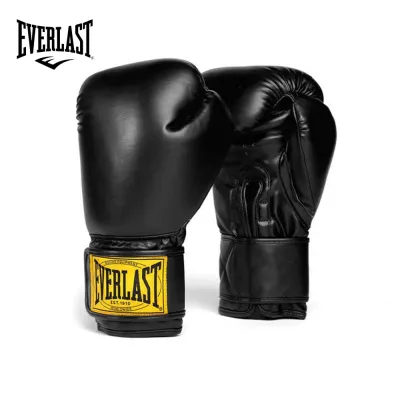
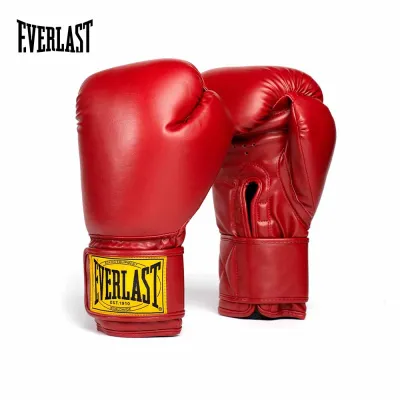
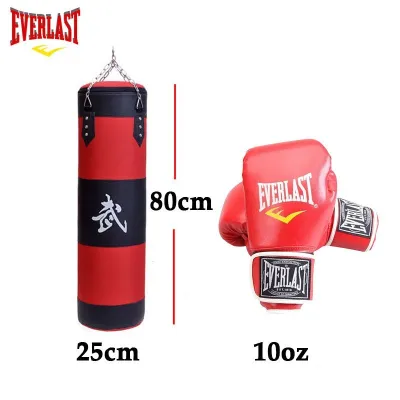
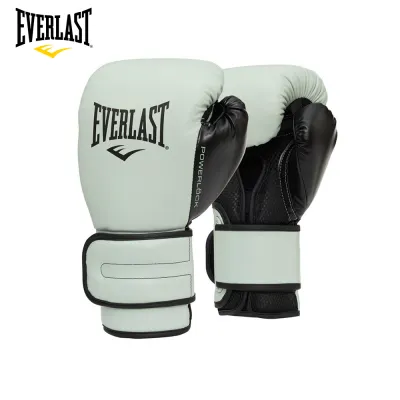
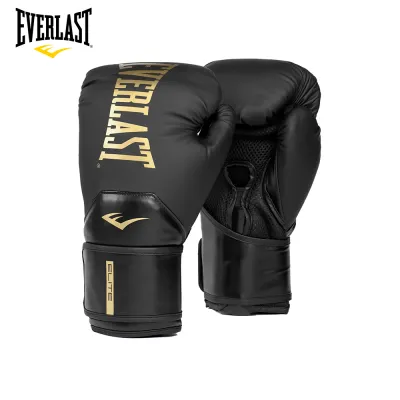
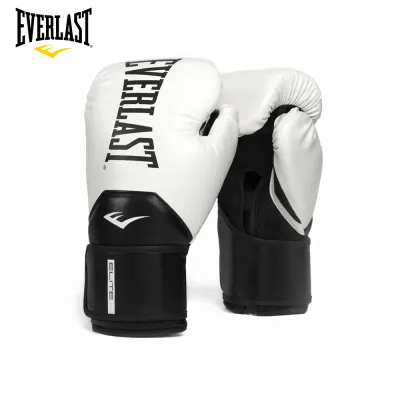
Prices are valid at publication and may change. Please refer to the product page for the latest price.
Furthermore, beginners often outgrow their initial technique and preferences before they can wear out a premium glove. As you train, your punching style, preferred weight, and fit preferences will naturally evolve. Starting with an accessible option like the Pro Style allows you to develop your form and discover what you prefer in a glove—such as a tighter hand compartment or stiffer wrist support—without making a significant upfront financial commitment.
Intermediate to Advanced Boxers (1910 Series)
On the other hand, the Everlast 1910 Series is designed specifically for serious practitioners, amateur competitors, and dedicated enthusiasts who train three or more times a week. If your routine consists of high-velocity heavy bag sessions, intense pad work with a coach, and controlled technical drills or sparring, your gloves must endure massive cumulative impact.
The 1910 Series features a robust construction that can handle the repeated high-energy stress of daily training. Advanced boxers possess the technique to throw heavy, structured punches that will quickly compress and degrade the softer foam found in basic fitness gloves. Investing in a premium series ensures that your hands remain protected as your power and training volume increase.
Actionable Assessment of Your Training Routine
Before making your purchase, take a moment to audit your weekly schedule and training environment. If you train under three hours a week and focus primarily on cardiovascular conditioning rather than heavy impact, the Pro Style will serve you well.
If you train four to six hours or more per week, or if you regularly hit heavy, dense bags at a local boxing gym, the 1910 Series is the safer and more economical choice in the long run. Consider also your long-term commitment to the sport; if you view boxing as a permanent fixture of your fitness lifestyle, starting with or upgrading to a premium leather glove will reward you with a far superior training experience.
Material and Durability: Synthetic Convenience vs. Leather Longevity
The material composition of a boxing glove directly dictates its lifespan, how it feels on your hand, and how well it handles the harsh conditions of regular training. This is especially true when comparing the synthetic build of the Pro Style to the premium leather of the 1910 Series.
Synthetic vs. Genuine Leather
The Everlast Pro Style typically utilizes synthetic or polyurethane (PU) leather. Synthetic materials have the advantage of being lightweight, highly uniform, and very easy to clean. You can easily wipe down the exterior of a synthetic glove with a damp cloth after a sweaty session. However, synthetic leather lacks the natural elasticity and tensile strength of genuine hide. Under the constant friction of hitting heavy bags and the chemical stress of human sweat, synthetic covers are prone to cracking, peeling, and flaking over time, particularly around the knuckles and seams.
In contrast, the Everlast 1910 Series is constructed from premium genuine leather. Genuine leather is incredibly durable and possesses natural breathability. While it requires a bit more active maintenance, leather has the unique ability to mold to the natural shape of your hand over time, creating a custom fit that synthetic gloves simply cannot replicate. A well-maintained leather glove can last several times longer than a synthetic equivalent, making it the material of choice for dedicated athletes.
Stitching and High-Stress Areas
When evaluating durability, look closely at the stitching and construction of high-stress areas. The thumb attachment, the palm ventilation seams, and the wrist closure joint are the first places where lower-tier gloves begin to fail.
In entry-level models like the Pro Style, stitching is often basic, which is sufficient for light use but can unravel under high-impact forces. Premium lines like the 1910 Series feature reinforced, double-stitched seams and heavier thread. This heavy-duty construction prevents the seams from splitting open when the glove is compressed during high-velocity impacts on dense heavy bags.
Climate Considerations for Philippine Boxers
Training in the Philippines presents unique challenges due to the tropical climate and high relative humidity. In warm, humid environments, your hands will sweat profusely inside the gloves. This moisture, if not managed, can quickly degrade synthetic linings and cause genuine leather to rot or develop mold.
For synthetic gloves like the Pro Style, the non-porous nature of the material can trap moisture inside, leading to rapid odor buildup. For leather gloves like the 1910 Series, the material can absorb sweat; if left damp in a closed gym bag, the leather will stiffen and crack. Regardless of which model you choose, boxers in the Philippines must practice rigorous gear hygiene—such as using glove dogs, wiping down the interiors, and air-drying the gloves in shaded, well-ventilated spaces—to ensure their investment survives the tropical climate.
Hand Protection, Comfort, and Wrist Support
Beyond durability, the primary job of any boxing glove is to protect your skeletal structure from the repeated trauma of punching. The way a glove manages impact forces, fits your hand, and stabilizes your wrist can mean the difference between a productive workout and a painful injury.
Before you begin any high-impact bag work, remember that equipment cannot replace proper training, conditioning, and judgment. Always use clean, dry hand wraps to protect the small bones in your hands, and stop training immediately if you experience sharp joint pain or wrist instability.
Padding and Shock Absorption
The internal padding of a boxing glove is its first line of defense. Because specific foam formulations, densities, and layering technologies can vary by production year and exact model variants, it is always wise to check the manufacturer’s product tags or packaging for specific shock-dispersing features.
Generally, entry-level gloves like the Pro Style use a softer, more uniform foam padding designed to provide immediate comfort out of the box. While this feels pleasant during light touch-pads, it can bottom out under heavy impacts, meaning your knuckles may feel the hard surface of the bag. The 1910 Series typically employs a denser, multi-layered foam system. This structure is designed to disperse high-velocity impact forces across a wider surface area, preventing the foam from collapsing completely and protecting your small hand bones during maximum-effort punches.
Fit and Internal Compartment
The shape of the internal hand compartment determines how natural the glove feels when you make a fist. The Pro Style features a more generic, spacious, out-of-the-box fit. While this accommodates a wide variety of hand sizes and thick hand wraps, it can sometimes allow the hand to shift slightly inside the glove during angled punches, which increases the risk of skin friction or joint misalignment.
The 1910 Series is engineered with a more anatomical, contoured hand compartment. It is designed to guide your hand into a natural, ergonomic fist position, reducing muscle fatigue in your forearm. Additionally, because it uses premium materials, the interior lining is typically smoother and more effective at managing moisture, providing a secure, slip-free fit even during long, sweaty training sessions.
Wrist Closure and Alignment
Wrist injuries are among the most common ailments in boxing, often caused by the wrist bending upon impact. A secure wrist closure system is essential to keep your hand, wrist, and forearm in a straight, rigid line.
The Pro Style uses a standard hook-and-loop strap that offers basic stability suitable for light workouts. However, the strap and cuff are often shorter and less rigid. The 1910 Series features a more robust wrist support system, often with a wider, firmer cuff and a secure strap design that mimics the supportive feel of traditional lace-up gloves. This added rigidity is crucial when throwing heavy hooks or uppercuts, where the wrist is highly vulnerable to lateral twisting.
Budget and Long-Term Value: Upfront Cost vs. Cost Per Use
When deciding between these two Everlast lines, it is helpful to look past the initial price tag and consider the long-term cost-per-use. Financial decisions in sports gear should balance what you can afford today with what will save you money and protect your health over the next few years.
Upfront Cost vs. Replacement Cycles
In the Philippine market, the Everlast Pro Style is positioned as a highly budget-friendly option. It is readily accessible to students, fitness beginners, and casual gym-goers who do not want to spend a large amount of Philippine Pesos (₱) on a sport they might not stick with. However, if you train intensely, a synthetic glove may need to be replaced within six months to a year due to compressed padding or torn seams.
The 1910 Series requires a significantly higher upfront investment in Pesos. While this initial cost can be daunting, the premium leather construction and superior padding mean these gloves can easily last several years of consistent training. When you divide the purchase price by the number of training sessions, the 1910 Series often presents a much lower cost-per-use over its lifespan, making it the more financially sensible choice for dedicated practitioners.
Signs It Is Time to Upgrade
If you currently own an entry-level pair of gloves, you should monitor them for signs of wear that indicate it is time to transition to a premium model. Continuing to train with worn-out gear can lead to preventable injuries.
- Knuckle Pain: If you begin to feel the hard surface of the heavy bag directly on your knuckles, the internal foam has collapsed.
- Wrist Instability: If the hook-and-loop strap no longer holds firmly, or if the cuff has softened to the point where your wrist bends easily on impact.
- Material Degradation: If the synthetic outer cover is peeling, flaking, or cracking, or if the inner lining has torn, exposing the foam padding.
- Persistent Odor: If the gloves have developed a deep, unhygienic smell that does not dissipate after airing out, indicating bacterial buildup in the inner foam.
Smart Purchasing Advice for Philippine Consumers
To ensure you are getting genuine products and accurate local pricing, always purchase your gear from authorized sports equipment retailers, established local boxing specialty shops, or official brand stores in the Philippines. Avoid buying from unverified third-party sellers on online marketplaces, as counterfeit boxing gear is common and lacks the safety standards of genuine Everlast equipment. Checking official channels also allows you to verify current PHP pricing, try on different sizes (such as 12 oz, 14 oz, or 16 oz) with your hand wraps on, and inquire about any available manufacturer warranties.
Final Decision Framework: Which Pair is Right for You?
To help you finalize your decision, let us look at a simple, condition-based framework. By matching your specific training habits and goals to the strengths of each glove line, you can confidently choose the pair that will best support your boxing journey.
Choose the Everlast Pro Style if:
- You are a beginner: You are just starting your boxing journey and are still mastering basic punching mechanics.
- Your training is casual: You plan to train only once or twice a week, focusing primarily on light bag work or cardio fitness classes.
- You have budget constraints: You want to minimize your upfront financial investment while you determine your long-term interest in combat sports.
- You prioritize low maintenance: You prefer a synthetic glove that is easy to wipe clean and requires no special leather conditioning.
Choose the Everlast 1910 Series if:
- You train consistently: You hit the gym three or more times a week and engage in high-intensity workouts.
- You hit hard: You regularly perform heavy bag work and pad drills where maximum shock absorption is required.
- You value premium materials: You want the durability, breathability, and custom-molded fit of genuine leather.
- You prioritize safety: You require advanced wrist support and dense, multi-layered padding to protect your hands and wrists from injury.
Verify Your Specific Needs First
Before checking out, remember that both the Pro Style and the 1910 Series contain multiple sub-models, including different weight options and closure types (such as hook-and-loop vs. lace-up). Always read the specific product description carefully to ensure the exact model matches your training activity. For example, if you plan to do heavy sparring, you will need a glove specifically rated for sparring (typically 16 oz with soft, protective padding) rather than a general-purpose bag glove.
Frequently Asked Questions (FAQ)
What size (oz) boxing gloves should I buy for heavy bag training?
For heavy bag training, most adults use gloves weighing between 12 oz and 16 oz. The correct size depends on your body weight, hand size, and punching power. Lighter individuals (under 60 kg) often prefer 12 oz or 14 oz gloves, while heavier individuals or those looking for maximum hand protection and conditioning choose 16 oz gloves. Always consult the manufacturer’s specific sizing and weight chart on the product packaging or official retailer listings before purchasing to ensure a proper, safe fit.
How do I maintain genuine leather boxing gloves in a humid climate?
Maintaining genuine leather gloves like the 1910 Series in the humid Philippine climate requires active care. Immediately after training, wipe off all excess sweat from the exterior and interior using a clean, dry microfiber cloth. Insert glove deodorizers, cedar chips, or silica gel packs to absorb trapped moisture inside the hand compartment. Finally, allow the gloves to air-dry completely in a cool, well-ventilated indoor area, keeping them away from direct sunlight or high heat sources, which can dry out and crack the leather.
Community discussion
Share your experience or ask a question. Comments are reviewed before publication.