
In the Philippines, the combination of intense tropical heat, sudden monsoon downpours, and dense urban traffic often makes indoor workouts the most practical choice for maintaining a consistent fitness routine. Setting up a home gym allows you to bypass these external challenges, but choosing the right equipment requires balancing your personal fitness goals with the practical realities of your living space. The three most popular home cardio options—the exercise bike, the treadmill, and the rowing machine—each offer distinct physical benefits, spatial demands, and operational requirements.
Selecting the ideal machine involves analyzing how each piece of equipment interacts with your body and your home environment. By comparing their muscle engagement, joint impact, noise levels, and storage capabilities, you can make an informed decision that supports your long-term health and fits seamlessly into your daily life.
Muscle Engagement and Joint Impact: What Each Machine Targets
Understanding how each machine distributes physical effort across your body is essential for targeting specific muscle groups and managing fatigue. Treadmills and exercise bikes primarily focus on lower-body conditioning, though they do so through different movement patterns. Walking or running on a treadmill engages your entire lower chain, including the calves, hamstrings, quadriceps, and glutes, while requiring your core muscles to stabilize your posture against gravity. An exercise bike isolates the lower body even more directly, concentrating the workload on your quadriceps and hamstrings during the pedal stroke, with minimal upper-body involvement.
Products mentioned in this guide
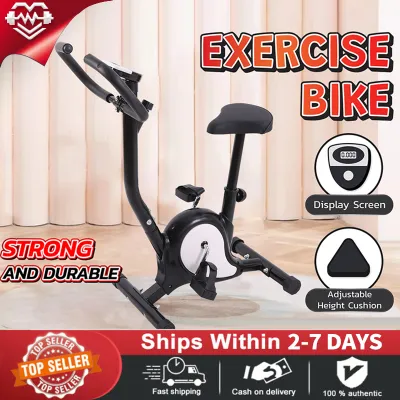
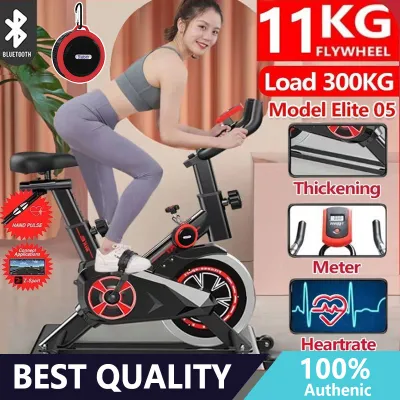
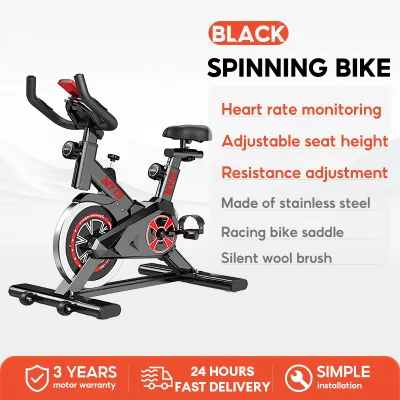
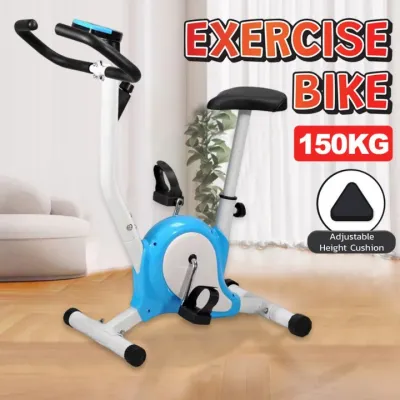
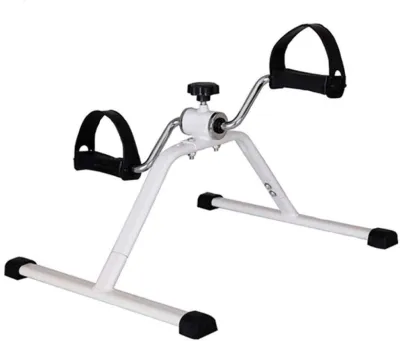
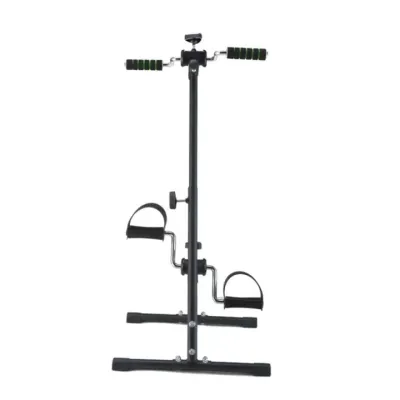
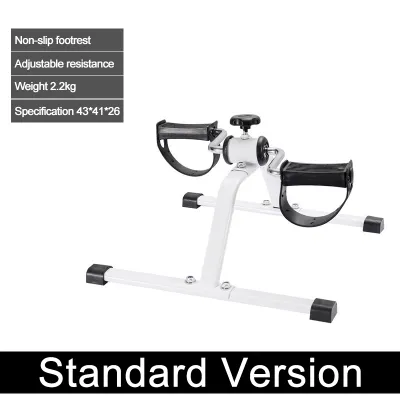
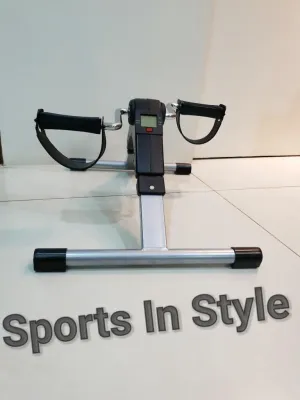
Prices are valid at publication and may change. Please refer to the product page for the latest price.
In contrast, a rowing machine provides a comprehensive full-body workout that engages both the upper and lower muscle groups. The rowing motion is a coordinated sequence divided into the catch, drive, finish, and recovery phases. This continuous cycle utilizes your legs to push, your core to transition the power, and your back and arms to pull, effectively engaging up to eighty-five percent of your musculature in a single stroke. This makes rowing highly efficient for those seeking balanced, full-body muscular endurance.
Joint impact is another critical factor that influences workout comfort and long-term joint health. Running on a treadmill is a high-impact, weight-bearing exercise where your feet repeatedly strike the running deck, transferring ground reaction forces through your ankles, knees, and hips. While many modern treadmills feature cushioned decks designed to absorb a portion of this shock, the repetitive impact can still strain sensitive joints over time.
If you require a gentler option, the exercise bike and the rowing machine offer low-impact alternatives. On an exercise bike, your feet remain in constant contact with the pedals, eliminating the jarring forces of foot strikes while still providing an excellent cardiovascular workout. Similarly, rowing is a seated, non-weight-bearing exercise that glides smoothly along a rail, minimizing stress on your knees and ankles while allowing for high-intensity training.
To ensure a safe and comfortable workout, always check the manufacturer’s specifications for adjustability before purchasing. For an exercise bike, verify that the seat can be adjusted both vertically and horizontally to establish proper knee alignment at the bottom of the pedal stroke. When evaluating treadmills, look for adjustable incline settings and deck cushioning specifications to customize the impact level. For rowing machines, check the adjustability of the footplates and straps to ensure your feet remain secure throughout the entire range of motion.
Space, Noise, and Setup: Fitting the Equipment in Your Home
Integrating fitness equipment into a Philippine home, especially in compact urban condominiums or shared family households, requires careful spatial planning. Treadmills generally demand the largest permanent footprint and operational clearance. For safety, you must maintain a clear zone behind the treadmill belt in case of accidental slips. Additionally, you must consider ceiling height; running on an incline raises your head significantly, requiring sufficient overhead clearance to prevent injury.

Rowing machines have a long, narrow footprint due to the length of the slide rail. While they require substantial floor length during use, many models are designed with folding frames or can be stood vertically against a wall when idle, making them highly convenient to store in tight spaces. An exercise bike typically occupies the smallest overall footprint, making it the easiest machine to place permanently in a bedroom corner or living room without disrupting the flow of your home.
Acoustic output is a vital consideration if you live in an apartment or share a home with family members. Treadmills tend to be the loudest option, generating noise from both the internal motor and the physical thud of your feet striking the deck. Rowing machines vary in noise level depending on their resistance system: air rowers produce a consistent wind-whooshing sound, water rowers create a rhythmic splashing noise, and magnetic rowers operate almost silently. Exercise bikes, particularly those utilizing magnetic resistance and a belt drive, are exceptionally quiet, making them ideal for early morning or late-night workouts.
Before finalizing your setup, verify the electrical and structural requirements of your chosen machine. Motorized treadmills require proximity to a grounded electrical outlet and may draw significant power, whereas many exercise bikes and rowing machines operate on battery-powered consoles or self-generating systems. Consider the weight limits of your flooring, and always place a high-density protective mat under your equipment. In humid tropical climates, a protective mat is crucial for dampening vibrations, preventing the machine from slipping, and protecting your floors from sweat-induced moisture damage.
Aligning Equipment With Your Fitness Goals and Physical Condition
Your choice of cardio equipment should directly support your specific health objectives and accommodate any physical limitations. If you are training for outdoor running events, marathons, or simply want to maintain functional daily walking habits, a treadmill provides the most specific and practical training. It mimics real-world movement patterns and helps build the bone density associated with weight-bearing exercise.
If your primary goal is low-impact cardiovascular conditioning, active recovery, or high-intensity interval training (HIIT) without joint strain, an exercise bike is an excellent tool. It allows you to build cardiovascular endurance and lower-body strength while remaining seated. For those seeking a time-efficient workout that combines cardiovascular training with upper-body and core strengthening, the rowing machine is highly effective at improving posture and overall muscular balance.
Physical limitations must guide your decision to ensure you exercise safely. Individuals with lower back sensitivity should approach rowing machines with caution, as improper form or a weak core during the pulling phase can place unnecessary strain on the lumbar spine. If you experience balance issues or acute knee pain, the high-impact nature of a treadmill may be unsuitable, making the stable, seated position of an exercise bike a much safer alternative.
Regardless of the machine you choose, physical safety should always come first. If you have pre-existing joint conditions, chronic back pain, or cardiovascular concerns, consult a physician or a physical therapist before starting a new exercise regimen. They can provide personalized guidance on which movement patterns are safe for your body and help you establish appropriate intensity limits.
Final Decision Framework: Which Cardio Machine Fits Your Needs?
To finalize your decision, evaluate how your physical needs, spatial constraints, and fitness goals align with the following practical guidelines:
- Choose an exercise bike if: You have limited floor space, require a near-silent machine to avoid disturbing neighbors, need a highly stable and seated workout, or want a low-impact option that protects sensitive knees and ankles.
- Choose a treadmill if: You are training for walking or running events, prefer weight-bearing exercises to support bone health, have adequate floor space and ceiling clearance, and want a straightforward, functional way to walk or run indoors.
- Choose a rowing machine if: You want a highly efficient, full-body workout that targets both the upper and lower body, wish to strengthen your core and improve your posture, and have enough horizontal floor clearance to accommodate a long slide rail.
Before making your final purchase, verify the exact dimensions of your designated workout area, including the necessary safety clearance zones. If possible, visit a local showroom to test the ergonomics and comfort of the machines in person. Carefully review the manufacturer’s warranty terms, read the user manual to understand the required maintenance routines, and check the maximum weight capacity to ensure the equipment safely supports every user in your household.
Frequently Asked Questions (FAQ)
Can I use an exercise bike if I have lower back pain?
Yes, but the design of the bike and your riding posture are critical factors. Upright exercise bikes require you to lean forward slightly, which can strain a sensitive lower back if your core muscles are weak or if the bike is not adjusted correctly. Recumbent exercise bikes feature a bucket seat with full back support, allowing you to pedal from a reclined position that significantly reduces stress on the lumbar spine. Always check the seat adjustability options of the bike to ensure you can maintain a neutral spine, and consult a healthcare professional for personalized guidance before starting.
How do I maintain a treadmill or rowing machine at home?
Regular maintenance is essential to keep your equipment running safely and to prolong its lifespan. For treadmills, perform routine visual inspections to check belt alignment, wipe down the deck to remove sweat, and apply lubricant under the belt according to the manufacturer’s specified schedule. For rowing machines, wipe down the slide rail daily to prevent dust and sweat from damaging the rollers, and inspect the pull cord or chain for signs of wear. Always consult the manufacturer’s manual for specific maintenance steps and avoid making unauthorized structural modifications.
Community discussion
Share your experience or ask a question. Comments are reviewed before publication.