
Finding the right yoga mat for workout big size requirements involves balancing space, stability, and material science. There is no single “best” combination of material and thickness that suits every individual. The ideal choice depends on your specific workout style, joint health, and the environment where you train.
For instance, high-intensity, sweaty, or dynamic workouts like Vinyasa yoga or high-intensity interval training (HIIT) generally benefit from natural rubber or polyurethane (PU) surfaces in a standard-to-medium thickness (4mm to 5mm) to ensure optimal grip and floor connection. Conversely, low-impact, floor-heavy routines such as Pilates, restorative yoga, or core conditioning are better suited to thicker thermoplastic elastomer (TPE) or high-density polyvinyl chloride (PVC) mats (6mm to 8mm) that prioritize joint cushioning.
In the Philippines, the tropical climate and high humidity add another layer of complexity. Sweating is more pronounced, and floors are often made of slick ceramic tiles or polished concrete, which can cause lighter mats to slide during dynamic movements. Furthermore, extra-large mats suffer from a primary physical constraint: as you scale up the length and width, the overall weight and bulk multiply rapidly. This makes material density a critical factor in your final decision, as a dense, heavy mat may become a permanent fixture in your home rather than a portable accessory.
Products mentioned in this guide
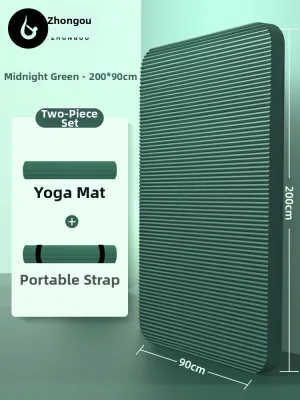
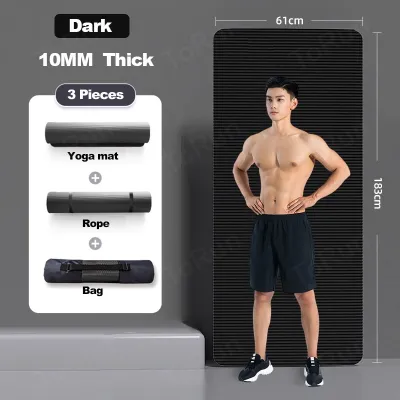
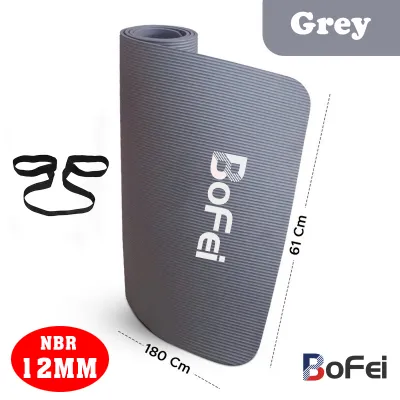
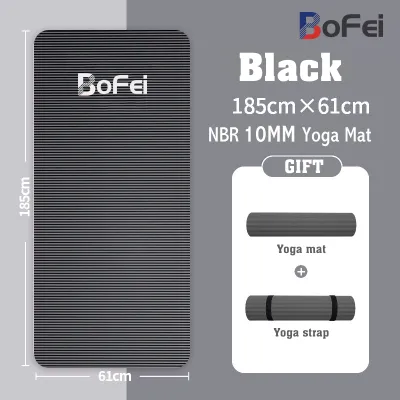
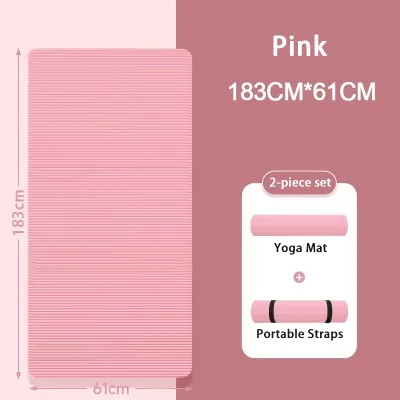
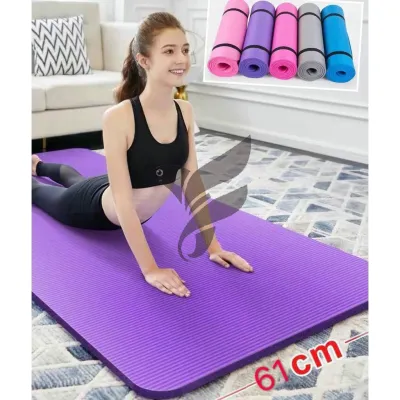
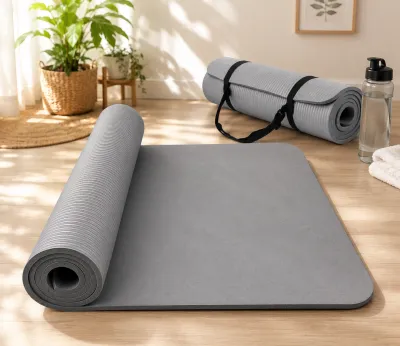
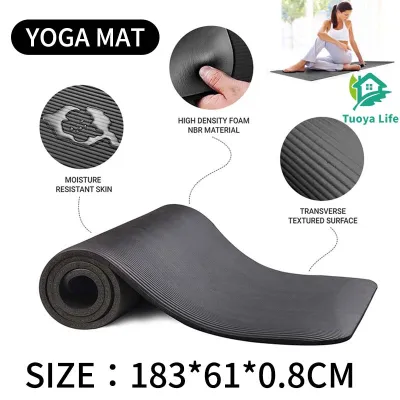
Prices are valid at publication and may change. Please refer to the product page for the latest price.
Material Comparison: Grip, Durability, and Weight Trade-offs
Evaluating common yoga mat materials is essential when choosing an extra-large format, as each material behaves differently under the stresses of dynamic workouts.
Natural rubber is highly regarded for its exceptional baseline grip and natural durability. When you are performing rapid transitions, lateral lunges, or holding demanding yoga poses, natural rubber provides a solid, non-slip foundation. The material is eco-friendly, biodegradable, and offers excellent high-density cushioning.
However, the primary trade-off is its weight. An extra-large natural rubber mat can easily weigh between 4 and 6 kilograms. This makes it highly impractical to carry to a local studio or gym. Additionally, natural rubber contains latex, which means individuals with latex sensitivities or allergies must avoid this material entirely.
Polyurethane (PU) bonded to a natural rubber base represents the pinnacle of wet grip. In hot and humid environments, sweat can quickly turn a standard mat into a slip hazard. PU surfaces are designed with an open-cell structure that absorbs moisture instantly, ensuring that your hands and feet remain firmly planted even during the sweatiest HIIT sessions.
The downside to this grip is the maintenance required. Because PU is absorbent, it easily traps body oils, sweat, and dirt. Over time, this can lead to discoloration, staining, and unpleasant odors if the mat is not cleaned diligently. It is also on the heavier side and sits at a premium price point, often exceeding several thousand pesos (₱) on online marketplaces.
Thermoplastic Elastomer (TPE) serves as a lightweight, synthetic, and cost-effective alternative. If you live in a condominium or a multi-story home and need to roll up your mat and move it between rooms frequently, TPE is an excellent choice. It is a closed-cell material, meaning it does not absorb moisture, making it highly resistant to sweat and easy to wipe clean.
However, TPE lacks the heavy-duty durability of rubber or PVC. Under the high-shear forces of athletic shoes or intense mountain climbers, TPE can stretch, scuff, or even tear over time. Furthermore, its lightweight nature means it may not lie completely flat on the floor immediately after being unrolled, and it can slide on highly polished tile floors if the bottom texture lacks sufficient traction.
Polyvinyl Chloride (PVC) is the classic choice for durability and longevity. High-density PVC mats are virtually indestructible and can withstand years of intense use, including workouts performed with training shoes. Because PVC is closed-cell, it does not absorb sweat, making it exceptionally easy to sanitize and highly resistant to mold or mildew—a major benefit in humid tropical climates.
However, standard PVC can feel slick when brand new. It often requires a “break-in” period of regular use, or a specialized textured surface, to provide reliable traction. If you sweat heavily, you will likely need to pair a PVC mat with a high-quality microfiber yoga towel to prevent slipping.
Thickness Guide: Balancing Joint Support and Stability
Selecting the right thickness is a balancing act between joint support, stability, and sensory feedback from the floor.

Thin to standard mats, ranging from approximately 3mm to 5mm, are generally preferred for dynamic workouts, standing balances, and fast-paced athletic transitions. When you are performing standing poses, single-leg balances, or rapid footwork, you need a stable, unyielding connection to the subfloor. A thinner mat prevents your ankles and feet from sinking into the material, which helps maintain proper alignment and reduces the risk of rolling an ankle. For experienced practitioners who prioritize balance and floor feedback, a 4mm mat is often the ideal compromise.
Thick to extra-thick mats, spanning from 6mm to 8mm or more, offer substantial benefits for floor-based routines, core exercises, Pilates, and users with sensitive joints. If you frequently perform exercises that put pressure on your knees, elbows, hips, or spine—especially on hard surfaces like ceramic tile or concrete—a thicker mat provides the necessary cushioning to prevent bruising and discomfort.
However, excessive thickness comes with a warning: soft, thick mats can compromise your stability during standing poses or rapid lateral movements. The material compresses under your weight, creating an unstable surface that forces your stabilizing muscles to work much harder, which can lead to fatigue or loss of balance.
The critical concept to grasp is that thickness alone does not equal support; material density is the true determining factor. A cheap, low-density 8mm foam mat will easily compress under pressure, allowing your joints to bottom out against the hard floor. Conversely, a high-density 4mm natural rubber or PVC mat can offer superior joint protection because the dense material resists compression, distributing your body weight evenly across the surface. When shopping on ecommerce platforms, look beyond the thickness measurement and check the product’s weight and density specifications to ensure you are getting genuine support rather than just thick, airy foam.
Choosing a Yoga Mat for Workout Big Size Needs: Weight, Storage, and Durability
When you opt for an extra-large workout mat, the physical dimensions introduce unique challenges that affect how the mat performs and how you store it.
Scaling up the dimensions of a mat from a standard size (typically 173 cm x 61 cm) to an extra-large format (such as 200 cm x 100 cm or larger) multiplies the overall volume and weight. An extra-large natural rubber mat can become exceptionally heavy, sometimes weighing over 5 kilograms. This weight makes it highly impractical for daily commuting to a fitness studio.
If you plan to carry your mat to outdoor sessions or local gyms, a lightweight material like TPE is far more manageable. However, if the mat is destined for a permanent home gym setup, a heavier weight is actually an advantage, as it helps the mat lay flat and prevents it from shifting during high-intensity movements.
Durability and edge wear are also amplified in larger formats. Extra-large mats cover more floor area, which means they are subjected to more diverse footwork and lateral forces. If you perform high-impact exercises like jump lunges, burpees, or skater hops, the shearing forces can cause the edges of a low-density mat to scuff, curl, or tear. To prevent this, look for mats made from high-density materials or those featuring reinforced, bound edges. These design elements ensure the mat remains flat and intact, even under rigorous daily use.
Furthermore, a thick, heavy, extra-large mat provides excellent floor protection and impact absorption. If your home workout space has tiled or hardwood flooring, dropping light dumbbells or performing high-impact cardio can cause damage over time. A dense, high-quality mat acts as a protective barrier, absorbing the impact energy and dampening the sound of your movements—an essential consideration if you live in an apartment or condominium and want to remain neighbor-friendly.
Finally, do not overlook storage constraints. A thick, extra-large mat, when rolled up, has a significantly larger diameter than a standard mat. It may not fit in standard yoga bags, closets, or under low furniture. Before purchasing, verify the rolled dimensions and ensure you have a dedicated corner, vertical storage rack, or closet space to keep the mat clean, dry, and out of the way when not in use.
Decision Framework: Which Combination Should You Choose?
To help you finalize your decision, use this structured framework to match your specific workout profile with the ideal material and thickness combination.
Choose Natural Rubber or PU (4mm to 5mm) if:
- You perform high-intensity, sweaty, or hot workouts and prioritize maximum grip and stability over portability.
- You have a dedicated home gym space where the mat can remain laid out or easily stored.
- You want an eco-friendly option with excellent natural traction and do not mind the heavier weight.
Choose TPE (5mm to 6mm) if:
- You need a lightweight, extra-large mat that is easy to roll up, carry, and store daily.
- Your workouts are of moderate intensity, such as light yoga, stretching, or bodyweight exercises without heavy sweating.
- You are working within a moderate budget and prefer a softer, cushioned feel.
Choose High-Density PVC (6mm or thicker) if:
- Your routine focuses heavily on floor-based Pilates, core work, or physical therapy.
- You require maximum joint cushioning on hard tile or concrete floors.
- You plan to wear training shoes during your workouts and need a highly durable, wear-resistant surface that is easy to sanitize.
Verify first if:
- Your floor type requires a specific non-slip backing. Highly polished marble or ceramic tiles can be incredibly slick, so ensure the mat's underside features a textured, high-traction pattern to prevent dangerous sliding.
- You have a latex allergy. If so, avoid natural rubber entirely and opt for PU, TPE, or PVC alternatives.
- You have strict weight limits for carrying your gear. Check the product's shipping weight on your preferred online marketplace before purchasing to avoid any heavy surprises.
Frequently Asked Questions (FAQ)
Is an extra-large yoga mat too heavy to carry to a studio?
Yes, in most cases, an extra-large mat made of dense materials like natural rubber or high-density PVC is too heavy and bulky for daily travel. These mats can easily weigh between 4 and 6 kilograms and have a large rolled diameter that does not fit into standard carrying bags. If you regularly attend studio classes, it is generally recommended to reserve your extra-large mat for a permanent home setup and use a lightweight, standard-sized TPE or travel mat for your commutes.
How do I clean a large polyurethane or natural rubber mat after a sweaty workout?
To clean a large polyurethane or natural rubber mat safely, wipe the surface down after every workout using a soft microfiber cloth dampened with warm water and a tiny drop of mild, non-oil-based dish soap. Avoid using harsh chemicals, alcohol, or essential oils, as these substances can degrade natural rubber and clog the open-cell pores of PU, permanently reducing its grip. Always allow the mat to air-dry completely in a shaded, well-ventilated indoor space before rolling it up. Never expose a natural rubber mat to direct sunlight, as UV rays will cause the material to dry out, crumble, and lose its traction. Always verify these cleaning steps against the manufacturer’s care label to ensure compliance with their specific warranty and material guidelines.
Community discussion
Share your experience or ask a question. Comments are reviewed before publication.